tips and advice
Plan Your Stay at Mumbo Island Camp: Access, Packing and Daily Routines
Encounters Africa - 6 min read
Updated on 11 May 2026
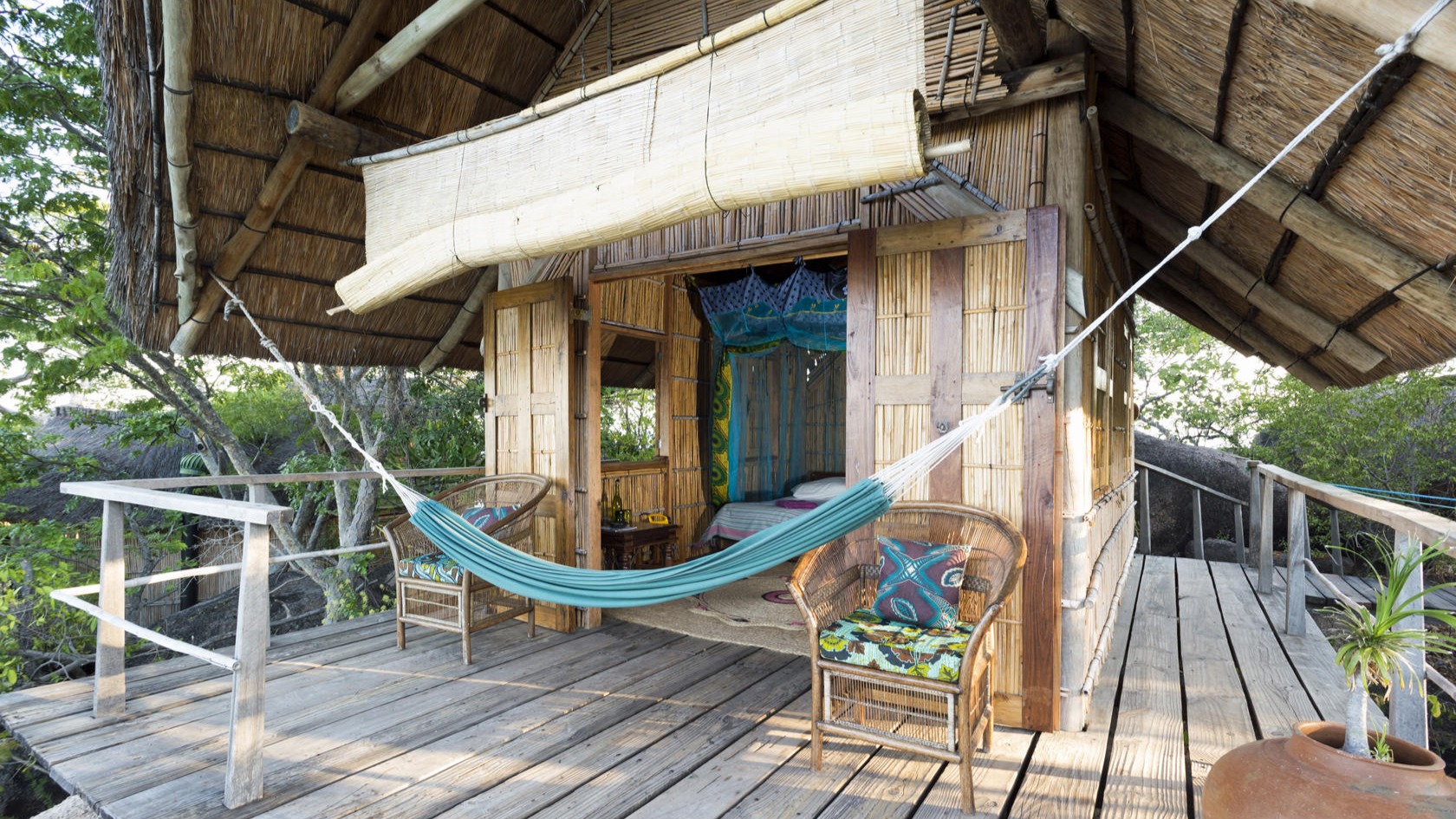
Arriving at Mumbo Island Camp means embracing a secluded paradise on Lake Malawi, where driftwood huts perch above crystal waters teeming with over 1,000 cichlid species. This eco-retreat, accessible only by boat, offers travellers an unplugged immersion in Malawi's freshwater wonders. Plan your stay with our guide to seamless access, essential packing, and the rhythmic pulse of island days.
Fly into Lilongwe, then boat 3 hours to Mumbo Island Camp amid Lake Malawi's cichlid reefs. Pack reef-safe sunscreen, snorkel gear; schedule dawn paddles and fish eagle watches.
Reaching Mumbo Island Camp: Step-by-Step Access Guide
Mumbo Island Camp lies 12 kilometres offshore in Lake Malawi National Park, a UNESCO World Heritage site safeguarding the lake's extraordinary biodiversity. Most journeys begin at Lilongwe International Airport, Malawi's main gateway. From there, a scenic 3-4 hour drive southwards along the M5 road delivers you to Cape Maclear, the jumping-off point for boat transfers.
Private transfers arranged through Encounters Africa ensure comfort on this route, winding past fishing villages and baobab-dotted hillsides. At Cape Maclear, motorised dhows or kayaks ferry guests across shimmering waters, a voyage lasting 2-3 hours depending on wind and waves. The best time for this transfer is early morning, when lake breezes remain gentle and visibility peaks for spotting aquatic life en route.
Charter flights from Lilongwe to smaller airstrips near Mangochi offer a swifter alternative, shaving hours off travel. Always confirm water levels and weather with your operator, as heavy rains from November to March can swell transfer times.

Mumbo's isolation amplifies every ripple and call, turning transit into the journey's quiet overture.
Packing Essentials for Mumbo Island Camp Adventures
Life at Mumbo Island Camp thrives without electricity or motors, so pack light and purposefully for a 3-7 night stay. Prioritise quick-dry, lightweight clothing in neutral tones to blend with the island's natural palette. A broad-brimmed hat, polarised sunglasses, and high-SPF reef-safe sunscreen protect against intense equatorial sun reflecting off the water.
Water-Based Gear Must-Haves
Snorkelling defines Mumbo's allure, with vibrant reefs mere metres below your hut. Bring your own mask, snorkel, and fins for a perfect fit, plus a rash guard for prolonged swims amid 500-plus cichlid varieties. Waterproof dry bags safeguard phones and small valuables during kayak outings or guided dives.
Personal snorkel set adjusted to your face for comfort during multi-hour sessions
Reef-safe mineral sunscreen (SPF 50+) to preserve coral ecosystems
Waterproof headlamp for night paddles under starlit skies
Compact binoculars for eagle and otter sightings from the deck
Health and Comfort Items
Malaria precautions are vital; pack prophylactics and DEET-free repellents suited to lakeside conditions. Lightweight sleeping bag liner adds warmth to cooler evenings, while a universal travel adapter covers solar charging stations. Include a reusable water bottle, as camp purifies lake water on-site.
Soft-sided luggage facilitates boat loading. Leave valuables behind—Mumbo's secure, communal vibe discourages locks.
A Typical Day at Mumbo Island Camp: Rhythm of Island Life
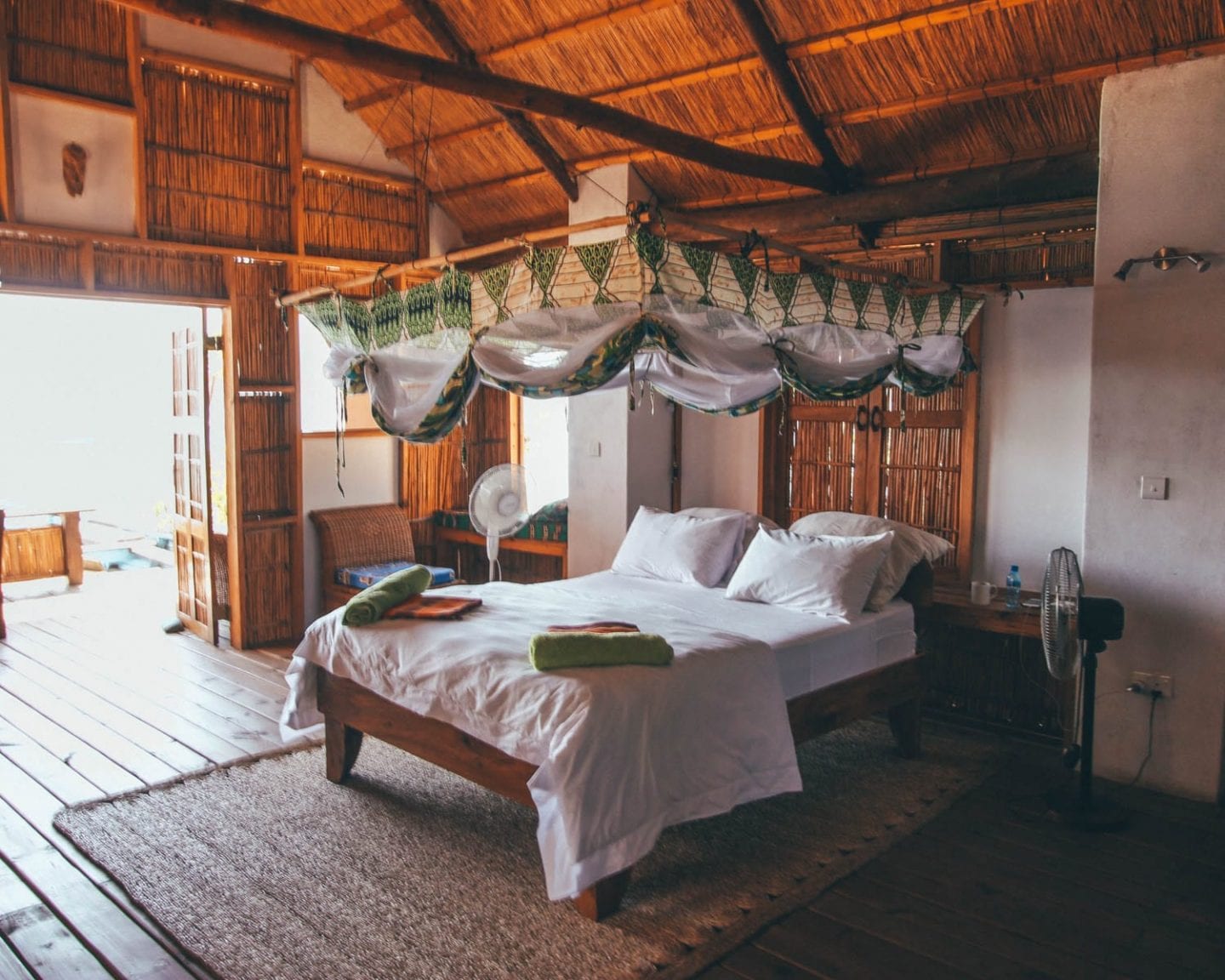
Days at Mumbo Island Camp unfold in harmony with lake cycles, starting with dawn's first light filtering through thatch. Wake to the guttural calls of fish eagles, perch on your private deck 15 feet above the waves, and sip Malawian tea brewed over wood fires. No clocks dictate the pace; nature sets the tempo.
Mornings often launch with guided kayak or snorkel excursions, tracing submerged forests where mbuna cichlids dart in electric blues and yellows. Midday brings siesta in hammocks strung between mahogany trees, the lake's gentle lap lulling you into reverie. Afternoons suit free exploration—paddle solo or join fishers netting chambo for evening meals.
At Mumbo, time dissolves into water's endless motion, each day a fresh canvas of discovery.
Morning Routines: Dawn to Midday
Expect communal breakfasts of fresh fruit, porridge, and lake-caught fish around 6:30am. Guides brief daily activities, tailoring to group size—solo travellers might opt for quiet rock pooling, while families embrace group snorkels. By 9am, you're immersed in the lake's 700-square-kilometre expanse.
Afternoon and Evening Flows
Post-lunch, activities pivot to birdwatching or cultural exchanges with visiting Akawo fishermen. As dusk paints the sky in vermilion, gather for sundowners—local gin tonics or nsima beers—while eagles swoop for fed fish. Dinners feature grilled tilapia, nsima, and relishes under lantern glow, storytelling sealing the night.
Best Times to Visit Mumbo Island Camp
The prime window for Mumbo Island Camp spans June to October, Malawi's dry season, when lake visibility reaches 20 metres and temperatures hover at a comfortable 25°C. Fewer rains mean reliable boat access and peak fish eagle activity, with up to 20 sightings daily. November offers shoulder-season value with blooming water lilies, though brief showers add spontaneity.
Avoid peak rainy months from December to March, when winds can ground boats and paths turn muddy. April-May transitions deliver wildflower bursts and migratory birds, ideal for photographers seeking softer light. Book 6-9 months ahead for July-August high season, when global travellers flock to this lakeside gem.
Full moons in November illuminate night snorkels, a rare treat amid bioluminescent plankton displays.
Practical Tips for an Unforgettable Mumbo Stay
Customising Your Experience
Discuss preferences pre-arrival—solo contemplation, family snorkel safaris, or photography-focused outings. Encounters Africa tailors extensions to Malawi's Liwonde National Park or Majete Wildlife Reserve for Big Five sightings post-island bliss. Vegetarians note chambo alternatives like aubergine stews abound.
Request gluten-free nsima adaptations for dietary needs
Schedule private fish eagle feeding sessions at 5pm daily
Combine with Kayak Bay for mainland contrast
Sustainability and Etiquette
Mumbo enforces a no-plastics policy; arrive zero-waste. Tread lightly on reefs, maintaining 2-metre distances from marine life. Support locals by purchasing crafts from visiting artisans, bolstering community ties.
Connectivity is solar-powered and intermittent—embrace the digital detox. Journal by candlelight instead.
Why Choose Mumbo Island Camp with Encounters Africa
Mumbo Island Camp exemplifies Malawi's pristine allure, blending raw nature with thoughtful hospitality. Encounters Africa, specialists in Southern and East African journeys, curates seamless logistics from Lilongwe flights to dhow charters. Our insider knowledge ensures your stay aligns perfectly with personal passions, whether chasing cichlids or savouring solitude.
For discerning travellers seeking a private safari beyond our set itineraries, we invite you to contact us directly. We specialise in designing exceptional, tailor-made journeys for individuals, couples, families, and private groups of up to eight guests. Drawing on our handpicked network of distinguished camps and lodges, we curate every detail with precision and care, creating a seamless, deeply personal safari experience shaped entirely around your preferences, pace, and budget.
Ready to paddle into Mumbo's embrace? Enquire with Encounters Africa today to craft your Lake Malawi adventure. Explore more wildlife tips or Malawi safari itineraries in our blog.
More like this
tips and advice
Planning a Three-Generation Safari That Works for Everyone
tips and advice
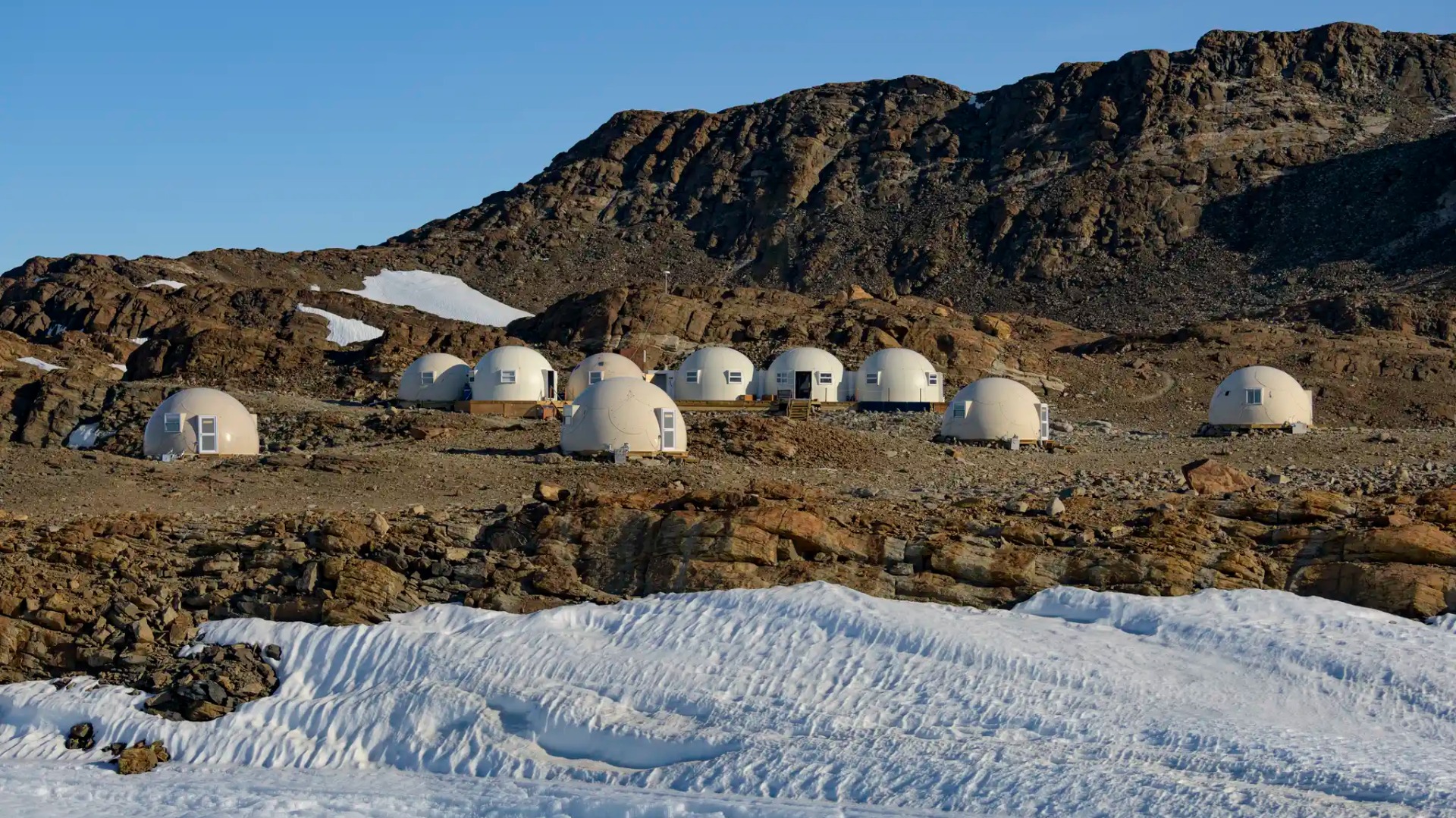
Polar Days at Whichaway Camp: Shaping Expeditions Around Ice Flows and Midnight Light
tips and advice
Practical Connectivity Guide: African Safari Spots With Reliable High-Speed Internet

tips and advice
Practical Family Safari Planning: Ages, Vehicles and Malaria-Free Reserves
tips and advice
Practical Skills for Safely Crossing Namibia's Coastal Dunes by 4x4
tips and advice