Tips & Advice
Smart Choices That Support Zimbabwe’s Wildlife Guardians on Safari
Encounters Africa - 9 min read
Updated on 4 August 2026
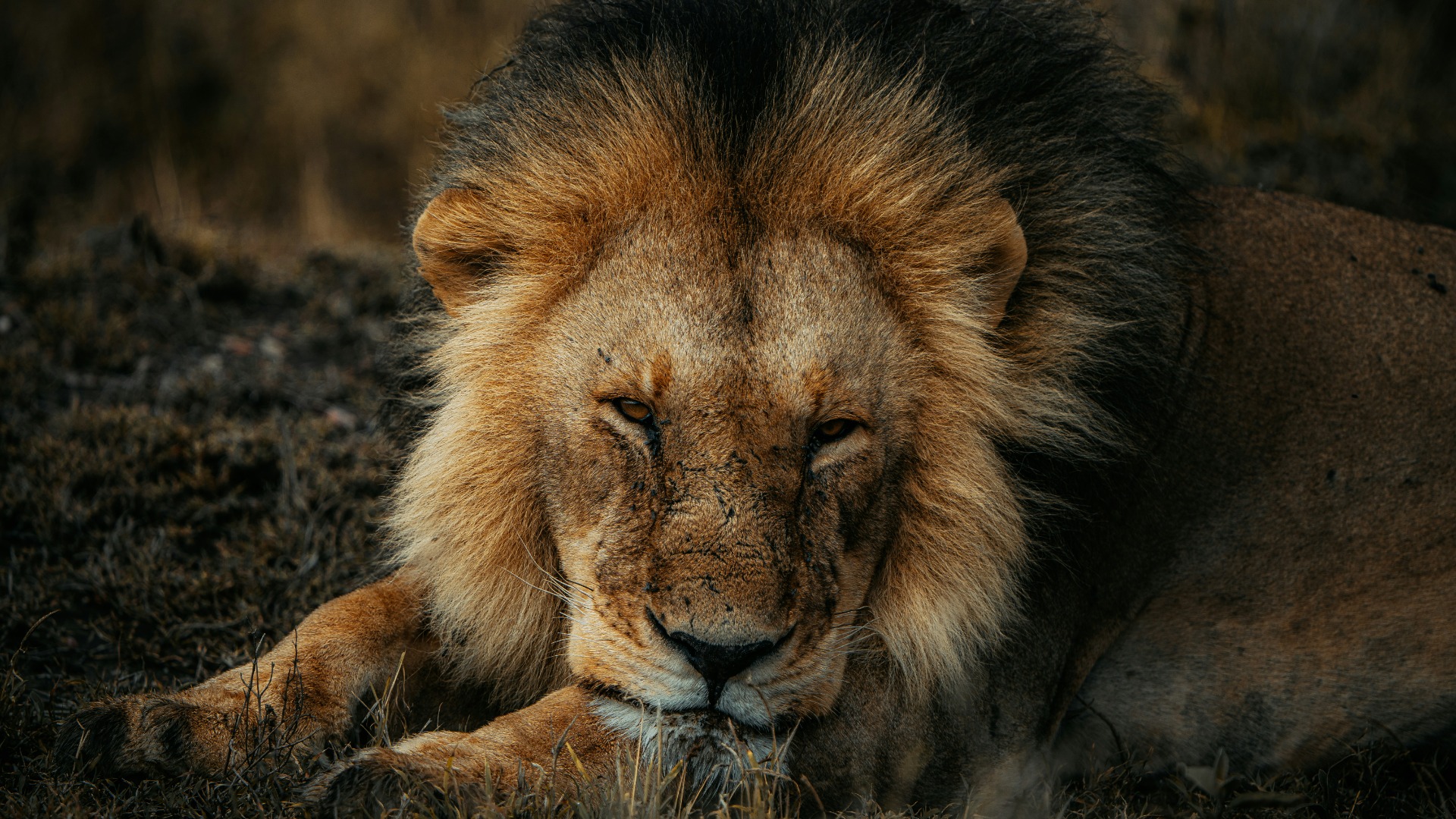
Smart choices made by travellers can directly bolster Zimbabwe’s conservation efforts, safeguarding iconic species such as elephants, rhinos and African wild dogs. A responsible safari in this storied southern African nation not only delivers profound encounters with wildlife but channels support to the dedicated guardians working on the ground. Zimbabwe’s protected areas span more than 27,000 square kilometres of national parks and conservancies, where community involvement and ethical tourism practices have become central to long-term success.
From the vast plains of Hwange to the dramatic escarpments of Mana Pools, every decision you make as a visitor carries weight. By selecting operators that prioritise local employment, adhering to respectful viewing protocols and contributing to verified initiatives, you become part of a growing network of informed travellers who help secure a future for Zimbabwe’s remarkable biodiversity. This guide offers clear, practical advice to ensure your journey leaves a positive and lasting impact.
Understanding Zimbabwe’s Conservation Landscape
Zimbabwe is home to one of Africa’s largest remaining elephant populations, estimated at around 85,000 individuals, alongside critical strongholds for both black and white rhinos. Decades of dedicated work by anti-poaching units, community conservancies and international partners have reversed earlier declines, yet ongoing pressures from habitat loss and illegal wildlife trade require sustained vigilance. Travellers who grasp this context arrive better equipped to support meaningful change.
National parks such as Hwange National Park and Mana Pools National Park form the backbone of protection, while private reserves and community-managed lands extend vital corridors. These areas rely heavily on tourism revenue, which funds everything from vehicle patrols to waterhole maintenance during the dry season. When visitors choose experiences that feed directly back into these systems, the benefits ripple outward to both wildlife and neighbouring communities.

The quiet dignity of a rhino moving through mopane woodland at dawn reminds us that every thoughtful choice we make as travellers helps keep these ancient landscapes breathing.
Choosing Operators and Lodges That Champion Conservation
Your choice of accommodation and guiding team forms the foundation of a responsible safari. Seek out lodges that demonstrate transparent commitment to conservation, such as those that employ local trackers, contribute a percentage of revenue to anti-poaching efforts and maintain strong relationships with surrounding communities. In Zimbabwe, several distinguished camps have pioneered models where visitor fees directly support ranger salaries and wildlife monitoring programmes.
Look for properties that participate in initiatives like the Zimbabwe Parks and Wildlife Management Authority’s community outreach projects or partner with organisations such as the African Wildlife Foundation. Linkwasha Camp in Hwange, for example, works closely with local schools and funds borehole maintenance that benefits both people and wildlife. Similarly, properties in the Save Valley Conservancy channel resources into rhino protection and habitat restoration.
Reputable operators will readily share their conservation reports and explain exactly how your booking contributes. Encounters Africa maintains close relationships with such partners across Zimbabwe, ensuring every tailored journey aligns with genuine on-the-ground impact. For discerning travellers seeking a private safari beyond our set itineraries, we invite you to contact us directly. We specialise in designing exceptional, tailor-made journeys for individuals, couples, families, and private groups of up to eight guests. Drawing on our handpicked network of distinguished camps and lodges, we curate every detail with precision and care, creating a seamless, deeply personal safari experience shaped entirely around your preferences, pace, and budget.
Key Indicators of Genuine Conservation Commitment
When evaluating options, request specific information rather than accepting vague claims. Established operators will discuss their employment policies, training programmes for local guides and measurable outcomes from community projects. Many now publish annual impact summaries detailing funds allocated to conservation and the number of rangers or scouts supported.
Verify whether the camp participates in wider monitoring efforts, such as contributing data to the Great Elephant Census or supporting rhino tracking programmes. Properties that maintain their own anti-poaching teams or sponsor sniffer dogs demonstrate a deeper level of involvement that goes beyond basic compliance.
Responsible Safari Behaviour in Zimbabwe’s Wild Spaces
Once in the field, your conduct matters as much as your choice of operator. Zimbabwean guides are among the most knowledgeable on the continent, yet their ability to maintain animal welfare depends on travellers following simple but vital rules. Keep voices low during sightings, remain seated in the vehicle and never encourage off-road driving to obtain closer photographs.
Respect designated viewing distances, typically set at a minimum of 25 metres for large predators and 50 metres for breeding herds of elephants. These guidelines, developed through decades of field observation, prevent unnecessary stress to animals and reduce the risk of habituation that can lead to dangerous human-wildlife conflict. Your guide will advise on appropriate behaviour, but your own awareness and restraint amplify their efforts.
During walking safaris, which are a highlight in areas such as Mana Pools, stay in single file behind your armed guide and avoid sudden movements. The sensory experience of moving quietly through the bush on foot offers an intimate connection with the landscape that few other activities can match, provided it is conducted with care.
Following trail etiquette is not about restriction; it is about preserving the very wildness that drew you to Zimbabwe in the first place.
How Travellers Can Support Anti-Poaching and Community Initiatives
Beyond selecting the right lodge, there are tangible ways to strengthen Zimbabwe’s conservation network during your visit. Many camps offer opportunities to meet with local anti-poaching teams or visit community projects where tourism revenue has funded schools, clinics and alternative livelihood programmes. These interactions transform an abstract concept of support into something deeply personal.
Consider contributing to verified funds that supply equipment for rangers, from boots and binoculars to thermal-imaging cameras. Some lodges facilitate direct donations that are matched by the operator, effectively doubling your impact. Others invite guests to sponsor specific initiatives, such as collaring programmes that help scientists understand elephant movements across borders into neighbouring Botswana and Zambia.
Community conservancies around Gonarezhou and the Zambezi Valley have shown that when local people benefit economically from wildlife protection, poaching incidents drop significantly. By choosing experiences that include visits to these areas, travellers help reinforce the message that living with wildlife brings tangible rewards.
Practical Steps You Can Take Before and During Your Safari
Research the conservation partners associated with your chosen operator before departure. Packing a small contribution of field equipment, such as binoculars or head torches, can be enormously appreciated by teams working in remote areas. Many travellers also bring children’s books or sports equipment to donate at community schools linked to the camps they visit.
During your stay, engage thoughtfully with the information shared by guides and conservation managers. Ask questions about current challenges and successes rather than simply ticking off species on a checklist. This curiosity demonstrates respect and often leads to richer, more memorable interactions.
What to Expect: Seasonal Considerations and Responsible Viewing
Zimbabwe’s safari season runs from April to November, with the dry months from July to October offering the most reliable game viewing as animals concentrate around water sources. However, the green season between December and March brings its own rewards, including fewer visitors, lush landscapes and the chance to witness breeding activity and newborn animals.
Regardless of when you travel, prepare for significant temperature swings, particularly in Hwange where nights can drop close to freezing in June and July. Pack neutral-coloured clothing that blends with the environment and avoid bright whites or strong perfumes that may disturb wildlife. These small adjustments show consideration for both the animals and the environment you have come to experience.
Photographers should resist the urge to use excessive artificial light or drones, both of which are heavily restricted in most Zimbabwean protected areas. Instead, focus on capturing authentic behaviour by practising patience and allowing animals to remain undisturbed. The resulting images will carry greater meaning when they reflect genuine respect for the subjects.

Common Questions About Supporting Conservation in Zimbabwe
How much of my safari fee typically reaches conservation projects? Leading operators in Zimbabwe allocate between 10 and 25 percent of revenue directly to conservation and community initiatives. Always ask for a clear breakdown before booking. Reputable companies, including those partnered with Encounters Africa, publish these figures annually and can explain precisely where contributions are directed.
Can I visit anti-poaching units during my safari? Many camps can arrange sensitive visits to nearby ranger bases or community projects, provided they do not interfere with operational security. These experiences are arranged in advance and conducted with the utmost respect for the teams’ work. They offer powerful insight into the daily realities of protecting Zimbabwe’s wildlife heritage.
Is it appropriate to donate directly to rangers? Most lodges facilitate structured giving through established funds to ensure transparency and proper allocation. Direct cash donations to individuals are discouraged for both security and accountability reasons. Instead, contribute through the camp’s verified channels where your support can be properly acknowledged and maximised.
Every traveller who returns home carrying stories of Zimbabwe’s resilient wildlife and dedicated guardians becomes an ambassador for its continued protection.
Carrying the Commitment Home
The true measure of a meaningful safari extends far beyond the moments spent in the African bush. By making informed choices before, during and even after your journey, you help ensure that Zimbabwe’s extraordinary landscapes and the species that inhabit them continue to thrive for generations to come. The knowledge that your visit contributed to tangible conservation outcomes adds a profound layer of satisfaction to every memory.
Encounters Africa has spent years cultivating relationships with the most responsible operators across Zimbabwe, from intimate tented camps in private concessions to established lodges with proven conservation records. Our team understands the nuances of each region and can advise on how to align your interests with projects that need support most urgently. Whether your passion lies with elephant research, rhino monitoring or community development, we can design an itinerary that reflects both your aspirations and the current priorities of Zimbabwe’s conservation community.
For those looking for a private safari beyond our set itineraries, we would be delighted to hear from you directly. We specialise in creating beautifully tailored journeys for solo travellers, couples, families, and private groups of up to eight guests. Through our trusted network of carefully selected camps and lodges, we craft each safari around your individual interests, preferred pace, and budget, ensuring a seamless and deeply personal experience from beginning to end. Visit our enquiry form to begin a conversation about your next journey to Zimbabwe, or explore our Zimbabwe safari collection for inspiration. Your thoughtful choices today help secure the wild places that move us all.
More like this
Tips & Advice
Smart Moves Every Traveler Should Make When Tracking Kenya's Big Five
Tips & Advice
Smart Strategies for Staying Secure as a Solo Woman in Cape Town, Nairobi and Johannesburg
Tips & Advice
Smart Ways to Navigate Zimbabwean Safaris Without Missing Key Details
Tips & Advice
Stretch Every Dollar Across Africa: Backpacker Strategies That Actually Work
Tips & Advice
The Quiet Signals Kenyan Leopards Send When You Least Expect Them
Tips & Advice