Tips & Advice
Smart Moves Every Traveler Should Make When Tracking Kenya's Big Five
Encounters Africa - 10 min read
Updated on 4 August 2026
Smart moves every traveler should make when tracking Kenya's Big Five begin with understanding that responsible observation enhances both the experience and the protection of these iconic animals. Kenya hosts roughly 35,000 elephants, over 2,000 lions, and several hundred critically endangered black rhinos across its national parks and conservancies. From the acacia-dotted plains of the Masai Mara to the red-earth landscapes of Tsavo East National Park, these strategies help you witness natural behaviours while treading lightly on fragile ecosystems.
The excerpt captures the essence: from choosing the right vehicle position to reading subtle animal signals, these field-tested strategies help you observe elephants, lions, and rhinos responsibly while maximizing unforgettable sightings across Kenya's varied ecosystems. Encounters Africa has guided thousands of travellers through these landscapes, refining approaches that put animal welfare first without sacrificing the thrill of close encounters.
Understanding Kenya's Big Five and Their Habitats
Kenya's Big Five — lion, leopard, elephant, buffalo, and rhino — each occupy distinct niches shaped by seasonal rhythms and geography. The Kenya landscape shifts dramatically between the short rains of November and the long rains of April, influencing where and when these species gather. Savanna grasslands in the Mara support large prides, while denser thickets in Laikipia offer cover for leopards and black rhinos.
Elephants move along ancient corridors that cross from Amboseli National Park into neighbouring Tanzania, following matriarchs who remember watering holes from decades past. Lions, numbering around 2,500 in Kenya, form coalitions that defend territories spanning up to 400 square kilometres in arid regions like Tsavo. Recognising these patterns allows travellers to anticipate movements rather than chase them.
Patience in the African bush rewards those who listen more than they look; the snap of a twig or distant rumble often signals an approaching elephant long before dust clouds appear on the horizon.
Seasonal Patterns That Influence Sightings
The dry season from June to October concentrates wildlife around remaining water sources, creating reliable viewing opportunities in areas like the Masai Mara National Reserve. Conversely, the green season brings dramatic skies and fewer vehicles, allowing for more intimate encounters if you know where to look. February and March often see large elephant herds in Laikipia as they follow fresh shoots after the short rains.
Buffalo herds exceeding 500 individuals roam the open plains of Nakuru, while black rhinos prefer the thicketed zones of Lewa Conservancy where they browse at dawn and dusk. Understanding these temporal shifts helps travellers plan journeys that align with natural cycles rather than fighting them.

Preparing for Responsible Big Five Encounters in Kenya
Preparation begins months before departure. Selecting operators who employ trained naturalist guides makes a measurable difference; many have completed advanced tracking courses recognised by the Kenya Wildlife Service. Packing neutral-coloured clothing in khaki and olive reduces visual disturbance, while avoiding strong perfumes prevents animals from detecting your presence from afar.
Binoculars with 8x or 10x magnification prove essential for scanning distant horizons without intruding on personal space. A good field guide to East African mammals helps translate tracks and signs into meaningful context. Most importantly, arriving with realistic expectations and a willingness to wait creates space for genuine wildlife moments to unfold.
The most profound safari memories rarely come from the closest view but from witnessing unscripted behaviours that reveal the complex societies thriving just beyond the vehicle track.
Choosing the Right Guide and Vehicle
Experienced guides who hold recognised qualifications from the Kenya Professional Safari Guides Association can interpret subtle cues that visitors might miss. They understand when to switch off engines, when to reposition, and when silence serves better than commentary. Open-sided vehicles common in conservancies offer excellent visibility but require greater discipline from passengers than enclosed 4x4s in national parks.
Requesting a private vehicle whenever possible, particularly for Kenya safari experiences, allows flexibility to linger at sightings without pressure from other schedules. At lodges like Elewana Elsa's Kopje Meru, guides often spend time before each drive discussing specific interests, tailoring routes accordingly.
Smart Positioning and Vehicle Etiquette Around Wildlife
Positioning the vehicle correctly forms the foundation of ethical viewing. Approaching at an oblique angle rather than head-on reduces the perception of threat, while keeping the engine running in neutral allows for swift, quiet retreat if animals become agitated. Maintaining at least 25 metres from lions and leopards, and 50 metres from elephants and rhinos, represents the widely accepted minimum in Kenyan conservancies.
When multiple vehicles arrive at a sighting, the first vehicle sets the tone. Subsequent arrivals should position themselves to avoid blocking escape routes or crossing in front of the animals' line of sight. Never attempt to create a better photograph by asking a guide to move closer; the responsibility for ethical behaviour rests with every traveller in the vehicle.
Reading Animal Body Language
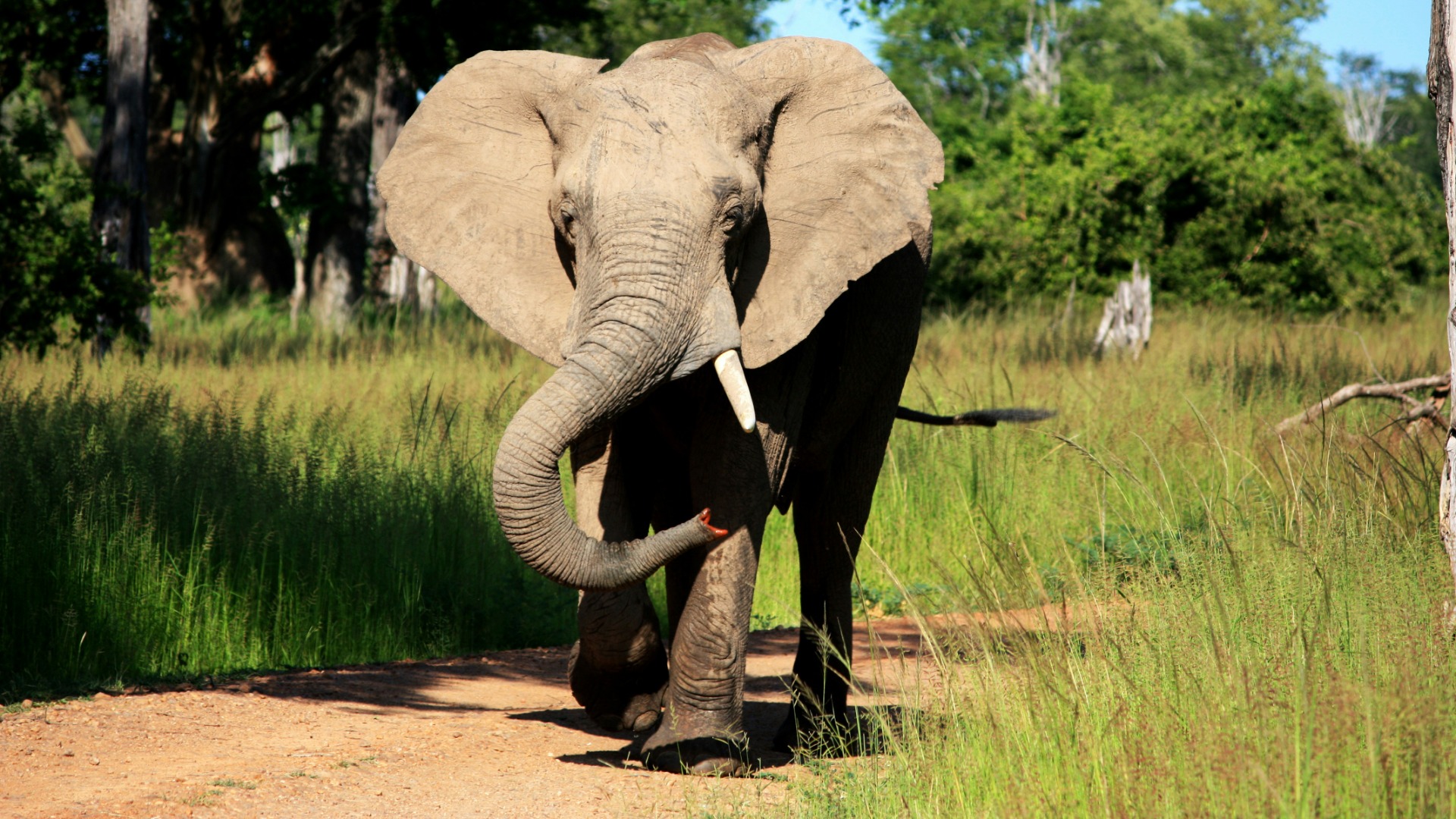
Lions flicking their tails rapidly or staring directly at the vehicle signal discomfort that requires immediate retreat. Elephants spreading their ears wide, lifting their trunks, or foot-shaking indicate rising stress levels that experienced guides recognise instantly. Rhinos, with notoriously poor eyesight, rely heavily on scent and hearing; a sudden head-up posture often means they have detected something unusual.
Buffalo demonstrate their formidable nature through ear positioning and foot-stamping, while leopards may freeze or melt into cover when feeling observed. Learning these signals transforms passive viewing into active understanding, creating deeper appreciation for the animals' perspectives.
Essential Field Techniques for Different Species
Each member of the Big Five demands slightly different approaches. With elephants, remaining downwind proves crucial as their sense of smell dwarfs their eyesight. When watching a breeding herd, focus on the matriarch's body language as she determines the group's response to your presence. Never position yourself between a mother and calf, even at considerable distance.
Lion viewing benefits from arriving before dawn when prides are most active. Staying with a coalition as they patrol territorial boundaries offers insights into their social dynamics that midday sightings rarely provide. For leopards, understanding their preference for thick cover and their crepuscular habits helps guides position vehicles near likely resting spots without disturbance.
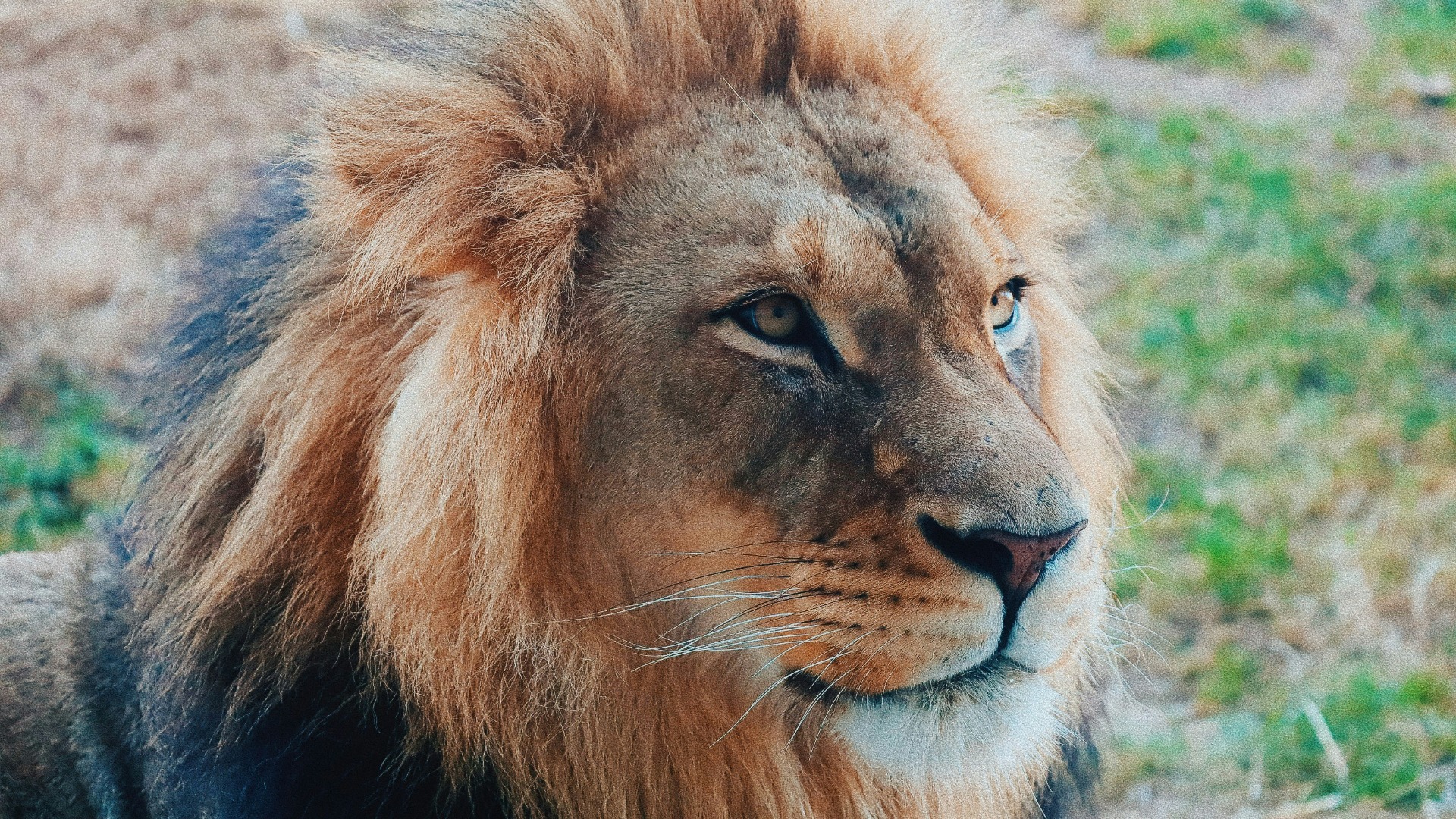
In the golden light of a Kenyan dawn, a lioness's amber gaze carries the weight of millennia of evolution, reminding us that we are privileged observers in a world that existed long before our cameras arrived.
Special Considerations for Black Rhino
Black rhinos, with fewer than 700 individuals remaining in Kenya, require the most cautious approach of all. Many conservancies limit vehicle numbers to two per sighting and enforce strict time limits. Maintaining distance becomes especially important during breeding seasons when males become particularly territorial.
Guides often use radio communication to coordinate sightings discreetly, ensuring animals experience minimal cumulative pressure throughout the day. Some properties have installed special viewing hides that allow travellers to observe rhinos at waterholes without any vehicle presence, offering exceptional opportunities for patient observers.
Photography Ethics and Technical Considerations
While capturing memorable images forms part of many travellers' goals, ethical photography prioritises the animal's comfort over the perfect frame. Using longer lenses (at least 300mm) allows you to fill the frame without encroaching on personal space. Switching off autofocus beep sounds and using silent shutter modes prevents startling easily disturbed species.
Respecting the 'no flash after dark' rule protects animals' night vision and prevents disruption of natural behaviours. When photographing herds, including the surrounding landscape in wider shots communicates the context of their environment far more powerfully than tightly cropped portraits. Supporting lodges that maintain photographic hides, such as those in the Laikipia region, provides opportunities for frame-filling images from fixed, unobtrusive positions.
Common Mistakes to Avoid
Standing up in the vehicle dramatically changes the silhouette presented to wildlife and should be avoided except in designated areas. Loud conversation, even in whispers, carries further than most realise across open plains. Attempting to imitate animal calls or using apps to attract attention demonstrates a fundamental misunderstanding of responsible wildlife viewing.
Following predator kills requires particular restraint; vehicles should never surround a fresh carcass in ways that prevent hyenas or vultures from approaching. The goal remains allowing natural processes to continue with minimal human interference.
What Is the Best Way to Track Kenya's Big Five Responsibly?
The most effective approach combines several key elements: travelling with experienced guides from reputable operators, maintaining respectful distances, learning to read animal signals, and supporting conservation through park fees and community initiatives. The dry season between July and October generally offers the most consistent viewing in the Masai Mara, while February through April provides excellent opportunities in Laikipia and Samburu with fewer visitors.
Choosing conservancies rather than solely national parks often results in more intimate experiences because visitor numbers are strictly limited. Properties like those in the Ol Pejeta Conservancy demonstrate how tourism revenue directly funds rhino protection, with black rhino numbers increasing by over 30% in the past decade through such models. Always verify that operators contribute to verified conservation projects rather than simply operating in scenic locations.

Supporting Conservation Through Your Safari Choices
Every decision during planning carries potential conservation impact. Selecting camps that employ local community members, source produce from nearby farms, and maintain transparent carbon reduction policies strengthens the link between tourism and protection. Many conservancies now allocate a percentage of bed-night revenue directly to anti-poaching units and community development projects.
Participating in citizen science projects, such as contributing wildlife sightings to research databases, extends the value of your journey beyond personal memories. Some lodges offer opportunities to meet researchers studying specific species, providing context that transforms a game drive into a deeper learning experience. By choosing operators who demonstrate measurable impact, travellers become active participants in the landscapes they visit.
Recent data from the Kenya Wildlife Service shows that conservancy models have helped stabilise lion populations in key areas where they had previously declined. When travellers understand these connections, their choices carry greater significance than simply checking animals off a list.
Planning Your Responsible Kenyan Safari
Creating a meaningful journey requires balancing different ecosystems to experience the full spectrum of Kenya's wildlife. Combining the predator-rich plains of the Masai Mara with the endangered species focus of Laikipia and the dramatic landscapes of Tsavo creates a comprehensive understanding of the challenges facing conservation today. A well-paced itinerary allows time for quality sightings rather than rushing between locations.
Encounters Africa specialises in designing these carefully considered journeys. For discerning travellers seeking a private safari beyond our set itineraries, we invite you to contact us directly. We specialise in designing exceptional, tailor-made journeys for individuals, couples, families, and private groups of up to eight guests. Drawing on our handpicked network of distinguished camps and lodges, we curate every detail with precision and care, creating a seamless, deeply personal safari experience shaped entirely around your preferences, pace, and budget.
Whether you wish to spend extended time with habituated elephant herds in northern Kenya or track black rhinos on foot with expert guides in the central highlands, our team can craft an itinerary that respects both your desires and the animals' needs. The decisions you make before departure determine not only the quality of your experience but also the legacy you leave behind.
Reach out today via our enquiry form to begin designing a Kenyan safari that honours the wild spaces and magnificent creatures that continue to define this extraordinary country. Your journey can contribute meaningfully to their future while creating memories that resonate long after the dust of the Mara has settled on your boots.
More like this
Tips & Advice
Smart Strategies for Staying Secure as a Solo Woman in Cape Town, Nairobi and Johannesburg
Tips & Advice
Smart Ways to Navigate Zimbabwean Safaris Without Missing Key Details
Tips & Advice
Stretch Every Dollar Across Africa: Backpacker Strategies That Actually Work
Tips & Advice
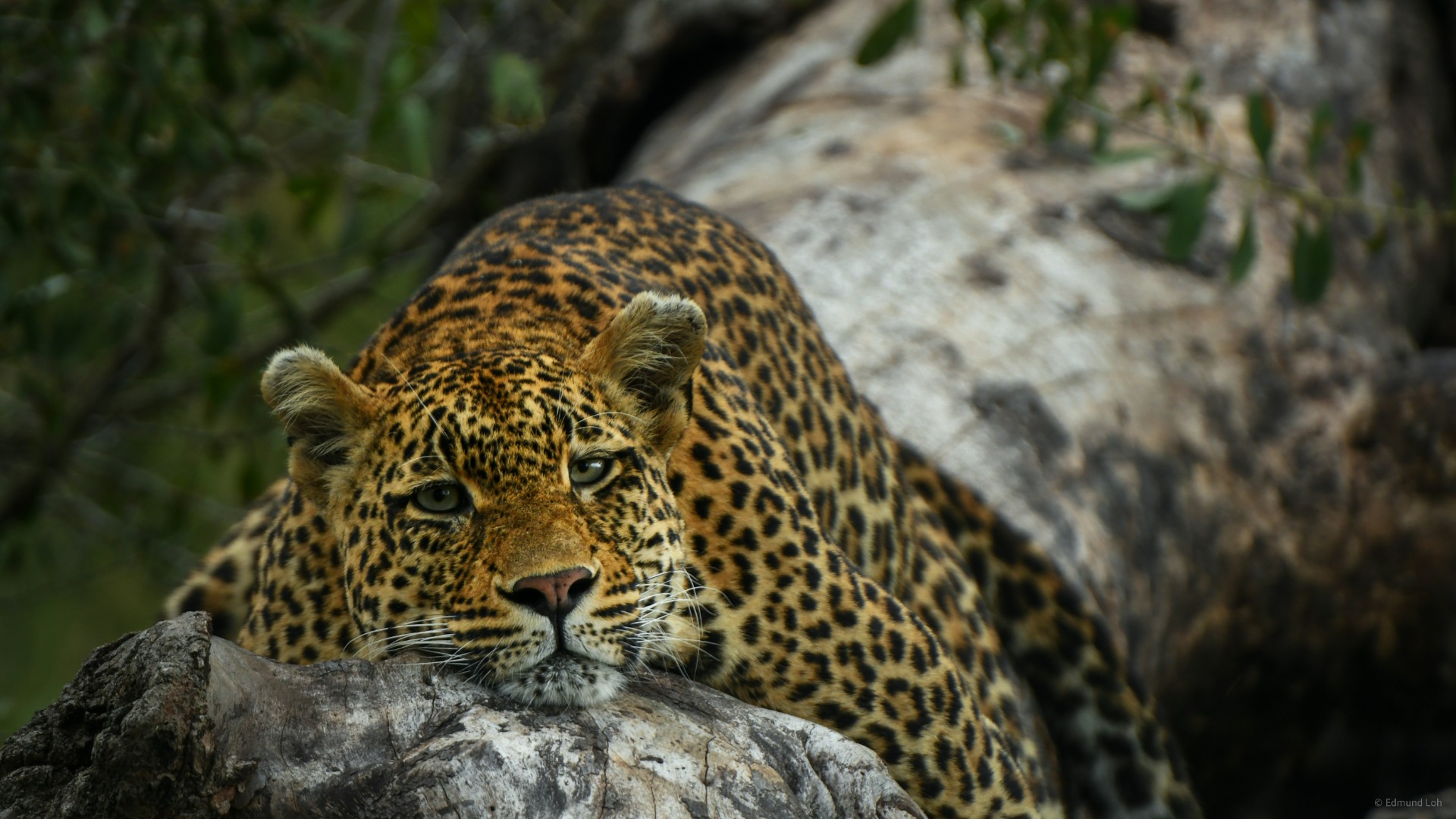
The Quiet Signals Kenyan Leopards Send When You Least Expect Them
Tips & Advice
Visa Rules for East Africa: How the Univisa Simplifies Multi-Country Travel
Tips & Advice