Tips & Advice
The Quiet Signals Kenyan Leopards Send When You Least Expect Them
Encounters Africa - 12 min read
Updated on 25 June 2026
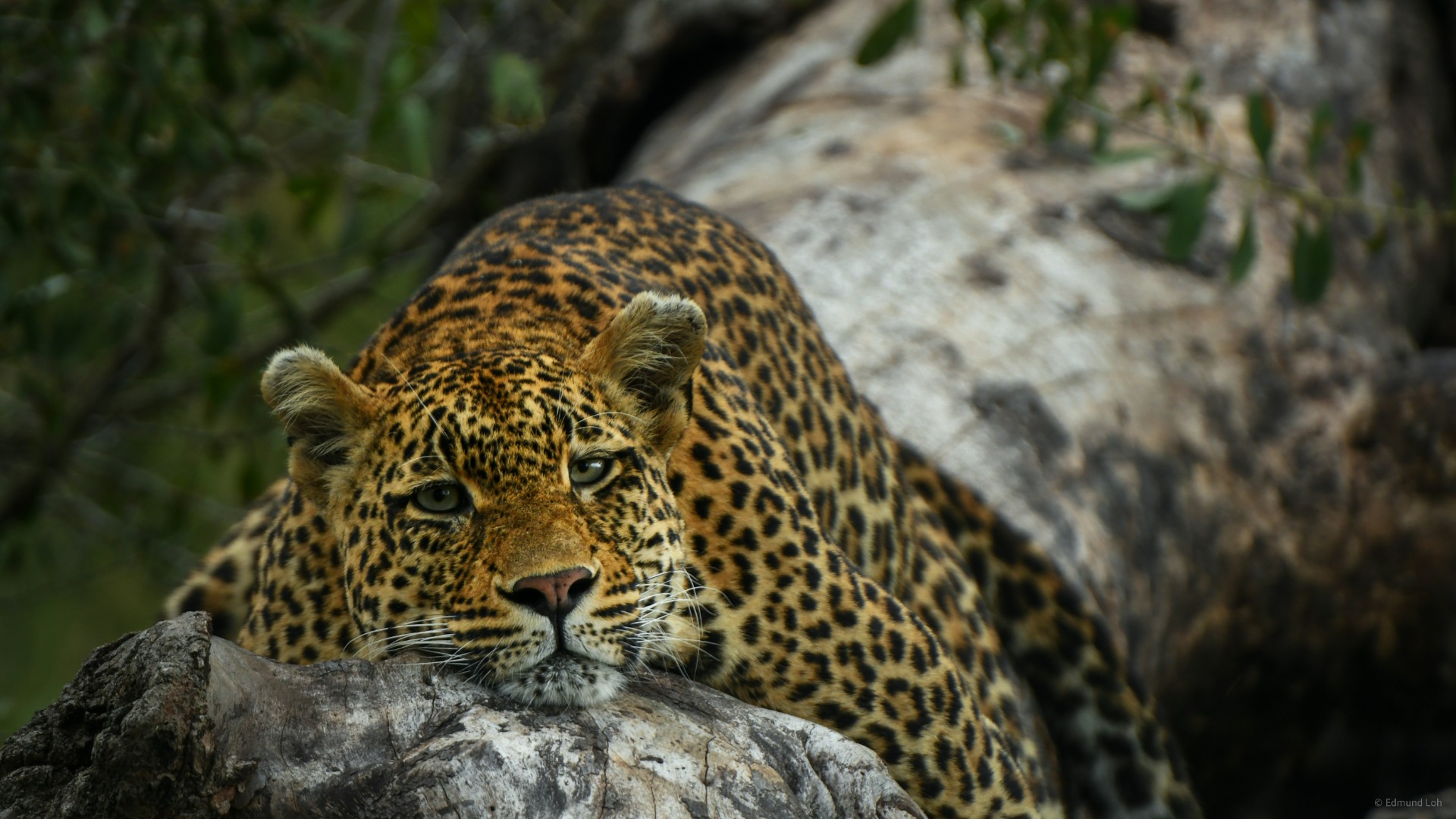
Leopards move like liquid shadow across the acacia-dotted plains of Kenya. This piece shares precise Kenyan wildlife tips and advice on reading subtle cues such as tail flicks and ear positions, helping you anticipate their next move while maintaining ethical observation standards. For Kenya travellers, understanding these quiet signals transforms fleeting glimpses into profound connections with one of Africa's most elusive big cats.
With roughly 2,500 to 3,000 leopards scattered across Kenya's diverse landscapes, from the Masai Mara to the Laikipia plateau, these solitary hunters leave few obvious traces. Yet their presence shapes entire ecosystems. Encounters Africa has guided thousands of visitors through these spaces, teaching them to interpret the almost invisible language that leopards use to communicate everything from mild curiosity to outright irritation.
The flick of a leopard's tail in the Kenyan bush carries more meaning than most Kenya travellers realise. Learning to read these signals not only deepens your wildlife experience but protects both you and the animal from unnecessary stress.
Understanding Leopard Behaviour in Kenyan Landscapes
Kenyan leopards have adapted to environments ranging from open savannah to dense riverine forest. In the Masai Mara, they favour the scattered croton thickets and rocky kopjes that offer both vantage points and escape routes. Further north in Laikipia, they navigate acacia woodlands where visibility changes dramatically with the seasons.
Most activity occurs during the cooler hours. Between 5:30pm and 7am, leopards cover an average of four to six kilometres while patrolling territories that can span 30 square kilometres for males. During the day they typically rest in trees or dense vegetation, conserving energy for the hunt. This crepuscular pattern explains why many game drives yield empty branches at midday but deliver heart-stopping sightings at first and last light.
Understanding these rhythms forms the foundation of sound Kenyan wildlife tips and advice. A leopard that has just fed will often lounge for up to three days near its kill, offering patient observers extended viewing opportunities if approached correctly.
The Importance of Reading Body Language
Leopards communicate primarily through posture, ear position, and tail movement rather than vocalisation when in close proximity to vehicles. A relaxed leopard carries its tail in a gentle downward curve, occasionally flicking the tip in a slow, almost lazy rhythm. This signal often indicates the cat is aware of your presence but not concerned by it.
When a leopard's ears rotate forward and its tail begins whipping from side to side in sharp, rapid strokes, it is expressing irritation. At this point, responsible Kenya travellers should request their guide to create more distance immediately. Continuing to approach risks stressing the animal and potentially altering its natural behaviour patterns for future observers.

A leopard's ears tell stories that its spotted coat never could. When those black-tipped triangles swivel backwards while the eyes remain fixed on your vehicle, it is time to depart the scene with gratitude rather than linger for one more photograph.
Essential Tips and Advice for Kenya Travellers Seeking Leopards
Successful leopard viewing begins long before you spot the first rosette. Choosing the right concession makes an enormous difference. Private conservancies bordering the Masai Mara National Reserve typically support lower vehicle densities, allowing for more intimate encounters. Properties like those in the Mara North Conservancy or Olare Motorogi Conservancy offer exceptional opportunities because their regulations limit the number of vehicles per sighting to a maximum of three.
Timing matters tremendously. The long dry season from July to October concentrates prey around remaining water sources, making leopard movements more predictable. However, the shorter rains between November and December often produce the most dramatic sightings as the cats take advantage of the lush new growth that hides both predator and prey.
Always travel with an experienced guide who knows the individual leopards in their area. Many have been following the same animals for years and can identify them by their unique spot patterns. This knowledge allows them to anticipate where a particular female might cache her cubs or where a male is likely to make his next patrol.
Vehicle Positioning and Ethical Observation
The position of your safari vehicle can dramatically affect a leopard's comfort level. Never approach from directly ahead or behind if possible. Instead, position at an angle that allows the cat clear escape routes while offering you excellent viewing perspectives. In the Masai Mara, skilled drivers maintain a minimum distance of 25 metres from leopards on the ground and 15 metres when they are in trees, though many guides prefer even greater distances to ensure zero disturbance.
Engine noise should remain consistent. Sudden acceleration or switching off the vehicle can startle these highly attuned cats. If a leopard begins to move away, resist the urge to follow immediately. Often they will circle back if given space and time.
Binoculars prove more valuable than cameras for initial observation. Taking time to study the animal through optics before reaching for your telephoto lens helps you notice subtle shifts in behaviour that might otherwise go unnoticed. This measured approach embodies the best Kenyan wildlife tips and advice we share with our guests.
What the Tail Really Tells You
A leopard's tail serves as both balance mechanism and communication device. When hunting, the tail remains almost completely still, with only the very tip making minute adjustments. This frozen posture often precedes a sudden explosion of movement as the cat launches its ambush.
During relaxed moments in a tree, leopards frequently drape their tails over a branch, allowing it to hang vertically. A gentle swaying of this hanging tail usually indicates contentment. However, if the tail begins to curl at the end while the leopard stares intently at something below, it may be assessing potential prey or another predator in its territory.
One of the most telling signals occurs when a leopard is approached too closely while feeding. The tail will rise almost vertically before thrashing from side to side with increasing intensity. At this point, the animal is communicating clear displeasure. Knowledgeable guides will immediately suggest repositioning the vehicle to a more respectful distance.
In the golden light of a Kenyan evening, a leopard's tail writes poetry against the sky. Learning to read each chapter before it ends creates memories that last far longer than any photograph.
Ear Positions and Their Hidden Meanings
Leopard ears function like sophisticated radar dishes, constantly adjusting to capture sounds from every direction. When both ears face forward with slight tension in the facial muscles, the cat is focused and potentially considering its options. This posture often appears when they first notice a vehicle but have not yet decided whether it poses any threat.
Ears flattened backwards against the head represent the highest level of agitation. Combined with a fixed stare and dilated pupils, this position signals that the leopard feels threatened. Kenya travellers should treat this combination as an urgent request for space. In our experience guiding across multiple conservancies, respecting these signals consistently leads to longer, more relaxed sightings as the animals learn that vehicles pose no danger when their communication is heeded.
Partially rotated ears, where one faces forward and the other sideways, often indicate the leopard is monitoring multiple stimuli simultaneously. This commonly occurs near water sources where prey, rival predators, and vehicles might all demand attention at once.
Reading the Full Picture
Body language involves more than isolated movements. The combination of tail position, ear orientation, whisker tension, and overall posture creates a complete message. A leopard lying on its side with its tail gently curled and ears in a neutral position presents an ideal viewing opportunity. Conversely, a cat standing with weight balanced on its forelegs, tail lashing, and ears pricked sharply forward is preparing to move away.
Experienced guides teach their guests to observe the entire animal rather than focusing solely on the face. The way a leopard carries its shoulders, the tension in its haunches, and even the position of its paws all contribute to understanding its current state of mind.

Seasonal Considerations for Leopard Viewing in Kenya
Each season brings different opportunities for observing Kenyan leopards. During the wildebeest migration between July and October, leopards in the Masai Mara become more visible as they capitalise on the abundance of prey. However, this period also sees higher visitor numbers, making private conservancies particularly valuable for those seeking undisturbed encounters.
The green season from November to May offers fewer crowds and the chance to witness intimate moments between mothers and cubs. Vegetation is thicker, requiring sharper observation skills, but the rewards include witnessing leopard cubs learning to hunt and climb. Cubs typically remain with their mothers for 18 to 24 months, providing an extended window for these special sightings.
After the long rains, when the grass stands tall and golden, leopards often use the cover to move between hunting grounds. This is when their tree-climbing abilities become most apparent, as they ascend to scan the landscape from above the vegetation line.
Common Questions About Leopard Behaviour in Kenya
How do I know if a leopard is stressed by my presence?
Look for rapid tail movement from side to side, ears pinned back, and direct staring. If you notice these signs, ask your guide to increase the distance. A comfortable leopard will either ignore you or display relaxed body language with slow tail flicks and neutral ear positions.
What is the best time of day to see leopards in Kenya?
Early morning between 6am and 9am and late afternoon from 4pm until dark offer the highest probability. Leopards are most active during these periods, and the angled light creates perfect conditions for both observation and photography.
Should I use a spotlight at night?
Many conservancies permit the use of spotlights with red filters after dark. These cause minimal disturbance while allowing you to observe nocturnal behaviour. Always follow your guide's lead regarding appropriate usage and duration.
Supporting Conservation Through Responsible Viewing
Every Kenya traveller who practices ethical leopard viewing contributes to the species' future. Revenue from well-managed wildlife tourism helps fund anti-poaching initiatives, habitat protection, and community development programmes that reduce human-wildlife conflict. In Laikipia, several conservancies have successfully decreased retaliatory killings of leopards by involving local communities in tourism benefits.
Choosing operators who prioritise responsible practices makes a tangible difference. Encounters Africa works exclusively with camps and conservancies that maintain strict viewing protocols and support long-term monitoring projects. These partnerships ensure that leopard populations remain stable while providing meaningful economic alternatives to practices that might harm wildlife.
Consider extending your journey beyond standard game drives. Many conservancies offer walking safaris with highly trained guides who can teach you to recognise leopard tracks, scent marking stations, and cached kills. These experiences deepen your understanding while generating additional revenue for conservation.
True connection with Kenyan leopards comes not from proximity but from presence. When you learn to sit quietly in their world, respecting the signals they send, the bush reveals secrets that rushed encounters never yield.
Preparing for Your Leopard Encounters
Before departing on safari, familiarise yourself with basic leopard identification. The rosette patterns on their coats are as unique as fingerprints. Males tend to be larger with thicker necks, while females often appear more slender. Cubs display darker, more crowded spotting that gradually lightens with age.
Pack appropriate clothing in muted colours that blend with the environment. Avoid bright whites, reds, or blues that might stand out against the Kenyan landscape. Neutral khakis, soft greens, and gentle browns help you remain unobtrusive during extended sightings.
Most importantly, cultivate patience. Some of the most memorable leopard encounters happen after hours of quiet waiting. The animal that appears after everyone else has suggested moving on often rewards those who chose to remain still and observant.
Transforming Your Understanding of Kenyan Leopards
The quiet signals Kenyan leopards send when you least expect them offer a masterclass in wild communication. From the subtle twitch of an ear to the deliberate curl of a tail, these magnificent cats share their world with those willing to listen. By following these Kenyan wildlife tips and advice, you move beyond simple observation toward genuine connection.
Whether watching a mother carefully carry her cub to a new den site or witnessing a young male marking his territory at dusk, each encounter becomes richer when viewed through the lens of understanding and respect. The leopards of Kenya have much to teach us about patience, power, and presence if we approach them on their terms.
For discerning travellers seeking a private safari beyond our set itineraries, we invite you to contact us directly. We specialise in designing exceptional, tailor-made journeys for individuals, couples, families, and private groups of up to eight guests. Drawing on our handpicked network of distinguished camps and lodges, we curate every detail with precision and care, creating a seamless, deeply personal safari experience shaped entirely around your preferences, pace, and budget.
Begin your journey with Kenya by exploring our Kenya safari collection, where each itinerary incorporates the latest insights into responsible wildlife viewing. Or discover the magic of Elewana Elephant Pepper Camp in the heart of the Masai Mara, where leopard sightings form part of the daily rhythm of life in camp. Whatever your vision, we stand ready to craft an experience that honours both your expectations and the wild hearts of Kenya's leopards.
More like this
Tips & Advice
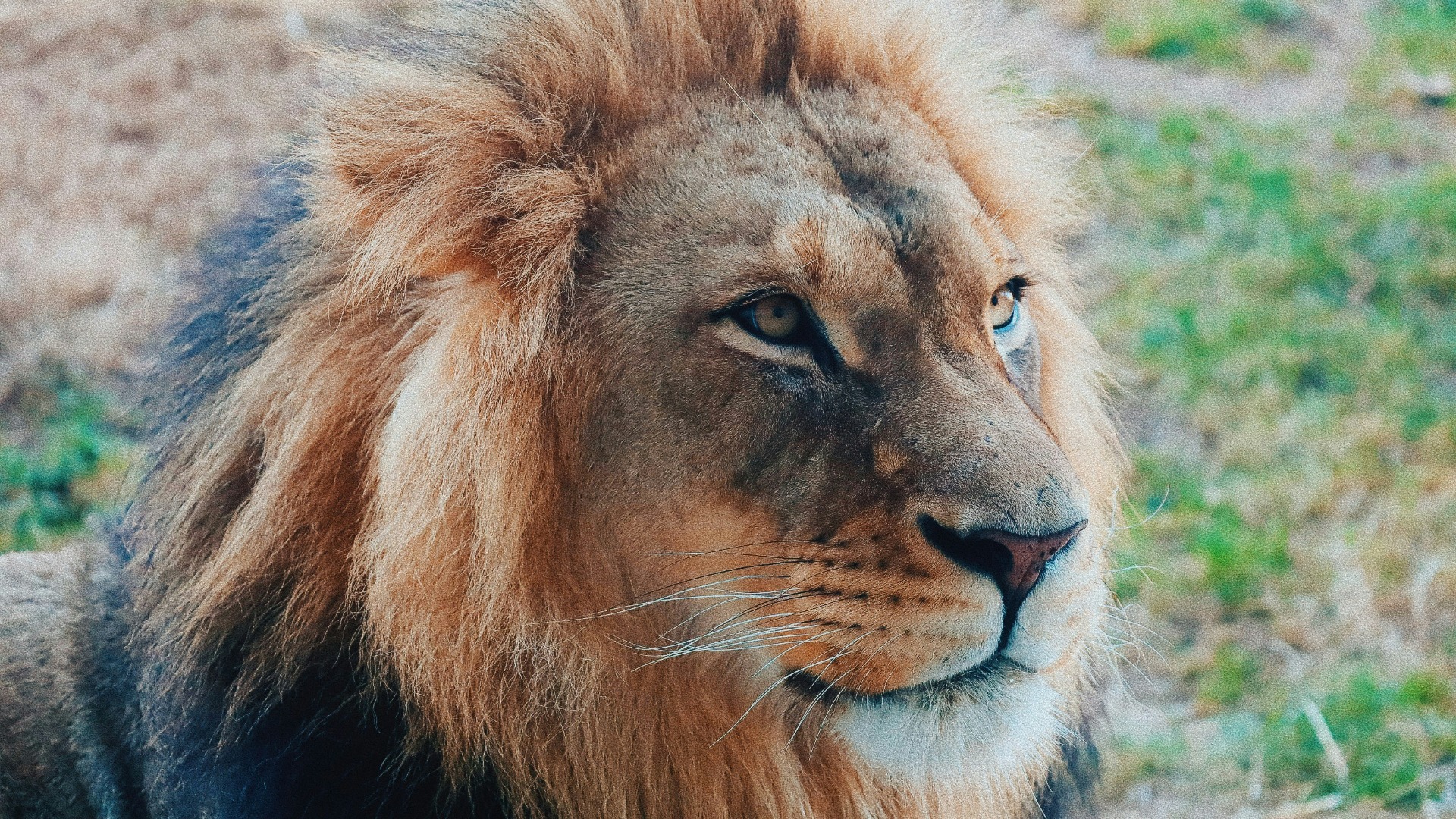
Visa Rules for East Africa: How the Univisa Simplifies Multi-Country Travel
Tips & Advice
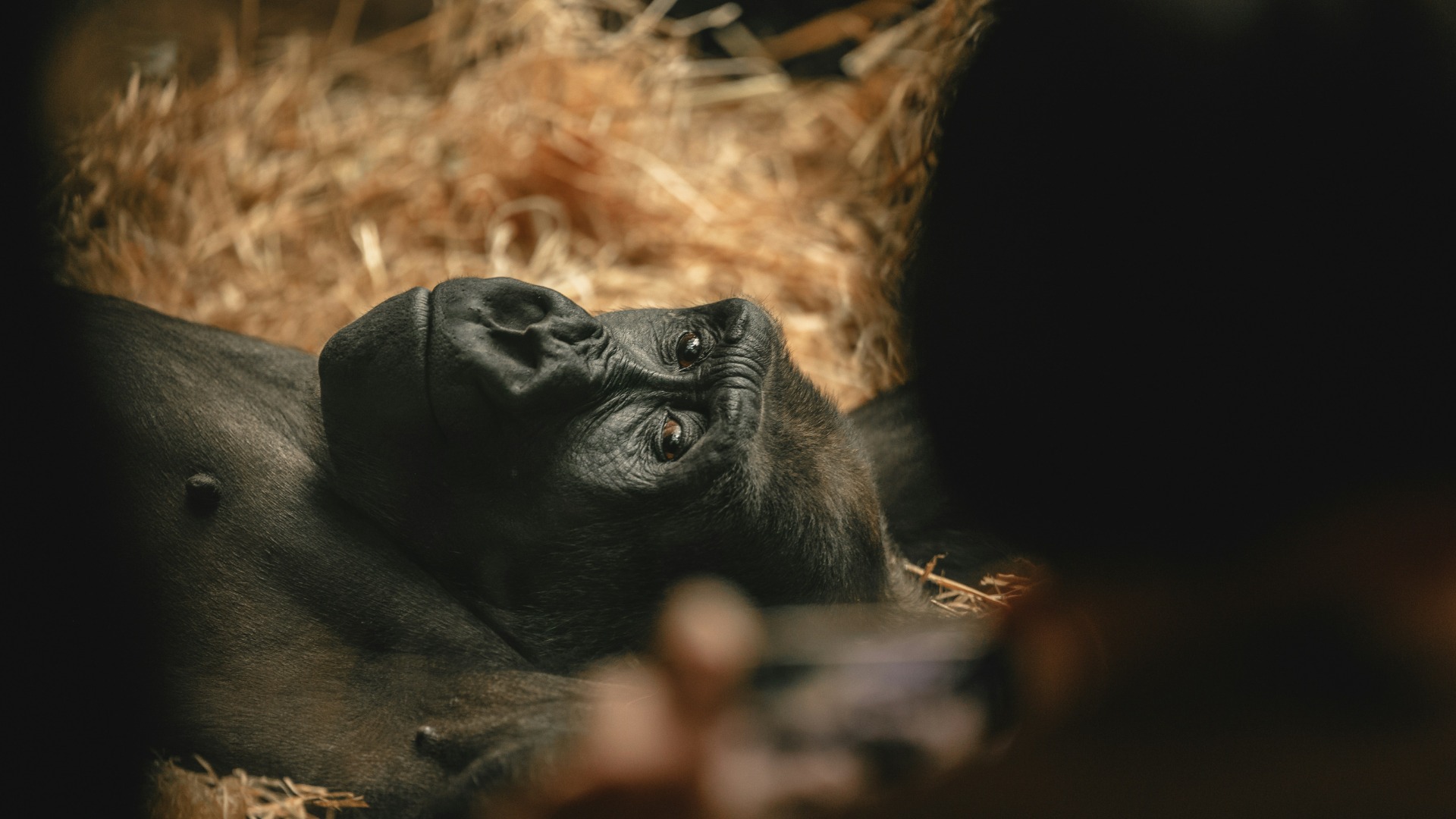
What a Single Forest Walk Taught Me About Approaching Rwandan Gorillas
Tips & Advice
What a Typical Day Feels Like Inside Botswana's Premier Safari Lodges
Tips & Advice
What Actually Happens Inside a Luxury African Lodge on Any Given Day
Tips & Advice
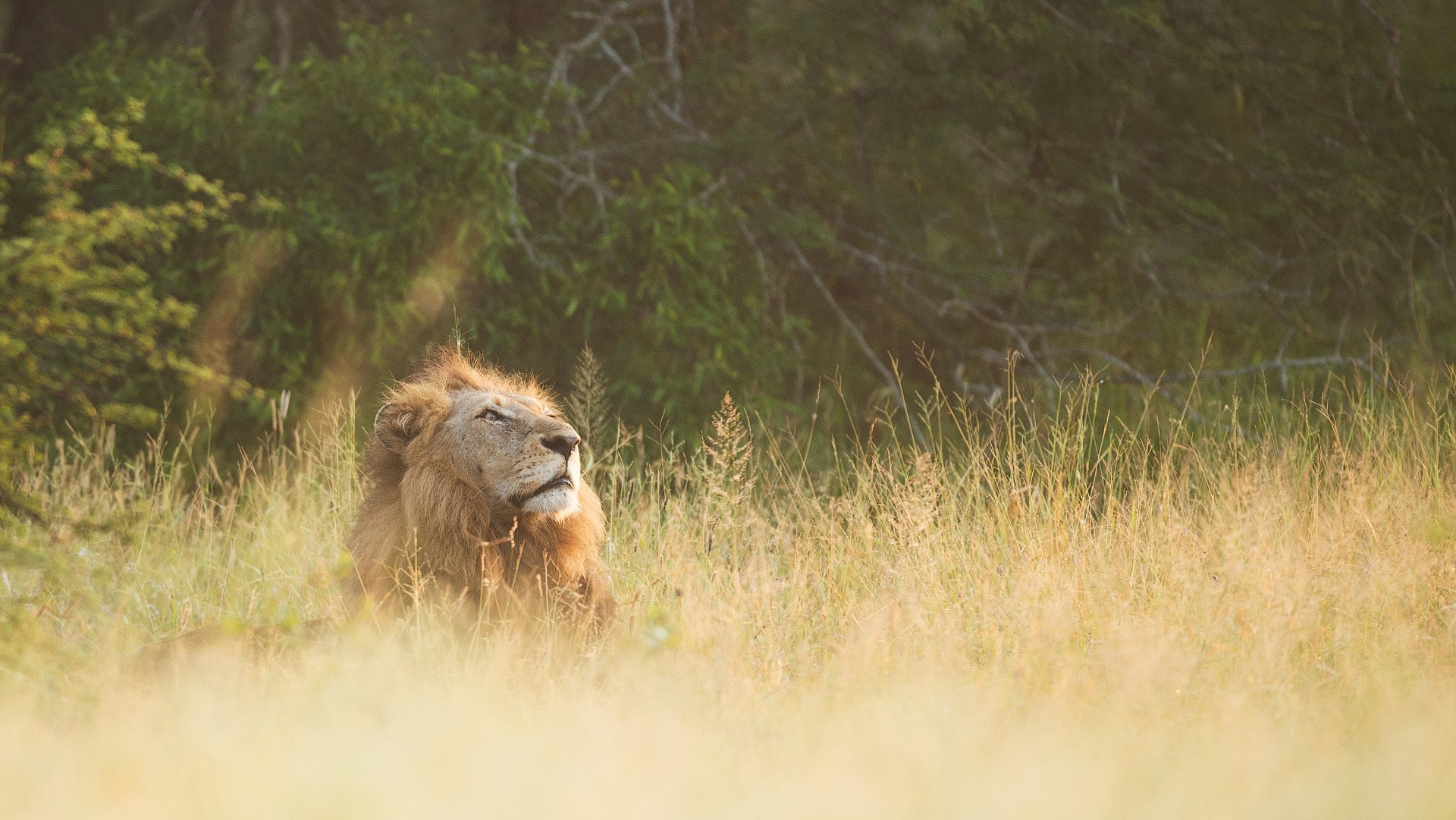
What Actually Happens When You Approach a Lion Pride at First Light
Tips & Advice