Tips & Advice
What a Single Forest Walk Taught Me About Approaching Rwandan Gorillas
Encounters Africa - 10 min read
Updated on 20 July 2026
Tips and advice for wildlife encounters in Rwanda reveal themselves most clearly when you step away from expectations and into the quiet discipline of the forest. One quiet morning in Nyungwe’s canopy walkway shifted how I observe primates and forest birds, teaching lessons that now inform every journey we design at Encounters Africa. This narrative piece blends personal experience with clear guidance on permits, guides, clothing layers, and reading weather patterns for richer encounters with Rwanda’s remarkable biodiversity.
Rwanda offers layered wildlife experiences across its national parks, from the misty slopes of Volcanoes National Park where mountain gorillas roam to the open savannas of Akagera and the ancient forests of Nyungwe. A single forest walk can transform how you approach these environments, emphasising patience, respect, and attentiveness over hurried observation. The country’s conservation success stories, including a 30 percent increase in mountain gorilla numbers since 2010, stem directly from mindful visitor practices that support long-term protection.
The Morning That Changed My Perspective in Nyungwe Forest
The mist clung to the canopy like breath on glass as our small group climbed the metal suspension bridge 60 metres above the forest floor. Below us, colobus monkeys moved through the branches with startling grace, their black-and-white coats flashing against the green. What struck me most was not the height or the views, but the guide’s gentle instruction to breathe slowly and match our rhythm to the forest’s own pace.
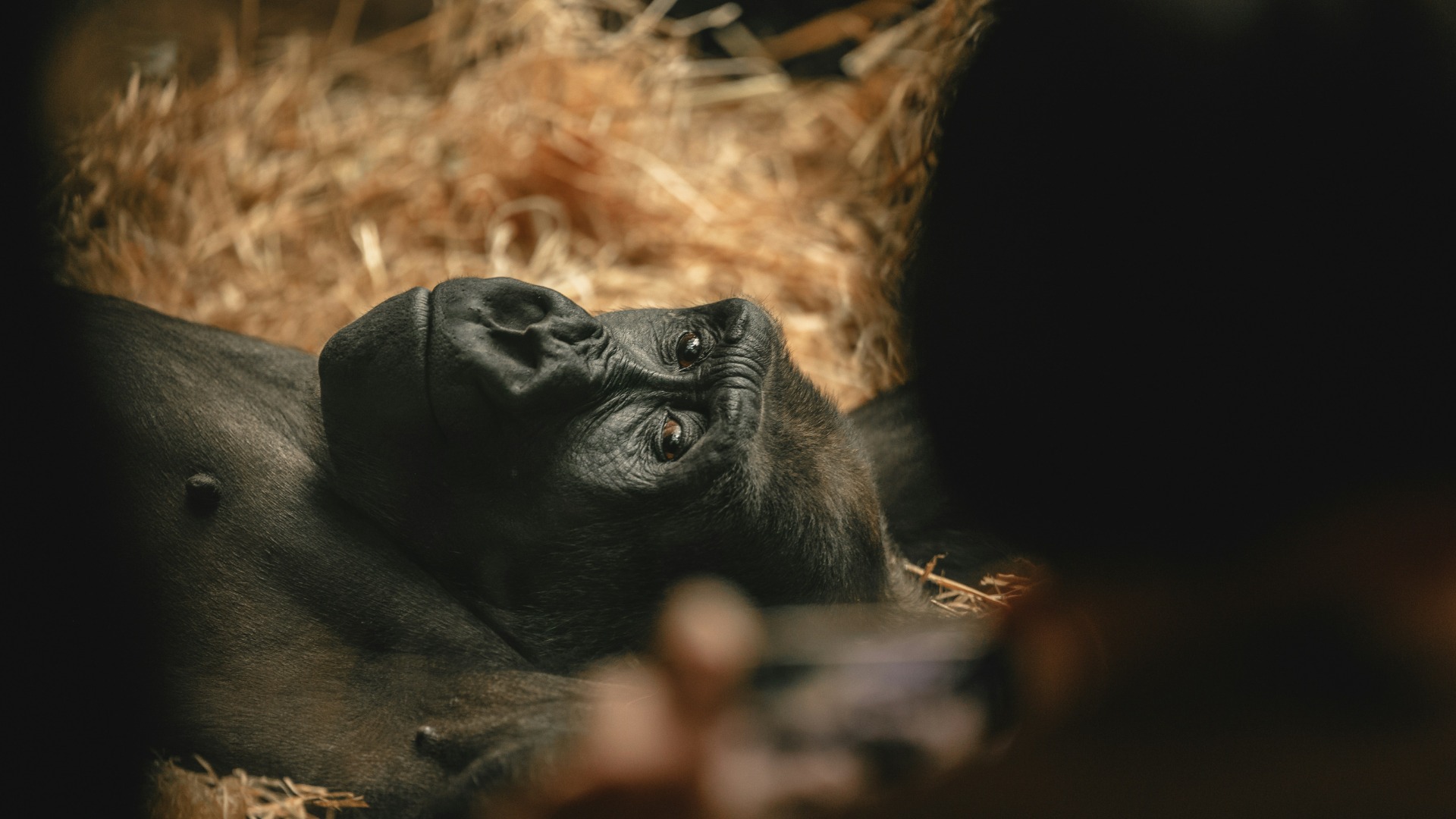
That single forest walk taught me that approaching Rwandan gorillas, or any of the country’s primates, begins long before you meet them. It starts with understanding that these environments reward those who arrive prepared to listen rather than simply to see. The experience stayed with me through subsequent visits to Volcanoes National Park, where the lessons from Nyungwe proved equally valuable among the bamboo and hagenia forests.
In the silence between footfalls, the forest reveals what hasty visitors miss entirely.
Reading the Forest’s Subtle Language
Our guide pointed out how the sudden silence of turacos signalled a nearby predator, while the soft grunts of chimpanzees carried differently through the damp air. These auditory cues became my new compass. Learning to distinguish between alarm calls and contact calls transformed passive viewing into active participation in the ecosystem’s ongoing conversation.
Weather patterns in Rwanda’s highlands shift rapidly, with afternoon rains arriving almost like clockwork between March and May. Recognising these patterns allows you to time your forest walks when wildlife is most active, typically in the cooler morning hours before 11am. This knowledge, gathered over years of guiding, forms the foundation of responsible wildlife encounters that minimise disturbance while maximising connection.
Essential Tips and Advice for Wildlife in Rwanda’s National Parks
Tips and advice for wildlife viewing in Rwanda must account for the country’s three distinct ecosystems, each demanding its own approach. Whether tracking gorillas in the Virunga Mountains, observing lions in Akagera’s grasslands, or seeking chimpanzees in Nyungwe’s 1,000-square-kilometre forest, preparation shapes every outcome. The most rewarding experiences come when travellers understand both the practical requirements and the deeper etiquette that governs respectful observation.
Permits represent the first and most important booking consideration. Gorilla trekking permits in Volcanoes National Park cost $1,500 per person for non-residents and must be secured through the Rwanda Development Board, often months in advance. Golden monkey permits are more accessible at $100, while chimpanzee tracking in Nyungwe requires a different permit system entirely. Booking through a specialist like Encounters Africa ensures these administrative details align with your overall journey.

Preparation is not about controlling nature but about positioning yourself to meet it on its own terms.
Clothing and Equipment That Respects the Environment
Layering becomes essential in Rwanda’s variable climate, where temperatures can drop from 25°C in the lowlands to 10°C at higher elevations within hours. Lightweight, quick-drying trousers in muted greens and browns blend with the vegetation while protecting against nettles and insects. Long-sleeved shirts guard against mosquitoes carrying malaria, a consideration particularly relevant between October and May.
Sturdy hiking boots with good ankle support prove invaluable on the muddy trails of Volcanoes National Park, where slopes can reach 45-degree angles. A waterproof jacket and gaiters complete the ensemble, while binoculars with 8x or 10x magnification allow detailed observation without encroaching on the 7-metre minimum viewing distance required for gorillas. Packing these items thoughtfully demonstrates respect for both the wildlife and the challenging terrain they inhabit.
Understanding Gorilla Trekking Protocols and Etiquette
The rules governing gorilla encounters exist to protect both the animals and the people who visit them. Groups are limited to eight visitors per gorilla family, with encounters strictly timed to one hour. These regulations, introduced in the 1990s, have contributed to the steady population growth from approximately 250 individuals in the 1980s to over 1,000 today across the Virunga massif.
Approaching Rwandan gorillas requires maintaining that crucial 7-metre distance, avoiding direct eye contact that might be interpreted as a threat, and never using flash photography. If a gorilla charges, the correct response is to crouch down, look away, and wait for the guide’s instructions. These protocols, while seemingly restrictive, create the conditions for the profound, peaceful encounters that make Rwanda’s gorilla trekking world-renowned.
What to Expect on Your First Gorilla Trek
The physical demands vary significantly between gorilla families. Some require only 30 minutes of walking while others involve several hours of steep climbing through dense vegetation. Fitness preparation should include regular hill walking for at least two months before your journey. Our team at Encounters Africa provides detailed briefings tailored to each family’s typical ranging patterns.
Guides undergo rigorous training, often holding certifications in both ecology and first aid. Their ability to interpret gorilla behaviour, from chest-beating displays to gentle vocalisations, enriches every encounter. The most memorable moments often occur not with the silverbacks but in watching a young gorilla curiously observing the human visitors who have come to see them.
Seasonal Considerations and Optimal Timing for Rwandan Wildlife
The best time to visit Rwanda for gorilla trekking runs from June to September and December to February, when rainfall decreases and trails become more manageable. However, the shoulder months of March, April, October and November offer advantages for those seeking fewer crowds and lower accommodation rates. During these periods, the forests burst with new growth, attracting different bird species and altering primate foraging patterns in fascinating ways.
Akagera National Park presents a different seasonal rhythm, with the dry months from June to September concentrating wildlife around water sources. The park’s 1,200 square kilometres support approximately 500 elephants, 100 lions, and the only population of black rhinos in Rwanda. Visiting during these drier periods improves game viewing while reducing the likelihood of getting vehicles stuck in black cotton soil after rains.
Each season in Rwanda writes its own chapter in the wildlife story, rewarding those patient enough to read between the lines.
Weather Patterns and Their Impact on Wildlife Behaviour
Rwanda’s equatorial location creates two distinct rainy seasons that profoundly influence animal movements. The long rains from March to May bring dramatic afternoon thunderstorms, while the shorter October to December rains tend to be lighter and more intermittent. Understanding these patterns helps predict where animals will gather and when they will be most active.
In Nyungwe, the wetter months see increased insect activity, drawing more birds and primates into view. Conversely, the drier periods make the canopy walkway experience more comfortable while concentrating larger mammals around permanent water sources. This knowledge, refined through years of observation, allows for more strategic planning of your daily activities.
Beyond Gorillas: Discovering Rwanda’s Richer Wildlife Tapestry
While mountain gorillas command much attention, Rwanda’s wildlife diversity extends far beyond its famous primates. Nyungwe Forest alone harbours 13 primate species, including the endangered owl-faced monkey, alongside 300 bird species and over 1,000 plant varieties. The forest’s 75 orchid species bloom most spectacularly after the rains, creating natural spectacles that rival any savanna migration.
Akagera offers classic big game viewing with a Central African twist. The park’s introduction of lions in 2015 and subsequent population growth to around 40 individuals by 2023 demonstrates successful rewilding efforts. Boat safaris on Lake Ihema provide exceptional opportunities to observe hippos, crocodiles, and the spectacular diversity of waterbirds that includes rare species like the shoebill stork.
Supporting Conservation Through Responsible Travel
Every visitor to Rwanda’s protected areas contributes directly to conservation through park fees and community projects. The revenue from gorilla permits has funded education programmes, healthcare initiatives, and alternative livelihood projects for communities living near the national parks. This model of community involvement has been crucial to reducing poaching and habitat encroachment.
Choosing operators who work closely with local guides and conservation organisations amplifies your positive impact. At Encounters Africa, we partner with initiatives that support ranger training, habitat restoration, and environmental education for local schoolchildren. These connections transform a wildlife journey from simple observation into meaningful contribution.

Practical Tips and Advice for Wildlife That Enhances Every Encounter
Successful wildlife experiences in Rwanda depend on several key practices that many visitors overlook. Moving quietly through the forest, speaking in whispers, and avoiding sudden movements allows you to witness natural behaviours rather than flight responses. The most rewarding sightings often come to those who can remain still and patient for extended periods.
Binoculars should be kept accessible but not constantly raised to your eyes, as this can create a barrier between you and the experience. Instead, use them selectively to study details after first observing with the naked eye. This approach fosters a deeper connection with the environment and its inhabitants.
Common Questions About Visiting Rwandan Wildlife
What is the best time to visit Rwanda for gorilla trekking? The drier months from June to September and December to February generally offer the most comfortable conditions, though the shoulder seasons can provide excellent value with fewer visitors. The choice depends on your priorities regarding weather, crowds, and budget.
How physically demanding is gorilla trekking in Volcanoes National Park? Difficulty varies considerably between the different gorilla groups. Some families range at lower elevations with gentler slopes, while others require significant uphill hiking. Discuss your fitness level with your safari designer to ensure appropriate group selection.
Are there malaria risks in Rwanda’s wildlife areas? Yes, malaria is present throughout Rwanda, particularly during and after the rainy seasons. Consult your doctor about appropriate prophylaxis and combine this with practical measures like long clothing and insect repellent.
What should I pack specifically for Rwandan forest walks? Prioritise quick-drying layers, sturdy waterproof boots, a lightweight rain jacket, binoculars, and a small daypack. Avoid bright colours and strong perfumes that might disturb wildlife. A lightweight poncho can prove invaluable during unexpected downpours.
Carrying the Forest’s Lessons Home
The lessons from that single morning in Nyungwe continue to shape how we approach every Rwandan wildlife journey at Encounters Africa. They remind us that the most meaningful encounters arise not from chasing dramatic moments but from cultivating the right conditions for them to unfold naturally. This philosophy guides our work with discerning travellers seeking authentic connection with Rwanda’s remarkable natural heritage.
Whether you dream of coming face to face with a mountain gorilla family, tracking chimpanzees through ancient forest, or discovering the subtle beauty of Rwanda’s smaller creatures, the principles remain consistent. Approach with respect, prepare thoroughly, and remain open to what the landscape chooses to reveal. For those looking for a private safari beyond our set itineraries, we would be delighted to hear from you directly. We specialise in creating beautifully tailored journeys for solo travellers, couples, families, and private groups of up to eight guests. Through our trusted network of carefully selected camps and lodges, we craft each safari around your individual interests, preferred pace, and budget, ensuring a seamless and deeply personal experience from beginning to end.
Visit our enquiry form to begin planning your Rwandan wildlife journey with Encounters Africa. We also recommend exploring our guide to Volcanoes National Park and discovering the unique experiences available at Clouds Mountain Gorilla Lodge for those seeking an intimate connection with Rwanda’s conservation story.
More like this
Tips & Advice
What a Typical Day Feels Like Inside Botswana's Premier Safari Lodges
Tips & Advice
What Actually Happens Inside a Luxury African Lodge on Any Given Day
Tips & Advice
What Actually Happens When You Approach a Lion Pride at First Light
Tips & Advice
What Changes When You Tour Uganda With Local Knowledge Instead of Guidebooks
Tips & Advice
What First-Time Visitors Learn the Hard Way About South African Safaris
Tips & Advice