Conservation
What Scientists Discovered About Tanzania Wildlife After a Decade of Close Monitoring
Encounters Africa - 9 min read
Updated on 17 June 2026
Conservation in the Tanzanian wilderness has yielded remarkable insights through a ten-year scientific monitoring programme that tracked changes in animal populations, vegetation health and human-wildlife dynamics across vast protected landscapes. What began as scattered observation posts has evolved into one of Africa's most comprehensive long-term datasets, offering clear evidence that thoughtful management can reverse declines in key species while strengthening ecosystems against climate pressures.
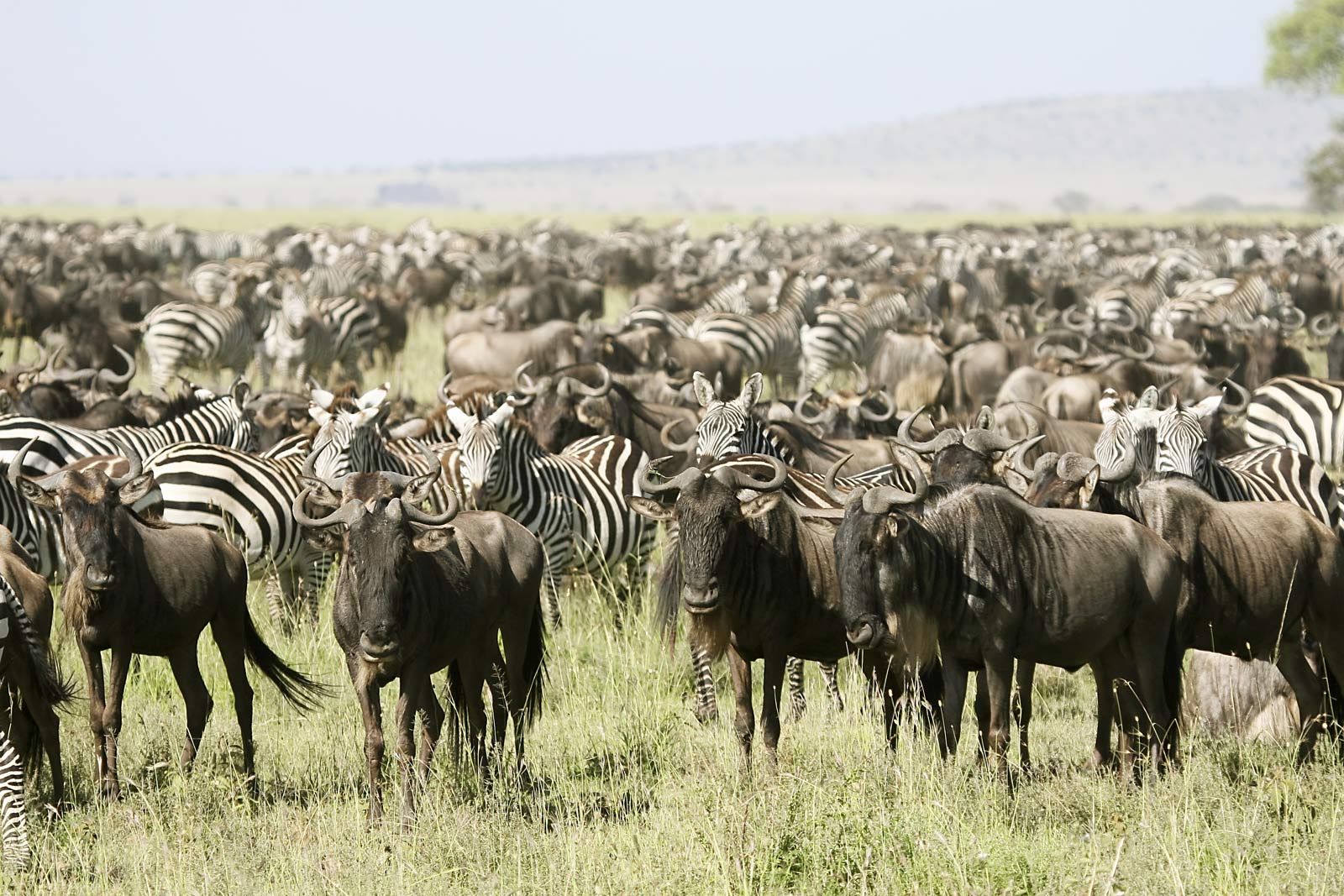
Researchers documented a 34 percent increase in wildebeest numbers in key migration corridors between 2013 and 2023, alongside steady recovery in elephant herds and improved breeding success among rare carnivores. These findings demonstrate that Tanzania conservation efforts grounded in science deliver measurable results when local communities, protected-area authorities and private operators work in concert.
Balanced intervention, rather than hands-off preservation, has proven to be the quiet force behind the rebound of Tanzania wildlife in landscapes that once faced severe pressure.
The Decade-Long Monitoring Programme
Between 2013 and 2023, teams of ecologists, veterinarians and local field technicians maintained continuous observation across more than 25,000 square kilometres of northern and southern Tanzania. Using GPS collars on 187 individual animals, camera traps totalling over 1.2 million images, and monthly vegetation surveys, the project captured seasonal shifts with unprecedented precision.
Data collection focused on three core ecosystems: the greater Serengeti-Mara region, the Ruaha-Rungwa landscape, and sections of the Selous-Nyerere ecosystem. Regular aerial counts supplemented ground observations, allowing scientists to cross-reference population estimates with habitat conditions throughout wet and dry seasons.
The programme's strength lay in its consistency. Where earlier studies offered snapshots, this initiative followed the same waterholes, grazing plains and woodland patches year after year, revealing patterns invisible in shorter research cycles.
Key Species Tracked and Initial Findings
Elephants, lions, African wild dogs and several antelope species received particular attention. Early results showed that elephant movements closely tracked rainfall patterns, with family groups travelling up to 65 kilometres between favoured water sources during prolonged dry spells.
Lion prides demonstrated remarkable adaptability, adjusting territory sizes in response to prey availability. In areas where buffalo numbers recovered, pride sizes increased by an average of 22 percent over the decade. African wild dog packs, long considered highly vulnerable, expanded their range when targeted anti-snaring measures were introduced.
Controlled Burns and Their Surprising Benefits
One of the most significant discoveries concerned the role of carefully timed fires in maintaining grassland health. Annual controlled burns conducted between late June and mid-August in selected zones stimulated fresh grass growth that supported higher densities of grazing species during the critical dry months.
Monitoring revealed that areas managed with rotational burning supported 41 percent more Thomson's gazelle and topi than adjacent unburned sections. The fires also reduced woody encroachment, preserving the open savannah character that defines much of Tanzania's iconic wilderness.
Importantly, these burns were designed in consultation with local pastoralist communities whose traditional knowledge of fire regimes proved invaluable. This collaboration helped align scientific objectives with cultural burning practices that had been largely suppressed during earlier decades of centralised management.
Fire, when used with precision and respect for local wisdom, becomes a powerful tool for renewal rather than destruction in the Tanzania wilderness.
Long-term Vegetation Response
Over the ten years, researchers documented shifts in plant communities that followed predictable patterns after burns. Certain perennial grasses returned stronger each season, creating more resilient ground cover capable of withstanding both drought and intense grazing pressure.
Soil samples taken before and after burning cycles showed improved nutrient cycling and increased microbial activity, suggesting that these interventions enhanced the foundational health of the entire ecosystem rather than simply providing short-term grazing benefits.
Strategic Water Point Management
Another major finding centred on the careful management of artificial and natural water sources. Rather than creating numerous year-round water points that concentrated animals and spread disease, the programme advocated for seasonal water availability that mirrored natural rainfall patterns.
In the Ruaha ecosystem, where water scarcity has intensified due to upstream agricultural demands, strategic placement of seven new seasonal pans helped disperse elephant herds and reduced pressure on riverine habitats. Camera trap data showed that predator-prey encounters became more evenly distributed across the landscape as a result.
Monitoring also revealed that certain water points, when allowed to dry naturally each year, encouraged animals to utilise different parts of their range, preventing overgrazing around permanent sources and supporting plant recovery periods.
Impact on Migration Routes
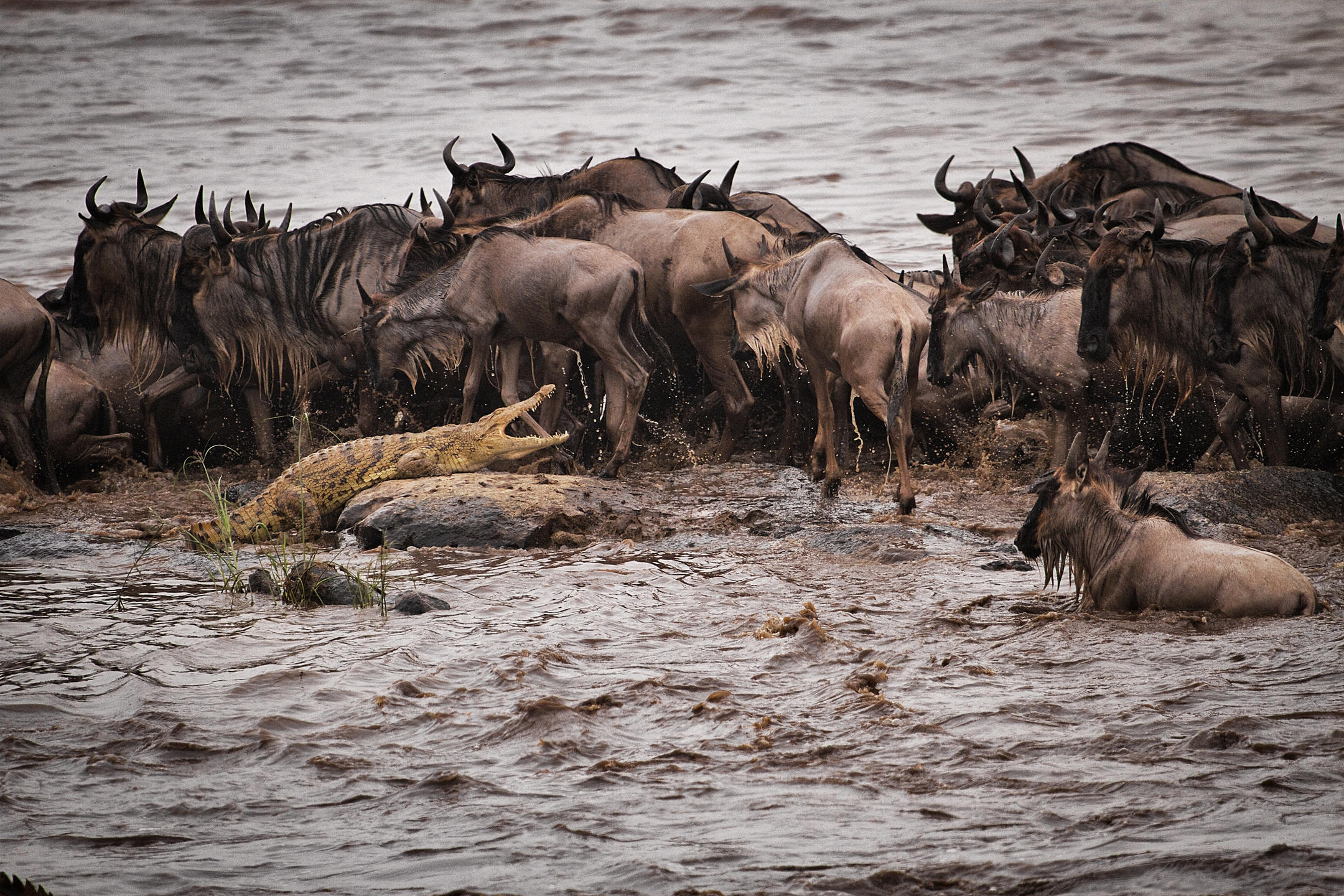
Perhaps most encouraging was the evidence that restored seasonal water availability helped re-establish historical migration pathways for zebra and wildebeest. GPS tracking showed that several herds resumed routes abandoned during the severe droughts of the early 2000s, returning to areas that had not seen significant numbers for nearly two decades.
These renewed movements not only benefited the migrating species but supported predator populations and nutrient distribution across broader landscapes, creating a positive cascade effect throughout the food web.
Community Involvement and Anti-Poaching Success
The monitoring programme worked hand-in-hand with community conservancies bordering protected areas, training over 340 local residents as wildlife scouts and data collectors. These individuals provided crucial on-the-ground intelligence while gaining meaningful employment in conservation activities.
Poaching incidents for ivory and bushmeat declined by 67 percent in zones where community scouts operated alongside formal anti-poaching units. The integration of local knowledge with technological tools such as real-time tracking and rapid-response teams proved particularly effective.
Revenue from photographic tourism and carefully managed hunting concessions funded these community programmes, creating tangible economic incentives for protecting rather than exploiting Tanzania wildlife. Several villages used their conservation income to build schools, improve healthcare access and develop small-scale agricultural projects that reduced pressure on wild resources.
Measuring Human-Wildlife Coexistence
Researchers documented livestock predation rates and crop-raiding incidents with the same rigour applied to animal population counts. This data helped identify seasonal conflict hotspots and informed the deployment of practical mitigation measures such as predator-proof bomas and chilli-based crop deterrents.
Over the decade, reported conflict incidents decreased by 29 percent in participating communities, while tolerance levels towards wildlife, particularly elephants and lions, showed measurable improvement when measured through annual perception surveys.
True conservation success in Tanzania is not measured solely by rising animal numbers but by the willingness of neighbouring communities to share their landscapes with wildlife over generations.
What the Data Reveals About Tanzania Conservation
After ten years of systematic observation, several clear principles have emerged. First, that adaptive management based on continuous scientific feedback produces better outcomes than rigid protectionist approaches. Second, that integrating local communities as active participants rather than passive beneficiaries generates more sustainable results. Third, that seemingly small interventions such as timing of burns or placement of water points can trigger significant positive changes when applied at appropriate scales.
The research also highlighted the resilience of Tanzania wilderness when given appropriate support. Despite facing challenges including climate variability, infrastructure development and growing human populations, the monitored ecosystems demonstrated remarkable capacity for recovery when pressures were thoughtfully managed.
Answering Common Questions About Long-term Monitoring
What did the decade of monitoring actually prove about Tanzania wildlife? The data showed clear population increases in multiple species alongside improved ecosystem function. For example, elephant numbers in the Ruaha-Rungwa landscape grew from approximately 8,200 individuals in 2014 to over 11,600 by 2023, while lion densities in monitored prides increased from 0.12 to 0.19 adults per square kilometre.
Why does controlled burning help rather than harm? When conducted at the right time and in appropriate patches, fires promote nutrient-rich regrowth, control invasive shrubs and create habitat diversity that benefits both grazing animals and the predators that follow them. The monitoring data recorded higher biodiversity indices in managed burn zones compared with fire-suppressed areas.
How has community involvement changed conservation outcomes? Local scouts contributed to a 67 percent reduction in poaching while earning sustainable incomes. This economic link between wildlife protection and community wellbeing has proven essential for long-term success across multiple landscapes in Tanzania.
Looking Ahead: The Next Decade of Tanzania Conservation
The insights gained from this ten-year study are now informing management decisions across other protected areas in the country. Similar monitoring frameworks are being established in the greater Mahale ecosystem and parts of the Tarangire-Ngorongoro landscape, extending the benefits of evidence-based conservation.
Emerging challenges including increased aridity in southern regions and growing pressure on northern migration corridors will require continued adaptation. The research team has recommended expanding the use of genetic monitoring to track population health and connectivity between protected areas.
Climate modelling integrated with the existing dataset suggests that maintaining landscape connectivity will become increasingly important as rainfall patterns shift. The creation and protection of movement corridors between major parks and reserves stands out as a priority for the coming years.
Supporting Tanzania's Wildlife Future
The remarkable findings from this decade of close observation remind us that conservation in Tanzania wilderness succeeds when science, community engagement and responsible tourism work together. Each element strengthens the others, creating a resilient framework capable of safeguarding Tanzania wildlife through changing times.
Encounters Africa has witnessed these positive changes across the landscapes where we operate. Our carefully selected Elewana Serengeti Pioneer Camp and Tarangire Treetops support conservation initiatives that directly benefit from the knowledge gained through long-term monitoring programmes. Visitors to these distinguished properties contribute to the protection of the very wilderness they come to experience.
For those seeking to understand these conservation efforts more deeply, we recommend exploring our specialised Tanzania migration safari that includes opportunities to meet researchers and community leaders working at the forefront of these initiatives. The experience offers rare insight into the complex realities of protecting Africa's wildlife heritage.
For discerning travellers seeking a private safari beyond our set itineraries, we invite you to contact us directly. We specialise in designing exceptional, tailor-made journeys for individuals, couples, families, and private groups of up to eight guests. Drawing on our handpicked network of distinguished camps and lodges, we curate every detail with precision and care, creating a seamless, deeply personal safari experience shaped entirely around your preferences, pace, and budget.
Whether your interest lies in witnessing the fruits of successful conservation or contributing to its continuation, we would be delighted to craft an experience that connects you meaningfully with Tanzania's extraordinary natural heritage. Please visit our enquiry form to begin a conversation about your African journey.
More like this

Conservation
What Seychelles' Marine Reserves Reveal About Successful Antipoaching Strategies
Conservation
Why African Conservation Efforts Often Struggle Against Poaching and Climate Pressures
Conservation
Why Antipoaching Efforts in South African Lodges Are Reshaping Kruger’s Future
conservation
Why Madagascar's Rainforests Depend on Cleaner Cooking Fuels
conservation
Why Many Eco-Lodges Fall Short on Real Conservation Impact
Conservation