Conservation
What Seychelles' Marine Reserves Reveal About Successful Antipoaching Strategies
Encounters Africa - 9 min read
Updated on 24 June 2026
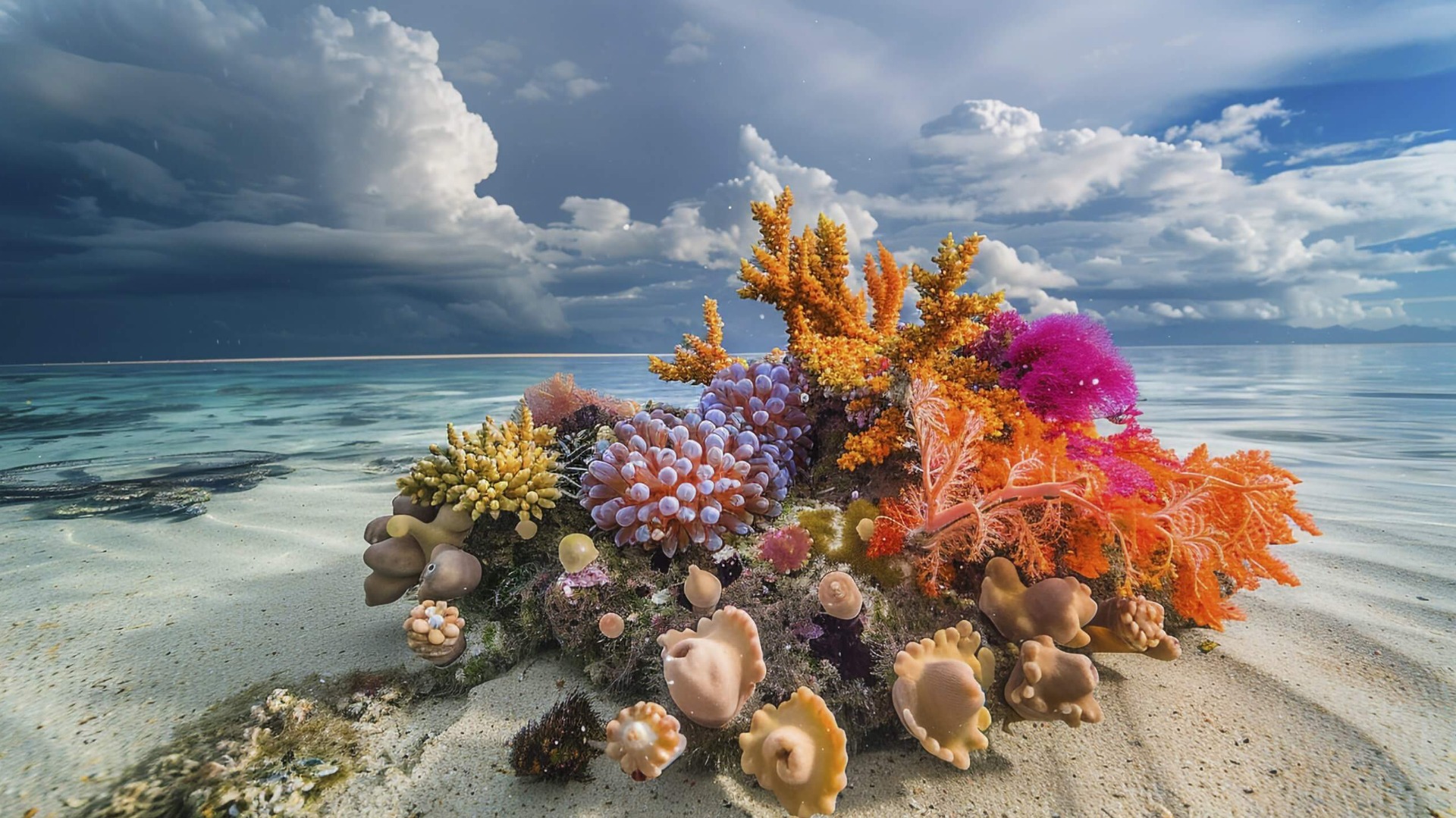
Antipoaching in Seychelles has evolved into one of the Indian Ocean’s most effective marine protection models. From vast atolls to fringing reefs, conservation efforts in marine wildlife combine scientific monitoring, community engagement, and technology-driven enforcement to safeguard species that have faced centuries of pressure. The results speak in hard numbers: nesting green turtle populations have increased by over 500 percent on certain islands since the 1970s, while illegal fishing incidents have dropped dramatically in designated no-take zones.
These successes did not happen overnight. Decades of deliberate policy, international collaboration, and local ownership have created a blueprint that other island nations now study closely. What Seychelles’ Marine Reserves Reveal About Successful Antipoaching Strategies offers lessons that extend far beyond its 115 islands, demonstrating how sustained commitment can reverse decades of decline in delicate ocean ecosystems.
The Historical Context of Marine Exploitation
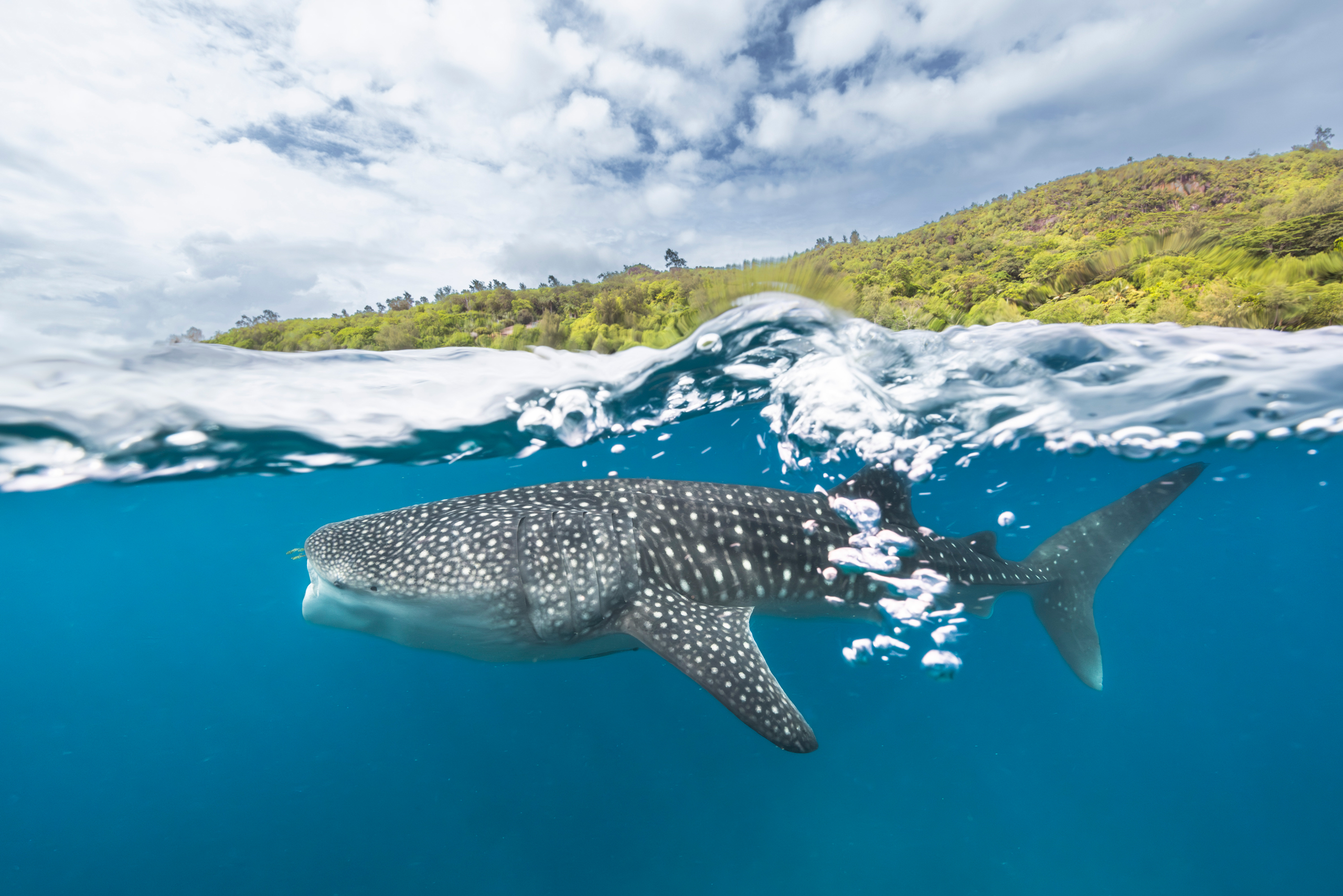
For centuries, Seychelles waters supplied ships with giant tortoises, seabirds, and turtles. By the late 20th century, commercial fishing fleets and opportunistic poachers had pushed several species to the brink. Hawksbill turtles, once abundant, saw their numbers plummet as their shells became prized in the global tortoiseshell trade.
The turning point came in 1979 when the government declared all marine turtles protected. This bold legislation, paired with the creation of key marine reserves, laid the foundation for today’s recovery. Yet protection on paper required boots on the ground – or rather, patrol boats in the water – to translate into real change.
Effective marine protection begins not with enforcement alone, but with a profound shift in how communities view their relationship with the ocean that sustains them.
Key Marine Protected Areas and Their Role
Seychelles now manages over 30 percent of its exclusive economic zone as protected areas, a figure that places it among global leaders. The UNESCO World Heritage-listed Aldabra Atoll stands as the centrepiece – a remote ring of coral islands 1,100 kilometres from the main island of Mahé. Its isolation makes it both vulnerable to illegal vessels and easier to defend with limited resources.
Closer to the populated inner islands, reserves such as Curieuse Marine National Park and Sainte Anne Marine National Park serve dual purposes. They protect critical seagrass beds and mangrove forests while providing living laboratories where scientists and visitors alike can witness conservation in action. These areas have become focal points for antipoaching in Seychelles, where rangers monitor both nesting beaches and surrounding waters with increasing sophistication.
Since 2018, the country has expanded its marine sanctuary network through the Seychelles Marine Spatial Plan, designating an additional 400,000 square kilometres of ocean under varying levels of protection. This ambitious zoning balances biodiversity needs with sustainable fishing and tourism activities.
Technology Meets Traditional Knowledge
Modern antipoaching strategies in Seychelles blend cutting-edge tools with centuries-old understanding of the sea. Drone surveillance now patrols remote coastlines, detecting vessels that once slipped through vast ocean gaps. Satellite monitoring tracks Automatic Identification System data from larger ships, flagging suspicious patterns that suggest illegal activity.
Yet technology alone cannot secure these waters. Local fishers, many of whose families have worked these reefs for generations, now form the backbone of monitoring networks. Their intimate knowledge of currents, fish movements, and weather patterns often reveals what machines might miss. This marriage of old and new has proven remarkably effective in reducing incursions.

The most powerful deterrent to poaching is not punishment but creating a shared sense of ownership over the marine resources that define island life.
Community Involvement in Conservation Efforts in Marine Wildlife
One of the most significant shifts in Seychelles’ approach has been the transition from top-down enforcement to genuine partnership. Former fishers have become rangers, educators, and citizen scientists. Programmes that provide alternative livelihoods – from ecotourism guiding to sustainable aquaculture – have reduced pressure on wild stocks while building local support for protection measures.
The Seychelles National Parks Authority works closely with island communities to co-manage resources. On islands like Praslin and La Digue, school programmes introduce children to marine ecology from an early age. This long-term investment in environmental education is beginning to bear fruit as younger generations view conservation as integral to their cultural identity rather than an external imposition.
Women have emerged as particularly powerful agents of change. Female-led monitoring groups now track turtle nesting success on several islands, contributing valuable data while earning supplementary income. These initiatives demonstrate how conservation efforts in marine wildlife can simultaneously advance biodiversity goals and social equity.
Measuring Success: Data Behind the Recovery
The evidence for Seychelles’ approach is compelling. Green turtle nesting numbers at Aldabra have risen from approximately 2,000 nests per year in the 1960s to more than 10,000 today. Hawksbill populations, though still endangered, show encouraging signs of recovery in protected areas where nesting females have increased by roughly 300 percent since the 1980s.
Reef fish biomass in no-take zones has been measured at levels up to four times higher than in adjacent fished areas. Coral cover has shown resilience even after major bleaching events in 1998, 2016, and 2019 – a testament to the healthier ecosystem function within well-protected reserves. These metrics provide concrete proof that strategic antipoaching in Seychelles delivers tangible ecological returns.
What Works Best? A Question Often Asked
Many conservation professionals ask what specific elements have made Seychelles’ marine protection model so effective. The answer lies in three interconnected pillars: long-term legal protection, sustained funding mechanisms, and meaningful community engagement.
First, the early declaration of marine turtle protection in 1979 created a consistent legal framework that has endured political changes. Second, innovative financing – including debt-for-nature swaps and tourism levies – has provided reliable funding that many other nations lack. Third, and perhaps most crucially, local communities have been brought into the heart of decision-making rather than treated as problems to be managed.
This combination has created a virtuous cycle where healthier marine ecosystems support more productive fisheries and vibrant tourism, which in turn fund continued protection. The model demonstrates that successful marine conservation requires thinking beyond short-term enforcement to address the underlying social and economic drivers of illegal activity.
Conservation that ignores the people who live alongside wildlife is conservation that will ultimately fail. Seychelles shows us what happens when communities become the strongest defenders of their marine heritage.
Challenges That Remain
Despite notable successes, significant challenges persist. Climate change poses an existential threat through coral bleaching, ocean acidification, and rising sea levels that affect nesting beaches. The 2016 bleaching event killed nearly half of Seychelles’ live coral cover in some areas, highlighting the vulnerability of even well-protected reefs.
Enforcement in such a vast ocean territory remains resource-intensive. With an exclusive economic zone exceeding 1.3 million square kilometres, patrolling every corner proves impossible. Sophisticated illegal fishing operations, often involving foreign vessels, continue to test the system’s limits. International cooperation through organisations like the Indian Ocean Commission has become essential for addressing transnational threats.
Balancing conservation with economic development also requires constant attention. Tourism, which contributes over 20 percent of Seychelles’ GDP, brings both benefits and pressures. Finding the right equilibrium between welcoming visitors and protecting the pristine environments they come to experience remains an ongoing challenge that managers navigate daily.
Lessons for Other Nations
Seychelles’ experience offers valuable insights for other countries grappling with marine protection. The importance of early legal protection cannot be overstated – establishing clear rules before populations reach critical lows creates a stronger foundation for recovery. Similarly, the value of diversified funding streams has been demonstrated through Seychelles’ innovative blue economy initiatives.
Perhaps most importantly, the Seychelles model shows that community buy-in determines long-term success. When local people see direct benefits from conservation – whether through jobs, healthier fish stocks, or pride in their natural heritage – they become its most effective guardians. This principle applies whether protecting marine turtles in the Indian Ocean or terrestrial species across Kenya’s conservancies.
Organisations like Encounters Africa have witnessed similar patterns across Southern and East Africa. Just as Seychelles has integrated fishers into marine protection, successful terrestrial conservation increasingly relies on meaningful partnerships with communities living alongside wildlife. For those interested in how these principles apply across different ecosystems, our recent article on community stewardship in African conservation explores parallel approaches on land.
Future Directions for Marine Protection
Looking ahead, Seychelles continues to refine its approach. Expanded use of environmental DNA sampling promises to provide even more detailed understanding of marine biodiversity. Artificial intelligence systems are being tested to analyse patrol footage and identify suspicious vessels more efficiently. These innovations build upon the strong foundation already established.
The country has also committed to protecting 30 percent of its ocean by 2030, aligning with global biodiversity targets. Achieving this ambitious goal will require continued innovation, sustained funding, and unwavering community support. The next decade will test whether the model can scale while maintaining its effectiveness against evolving threats.
International visitors play a vital role in this future. Responsible tourism that respects protected areas and supports conservation initiatives helps ensure these remarkable marine environments remain vibrant for generations to come. When travellers choose operators committed to genuine conservation partnerships, they become part of the solution.
Conclusion
The story of antipoaching in Seychelles and its conservation efforts in marine wildlife reveals what becomes possible when science, community, and commitment align. From recovering turtle populations to revitalised reef systems, the measurable gains demonstrate that strategic marine protection works. These efforts offer hope and practical lessons for ocean conservation worldwide.
For discerning travellers seeking a private safari beyond our set itineraries, we invite you to contact us directly. We specialise in designing exceptional, tailor-made journeys for individuals, couples, families, and private groups of up to eight guests. Drawing on our handpicked network of distinguished camps and lodges, we curate every detail with precision and care, creating a seamless, deeply personal safari experience shaped entirely around your preferences, pace, and budget.
Whether exploring the wonders of the Seychelles or discovering the iconic wildlife of Botswana and Tanzania, Encounters Africa connects thoughtful travellers with experiences that support lasting conservation. We would be delighted to discuss how we might craft your own meaningful journey across Africa’s extraordinary landscapes.
Contact Encounters Africa today to begin planning your next wildlife encounter.
More like this
Conservation
Why African Conservation Efforts Often Struggle Against Poaching and Climate Pressures
Conservation
Why Antipoaching Efforts in South African Lodges Are Reshaping Kruger’s Future
conservation
Why Madagascar's Rainforests Depend on Cleaner Cooking Fuels
conservation
Why Many Eco-Lodges Fall Short on Real Conservation Impact
Conservation
Why Tanzania's Rangers and Farmers Are Rewriting Wildlife Rules
Conservation