Conservation
Why African Conservation Efforts Often Struggle Against Poaching and Climate Pressures
Encounters Africa - 9 min read
Updated on 11 August 2026
African conservation efforts frequently encounter formidable obstacles, with poaching and climate pressures standing out as two of the most persistent threats. From habitat fragmentation across the Serengeti to chronic funding shortfalls in Namibia, these challenges test the resilience of both wildlife populations and the dedicated teams working to protect them. This article examines the core reasons why many initiatives struggle and highlights proven, community-driven approaches that are delivering tangible, measurable outcomes on the ground.
The statistics paint a sobering picture. Between 2014 and 2022, poaching claimed over 30,000 elephants across sub-Saharan Africa according to IUCN data, while rising temperatures have altered rainfall patterns, shrinking water sources in key reserves by up to 40 percent in some areas. Yet amid these pressures, innovative local strategies are showing that targeted, collaborative action can reverse declines and build lasting resilience.

The Scale of Poaching Pressures Across African Landscapes
Poaching remains one of the most immediate dangers to iconic species, driven by demand for ivory, rhino horn, and bushmeat. In regions like the Savuti region of Chobe National Park, organised syndicates exploit remote terrain and porous borders, making enforcement exceptionally difficult. Rangers often operate with outdated equipment and limited numbers, covering thousands of square kilometres with just a handful of patrols each week.
The economic incentives are stark. A single kilogram of rhino horn can fetch up to $60,000 on illegal markets, far exceeding what many rural communities earn in a year. This disparity fuels local involvement, particularly where alternative livelihoods are scarce. In Botswana, despite strong overall protection, isolated incidents highlight how quickly gains can be lost when vigilance slips.
Conservation is not won in boardrooms but through sustained presence on the ground, where every patrol and community conversation counts toward protecting the herds that define these wild places.
Community Involvement as a First Line of Defence
Successful programmes increasingly recognise that excluding local people from conservation decisions breeds resentment and vulnerability to poaching networks. In contrast, initiatives that integrate communities as partners see dramatic reductions in illegal activity. Namibia’s community conservancies, for instance, have returned wildlife management rights to residents, allowing them to benefit directly from tourism revenue and sustainable resource use.
These models have produced striking results. Since the mid-1990s, Namibia’s communal conservancies have increased wildlife numbers by over 80 percent in some areas while creating more than 5,000 jobs. The key lies in aligning economic incentives with protection goals rather than imposing restrictions from afar.
Climate Change: An Invisible but Growing Threat
While poaching makes headlines, the slower burn of climate disruption is reshaping entire ecosystems. In the Okavango Delta, prolonged dry spells have reduced flood extent by nearly a third since the early 2000s, concentrating animals around shrinking waterholes and increasing conflict with neighbouring farms. Similar patterns in Tanzania’s Serengeti ecosystem have altered migration routes, pushing herds into areas where they are more exposed to both natural predators and human threats.
Temperatures across Southern and East Africa have risen by approximately 1.2°C since the 1960s, with projections indicating further increases of 2–4°C by 2070. This warming intensifies drought cycles, spreads invasive species, and weakens the vegetation that supports herbivores at the base of the food chain. For predators such as lions and wild dogs, these shifts translate into greater energy expenditure and lower reproductive success.
Habitat Fragmentation and Its Cascade Effects
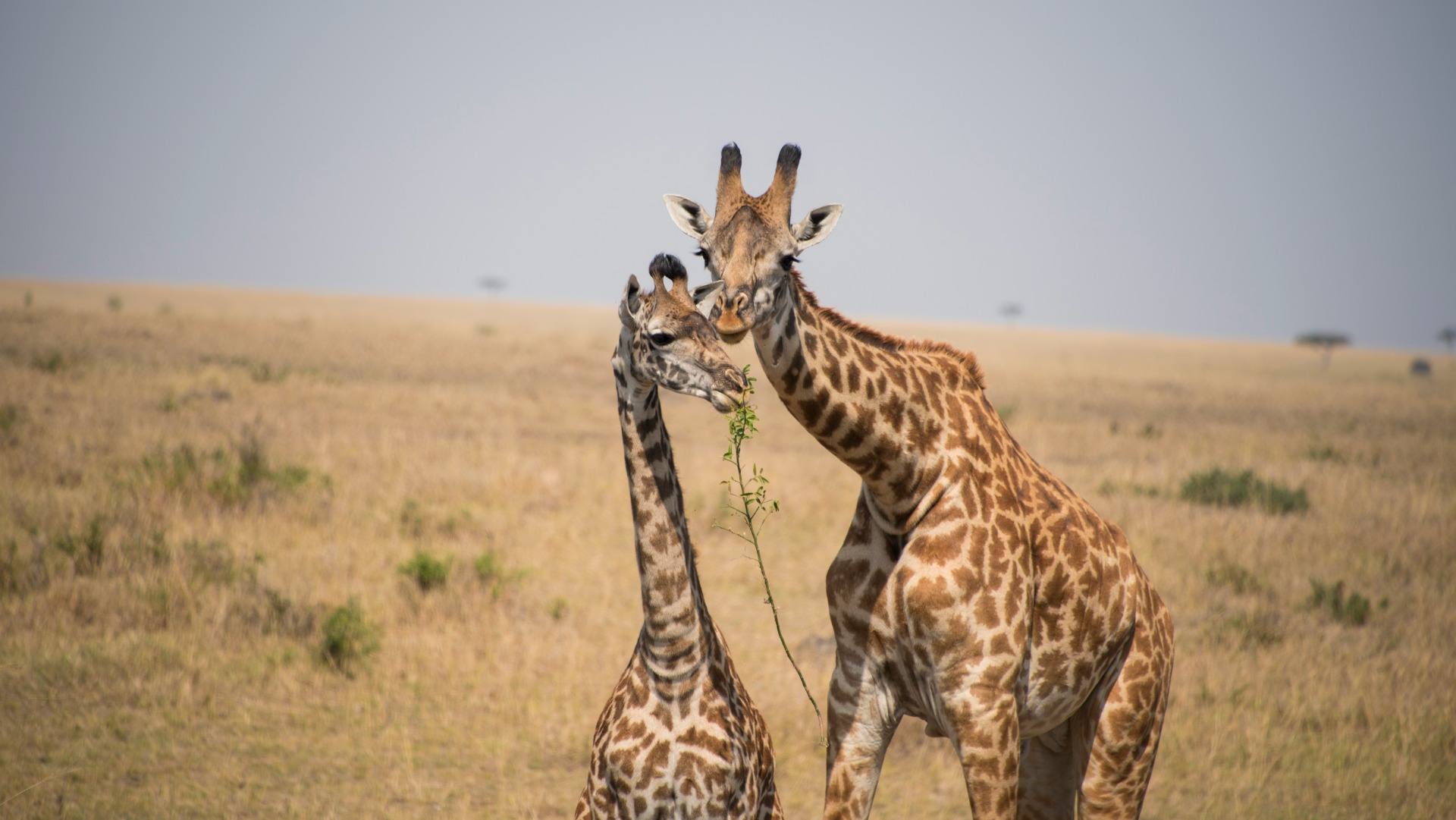
Fences, roads, and expanding agriculture have carved once-continuous landscapes into isolated pockets. In Kenya, the fencing of former migratory corridors around Masai Mara has trapped populations in smaller areas, leading to overgrazing and genetic bottlenecks. Elephants, whose movements once shaped the vegetation across vast distances, now find their traditional routes blocked, increasing human-wildlife conflict.
The consequences ripple through every level of biodiversity. Smaller, isolated populations face higher risks of inbreeding and disease outbreaks. When a drought strikes a fragmented landscape, there are fewer refuges available, amplifying mortality rates beyond what the ecosystem can naturally absorb.
When landscapes fracture, so too does the intricate web of relationships that has sustained African wildlife for millennia; reconnecting these spaces is one of conservation’s most urgent tasks.
Funding Shortfalls: The Chronic Constraint
Many protected areas operate on budgets that cover barely half their operational needs. In some countries, annual conservation spending per square kilometre falls below $100, compared with the $1,000–$2,000 per square kilometre that experts consider necessary for effective protection in high-value wildlife zones. This gap leaves rangers under-equipped and anti-poaching technology unaffordable for many reserves.
International donors provide vital support, yet funding often arrives in short-term cycles that make long-term planning impossible. When global priorities shift or economic downturns occur, protected areas can find themselves suddenly without resources at the very moment when pressures intensify. This unpredictability undermines staff morale and continuity of knowledge within ranger teams.
Innovative Financing Models Showing Promise
Some regions are pioneering blended finance approaches that combine philanthropy, tourism revenue, and carbon credit schemes. In Zambia, conservancies near Hluhluwe–Imfolozi Park equivalents have used payments for ecosystem services to supplement budgets, creating more stable income streams. These mechanisms reward communities for maintaining healthy habitats rather than converting land for short-term gain.
Private sector involvement through lodges and safari operators also plays an important role. When high-end camps contribute meaningfully to surrounding communities and fund specific conservation projects, they help close the financial gap while giving guests the opportunity to see direct impact. Chobe Game Lodge and similar properties have demonstrated how responsible tourism can channel resources back into protection efforts.
Proven Local Strategies Delivering Results
Across the continent, conservationists are moving beyond traditional fortress-style protection toward more integrated, adaptive approaches. Real-time monitoring using camera traps, GPS collars, and satellite data now allows teams to respond rapidly to emerging threats. In several Botswana concessions, rapid-response units supported by aerial surveillance have reduced poaching incidents by more than 70 percent within two years of implementation.
Education programmes that reach children and young adults are equally vital. When communities understand the long-term value of living alongside wildlife, tolerance increases and illegal activities decline. In Rwanda, environmental curricula linked to gorilla conservation have helped foster pride in local natural heritage while providing practical skills for future employment in tourism and research.
Technology Meets Traditional Knowledge
The most effective programmes blend modern tools with indigenous tracking expertise. San trackers in the Kalahari and Maasai elders in East Africa possess generational knowledge of animal behaviour that complements scientific data. When these knowledge systems are respected and integrated, conservation outcomes improve markedly.
Mobile applications now allow community members to report suspicious activity instantly, creating networks that extend far beyond formal ranger patrols. Coupled with performance-based payments that reward verified protection efforts, these systems have transformed passive residents into active guardians of their landscapes.
The most resilient conservation models are those that recognise local communities not as problems to be managed, but as essential partners whose knowledge and stewardship are fundamental to success.
What Travellers Can Do to Support Conservation
Responsible travellers play an important supporting role. Choosing operators that demonstrate transparent contributions to verified conservation projects ensures that safari revenue directly benefits protection work. Asking questions about anti-poaching initiatives, community benefits, and environmental policies helps maintain high standards across the industry.
Reducing personal carbon footprints before and during journeys also matters. Opting for direct flights, supporting lodges that use renewable energy, and participating in carbon offset programmes linked to verified African projects all contribute to mitigating climate impacts. Even small choices, such as avoiding single-use plastics in remote camps, help reduce pressure on fragile ecosystems.
Direct Engagement Beyond Financial Support
Many visitors seek deeper involvement. Citizen science programmes allow travellers to assist with wildlife monitoring during their stay, contributing valuable data while gaining insight into the realities of field conservation. Others choose to extend their journeys with volunteering components at rehabilitation centres or community education projects.
The key is ensuring that any contribution aligns with genuine local priorities rather than visitor preferences. Encounters Africa carefully vets partners to ensure that every experience supports sustainable, community-led conservation rather than short-term spectacle.
Looking Ahead: Building Adaptive and Inclusive Conservation
The coming decades will test African conservation as never before. Yet the examples of success emerging from Namibia’s conservancies, Botswana’s community concessions, and Rwanda’s landscape restoration programmes demonstrate that obstacles can be overcome when approaches are locally rooted, adequately funded, and scientifically informed.
Climate adaptation strategies, such as wildlife corridors that allow species to move in response to changing conditions, must be prioritised alongside continued anti-poaching efforts. Equally important is the need to diversify funding sources so that conservation does not remain perpetually dependent on unpredictable donor cycles.
By strengthening the connections between protected areas and the communities that surround them, and by embracing both traditional wisdom and cutting-edge technology, conservationists are developing models that offer genuine hope. These approaches recognise that healthy ecosystems ultimately support healthy human communities, creating shared incentives for long-term stewardship.

Conclusion
African conservation will always involve navigating complex pressures, but the evidence shows that targeted, collaborative strategies can deliver meaningful results even in challenging times. From reducing poaching through community partnerships to addressing climate impacts via habitat connectivity, the path forward lies in inclusive, well-resourced action that respects both ecological and human realities.
For discerning travellers seeking a private safari beyond our set itineraries, we invite you to contact us directly. We specialise in designing exceptional, tailor-made journeys for individuals, couples, families, and private groups of up to eight guests. Drawing on our handpicked network of distinguished camps and lodges, we curate every detail with precision and care, creating a seamless, deeply personal safari experience shaped entirely around your preferences, pace, and budget.
Consider supporting projects that link your journey to lasting conservation outcomes. Whether through a carefully crafted itinerary in the Tanzania wilderness or a bespoke experience at Duba Plains Camp, your choices can contribute to the solutions this continent so urgently needs. Visit our enquiry form to begin a conversation about a journey that aligns with both your aspirations and Africa’s conservation priorities.
More like this
Conservation
Why Antipoaching Efforts in South African Lodges Are Reshaping Kruger’s Future

conservation
Why Madagascar's Rainforests Depend on Cleaner Cooking Fuels
conservation
Why Many Eco-Lodges Fall Short on Real Conservation Impact
Conservation
Why Tanzania's Rangers and Farmers Are Rewriting Wildlife Rules
Conservation
Why Tanzania's Vast Wilderness Demands a New Conservation Model

Conservation