Conservation
Why Tanzania's Vast Wilderness Demands a New Conservation Model
Encounters Africa - 10 min read
Updated on 24 June 2026
Tanzania holds roughly 30 percent of its land under some form of protection, making conserving Tanzanian wildlife one of the most ambitious undertakings on the continent. From the sweeping plains of the Serengeti to the ancient forests of the Eastern Arc Mountains, the scale of this wilderness requires more than traditional fences and patrols. A new model is emerging, one that weaves together scientific insight, community stewardship, and sustainable revenue streams to ensure protecting Tanzanian wilderness remains effective for generations.
This article explores how that shift is taking shape. We examine collaborative programmes that move beyond enforcement alone, the measurable gains they have delivered, and what discerning travellers can do to support them. The evidence is encouraging: where local incentives align with conservation goals, both wildlife populations and human livelihoods show signs of genuine recovery.
The Scale of Tanzania’s Protected Landscapes
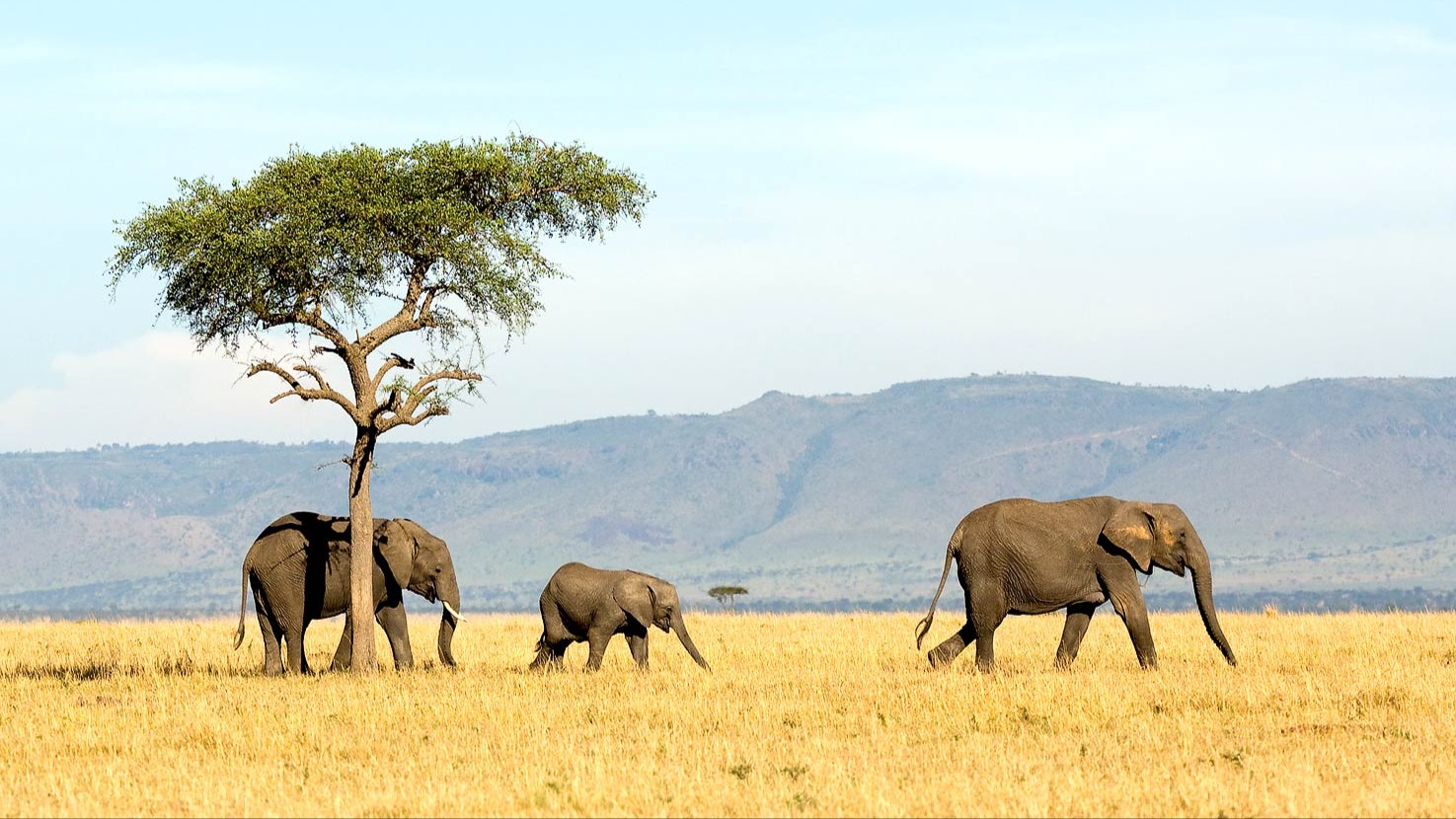
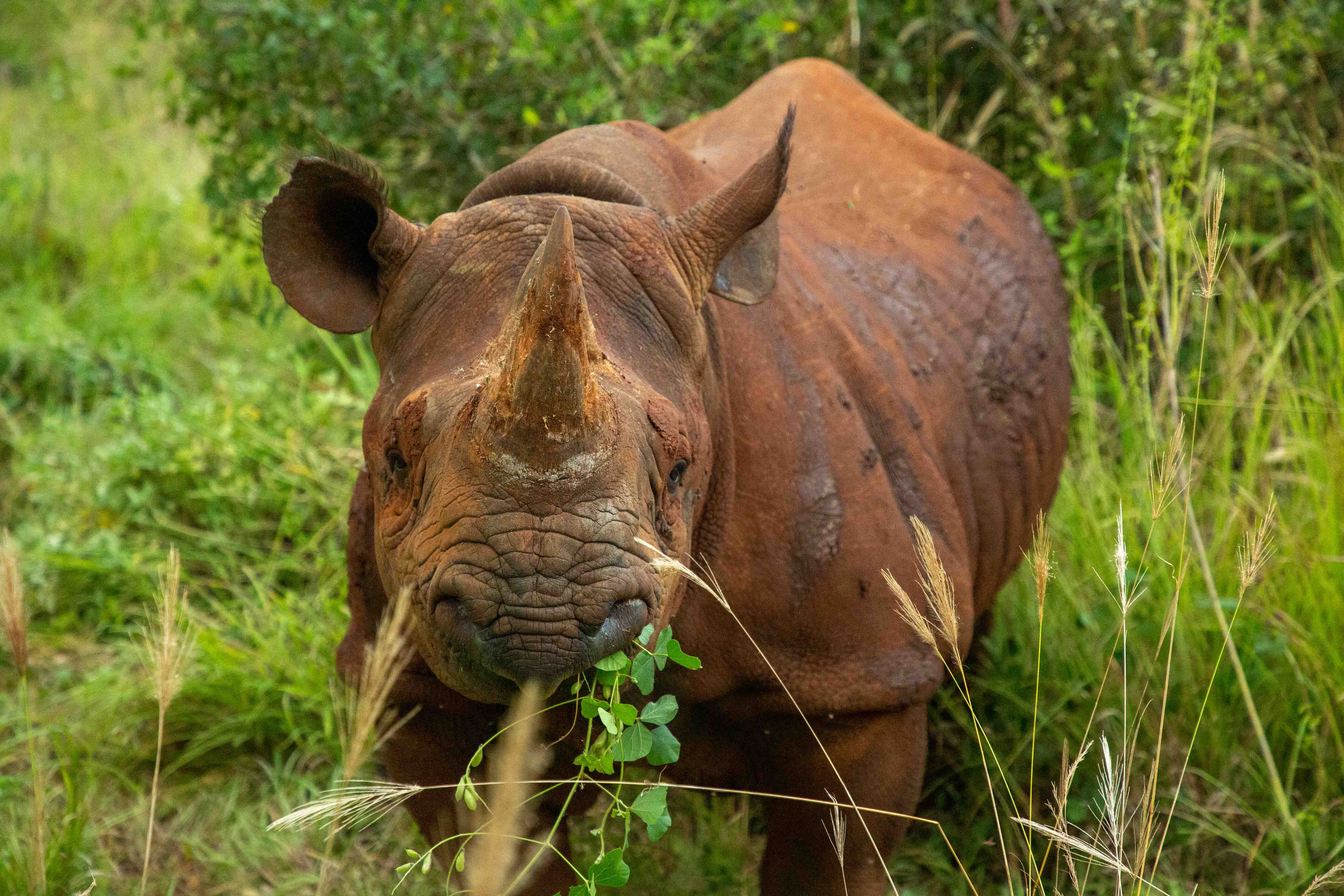
Tanzania’s network of national parks, game reserves, and conservation areas covers more than 150,000 square kilometres. That is an area larger than England, Scotland, and Wales combined. Within these boundaries roam approximately 130,000 elephants, 20,000 lions, and the largest remaining population of black rhinos in East Africa.
Yet size alone does not guarantee survival. Climate shifts, population growth around park boundaries, and sophisticated poaching syndicates continue to test even the best-managed reserves. Recognising this, Tanzanian authorities and their partners have begun testing integrated approaches that treat protected areas not as isolated islands but as living landscapes shared with neighbouring communities.
The true measure of successful conservation will not be counted in animals protected behind fences, but in the number of villages that choose to defend the same wilderness their ancestors once roamed.
From Fortress Conservation to Shared Landscapes
For decades the dominant model in East Africa was the “fortress” approach: strict boundaries, armed rangers, and limited local access. While this delivered short-term gains, it often bred resentment among communities living beside the parks. Today, forward-thinking initiatives in Tanzania are replacing exclusion with participation.
Programmes such as the Tanzania Wildlife Management Areas (WMAs) grant villages legal rights to manage their own wildlife-rich lands. In return, communities receive a share of tourism revenue and training in sustainable land-use planning. Early results from the Randilen WMA bordering Tarangire National Park show a 60 percent drop in illegal grazing inside the core zone since its establishment in 2012.
Community-Led Models Driving Real Change
At the heart of the evolving strategy for conserving Tanzanian wildlife lies a simple realisation: local people must see tangible benefits if they are to become active guardians. Several pioneering projects now channel tourism income directly into village development funds, education bursaries, and health clinics.
In the Simanjiro plains, pastoralist communities have negotiated conservation easements with private tourism operators. These agreements compensate herders for keeping livestock out of critical calving grounds used by thousands of wildebeest and zebra. Since the first easement was signed in 2006, wildlife numbers in the area have increased by an estimated 40 percent while livestock productivity has also improved through better veterinary support.
Similar stories are unfolding around the Selous Game Reserve and the Ruaha ecosystem. Here, village game scouts equipped with smartphones and basic GPS units collect data that feeds directly into national monitoring systems. The scouts, drawn from the very communities once viewed as threats, have become some of the most effective defenders of protecting Tanzanian wilderness.
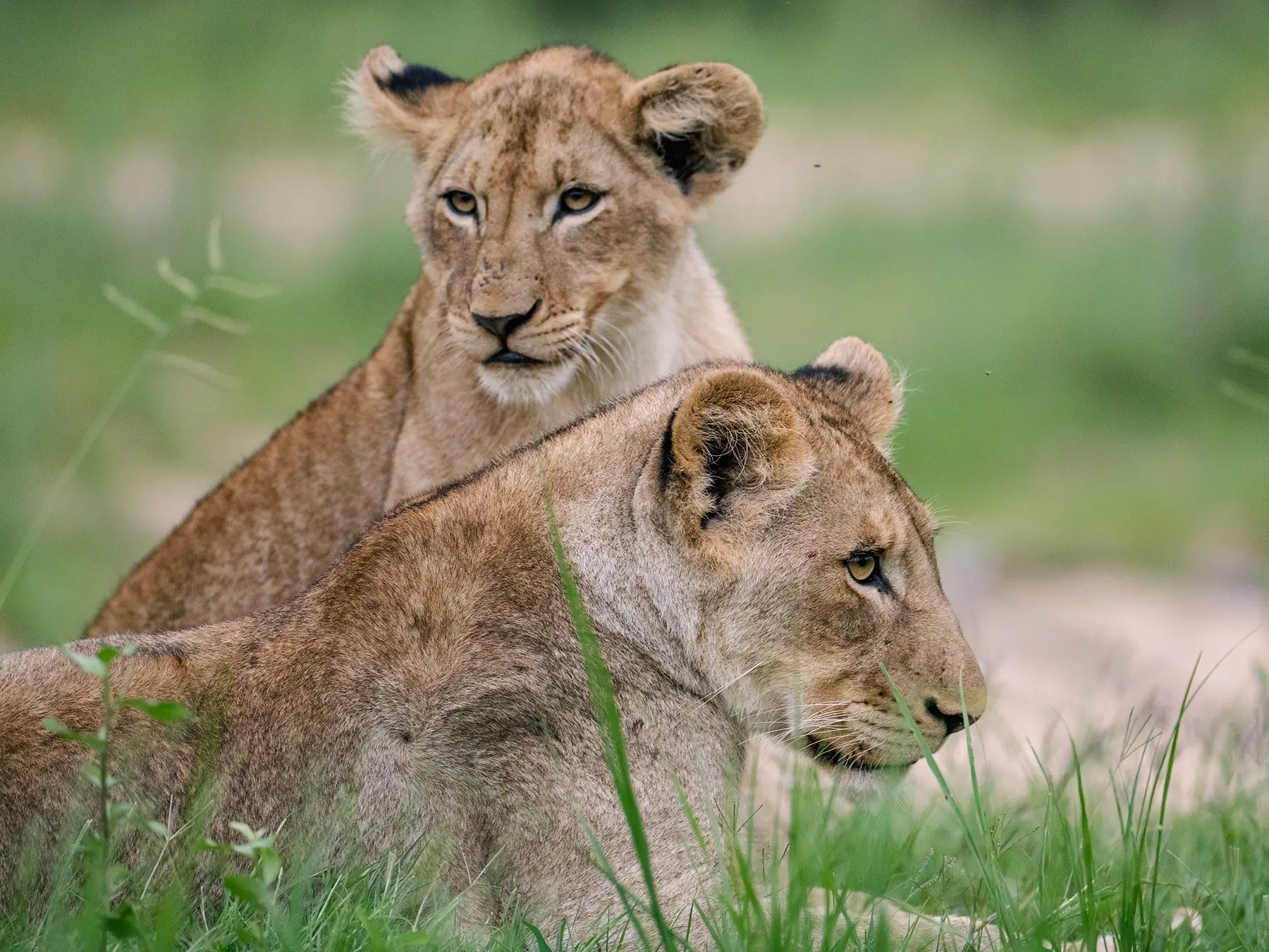
When a young Maasai warrior earns more protecting lions than he would by killing them, the entire equation of conservation changes.
Technology Meets Traditional Knowledge
Modern tools are amplifying the effectiveness of both rangers and community monitors. Tanzania has embraced a range of technologies that would have seemed futuristic a decade ago. Thermal imaging cameras, AI-powered camera traps, and real-time satellite tracking of collared animals now provide rangers with unprecedented situational awareness.
In Ruaha National Park, a partnership between the Tanzania National Parks Authority and a conservation technology NGO has deployed a network of solar-powered listening stations. These devices detect chainsaw and gunshot sounds, alerting response teams within minutes. The system has contributed to a documented 55 percent reduction in elephant poaching incidents since its installation in 2019.
Yet technology alone is not enough. The most successful programmes blend these innovations with indigenous knowledge. Elders in the Ngorongoro Conservation Area still read animal tracks and weather patterns with an accuracy that complements satellite data. Training young community members to combine both skill sets is creating a new generation of highly effective wildlife guardians.
Anti-Poaching Intelligence Networks
Cross-border intelligence sharing has become another pillar of the new model. Tanzania now participates in regional networks that track poaching syndicates operating across Kenya, Mozambique, and Zambia. When rangers in the Selous receive a tip about an impending incursion, they can coordinate with counterparts hundreds of kilometres away.
This intelligence-led approach, combined with improved prosecution rates through specialised wildlife crime courts, has shifted the risk-reward calculation for organised poachers. Conviction rates for major ivory trafficking cases have risen from under 20 percent in 2015 to more than 65 percent today.
The Economic Engine of Conservation
Tourism remains the single largest funding source for conservation in Tanzania, contributing more than $2.5 billion annually to the national economy. However, the way that revenue flows back into protection and community development has undergone significant refinement.
High-value, low-impact tourism models, such as those offered by select operators in the remote southern circuits, generate substantially more per visitor while placing less pressure on sensitive ecosystems. Chem Chem Lodge near Tarangire, for instance, supports anti-poaching units and community livestock improvement programmes through its conservation levy.
Private conservancies bordering national parks have also demonstrated how carefully managed tourism can expand effective protected areas without requiring additional government funding. These models create buffer zones that reduce human-wildlife conflict while providing crucial dispersal areas for animals during the dry season.
Every traveller who chooses a responsible operator is casting a vote for the kind of conservation model they wish to see across Africa.
Measuring Success Beyond Numbers
Conservationists in Tanzania are increasingly looking at holistic indicators of success. These include not only population counts of flagship species but also metrics such as household income from conservation-related activities, levels of community support for protected areas, and the health of ecosystem services like clean water provision and carbon sequestration.
Independent studies conducted between 2018 and 2023 show that in areas with active community involvement, attitudes towards wildlife have improved dramatically. In one survey around the Serengeti, 78 percent of respondents in participating villages now view lions as an economic asset rather than a threat, compared to just 31 percent in control villages.
What the Future Holds for Protecting Tanzanian Wilderness
The next decade will test whether Tanzania’s evolving conservation model can withstand mounting pressures from climate change and a growing human population projected to reach 80 million by 2040. Success will depend on scaling up the most effective elements of current programmes while maintaining flexibility to adapt.
Emerging priorities include creating larger connected landscapes that allow wildlife to move in response to changing rainfall patterns, investing in renewable energy for remote ranger posts, and expanding education programmes that reach urban Tanzanians as well as rural communities.
International partnerships will continue to play an important supporting role, but the most sustainable solutions are those designed and led by Tanzanians themselves. The quiet innovation happening in meeting rooms, village assemblies, and research stations across the country offers genuine reason for optimism.
Common Questions About Conservation in Tanzania
How effective are community-based conservation programmes in Tanzania?
Programmes that genuinely share tourism revenue with adjacent communities have shown strong results. In the Wildlife Management Areas established since 2002, wildlife populations have increased by an average of 35 percent where communities receive direct benefits, according to a 2022 analysis by the Tanzania Natural Resource Forum.
What role does tourism play in conserving Tanzanian wildlife?
Well-managed tourism provides the primary funding mechanism for most protected areas. In 2023, tourism revenue covered approximately 65 percent of the Tanzania National Parks Authority’s operational budget. When visitors choose operators that demonstrate transparent conservation contributions, they directly support expanded ranger patrols, community development, and habitat restoration.
Which species have shown the strongest recovery through these new approaches?
African wild dogs have benefited significantly from improved connectivity between reserves, with the population in the Selous-Nyerere ecosystem increasing from approximately 250 individuals in 2010 to over 400 today. Black rhino numbers in the Ngorongoro Crater have also risen steadily thanks to intensive protection and monitoring.
Experiencing Conservation in Action
For those who wish to see these efforts first-hand, several lodges and camps offer opportunities to engage directly with conservation teams. Visits to research stations, meetings with village scouts, or accompanying anti-poaching patrols (where appropriate) provide deeper insight than standard game drives alone.
Entamanu Ngorongoro and Elewana Serengeti Pioneer Camp both maintain active community and conservation programmes that guests can learn about during their stay. These experiences help visitors understand the complex realities behind the pristine landscapes they photograph.
Our own journeys with Tanzania safaris are designed to connect travellers with the people and organisations driving positive change. Whether tracking lions with researchers in the Serengeti or visiting beekeeping cooperatives near the Udzungwas, these encounters leave a lasting impression.
Supporting a Living Legacy
The transformation underway in Tanzania demonstrates that conserving Tanzanian wildlife and protecting Tanzanian wilderness need not be a zero-sum game between people and nature. When given genuine stakes in the outcome, communities have repeatedly shown themselves to be capable and committed partners.
The model emerging here offers valuable lessons for conservation across Africa and beyond. It recognises that sustainable protection of vast ecosystems requires both world-class science and deep local ownership. Most importantly, it proves that when economic realities align with ecological imperatives, genuine progress becomes possible.
For discerning travellers seeking a private safari beyond our set itineraries, we invite you to contact us directly. We specialise in designing exceptional, tailor-made journeys for individuals, couples, families, and private groups of up to eight guests. Drawing on our handpicked network of distinguished camps and lodges, we curate every detail with precision and care, creating a seamless, deeply personal safari experience shaped entirely around your preferences, pace, and budget.
By choosing to travel with Encounters Africa, you become part of the solution. Your journey helps sustain the very landscapes and wildlife that make Tanzania so extraordinary. We would be delighted to discuss how your next safari can meaningfully contribute to the new conservation model taking shape across this remarkable country.
More like this

Conservation
Zimbabwe’s Conservation Model: Practical Gains and Persistent Trade-offs for Travelers
conservation
Aquila Private Game Reserve: A Beacon of Conservation and Sustainable Accommodation
conservation
Can South Africa's Marine Protected Areas Halt the Decline of African Penguins?
Conservation
Community Rangers in Uganda Turn Local Knowledge into Gorilla Protection
conservation
Conservation Success at Addo Elephant National Park
conservation