
Conservation
Zimbabwe’s Conservation Model: Practical Gains and Persistent Trade-offs for Travelers
Encounters Africa - 8 min read
Updated on 30 July 2026
Zimbabwe’s conservation model offers discerning travellers a nuanced window into the complex realities shaping Southern Africa’s protected landscapes. With vast protected areas covering nearly 27 percent of the country and robust anti-poaching initiatives that have helped elephant populations stabilise around 80,000 individuals, the model demonstrates measurable wildlife recovery. Yet it also grapples with persistent challenges including community displacement and chronic funding shortfalls that test its long-term viability. For those planning a safari in this captivating destination, understanding these practical gains and trade-offs enriches every encounter with the wildlife and people who call it home.
The approach blends state-managed national parks with private concessions and community-based programmes, creating a distinctive framework that rewards thoughtful visitors with authentic experiences. Zimbabwe balances robust anti-poaching patrols and vast protected areas with community displacement and funding shortfalls. This balanced look weighs measurable wildlife recovery against the socioeconomic realities shaping long-term conservation viability.
The Foundations of Zimbabwe’s Conservation Strategy
Zimbabwe’s protected area network spans more than 50,000 square kilometres, encompassing iconic destinations such as Hwange National Park and Mana Pools. These landscapes support one of the largest contiguous elephant populations on the continent, with numbers rebounding from severe losses in the 1980s through sustained protection efforts. The model relies heavily on partnerships between government agencies, private operators, and international donors to maintain infrastructure and patrol remote boundaries.
At its core, the strategy emphasises law enforcement combined with habitat management. Anti-poaching units, often trained with support from organisations like the International Anti-Poaching Foundation, deploy rapid response teams equipped with modern tracking technology. These measures have reduced elephant poaching incidents by an estimated 60 percent in key zones since 2015, according to recent government reports. Travellers staying at well-managed lodges frequently witness the visible results through healthy herds that move confidently across open plains.
The quiet determination of Zimbabwe’s rangers, walking vast distances in punishing heat to protect animals they may never personally profit from, reminds us that conservation is ultimately an act of stewardship rather than ownership.
Community Conservancies and Their Role
Beyond national parks, community conservancies have emerged as vital components of the system. Initiatives in areas surrounding Zimbabwe allow local villages to benefit directly from wildlife through tourism revenue and employment. These programmes aim to transform former poachers into guides and scouts, fostering a sense of ownership that strengthens protection on the ground.
Yet implementation varies widely. Successful models demonstrate how lodges can channel funds into schools, clinics, and livestock protection, creating tangible incentives. When these connections work, travellers notice a palpable difference in the warmth of welcome and the depth of interpretation offered during game drives.

Measurable Wildlife Recovery and Biodiversity Gains
The practical gains of Zimbabwe’s approach appear clearly in population data. Black rhino numbers have increased from fewer than 500 in the early 2000s to over 700 today, thanks to intensive monitoring and dehorning programmes that reduce poaching incentives. Lion prides in certain private reserves now number among the healthiest in Southern Africa, with some properties reporting stable groups of up to 18 individuals.
Birdlife has similarly benefited. The country records more than 670 species, many of which thrive in the mosaic of woodland, wetland, and grassland habitats maintained through careful fire management and water point development. For photography enthusiasts, this diversity translates into exceptional opportunities, from endangered wattled cranes at dawn to spectacular gatherings of elephants at natural pans during the dry season.
These recoveries create meaningful safari experiences. Guests at select camps report seeing up to 15 different mammal species in a single morning drive, numbers that reflect genuine ecological health rather than artificial concentration. Such sightings carry added weight when guides explain the conservation history behind each recovery story.
When a traveller watches a young elephant calf learning from its matriarch how to navigate a drying riverbed, they witness not just wildlife behaviour but the living legacy of decades of dedicated protection.
The Persistent Challenges and Socioeconomic Trade-offs
Despite these successes, significant trade-offs remain. Historical establishment of protected areas displaced indigenous communities, severing traditional relationships with the land and creating lasting resentment in some regions. While newer programmes attempt restitution through revenue sharing, the process remains incomplete and unevenly applied.
Funding shortfalls compound these issues. Many national parks operate on budgets far below international standards, with some estimates suggesting current allocations cover only 40 percent of required operational costs. This gap forces reliance on tourism revenue that fluctuates with global events, political perceptions, and economic instability. During lean periods, maintenance of roads, vehicles, and ranger accommodation suffers, directly affecting the quality of visitor experiences.
Human-Wildlife Conflict and Its Consequences
Communities living adjacent to wildlife corridors face regular crop raiding and occasional livestock losses. Without adequate compensation schemes, these incidents can erode local support for conservation. Recent studies indicate that elephants destroy an average of 15 percent of crops in border villages during peak seasons, creating genuine livelihood challenges that no amount of distant tourism revenue fully resolves.
Private concessions sometimes offer better models by employing locals as trackers and providing direct benefits, yet these arrangements can also create new inequalities between those inside and outside the tourism economy. Travellers who choose operators committed to genuine partnership witness how these dynamics play out and gain deeper appreciation for the complexities involved.
How Travellers Experience Conservation Realities Firsthand
Modern safaris in Zimbabwe increasingly incorporate opportunities to engage directly with conservation work. Visitors might accompany researchers fitting tracking collars, participate in citizen science bird counts, or visit community projects funded by lodge levies. These activities transform passive viewing into active participation, creating memories that extend far beyond the game drive.
The sensory immersion remains unmatched. The scent of rain on parched earth after months of drought, the thunder of a distant herd moving toward water, the intricate patterns of light filtering through mopane woodland, all gain richer meaning when understood within their conservation context. Knowledgeable guides from Camp Moremi or similar properties help travellers connect these moments to broader ecological stories.
Conservation in Zimbabwe reveals itself not in grand declarations but in the small, daily acts of protection and compromise that sustain both wildlife and human communities across challenging landscapes.
What the Future Holds for Zimbabwe’s Conservation Model
Looking ahead, the model faces tests from climate change, with shifting rainfall patterns already altering traditional migration routes. Elephant herds have begun adapting their movements, sometimes creating new conflict hotspots. Innovative responses include expanded water management and strengthened cross-border collaboration with neighbouring countries to maintain connectivity across larger landscapes.
Technological advances offer hope. The deployment of camera traps, satellite monitoring, and community reporting apps has improved data collection while reducing response times to threats. International partnerships continue to provide crucial support, though sustainability requires building local capacity that outlasts donor cycles.
Balancing Tourism Growth with Protection
Tourism brings essential revenue but also brings pressure. The delicate task of increasing visitor numbers without compromising wilderness quality demands careful management. Properties that limit vehicle numbers per sighting and maintain generous private concessions demonstrate how luxury experiences can align with conservation goals when designed thoughtfully.
For those considering a journey here, the rewards include not only exceptional wildlife viewing but the chance to engage with conservation in its most authentic, imperfect form. Zimbabwe offers travellers the opportunity to move beyond simplistic narratives and develop a more nuanced understanding of what protecting Africa’s natural heritage truly requires.

Planning Your Zimbabwe Conservation Safari
Choosing when and where to visit shapes both your experience and your contribution to conservation. The dry season from June to October typically delivers the most reliable wildlife concentrations around water sources, though shoulder months can offer excellent value with fewer visitors. Understanding these patterns helps travellers time their journeys for maximum impact with minimal environmental footprint.
Encounters Africa specialises in designing exceptional, tailor-made journeys for individuals, couples, families, and private groups of up to eight guests. Drawing on our handpicked network of distinguished camps and lodges, we curate every detail with precision and care, creating a seamless, deeply personal safari experience shaped entirely around your preferences, pace, and budget.
Whether your interests lie in tracking black rhinos on foot, photographing rare bird species at dawn, or learning directly from community leaders about their relationship with wildlife, a thoughtfully planned safari amplifies both enjoyment and positive impact. Our team maintains close relationships with operators who demonstrate genuine commitment to balanced conservation approaches.
For those looking for a private safari beyond our set itineraries, we would be delighted to hear from you directly. We specialise in creating beautifully tailored journeys for solo travellers, couples, families, and private groups of up to eight guests. Through our trusted network of carefully selected camps and lodges, we craft each safari around your individual interests, preferred pace, and budget, ensuring a seamless and deeply personal experience from beginning to end. Contact us today via our enquiry form to begin shaping your Zimbabwe conservation journey.
More like this
conservation
Aquila Private Game Reserve: A Beacon of Conservation and Sustainable Accommodation
conservation
Can South Africa's Marine Protected Areas Halt the Decline of African Penguins?
Conservation
Community Rangers in Uganda Turn Local Knowledge into Gorilla Protection
conservation
Conservation Success at Addo Elephant National Park
conservation
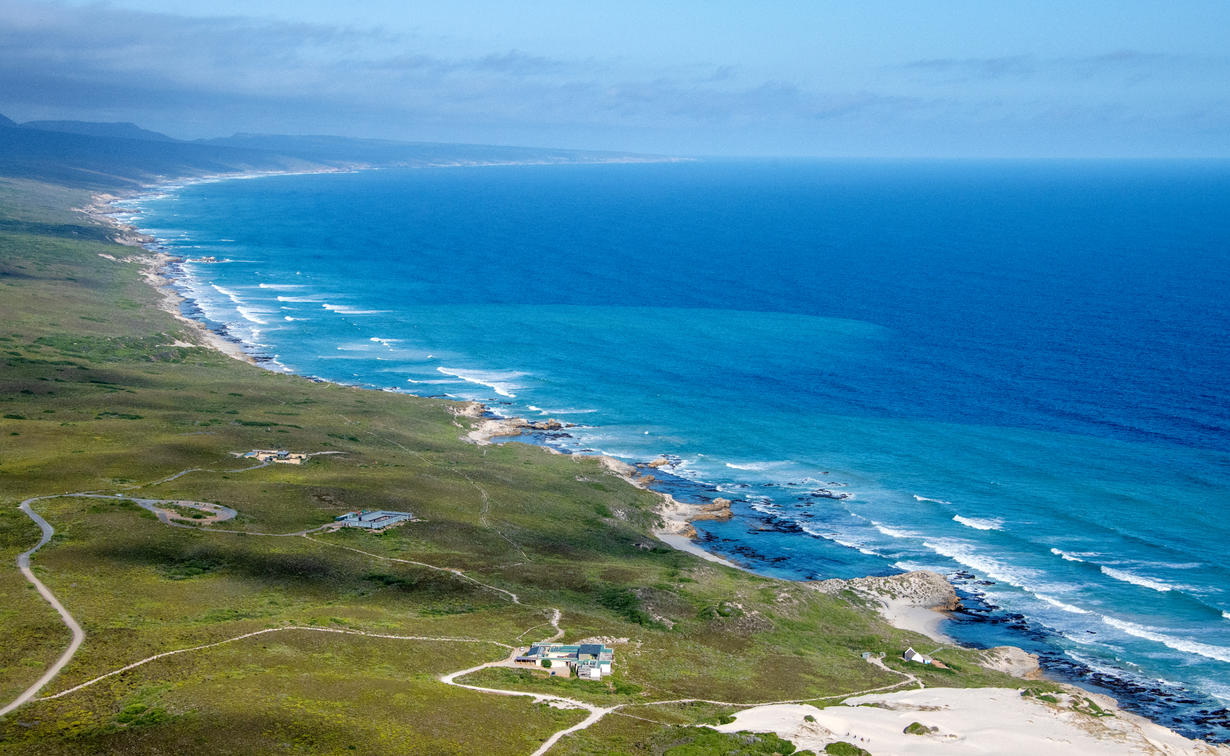
De Hoop Nature Reserve: A Conservation Success Story
conservation