tips and advice
Why African Winters Deliver Superior Wildlife Sightings and Fewer Crowds
Encounters Africa - 8 min read
Updated on 21 August 2026
The off-season advantage becomes strikingly clear when you experience African winters first-hand. From June to August, the dry season tightens its grip across Southern and East Africa, drawing wildlife into concentrated gatherings around dwindling water sources. This natural phenomenon, combined with sparse vegetation and cooler temperatures, delivers some of the most rewarding game viewing opportunities of the year while allowing travellers to avoid the peak-season crowds and inflated rates.
African winters provide superior wildlife sightings because animals become more predictable and visible. Lower rivers and thinning vegetation concentrate game around reliable waterholes, creating intimate encounters that seasoned guides describe as unmatched. Encounters Africa has guided hundreds of visitors during these months, witnessing how the season transforms routine drives into memorable spectacles of predator-prey interaction.

Understanding Africa's Dry Season Dynamics
As the rains retreat, vast landscapes across Botswana and Kenya undergo a visible shift. Grasses yellow and shrink, trees shed leaves, and rivers shrink to mere trickles. This transformation forces herbivores to gather at permanent water sources, followed closely by their predators. The result is heightened drama played out in plain sight rather than hidden within lush greenery.
The cooler daytime temperatures, often ranging between 15°C and 25°C, make game drives far more comfortable. Morning and evening excursions extend naturally as the sun rises later and sets earlier, providing extended hours of optimal light for observation and photography. Animals remain active longer without the oppressive heat of the wet season, increasing your chances of witnessing natural behaviours from hunting to social interactions.
The African winter strips away nature's camouflage, revealing the raw choreography of survival that pulses across these ancient landscapes.
Why Wildlife Viewing Excels During the Cooler Months
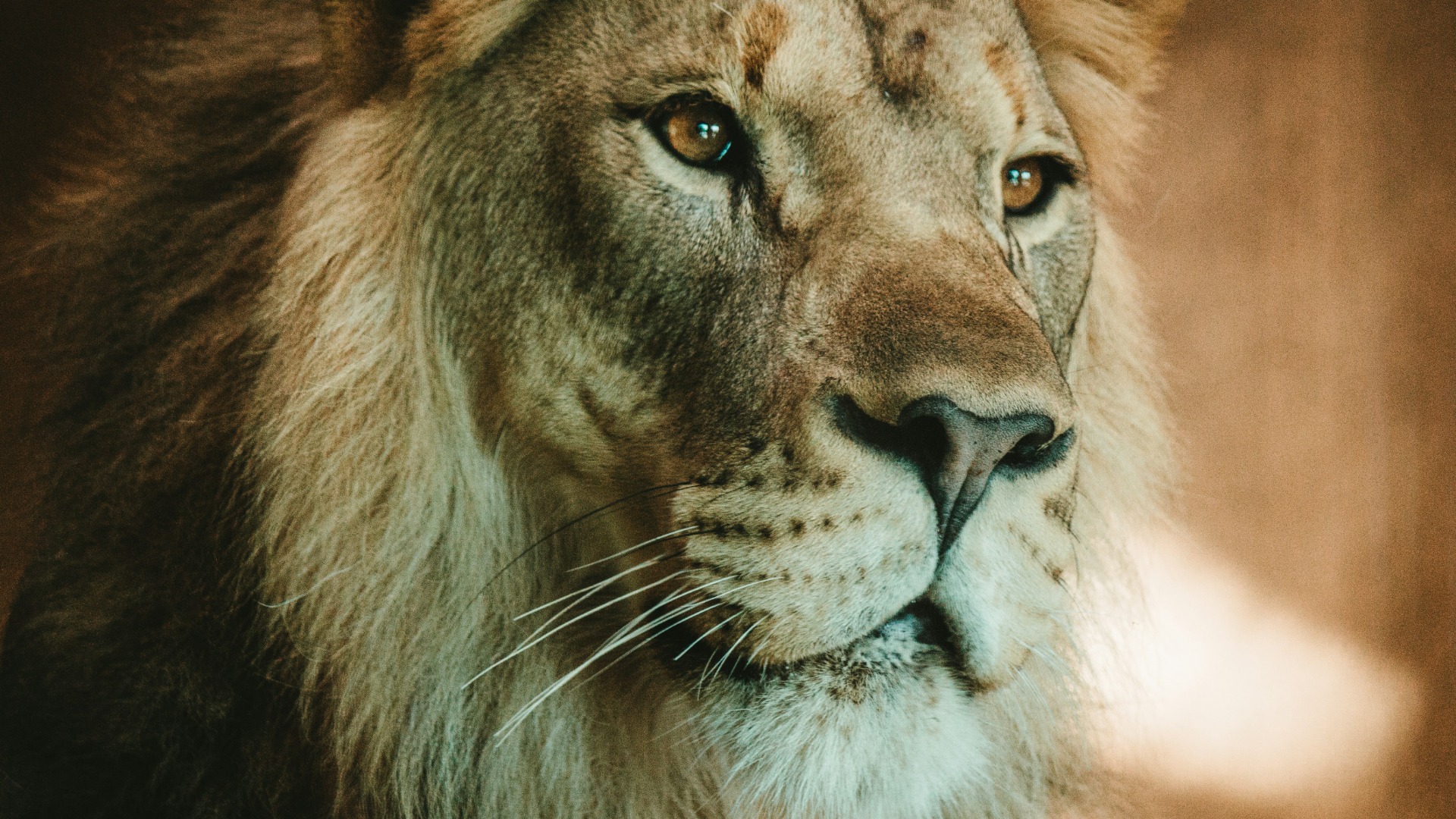
The primary keyword here is clear: the off-season advantage manifests most powerfully in wildlife viewing. With vegetation at its thinnest, visibility can extend for kilometres across the savanna. In places like the Masai Mara, this means spotting a lion pride from hundreds of metres away becomes routine rather than exceptional.
Water sources become natural stages where the daily theatre of African wildlife unfolds. Elephants arrive in family groups to drink and bathe, while leopards use the cover of nearby thickets to ambush unsuspecting prey. The concentration of game creates a ripple effect—predators know exactly where to find their next meal, and travellers positioned nearby gain front-row seats to these interactions.
Statistical evidence supports these observations. Wildlife surveys conducted in the Okavango Delta show that game density around permanent channels can increase by up to 400% during the dry months compared to the wet season. Similar patterns emerge across East African reserves, where water-dependent species cluster predictably, making sightings more consistent and less dependent on luck.
The Science Behind Animal Concentration
Biologists have documented how reduced surface water creates ecological bottlenecks that benefit observers. In South Africa's private concessions, waterhole counts reveal that up to 70% of large mammals may visit a single pan within a 24-hour period during peak dry season. This predictability allows guides to position vehicles strategically, often achieving encounters lasting 30 minutes or more.
Predator success rates also climb during these months. With prey animals weakened by months without abundant grazing, lions and leopards expend less energy securing meals. For travellers, this translates to more frequent sightings of successful hunts, particularly in the early morning when nocturnal predators return to water to drink.
Escaping the Crowds and Peak Season Premiums
Beyond the wildlife itself, the off-season advantage extends to the overall safari experience. Popular camps that command premium rates from December to March often offer significant value during the winter months. Many distinguished properties reduce their tariffs by 30-40% while maintaining the same exceptional standards of guiding and hospitality.
Fewer vehicles compete for sightings, allowing for more intimate encounters. Instead of joining a convoy of safari trucks around a leopard in a tree, you might enjoy the scene with just your guide and tracker. This exclusivity enhances the sense of wilderness immersion that discerning travellers seek.
The reduced visitor numbers also benefit the wildlife. Animals exhibit more natural behaviours when not constantly surrounded by vehicles, creating more authentic viewing opportunities. Guides report that leopards, in particular, are more likely to descend from trees and hunt when fewer observers are present.
Choosing the African winter means trading the green season's lush beauty for something rarer: the privilege of having wild Africa largely to yourself.
Prime Destinations for Winter Wildlife Encounters
Certain regions excel during the dry season, offering distinctive experiences that showcase the off-season advantage in different ways. The Okavango Delta transforms as floodwaters from Angola recede, concentrating game on isolated islands and along the Boteti River. Here, the famous elephant herds of Chobe River Front become even more impressive as they traverse shrinking channels.
In Kenya, the Masai Mara National Reserve sees resident wildlife supplemented by early returning migration herds. The combination creates exceptional predator viewing, particularly around the Mara River where crocodiles and big cats converge. Private conservancies bordering the reserve offer even more exclusive access during these quieter months.
Duba Plains Camp in Botswana exemplifies how specialised camps capitalise on seasonal changes. The area's famous lion prides become more visible as the surrounding plains dry out, offering some of the continent's most reliable big cat encounters between June and September.
Comparing Regional Experiences
Each destination presents its own winter character. Tanzania's southern parks like Selous and Ruaha offer superb leopard viewing as cats follow prey to permanent rivers. In contrast, South Africa's private reserves in the Sabi Sand provide unparalleled close encounters with habituated animals that barely register the presence of vehicles.
The key lies in understanding these regional variations. A well-planned itinerary might combine the watery wonderland of the Okavango with the open plains of the Kalahari or the forested valleys of the Waterberg, creating a journey that showcases different facets of winter safari magic.
What to Expect: Practical Considerations for Winter Safaris
Travellers often ask: when is the best time to visit Africa for optimal wildlife viewing with fewer crowds? The answer consistently points to the dry winter months, particularly July and August, when vegetation is at its lowest and water sources most contested. However, preparation remains essential for maximum enjoyment.
Layering becomes crucial as temperatures can swing dramatically. Expect chilly mornings around 5-10°C, warming to comfortable 20-25°C by midday before dropping again after sunset. Quality binoculars and a good camera with telephoto lens will serve you well, as will a warm jacket for early morning drives and evening sundowners.
Dust can be prevalent, particularly in more arid regions. Packing a buff or scarf to protect your face during drives proves invaluable. Malaria risk drops significantly during these drier months, though consultation with a travel doctor remains advisable for specific destinations.
Maximising Your Winter Safari Experience
Choose accommodations that understand seasonal nuances. Properties with expert guiding teams can transform good sightings into extraordinary ones by reading animal behaviour and positioning vehicles with minimal disturbance. Many camps also offer walking safaris during these months when the bush is more open and visibility is excellent.
Consider combining destinations for a comprehensive experience. A journey that begins in the watery realms of northern Botswana before moving to the open grasslands of Kenya offers remarkable contrast while capitalising on peak conditions in both areas. Such thoughtful routing forms the foundation of truly memorable African journeys.

Winter in Africa rewards those who understand its rhythms, delivering not just more sightings but deeper connections with the wild heart of the continent.
Planning Your Off-Season African Adventure
The advantages of travelling during African winters extend far beyond simple economics. They encompass enhanced wildlife encounters, greater exclusivity, more comfortable temperatures, and often more personalised service as camps welcome fewer guests. For those seeking authentic connection with Africa's wild places, these months represent exceptional value.
Encounters Africa specialises in designing journeys that harness these seasonal benefits. Our team draws upon decades of collective experience to craft itineraries that align with natural patterns rather than fighting against them. Whether you're drawn to the predator-rich plains of the Laikipia or the elephant highways of the Moremi Game Reserve, we understand how to translate seasonal science into unforgettable days in the bush.
For discerning travellers seeking a private safari beyond our set itineraries, we invite you to contact us directly. We specialise in designing exceptional, tailor-made journeys for individuals, couples, families, and private groups of up to eight guests. Drawing on our handpicked network of distinguished camps and lodges, we curate every detail with precision and care, creating a seamless, deeply personal safari experience shaped entirely around your preferences, pace, and budget.
The African winter awaits with its clear skies, concentrated wildlife, and sense of privileged access to nature's grand theatre. The question isn't whether to travel during these months, but how soon you can begin planning your journey.
More like this
tips and advice
Why Malaria-Free Reserves in South Africa Appeal Most to Families with Young Children
tips and advice
Why Santorini of Mozambique Captivates: A Traveler's Account of Tofo's Shores
tips and advice
Why Standard Travel Insurance Leaves Safari Guests Exposed in Remote Wilderness
tips and advice
Why Your Duffel Bag Could Cancel Your Luxury African Safari Flight
tips and advice
Your Essential Guide to Exploring the Waterberg Biosphere
tips and advice