destination guides
Why Mana Pools Demands Foot Safaris Among Towering Albida Trees
Encounters Africa - 9 min read
Updated on 27 August 2026
In Mana Pools National Park the ancient albida woodland creates a rare open cathedral for walking safaris, where elephants stand on hind legs to reach seed pods and guides must read every track with precision. Encounters Africa, Cape Town-based specialist arm of the Secret Namibia group, draws on three decades of combined experience to book directly with camps and lodges across eight countries, tailoring journeys for individuals, couples, families and private groups of up to eight guests from 81 published itineraries. A dedicated section answers: What makes Zimbabwean safari guides so highly regarded? See how this demanding qualification shapes every safe step on foot. Compare routes at 11-day Iconic Zimbabwe Botswana Safari.

The Allure of Mana Pools National Park
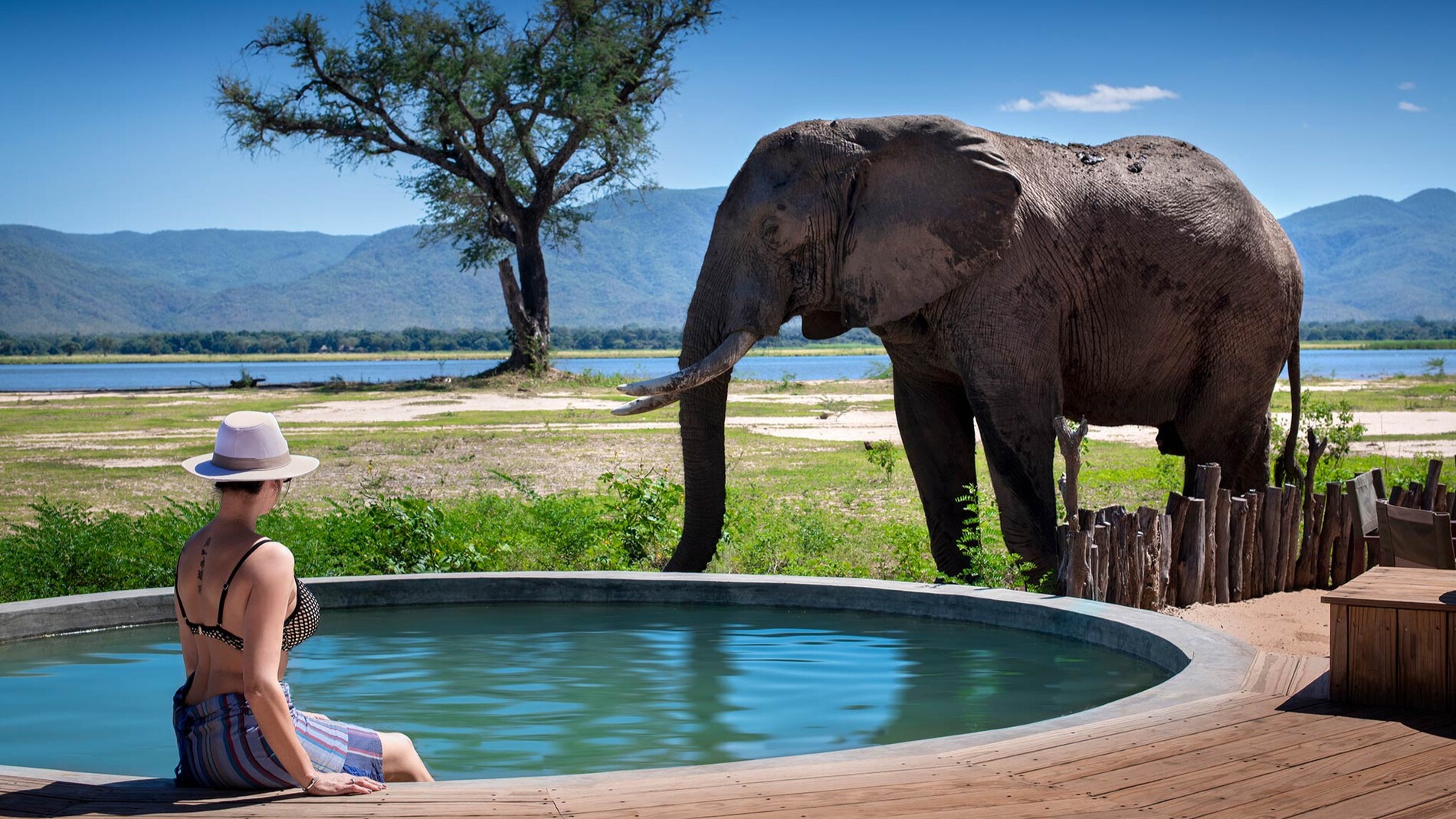
Stretching along the southern bank of the Zambezi River in northern Zimbabwe, Mana Pools offers one of the continent’s most distinctive safari landscapes. The park’s name derives from the Shona word for “four,” referring to the four remaining pools left by the ancient Zambezi channel that once flowed here. These permanent water sources draw immense concentrations of wildlife, especially during the dry season from June to October.
What truly sets Mana Pools apart is its terrain. Unlike the dense thickets found in many African reserves, the floodplain here is dominated by towering albida trees whose spreading canopies create an almost park-like openness. This allows travellers to move through the landscape on foot with remarkable visibility, transforming every game drive into preparation for a more immersive experience.
The silence under these albida trees is broken only by the distant rumble of elephants and the soft crunch of leaves beneath your boots - a sensory memory that lingers long after the journey ends.
Albida Woodland: Nature’s Cathedral for Walkers
The winter thorn, or Faidherbia albida, drops its nutrient-rich pods precisely when other vegetation withers. These pods become a vital food source, and the trees themselves form a natural gallery that frames the wildlife theatre unfolding beneath them. Their pale trunks and delicate leaves filter sunlight into dappled patterns across the golden grass, creating perfect conditions for observation without the claustrophobia of thick bush.
During the dry months, the woodland floor becomes a mosaic of fallen pods and tracks. Professional guides move slowly with their guests, interpreting the stories written in the dust: the broad pad of a lioness, the neat slots of an impala ram, the sweeping arcs left by a crocodile’s tail as it returned to water. This environment rewards patience and presence rather than speed.
Walking here feels less like an activity and more like participation in an ancient rhythm. The air carries the sweet, floury scent of albida pods crushed underfoot, while overhead, vervet monkeys chatter warnings to one another. It is an environment that encourages travellers to engage all their senses fully.
The Standing Elephants of Mana Pools
One of the park’s most mesmerising sights is the behaviour of its elephants. Using their powerful trunks and remarkable balance, these giants rise onto their hind legs to strip seed pods from the higher branches of albida trees. This acrobatic feeding, rarely seen elsewhere on such a scale, has earned them the affectionate description of “standing elephants.”
The phenomenon occurs most reliably between August and October when other food sources dwindle. Mature bulls in particular demonstrate this skill, sometimes holding the pose for nearly a minute while reaching with their trunks. The sight of a four-tonne elephant balanced vertically against a pale trunk creates an almost prehistoric tableau against the Mana skyline.
To witness an elephant rise silently on its hind legs, stretching toward the canopy with focused intent, is to understand why Mana Pools has earned its reputation as one of Africa’s most unforgettable wildlife theatres.
Why Mana Pools Demands Foot Safaris
The open nature of the albida woodland makes walking not merely possible but preferable. Vehicle access is restricted in many areas, preserving the sense of wilderness and allowing animals to behave more naturally. Foot safaris here typically last three to four hours, beginning in the cool of dawn when the light is soft and animal activity peaks.
Guides carry rifles for emergency protection, yet their primary tools are knowledge, experience, and situational awareness. They maintain constant communication with one another across the concession, sharing information about predator movements and elephant herds. This network of awareness creates a safety framework that allows guests to focus on the extraordinary surroundings rather than anxiety.
The pace is deliberately unhurried. Walkers stop frequently to examine spoor, listen to bird calls, or simply absorb the atmosphere. This measured approach reveals details easily missed from a vehicle: the intricate patterns on a dung beetle’s back, the precise way a lion’s paw print sinks into soft sand, the subtle shift in wind direction that might carry scent to nearby game.
Practical Considerations for Walking in Mana Pools
Participants should be reasonably fit and comfortable walking on uneven ground for several hours. Sturdy boots with good ankle support are essential, as are neutral-coloured clothing that blends with the environment. Early mornings can be surprisingly chilly, while midday heat demands sun protection and hydration.
Most operators offer a combination of walking and vehicle-based activities, allowing guests to choose according to their energy levels each day. The best time to visit Mana Pools for walking safaris is between May and October, when the floodplains are accessible and wildlife concentrates around the remaining water sources.
What Makes Zimbabwean Safari Guides So Highly Regarded?
Zimbabwean professional guides undergo one of the most rigorous qualification processes in Africa. The programme, administered by the Zimbabwe Professional Hunters and Guides Association, typically takes several years to complete and involves both theoretical study and extensive practical assessment in the field.
Aspiring guides must first obtain a learner’s licence, then progress through apprentice and professional stages. They face written examinations on topics ranging from ecology and animal behaviour to first aid, firearms handling, and African history. Practical tests require candidates to demonstrate exceptional tracking skills, the ability to identify hundreds of plant species, and calm decision-making under pressure.
The final examination includes a week-long assessment in which examiners observe every aspect of a candidate’s bushcraft, from vehicle maintenance to guest management and ethical hunting principles. Only those who achieve consistently high standards across all disciplines earn the coveted professional qualification. This demanding standard explains why Zimbabwean guides are sought after throughout Southern and East Africa.
Zimbabwe’s guide qualification stands among Africa’s most exacting because it demands not just knowledge but the cultivated intuition that transforms a competent escort into a true interpreter of the wild.
The Walking Tradition in Zimbabwean Safari Culture
Walking safaris have deep roots in Zimbabwean conservation history. Long before luxury camps dotted the landscape, early rangers and hunters moved through these wild places on foot, developing an intimate understanding of animal behaviour and seasonal patterns. This tradition continues today, refined by modern safety protocols while retaining its essential spirit of respectful engagement with nature.
In Mana Pools, the walking experience feels particularly authentic because the terrain genuinely supports it. The open woodland allows for safe observation distances while still permitting close encounters with habituated animals. Guests frequently find themselves within thirty metres of relaxed elephant herds or watching a leopard melt into the dappled shade without causing disturbance.
This tradition shapes everything from camp design to daily schedules. Many properties maintain simple, unobtrusive footprints that complement rather than compete with the environment. Evenings often involve fireside conversations about the day’s sightings, with guides sharing insights that deepen guests’ appreciation of the interconnected ecosystem.
Conservation Through Connection
The emphasis on walking fosters a profound connection to place. When travellers experience the bush at ground level, their understanding of conservation challenges shifts from abstract to immediate. The guides’ deep knowledge, gained through years of study and field time, helps translate complex ecological relationships into accessible narratives that often inspire lasting commitment to wildlife protection.
Revenue from well-managed tourism supports anti-poaching initiatives, community development projects, and habitat maintenance across the Zambezi Valley. Each careful footstep in Mana Pools therefore contributes to the preservation of this remarkable landscape for future generations.
Planning Your Mana Pools Walking Safari
Choosing the right camp can significantly enhance your experience in this special corner of Zimbabwe. Properties that work closely with experienced professional guides and maintain low guest densities tend to deliver the most rewarding encounters. Many also offer canoeing options on the Zambezi, adding another dimension to your exploration of the valley.
Combining Mana Pools with other Zimbabwean destinations such as Hwange or Lake Kariba creates a rich multi-faceted journey. For those seeking to extend their adventure, cross-border options with neighbouring countries provide seamless transitions between contrasting landscapes and wildlife experiences.
Encounters Africa stands ready to shape these experiences around your specific interests and pace. Whether you seek the thrill of tracking fresh lion spoor at dawn or prefer gentler ambles through the woodland accompanied by expert interpretation, our team can design an itinerary that captures the essence of this remarkable place.

Discovering Mana Pools Through Thoughtful Travel
The magic of Mana Pools lies in its ability to slow time. Under the spreading branches of ancient albida trees, with the Zambezi flowing steadily nearby, travellers reconnect with something fundamental about the natural world and our place within it. The standing elephants, the professional guides who read the landscape like an open book, and the simple act of walking quietly through wilderness create memories that resonate long after departure.
This corner of Zimbabwe offers more than impressive wildlife sightings. It provides an opportunity to engage with nature on its own terms, guided by some of Africa’s most accomplished professionals. For those drawn to authentic, immersive safari experiences, few destinations deliver with such consistency and depth.
For discerning travellers seeking a private safari beyond our set itineraries, we invite you to contact us directly. We specialise in designing exceptional, tailor-made journeys for individuals, couples, families, and private groups of up to eight guests. Drawing on our handpicked network of distinguished camps and lodges, we curate every detail with precision and care, creating a seamless, deeply personal safari experience shaped entirely around your preferences, pace, and budget.
Begin planning your Mana Pools adventure by visiting our enquiry form today. Our team looks forward to crafting an unforgettable journey through Zimbabwe’s most distinctive wilderness.
More like this
destination guides
Why Singita Kilima Private Villa Redefines Secluded Family Safaris
destination guides
Why Tanzania's Southern Circuit Draws Far Fewer Visitors Than the Serengeti
destination guides
Why Your Third Safari Should Skip the Big Five Checklist
destination guides
Woodland Whispers: Settling into Phinda Forest Lodge's Treehouse Rooms
destination guides
Your Definitive Guide to Uganda's Luxury Safari Packages
destination guides