News
Zambia Strengthens Anti-Poaching Measures to Safeguard Rhinos and Elephants
Encounters Africa - 8 min read
Updated on 22 July 2026
Zambia has expanded its anti-poaching units and deployed new tracking technology across key reserves. The latest initiatives focus on protecting black rhinos and elephant herds while involving nearby villages in monitoring efforts. These developments mark a significant step forward in safeguarding the country’s most vulnerable wildlife populations through a combination of enforcement, innovation, and community partnership.
In recent years, poaching pressures have tested even the most robust conservation programmes across southern Africa. Yet in Zambia, a renewed commitment to field-level protection is delivering measurable results. From the thorn thickets of the Luangwa Valley to the open plains of Liuwa, rangers now operate with enhanced resources and local knowledge that together create a more resilient defence for endangered species.
The Scale of the Challenge
Zambia is home to roughly 20,000 elephants and one of Africa’s most important remaining black rhino populations. Both species face persistent threats from organised poaching syndicates that exploit remote borders and sophisticated smuggling routes. Between 2015 and 2020, the country lost an estimated 1,500 elephants to poachers, a figure that prompted a comprehensive review of existing strategies.
Today the Department of National Parks and Wildlife (DNPW) coordinates operations across 20 national parks and 34 game management areas. The latest figures for 2023 show a 42 percent reduction in elephant poaching incidents compared with the previous year, while rhino losses have fallen even more sharply. These numbers reflect not only increased patrols but also smarter deployment of limited resources.
Effective protection begins long before a gunshot echoes across the savanna; it starts with intelligence networks, community trust, and technology that turns vast wilderness into a manageable landscape.
Expansion of Anti-Poaching Units
The most visible change has been the growth of specialised anti-poaching teams. Zambia now maintains 28 dedicated units, up from 19 in 2019, with each team receiving advanced field training and better equipment. These rangers spend up to three weeks at a time in the bush, operating from temporary forward bases that allow rapid response to suspicious activity.
New recruits undergo a rigorous 12-week programme that includes tracking, first aid, legal procedure, and unarmed combat. Many come from the very communities that border the parks, bringing intimate knowledge of local terrain and seasonal animal movements. Their presence has transformed the relationship between conservation authorities and rural residents.
At Flatdogs Camp near South Luangwa National Park, guides speak with genuine respect about the rangers they encounter on morning drives. The increased visibility of these teams has also reassured international visitors that their safari dollars support meaningful protection work.
Technology Transforming Patrols
Alongside human effort, technology is playing an increasingly important role. In 2022 Zambia introduced a nationwide real-time monitoring system that integrates camera traps, GPS collars, and satellite data. More than 450 elephants now carry satellite collars across four key landscapes, providing rangers with precise movement patterns that help predict where poachers might strike next.
Thermal imaging drones have been deployed in the Lower Zambezi and Kafue ecosystems, covering up to 80 square kilometres in a single night flight. These devices can detect human heat signatures even beneath dense canopy, giving ground teams a decisive advantage. Early trials in 2023 led to the interception of six poaching gangs before they could reach their targets.

Community Involvement at the Heart of Success
Perhaps the most encouraging development is the scale of community participation. More than 40 village scout programmes now operate around Zambia’s protected areas, training local residents to act as the eyes and ears of conservation. These scouts receive monthly stipends funded partly by tourism revenue, creating a direct economic link between wildlife protection and community wellbeing.
In the villages surrounding North Luangwa, scout teams have reduced snare incidents by 67 percent over two years. They also run environmental education sessions in local schools, reaching more than 8,000 children annually. This long-term investment in awareness is gradually shifting attitudes from passive tolerance to active stewardship.
When communities see wildlife as a shared asset rather than a distant government responsibility, protection becomes sustainable rather than simply enforced.
Specific Measures for Black Rhinos
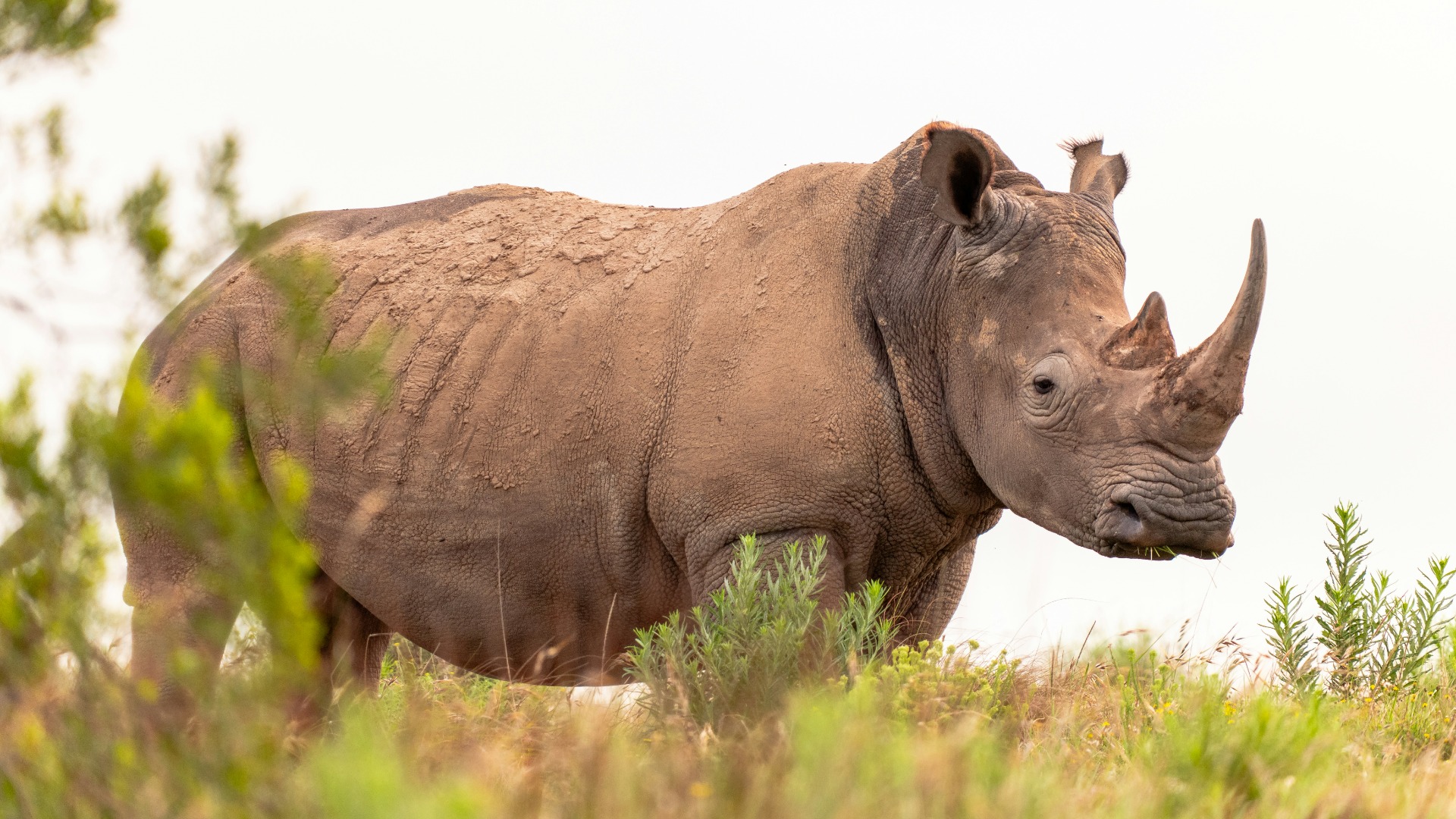
The black rhino programme has received particular attention. Zambia’s rhino population, once reduced to just 10 individuals in the early 1990s, now numbers around 80 animals, with the majority concentrated in North Luangwa and Mosi-oa-Tunya National Parks. A new sanctuary completed in 2023 provides additional security while allowing for carefully managed breeding.
Each rhino is fitted with an advanced GPS-enabled horn implant that transmits location data every 15 minutes. Should an animal’s movement pattern change suddenly or if the signal is lost, rapid response teams are dispatched within minutes. This system has already prevented two poaching attempts in the past 18 months.
Regular aerial surveys using fixed-wing aircraft complement the ground monitoring. The most recent count in September 2024 recorded a 9 percent increase in the North Luangwa population, the highest growth rate since the reintroduction programme began in 2003.
Elephant Protection Strategies
Elephant conservation follows a landscape-scale approach. The Zambia Carnivore Programme and its partners have established wildlife corridors linking isolated populations across the Greater Liuwa Ecosystem and the Kafue-Zambezi corridor. These pathways reduce human-wildlife conflict while ensuring genetic diversity.
Transboundary cooperation with neighbouring countries has improved significantly. Joint operations along the Zambia-Zimbabwe and Zambia-Angola borders have disrupted several major trafficking routes. In 2024 alone, these coordinated efforts resulted in the seizure of more than 1,200 kilograms of ivory destined for Asian markets.
Measuring Impact and Future Goals
The results speak for themselves. Independent monitoring by the IUCN has placed Zambia’s elephant poaching levels in the “low” category for the first time in two decades. Rhino populations are showing consistent growth, with calving rates approaching those recorded in more stable southern African countries.
Yet challenges remain. Climate change is altering water availability and vegetation patterns, potentially increasing conflict between people and elephants. Funding gaps also persist, with many programmes still reliant on international donors and philanthropic support.
What This Means for Travellers
For those planning a safari in Zambia, these conservation developments offer reassurance that their visit contributes to meaningful protection. Revenue from responsible tourism directly funds many of the initiatives described above, creating a virtuous circle that benefits both wildlife and local communities.
Visitors to Chiawa Safaris - Puku Ridge or other well-managed camps often have opportunities to meet rangers and learn about current projects. Many lodges now include visits to community scout posts or conservation education centres as part of their guest programmes, providing deeper insight into the realities of modern African conservation.
A safari in Zambia today offers far more than sightings of magnificent animals; it provides a window into the complex, hopeful work of securing a future for species that have walked these landscapes for millennia.
Looking Ahead: Sustainable Protection
The coming years will test these new measures. Zambia has set ambitious targets: zero poaching of black rhinos by 2027 and a 75 percent reduction in elephant poaching incidents from 2020 levels. Achieving these goals will require continued investment in technology, training, and community relations.
International partnerships remain crucial. Organisations such as the Frankfurt Zoological Society and the African Parks Network continue to provide technical expertise and funding. Their collaboration with Zambian authorities demonstrates how effective conservation often bridges national boundaries and different areas of expertise.
As these initiatives mature, they offer valuable lessons for other range states facing similar pressures. The integration of technology with traditional tracking skills, combined with genuine community ownership, represents a model that could be adapted across the continent.

Supporting Zambia’s Conservation Future
The progress being made in Zambia demonstrates what becomes possible when political will, local knowledge, scientific innovation and tourism revenue align. For travellers who care about the long-term survival of Africa’s wildlife, choosing to visit these landscapes sends a powerful message of support.
Encounters Africa works closely with partners across Zambia who share this commitment to responsible, impactful safari experiences. Whether you seek the drama of the Luangwa floodplains or the remote beauty of Liuwa Plain, we can design journeys that align with your interests while contributing directly to the protection of the animals you hope to see.
For discerning travellers seeking a private safari beyond our set itineraries, we invite you to contact us directly. We specialise in designing exceptional, tailor-made journeys for individuals, couples, families, and private groups of up to eight guests. Drawing on our handpicked network of distinguished camps and lodges, we curate every detail with precision and care, creating a seamless, deeply personal safari experience shaped entirely around your preferences, pace, and budget.
Contact Encounters Africa to begin planning your journey to Zambia, where every game drive supports the dedicated individuals working to secure the future of rhinos and elephants across this remarkable country.
More like this
news
Zambian Safaris Gear Up for 2026: Essential News Roundup
news
Zambia's 2026 Tourism Surge: Key Policy Shifts Driving Economic Gains
news
Zimbabwe 2026 Tourism Briefing: Visitor Caps and Park Access Rules
news
Zimbabwe Safari Updates 2026: Quotas, Routes and Conservation Fees
news
Zimbabwe's 2026 Migration Shifts: What Travelers Need to Plan Around
news