news
Zimbabwe's 2026 Migration Shifts: What Travelers Need to Plan Around
Encounters Africa - 4 min read
Updated on 13 May 2026
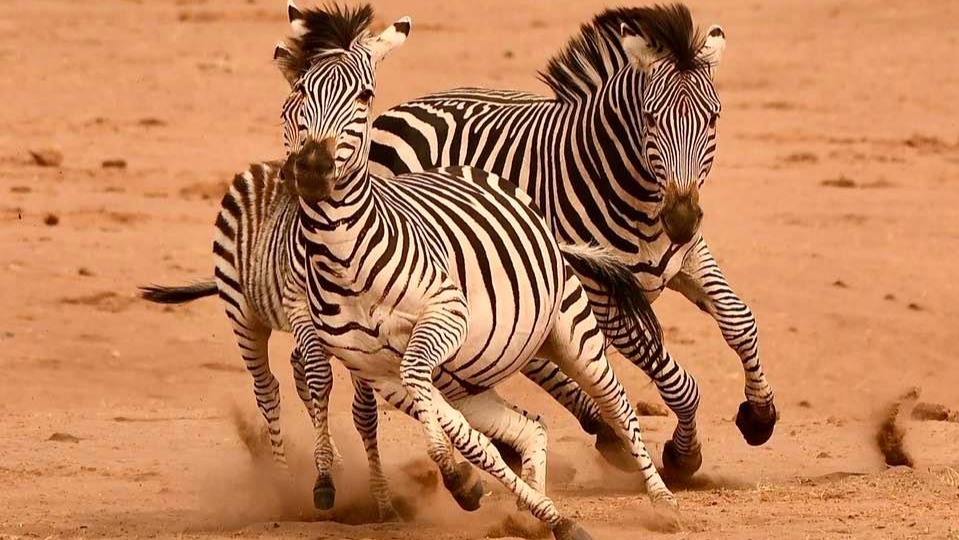
Zimbabwe's 2026 migration shifts are reshaping safari planning across its premier reserves. Wildlife agencies report erratic elephant and zebra routes in Hwange National Park due to shifting rain patterns, prompting the deployment of 500 new tracking collars and updated viewer guidelines for ethical sightings. These changes, driven by prolonged droughts followed by intense downpours, mark a pivotal moment for conservation and travel in the region. Encounters Africa monitors these developments closely to guide discerning travellers towards responsible encounters.
With forecasts predicting a 15-20% deviation in traditional migration paths by mid-2026, safari operators must adapt itineraries to prioritise animal welfare over predictable spectacles. This article unpacks the latest data, on-the-ground responses, and practical advice for aligning your journey with these dynamic movements.
Understanding the Causes Behind 2026 Migration Disruptions
Climate variability lies at the heart of Zimbabwe's 2026 wildlife migration shifts. Meteorological records show that rainfall in Hwange decreased by 25% in early 2025, concentrating water sources into fewer, unpredictable pans. Elephants, numbering over 50,000 in the park, now linger longer around supplemented waterholes, delaying their seasonal treks to the north.
Zebra herds, typically following grass flushes, face fragmented corridors due to overgrown thorn scrub from irregular fires. Experts from the Zimbabwe Parks and Wildlife Management Authority (ZimParks) attribute these patterns to a La Niña phase expected to peak in 2026, bringing sporadic floods that reshape grazing landscapes overnight.

"Shifting rains are redrawing the migration map in Hwange, challenging both wildlife and the safaris that seek them."
New Tracking Technologies Transforming Wildlife Monitoring
ZimParks has rolled out 500 GPS-enabled collars on key elephant matriarchs and zebra stallions by January 2026, relaying real-time data via satellite to a central hub in Hwange National Park. These devices, solar-powered and weighing under 2kg, track movements with 10-metre accuracy, revealing that herds are bypassing traditional routes by up to 30km eastward.
Complementing collars, drone fleets—numbering 25 units—will patrol 200km² daily, mapping herd densities without disturbance. This tech upgrade, funded by a $2.5 million conservation grant, allows rangers to predict congregation points 48 hours in advance, sharing insights with licensed operators like those partnered with Encounters Africa.
Benefits for Ethical Safari Viewing
Travellers gain from apps providing live migration updates, ensuring vehicles position at natural viewing distances of at least 100 metres. Early trials in 2025 reduced engine idling by 40%, minimising stress on nursing calves during vulnerable crossings.
These tools also spotlight under-visited sectors, such as the park's eastern fringes, where buffalo herds now mass in greater numbers.
Practical Planning Tips for 2026 Zimbabwe Safaris
What is the best time to visit Zimbabwe for 2026 migrations? The optimal window spans June to October, when dry conditions concentrate herds around reliable water. However, with shifts anticipated, July now emerges as prime for Hwange's altered elephant paths, as grasses mature later due to erratic wetting.
Book mobile camps in the Linkwasha Concession for flexible positioning near collared herd hotspots.
Opt for dawn and dusk drives, aligning with peak activity windows identified by tracking data.
Choose lodges with private concessions, like Somalisa Camp in Hwange, offering exclusive access away from public roads.
Secure permits 90 days ahead via ZimParks' online portal, as daily vehicle caps rise to 12 per waterhole to prevent overcrowding.
"Adapt your itinerary to the animals' new rhythms—flexibility defines the modern Zimbabwe safari."
Ethical Viewing Guidelines Amid Route Changes
ZimParks' 2026 protocols mandate a 7-vehicle limit per sighting, enforced by ranger patrols. Off-road driving remains prohibited, with fines up to $5,000 for violations, ensuring migration corridors stay intact. Guides must now complete annual training on interpreting collar data for low-impact approaches.
For zebra and elephant encounters, maintain silence and position downwind to avoid spooking groups. These measures, trialled successfully in Mana Pools, have boosted breeding success rates by 12% in monitored populations.
Supporting Local Conservation Efforts
Travellers contribute through a new $20 daily levy funding collar maintenance and anti-poaching units. Encounters Africa channels bookings to community-owned ventures, amplifying economic benefits while safeguarding these fluid migrations.
Alternative Destinations for Reliable Sightings
Beyond Hwange, Mana Pools National Park sees zebra migrations stabilising along the Zambezi, with elephants dispersing less erratically. In the Save Valley Conservancy, black rhino reintroductions—15 individuals in 2025—offer intimate sightings unaffected by rain shifts.
Consider combining with Zambia-Zimbabwe itineraries for cross-border perspectives, where Luangwa herds mirror Hwange's patterns. These areas provide buffers against single-park disruptions.
Plan Your Journey with Encounters Africa
As Zimbabwe's 2026 migration shifts unfold, Encounters Africa stands ready to craft tailored safaris that harmonise with nature's whims. Our expertise ensures seamless integration of tracking insights into your private journey, whether for intimate family groups or solo explorers.
For discerning travellers seeking bespoke experiences beyond set itineraries, contact us directly. We design exceptional journeys drawing on our network of premier camps, attuned to the latest wildlife movements.
More like this
news
Africa's Visa Reforms Are Reshaping Cross-Border Journeys for Luxury Travelers
News
After Years of Drought, Botswana's Elephant Herds Find New Pathways
News
Behind Uganda's Mountain Gorilla Success: What Recent Data Reveals
News
Botswana Deploys AI-Enabled Drones to Disrupt Poaching Networks in the Delta
news
Botswana Safari Shifts in 2026: Key Stories from Top Reports
news