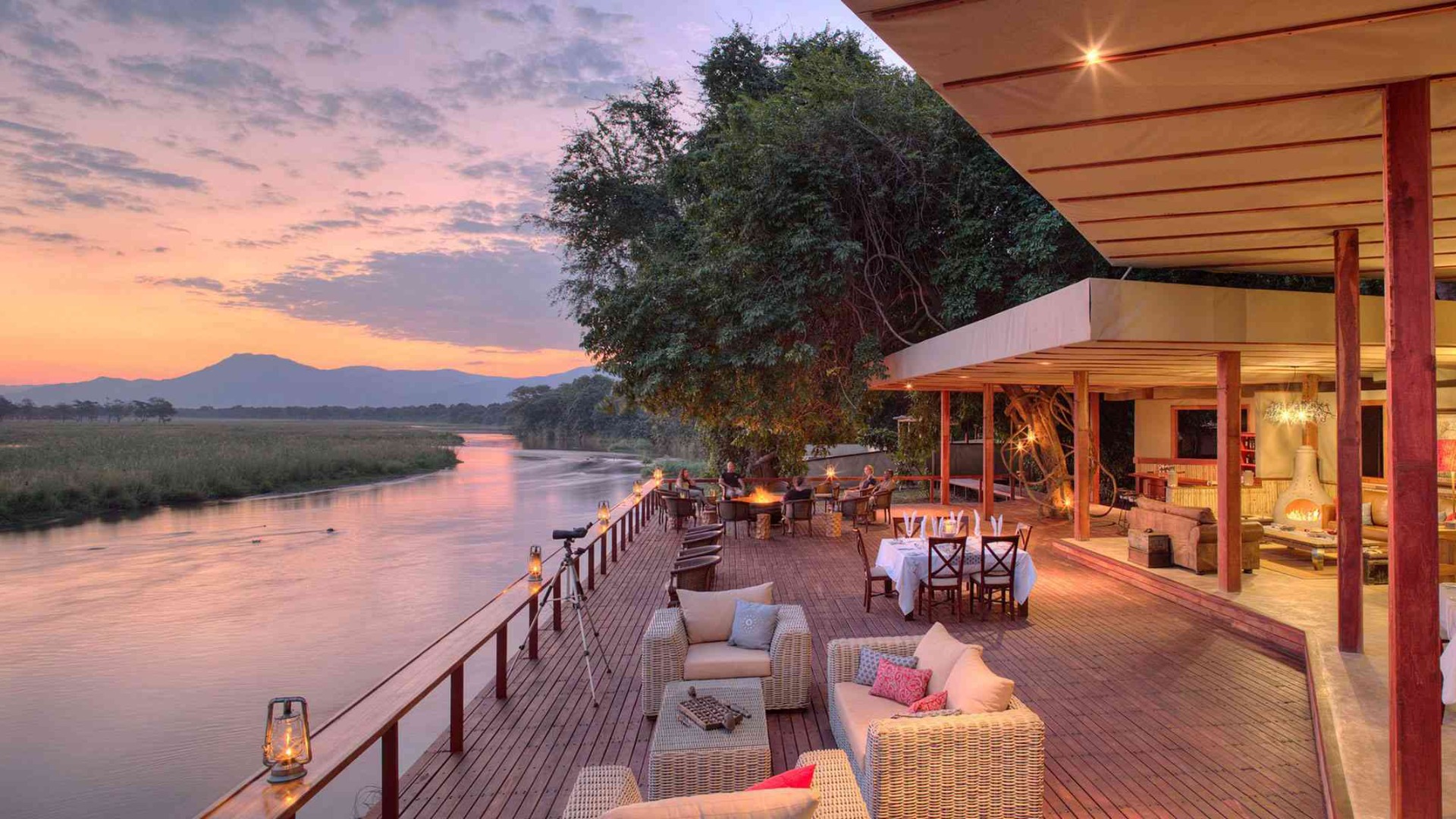
news
Zambia's 2026 Tourism Surge: Key Policy Shifts Driving Economic Gains
Encounters Africa - 5 min read
Updated on 13 May 2026
Imagine the thunder of elephant herds echoing across Zambia's vast floodplains, where tourism revenues now fuel ranger patrols and rural classrooms. In a bold move set for 2026, Zambia announces incentives slashing park fees by 20% while directing funds towards enhanced wildlife protection and community development. This Zambia 2026 tourism surge promises economic gains that ripple through remote villages, making safaris more accessible without compromising the wild heart of the nation.
These policy shifts position Zambia as a frontrunner in sustainable travel, blending affordability with conservation impact. Travellers will witness firsthand how their journeys contribute to thriving ecosystems and empowered communities, all while exploring iconic reserves like South Luangwa and Kafue National Park.
Park Fee Reductions: Unlocking Zambia's Wilds for More Travellers
Zambia's 2026 tourism incentives introduce a 20% cut in national park entry fees, effective from January 1. This measure targets peak season visitors, dropping adult fees in flagship parks from around $25 to $20 per day. The goal is clear: broaden access to pristine wilderness areas teeming with lions, leopards, and the world's largest elephant populations.
Lower barriers mean more international guests can extend stays in South Luangwa, where walking safaris reveal intimate encounters with Africa's big game. Local operators report early bookings surging by 15% following the announcement, signalling a boom in mid-range and luxury safari demand.
Yet this isn't mere discounting; revenues saved are ringfenced for frontline conservation, ensuring the fee slash sustains rather than strains ecosystems.
"By halving costs without halving protections, Zambia crafts a model where every safari dollar builds bridges between wildlife and human prosperity."
Funding Ranger Patrols: Stronger Safeguards for Iconic Species
A core pillar of the 2026 policy funnels 30% of tourism income directly into anti-poaching operations. Zambia's Department of National Parks plans to hire 500 additional rangers, equipped with drones and satellite collars for real-time monitoring in Kafue and Lower Zambezi. This addresses a 12% rise in elephant poaching incidents over the past year.
Travellers benefit from safer traverses, with expanded night drives in Luangwa now backed by aerial surveillance. Encounters Africa guides note that these patrols have already boosted lion pride sightings by 25% in pilot zones, promising richer game viewing.
The initiative extends to community scouts from nearby villages, fostering ownership over wildlife heritage.
Targeted Impact in Key Reserves
In Kafue National Park, spanning 22,500 square kilometres, new ranger bases will secure bushtrack corridors. South Luangwa sees riverine patrols intensify, protecting hippo pods vital to the ecosystem.
Kafue: 200 new patrols focusing on black rhino reintroduction zones
Lower Zambezi: Boat units targeting crocodile nesting sites
Livingstone: Urban fringe monitoring for Victoria Falls buffalo herds
Investing in Rural Schools: Education Lifted by Safari Revenues
Tourism's economic gains in 2026 will channel 25% of park proceeds into 150 rural schools near reserves. This includes building 50 new classrooms and training 300 teachers in conservation curricula by mid-year. Children in Eastern Province villages, long overshadowed by wildlife conflicts, now gain from solar-powered learning hubs.
Communities report a 40% drop in crop raiding incidents thanks to linked fencing projects, allowing farmers to thrive alongside safaris. For discerning travellers, this manifests in authentic village visits, where guides share stories of transformed lives.
Encounters Africa supports these efforts through our tailor-made safari itineraries, incorporating community stops that highlight real progress.
Wildlife Corridors: Connecting Habitats for Future Generations
Another 20% of funds targets 1,200 kilometres of wildlife corridors linking fragmented parks. Projects in the Luangwa Valley aim to reconnect elephant migration routes severed by agriculture, with 15 underpasses planned by 2026's end. This counters habitat loss affecting 60% of Zambia's large mammals.
Game drives become more dynamic as herds roam freely, offering sightings of cross-border prides. Conservationists predict a 15-20% population rebound for key species within three years.
These corridors also buffer human-wildlife interfaces, reducing conflicts that previously cost rural economies $2 million annually.

"Zambia's 2026 vision weaves tourism into the fabric of conservation, ensuring elephants thunder and children learn under the same vast skies."
What Do These Changes Mean for Your 2026 Zambia Safari?
Planning a safari amid Zambia's 2026 tourism surge? Expect seamless bookings with fees dropping across 20 national parks and reserves. The best time to visit remains June to October, when dry conditions concentrate game along rivers like the Zambezi.
Costs for a 7-night luxury itinerary, including park fees, now average 15% lower, starting at £6,500 per person sharing. High-demand areas like Lower Zambezi advise booking 9-12 months ahead.
Park fees: 20% reduction for all visitors
Best months: June-October for optimal wildlife viewing
Visa: Free on arrival for most nationalities, valid 90 days
Health: Yellow fever certificate required; malaria prophylaxis advised
Direct Answer: How Will 2026 Policies Affect Safari Costs?
The 20% park fee cut saves £100-£150 per person on a week-long journey. Combined with stable lodge rates, overall trip expenses drop 12-18%, making Zambia competitive with regional peers. Conservation levies remain unchanged at 5% of fees, ensuring sustainability.
Encounters Africa's Take on Zambia's Forward Momentum
These policy shifts affirm Zambia's commitment to balanced growth, where tourism drives prosperity without exhausting resources. From our vantage as safari specialists, we see amplified opportunities for immersive experiences in untouched landscapes.
Plan Your Zambia Safari with Encounters Africa
As Zambia's 2026 tourism surge reshapes the safari landscape, now is the moment to craft your journey. For discerning travellers seeking private safaris beyond set itineraries, contact Encounters Africa directly. We specialise in designing exceptional, tailor-made journeys for individuals, couples, families, and private groups of up to eight guests, drawing on our handpicked network of distinguished camps and lodges like those in Chiawa Safaris.
Visit our enquiry form to begin curating a seamless, deeply personal experience shaped around your preferences.
More like this
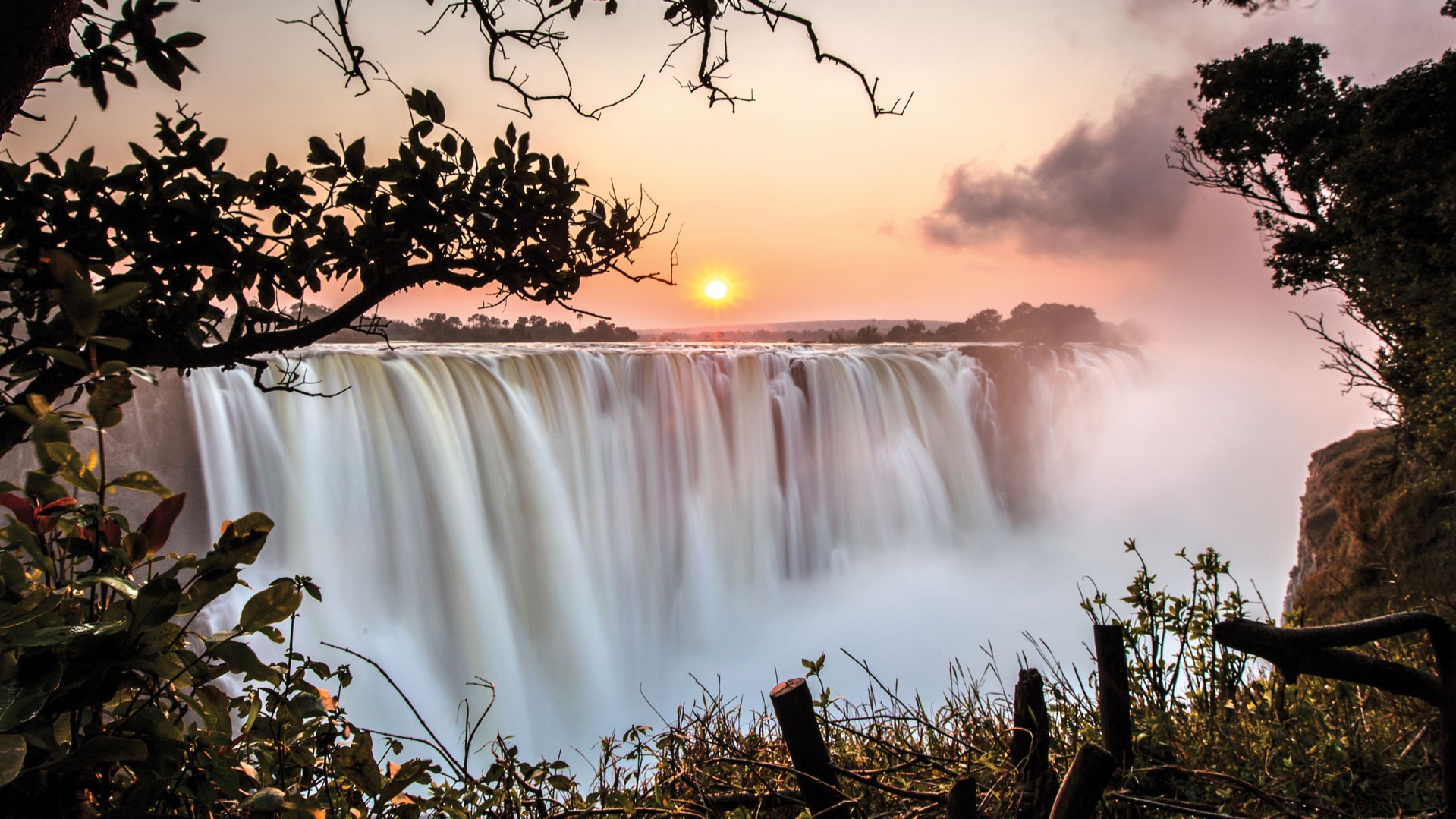
news
Zimbabwe 2026 Tourism Briefing: Visitor Caps and Park Access Rules
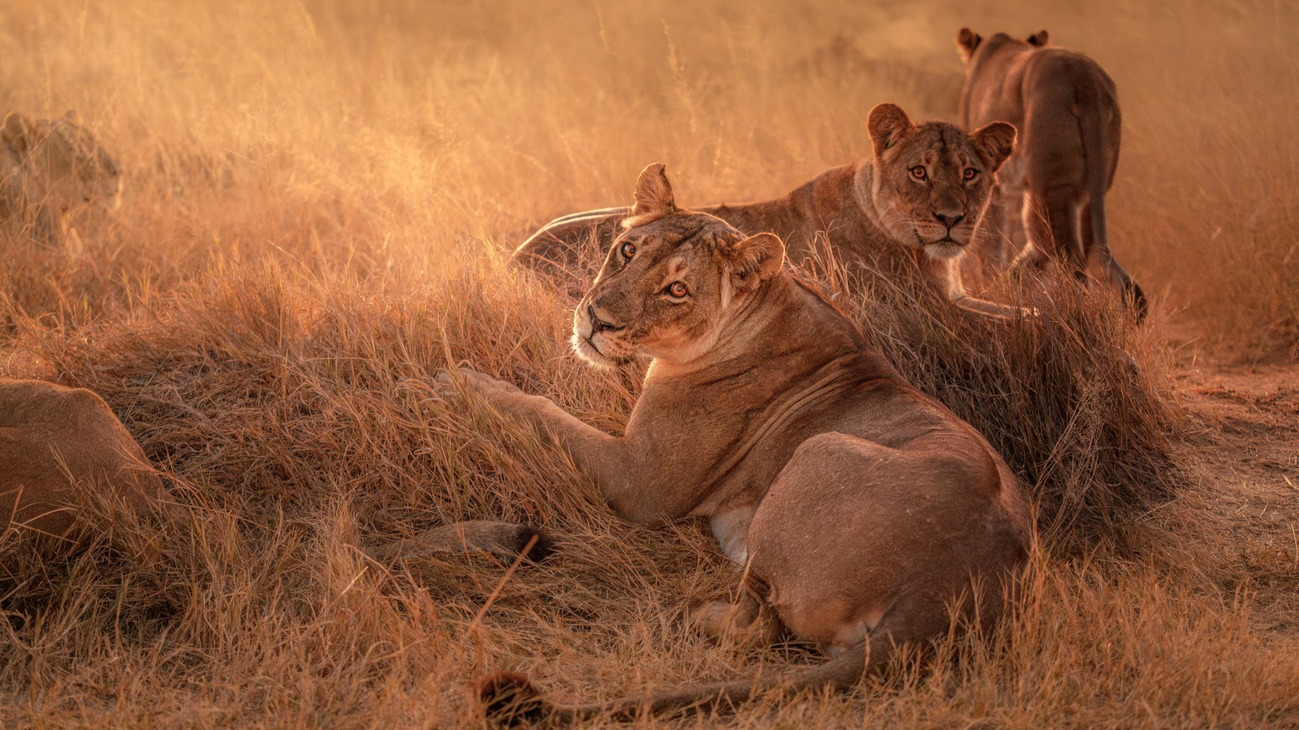
news
Zimbabwe Safari Updates 2026: Quotas, Routes and Conservation Fees
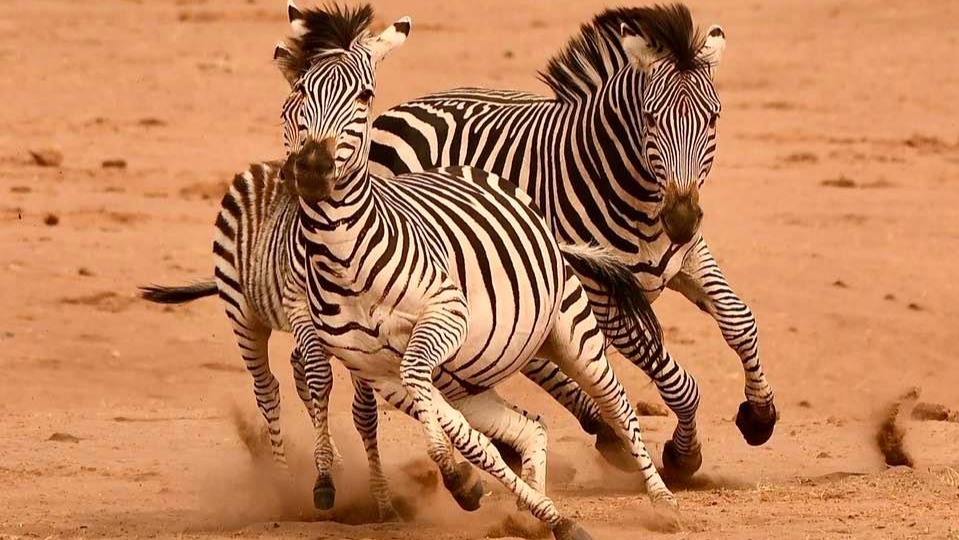
news
Zimbabwe's 2026 Migration Shifts: What Travelers Need to Plan Around
news
Africa's Visa Reforms Are Reshaping Cross-Border Journeys for Luxury Travelers
News
After Years of Drought, Botswana's Elephant Herds Find New Pathways
News