Photography
Capture Zambia’s Dramatic Light: Prime Spots for Wildlife Photography
Encounters Africa - 11 min read
Updated on 3 August 2026
Zambia's wildlife photography rewards those who understand the interplay of light, landscape and animal behaviour. From the thunderous spray of Victoria Falls to the golden-hour herds crossing the Luangwa River, discover specific locations, seasonal timing, and field techniques that elevate your wildlife and landscape photography in Zambia. This southern African country offers a remarkable range of habitats where dramatic light transforms every scene into something memorable.
Encounters Africa has guided countless photographers through these varied terrains, helping them capture images that go far beyond the ordinary. Whether you seek intimate portraits of leopards in dappled woodland or sweeping vistas of thousands of wildebeest on the move, Zambia delivers with consistency and authenticity. The best time to visit for photography is generally between May and October when the dry season concentrates wildlife around water sources and the light takes on that sought-after warm quality.
Understanding Zambia's Light and Seasons for Photography
The quality of light in Zambia changes dramatically with the seasons, offering distinct opportunities for different photographic styles. During the dry months from June to October, the sun rises and sets in a blaze of orange and red, casting long shadows across golden grasslands that make for compelling compositions. The air is clearer too, free from the haze of the wet season, allowing sharper detail even at distance.
The green season between November and April brings its own magic, with dramatic storm clouds building in the afternoon and softer, diffused light perfect for intimate wildlife portraits. Though vegetation is thicker and animals more dispersed, the vibrant colours and newborn animals create fresh narrative possibilities. Many serious wildlife photographers choose shoulder seasons to balance animal concentrations with interesting atmospheric conditions.
The magic happens in those fleeting moments when Zambia's light reveals the texture of an elephant's skin or the delicate pattern of a leopard's rosettes against bark.
When to Photograph Specific Subjects
June to September offers prime conditions for big game photography as water becomes scarce and animals gather predictably. October brings the most intense light and dramatic dust, ideal for backlit silhouettes and action sequences. The wet season from January to March rewards those seeking birdlife, with over 750 species recorded, many in stunning breeding plumage.

Prime Photography Locations Across Zambia
Zambia's national parks and private concessions each present unique photographic signatures shaped by their geography and resident wildlife. South Luangwa National Park stands out for its leopard density and beautiful riverine woodland that catches the early morning light beautifully. The park's varied terrain from open plains to dense thickets allows for diverse compositions within a single game drive.
Lower Zambezi National Park offers a completely different aesthetic with its towering ana trees and floodplains that reflect the dramatic escarpment backdrop. Here, the light often filters through palm fronds, creating natural spotlights on animals moving beneath the canopy. The river itself provides excellent opportunities for photographing elephants crossing channels or hippos in golden reflections.
Further west, Kafue National Park spans an enormous area with habitats ranging from miombo woodland to vast open plains and the Busanga Swamp. The seasonal floodplains here transform completely between dry and wet seasons, offering both intimate wildlife encounters and sweeping landscape opportunities that few other African destinations can match.
In Zambia, the landscape itself becomes a character in your photographs, shaping how light falls across wildlife and creating natural compositions that feel almost painterly.
South Luangwa's Leopard Hotspots
The dense woodland along the Luangwa River creates perfect conditions for photographing Africa's most elusive big cat. Early morning and late afternoon light filters through the mopane and tamarind trees, highlighting the leopard's rosettes against the bark. Professional guides know specific trees where these cats habitually rest, allowing patient photographers to capture behaviour rather than just portraits.
The park's excellent network of guides has contributed to a 30% increase in documented leopard sightings over the past decade, according to local conservation reports from 2023. This consistency makes South Luangwa one of the most reliable destinations for big cat photography in southern Africa.
Lower Zambezi's Riverside Drama
The Zambezi River corridor offers exceptional light throughout the day. Morning mist rising from the water creates ethereal conditions for photographing buffalo herds or fish eagles perched on deadwood. The afternoon light striking the escarpment creates a warm glow that reflects beautifully in the river, perfect for capturing elephants bathing or crocodiles basking on sandbanks.
Many photographers find the canoe safaris here particularly rewarding, as they allow silent approaches to wildlife at water level, creating intimate perspectives that vehicle-based photography cannot replicate.
Victoria Falls: Mastering Mist and Movement
The world's largest curtain of falling water presents unique photographic challenges and opportunities. The spray from Victoria Falls can reach heights of 400 metres, creating rainbows that appear in the mist at certain times of day. Photographing here requires both technical skill and patience, as the constantly changing light and water volume demand quick adaptation.
The best months for capturing the falls in full flow are March to May, when the Zambezi is at its peak after the rainy season. During these months, the spray is so intense that a raincoat for your camera equipment becomes essential. Conversely, September to November offers clearer views of the geological formations with less mist, revealing the dramatic 108-metre drop in greater detail.
From the Zambian side, the Knife Edge Bridge provides spectacular vantage points, especially during the drier months when you can actually see the full width of the falls. The light changes rapidly here, with the sun's position creating rainbows that shift position throughout the day, typically appearing between 10am and 2pm.
Techniques for Photographing the Falls
Using slower shutter speeds between 1/4 and 2 seconds creates that silky effect in the cascading water, while a polarising filter helps cut through the mist to reveal colour and detail. Always carry multiple lens cloths as the spray settles on everything within minutes. For safety, a sturdy tripod is recommended, though many experienced photographers now favour handheld techniques with image stabilisation for greater mobility.
Field Techniques That Elevate Your Zambia Photography
Successful wildlife photography in Zambia goes beyond simply having the right equipment. Understanding animal behaviour allows you to anticipate movements and position yourself for the most compelling light. Working with experienced guides who know individual animals and their routines makes the difference between capturing a standard image and creating something truly distinctive.
The golden hours in Zambia, roughly the first and last hour of daylight, transform ordinary scenes into extraordinary ones. During these times, the low angle of the sun creates dramatic side-lighting that emphasises texture and form. Learning to read the light and move accordingly is perhaps the most valuable skill any photographer can develop here.
Equipment Considerations for Zambian Conditions
A 300mm or 400mm lens serves as the workhorse for most wildlife situations, though bringing a 70-200mm allows for more environmental portraits that show animals in context. For landscape work, a wide-angle lens between 16-35mm captures the vast African skies and dramatic cloud formations particularly well. Dust is a constant factor during the dry season, so proper camera sealing and regular cleaning become important maintenance routines.
Many photographers now travel with mirrorless systems for their reduced weight on long game drives, though traditional DSLRs still excel in the challenging low-light conditions of dawn and dusk. Whatever your choice, bringing at least two camera bodies helps avoid disappointment if technical issues arise in remote locations.
Patience and knowledge of your subject's behaviour will reward you with images that capture the true spirit of Zambia's wild places far more than any expensive lens ever could.
Conservation Through the Lens: Ethical Photography Practices
Responsible wildlife photography in Zambia means putting the welfare of animals and their habitats first. This includes maintaining respectful distances, never encouraging guides to off-road in sensitive areas, and avoiding artificial light or calls that might disturb natural behaviour. The images you create can become powerful ambassadors for conservation when shared thoughtfully.
Zambia's conservation efforts benefit significantly from responsible tourism revenue, with national parks receiving funding that supports anti-poaching and community development projects. By choosing operators committed to ethical practices, photographers directly contribute to protecting the very subjects they wish to capture.
Many lodges now offer dedicated photography vehicles with beanbags and charging facilities, allowing for more comfortable and productive shooting without compromising on ethical standards. These specialised vehicles often feature lower sides for better ground-level perspectives while maintaining safe distances from wildlife.
Supporting Local Conservation Initiatives
Photography can play a vital role in highlighting conservation success stories. Zambia has seen its African wild dog population stabilise in recent years thanks to dedicated conservation programmes across several parks. Capturing images of these endangered painted wolves helps raise awareness about their vulnerability and the efforts to protect them.
Similarly, the black lechwe herds of the Bangweulu Wetlands, numbering around 100,000 individuals, represent one of Zambia's great wildlife spectacles. Documenting their seasonal movements contributes to the body of knowledge that informs protection strategies for this important wetland ecosystem.

Planning Your Photographic Safari in Zambia
The most successful photography journeys combine the right locations at the right times with experienced guides who understand both wildlife and the specific needs of photographers. A typical two-week itinerary might include time in both South Luangwa and Lower Zambezi, allowing you to experience two very different photographic environments while capturing a wide variety of species and landscapes.
Consider travelling with a small group of like-minded photographers or opting for a private safari that allows you to dictate the pace and focus of each drive. Many serious photographers allocate at least three nights in each location to allow for varying weather conditions and to build relationships with specific animals and their routines.
For those seeking something truly specialised, certain camps offer dedicated photography hides that provide eye-level access to drinking animals during the dry season. These fixed positions allow for extended observation periods and the chance to capture behaviour that fleeting game drives might miss.
What to Expect on a Photography-Focused Safari
Photography-centric safaris typically begin before first light to catch the magic of dawn, with returns to camp for breakfast and rest during the harsh midday hours. Afternoon drives extend well after sunset, using spotlights responsibly to capture nocturnal creatures. Expect to cover less ground than on standard game drives, as time is spent waiting for optimal light and behaviour rather than ticking off species lists.
Most dedicated photography guides carry supplementary lighting and understand how to use it minimally and ethically. They will also help you refine compositions in the field, suggesting different angles or focal lengths that might enhance your images based on the available light.
Capturing Zambia's Wild Spirit Through Your Lens
Zambia's photographic potential extends far beyond its charismatic megafauna. The country's diverse birdlife, dramatic geological features and vibrant cultural landscapes all offer rich subject matter for the observant photographer. From the intricate patterns of a ground hornbill's feathers to the abstract reflections in a drying lagoon, the opportunities for creative expression are limited only by your imagination and patience.
The most rewarding images often come not from the biggest lenses or most expensive equipment, but from deep understanding of light, animal behaviour and the rhythms of the African bush. Those who return to Zambia season after season speak of how the country teaches them to see differently, to notice subtleties that first-time visitors might overlook.
Whether you are an experienced professional or an enthusiastic amateur, Zambia offers a photographic journey that will expand both your portfolio and your appreciation for Africa's wild places. The combination of varied ecosystems, excellent guiding and that extraordinary quality of light creates conditions that few other destinations can match.
For discerning travellers seeking a private safari beyond our set itineraries, we invite you to contact us directly. We specialise in designing exceptional, tailor-made journeys for individuals, couples, families, and private groups of up to eight guests. Drawing on our handpicked network of distinguished camps and lodges, we curate every detail with precision and care, creating a seamless, deeply personal safari experience shaped entirely around your preferences, pace, and budget.
Explore our Zambia photography safaris or discover more in our article on practical wildlife photography techniques across Africa. To begin planning your own Zambian photographic adventure with Chiawa Camp or other outstanding properties, please visit our enquiry form and let us help you capture the magic of Zambia through your lens.
More like this
Photography
Chasing the Light: A Photographer's Personal Encounters in Kenya
photography
Choosing Bean Bags Over Gimbals for Photographic Safaris in Africa
photography
Drones Face Strict No-Fly Rules Across African Parks
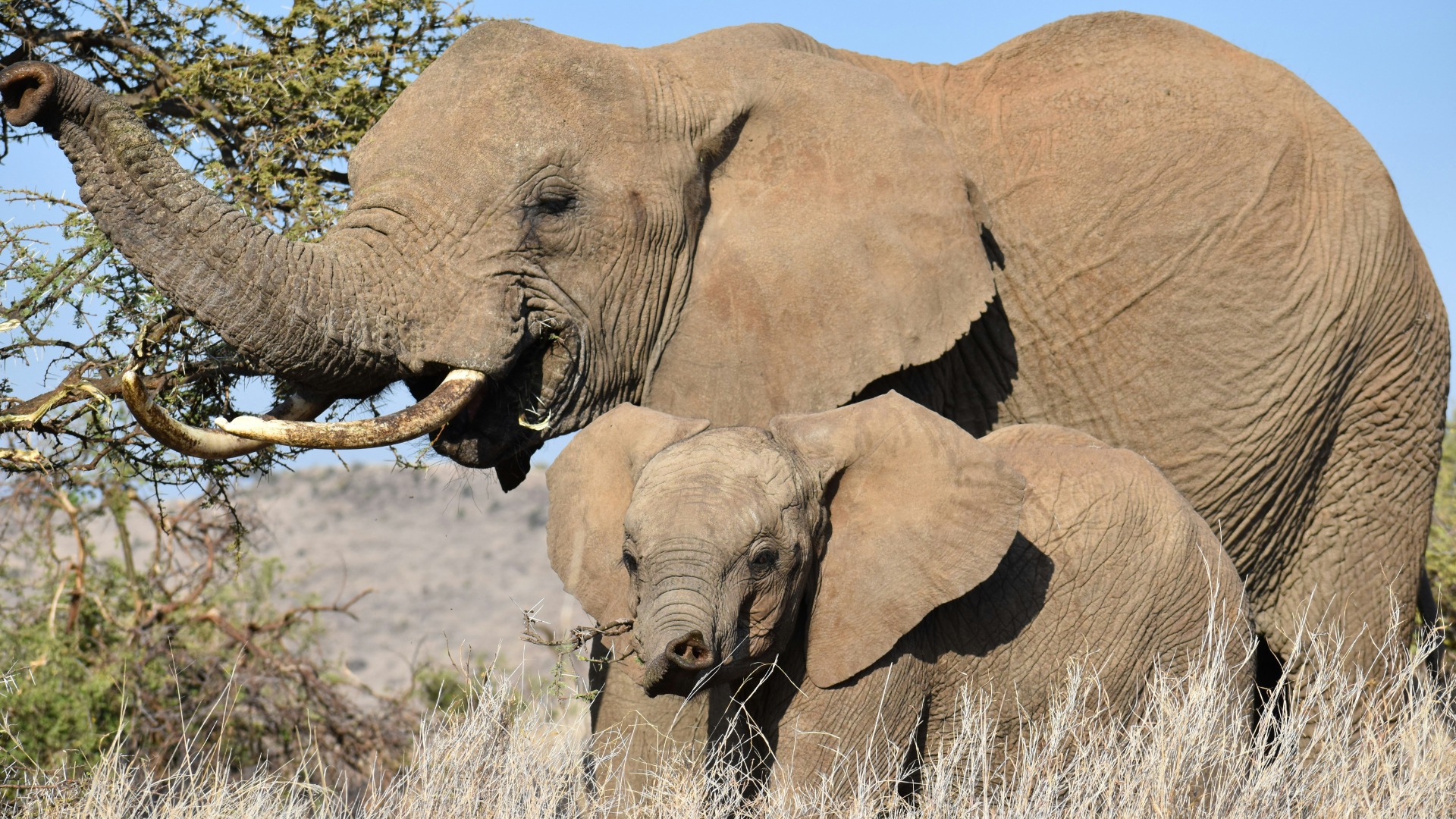
Photography
Essential Camera Gear for Capturing Africa's Iconic Wildlife Moments
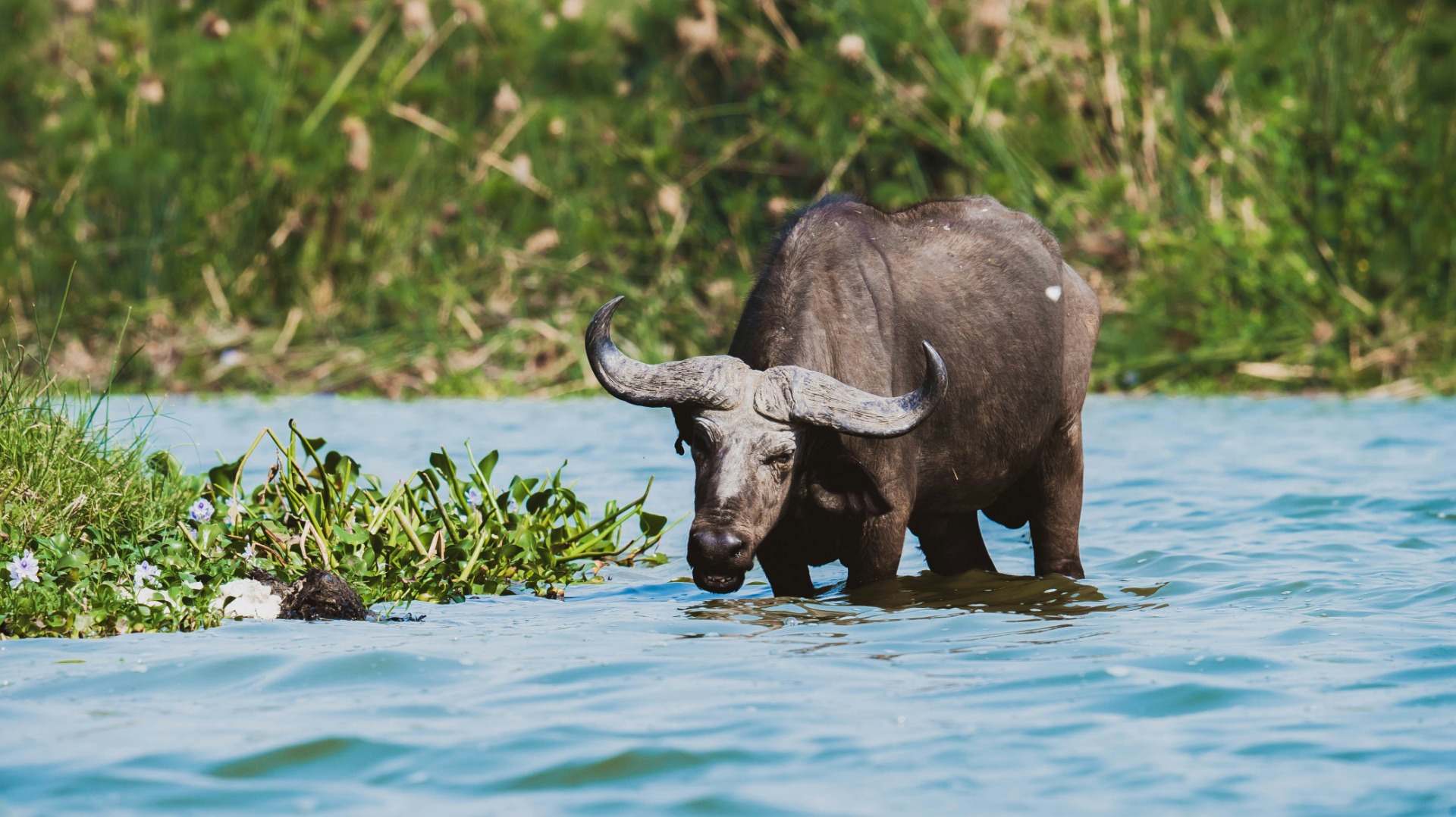
Photography
Field Notes from Uganda: Camera Techniques for Capturing Primate Behavior in Dense Forest
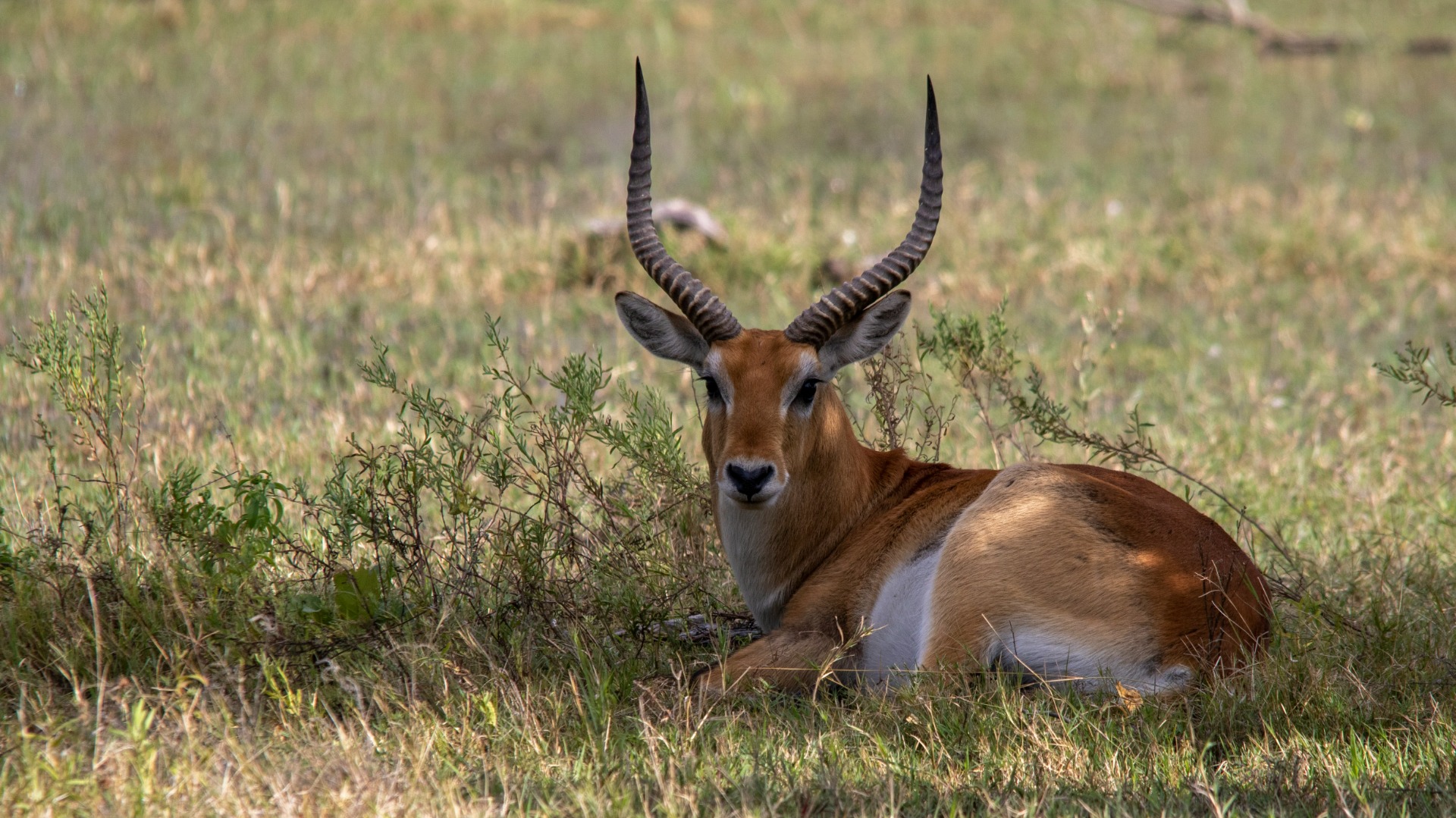
Photography