Photography
Chasing the Light: A Photographer's Personal Encounters in Kenya
Encounters Africa - 9 min read
Updated on 17 June 2026
Photography opportunities in Kenya reward those who understand the interplay of light, season and landscape. From the sweeping plains of the Maasai Mara to the arid beauty of Samburu, the country offers a rich palette for both wildlife and landscape photographers. The best times for photography opportunities align closely with the rhythms of the dry seasons, when animals gather predictably and the light becomes more dramatic.
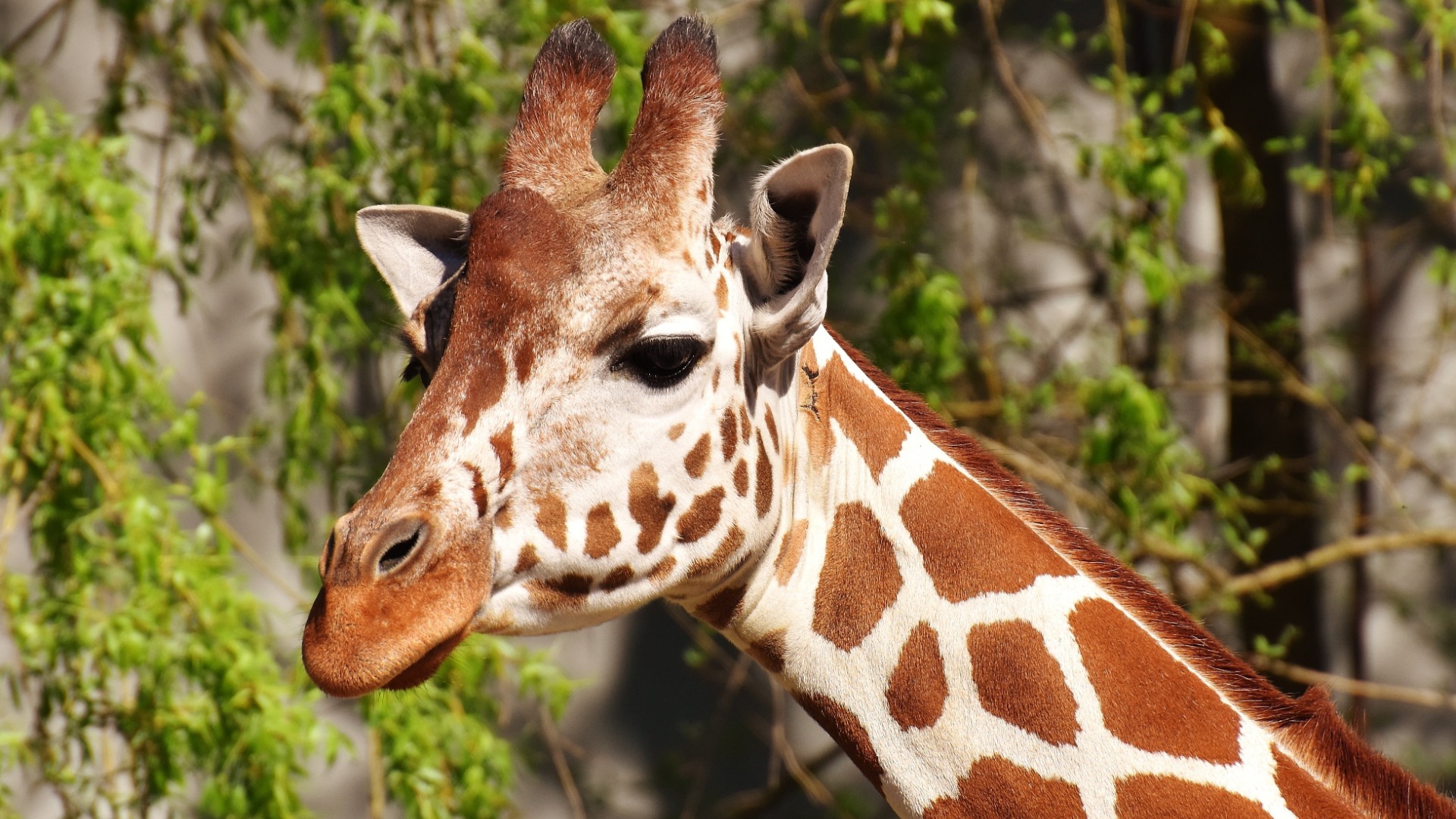
Over the course of several journeys with Encounters Africa, I have learned that patience and precise timing transform good images into memorable ones. Whether capturing a herd of elephants against the snow-capped peak of Kilimanjaro or the intricate patterns of a reticulated giraffe at dawn, Kenya consistently delivers scenes that stir the soul. This personal account shares hard-won insights gathered across multiple visits between 2018 and 2024.
Understanding Kenya's Light and Seasons
The equatorial sun in Kenya rises and sets with remarkable consistency, offering golden hour opportunities within the first and last hour of daylight. However, the real magic often unfolds in the shoulder hours when the light softens further. The long rains typically fall between March and May, while the short rains arrive in October and November. These wet periods bring lush vegetation but can make roads challenging and skies less predictable for landscape work.
The dry seasons from June to October and December to February provide the clearest conditions. During these months, animals concentrate around water sources, creating natural compositions that require minimal intervention from the photographer. Early morning mist in the highlands and the dust kicked up by migrating herds in the lowlands add atmospheric depth to images.
The light in Africa does not merely illuminate; it sculpts, reveals and sometimes conceals in ways that challenge even the most experienced eye.
When to Visit for Different Subjects
For big cat action in the Masai Mara, July through September coincides with the wildebeest migration, bringing drama to the river crossings. The light during this period is often crisp, with fewer clouds to diffuse the sunrise. Bird photographers find Lake Nakuru most rewarding between November and March when flamingos gather in their tens of thousands.
Elephant and buffalo herds in Amboseli National Park are best photographed from June to October when the swamps shrink and the herds move in predictable patterns against the backdrop of Mount Kilimanjaro. The mountain itself is most visible in the early morning during these drier months before the heat haze builds.
Prime Photography Locations Across Kenya
Each region presents its own visual signature. The Masai Mara offers vast horizons and predator-prey interactions that test a photographer's ability to anticipate behaviour. In contrast, the Samburu National Reserve provides more intimate encounters with unique species such as the gerenuk and Beisa oryx against a backdrop of rugged hills and doum palms.
The Laikipia plateau delivers a different pace, with conservancies such as Ol Pejeta Conservancy allowing off-road access that creates closer approaches to black and white rhinos. Further north, the arid landscapes around the Chalbi Desert test one's ability to work with harsh light and minimal vegetation, rewarding those who master negative space.
Coastal locations such as Watamu offer opportunities for underwater and marine photography, particularly between July and March when visibility improves. The coral gardens and seasonal visits by whale sharks create subjects quite different from the terrestrial wonders found inland.
In the golden light of a Samburu dawn, even the dust becomes part of the story, turning ordinary moments into compositions that linger long after the shutter closes.
Working with Local Knowledge
Successful photography in Kenya relies heavily on the expertise of local guides who understand animal behaviour and can predict where the best light will fall on a particular landscape. At properties such as Elewana Elephant Pepper Camp in the Mara North Conservancy, guides work closely with photographers to position vehicles for the optimal angle before the light changes.
These partnerships often extend beyond the drive. Many camps now offer dedicated photography vehicles with bean bags, charging points and even space for additional lenses. This infrastructure allows for more comfortable shooting sessions that can last several hours when conditions are perfect.
Essential Photography Tips for Kenyan Safaris
Preparation remains the foundation of great wildlife photography. A 70-200mm lens paired with a 300mm or 400mm prime offers versatility for most situations, while a wider 24-70mm captures the landscape context that makes Kenyan scenes so distinctive. Always carry a polarising filter to manage the intense equatorial light and reduce glare on water surfaces.
Understanding exposure compensation proves crucial when photographing animals against bright skies or in dappled shade. I typically underexpose by a third to half a stop in bright conditions to preserve highlight detail, particularly when shooting the pale coats of animals such as the reticulated giraffe or Grevy's zebra.
Anticipation separates adequate images from exceptional ones. Learning to read subtle signs, the flick of an ear or the tension in a herd, allows you to be ready when the decisive moment arrives. In the Laikipia region, this might mean waiting quietly at a waterhole for an hour as the light gradually improves.
Technical Considerations for Different Conditions
Early morning and late afternoon offer the most flattering light, but they also demand higher ISO settings as the sun dips lower. Modern mirrorless cameras handle noise remarkably well up to ISO 3200, allowing you to maintain shutter speeds fast enough to freeze movement. For birds in flight around Lake Nakuru, I recommend keeping the shutter above 1/2000th of a second.
Dust is an ever-present challenge, particularly during the dry season in the Mara. Regular cleaning of lenses and camera bodies prevents spots that become obvious in post-production. Many photographers now travel with weather-sealed equipment and carry lens cloths treated with anti-static solution.
The most powerful images often emerge not from perfect conditions but from the ability to see potential where others see only difficulty.
Seasonal Photography Calendar for Kenya
January to March brings clear skies and excellent wildlife viewing across most regions. This period offers some of the best opportunities for landscape photography, particularly in Amboseli where the mountain is often visible at dawn. The light remains warm and the days predictable.
June to October coincides with the Great Migration in the Masai Mara, creating opportunities for dramatic river crossing photographs. The light during these months is particularly beautiful, with long shadows and golden tones that enhance the movement of thousands of animals. Birdlife is more concentrated around remaining water sources.
The short rains in November can transform the landscape overnight, bringing fresh green growth and spectacular cloud formations. While some roads become challenging, the dramatic skies reward landscape photographers willing to work with changing conditions. December offers a transitional period with building storms that create moody backdrops for wildlife portraits.
What is the Best Time for Photography Opportunities in Kenya?
The best times for photography opportunities in Kenya depend on your primary subject, but for most wildlife and landscape work, the dry seasons from June to October and January to February deliver the most consistent results. These periods offer clearer skies, better visibility and more predictable animal behaviour as water sources become limited.
July and August stand out for migration photography in the Masai Mara, with river crossings often occurring in the early morning light. For bird photography, November to March provides optimal conditions at lakes such as Nakuru and Bogoria. Landscape photographers may prefer the transitional months of April and November when dramatic cloud formations add interest to wide-angle compositions.
Private photographic safaris allow greater flexibility in timing. With Encounters Africa, we can arrange departures that align precisely with your photographic goals, whether that means being in position for the first light on Mount Kilimanjaro or waiting for the perfect light during a predator hunt.
Conservation Through the Lens
Photography in Kenya carries a responsibility that extends beyond creating beautiful images. Many lodges now work with conservation organisations, using guest photographs to document wildlife populations and support anti-poaching initiatives. At Ol Pejeta, for instance, images of the last two northern white rhinos have helped raise international awareness and funding.
Ethical photography means maintaining respectful distances, never disrupting natural behaviour for the sake of a shot, and supporting the communities that protect these landscapes. When you book through Encounters Africa, a portion of your journey contributes directly to conservation projects across the regions you visit.
The act of photographing Kenya's wildlife has evolved from simple capture to active participation in its protection. Many of our travellers return year after year, documenting changes in specific animal families and contributing their images to long-term monitoring programmes.

Creating Your Own Photographic Journey
Kenya offers endless possibilities for those willing to engage deeply with its landscapes and inhabitants. The country rewards returning visitors with increasingly nuanced understanding, revealing subtleties that first-time travellers might miss. Whether you seek the thunder of migrating wildebeest or the quiet dignity of an elderly elephant, the light will find you if you know where and when to look.
Our experience curating photographic safaris has shown that the most satisfied travellers are those who combine technical preparation with openness to unexpected moments. The image you never planned for often becomes the one that defines your journey. For discerning travellers seeking a private safari beyond our set itineraries, we invite you to contact us directly. We specialise in designing exceptional, tailor-made journeys for individuals, couples, families, and private groups of up to eight guests. Drawing on our handpicked network of distinguished camps and lodges, we curate every detail with precision and care, creating a seamless, deeply personal safari experience shaped entirely around your preferences, pace, and budget.
Begin planning your Kenyan photographic adventure by exploring our Kenya safari collection or discover more in our article on ethical wildlife photography across Africa. Whatever your vision, Encounters Africa stands ready to transform it into reality. Visit our enquiry form to start the conversation about your perfect photographic journey through Kenya's extraordinary light.
More like this
photography
Choosing Bean Bags Over Gimbals for Photographic Safaris in Africa
photography
Drones Face Strict No-Fly Rules Across African Parks
Photography
Essential Camera Gear for Capturing Africa's Iconic Wildlife Moments
Photography
Field Notes from Uganda: Camera Techniques for Capturing Primate Behavior in Dense Forest
Photography
Field-Proven Camera Settings for Botswana's Shifting Light and Wildlife Action
Photography