Photography
Essential Camera Gear for Capturing Africa's Iconic Wildlife Moments
Encounters Africa - 9 min read
Updated on 13 August 2026
Essential camera gear for capturing Africa's iconic wildlife moments begins with understanding the demands of varied habitats, from the open grasslands of the Masai Mara to the dense thickets of the Okavango Delta. A discerning photographer arrives equipped not with excess but with precision tools that deliver sharp, emotive frames whether tracking a pride at dawn or waiting for a leopard to descend at dusk. This guide distils decades of field experience into practical recommendations that balance weight, reach, and image quality for memorable results.
The African landscape tests equipment relentlessly. Dust infiltrates every seam, afternoon heat can soften adhesives, and sudden downpours arrive without warning. Choosing the right lenses, camera bodies, and support systems ensures you remain focused on the unfolding drama rather than wrestling with technical limitations. Whether you are documenting the annual wildebeest migration or hoping for a fleeting glimpse of an elusive pangolin, preparation translates directly into publishable images.

Why Lens Selection Matters for African Wildlife Photography
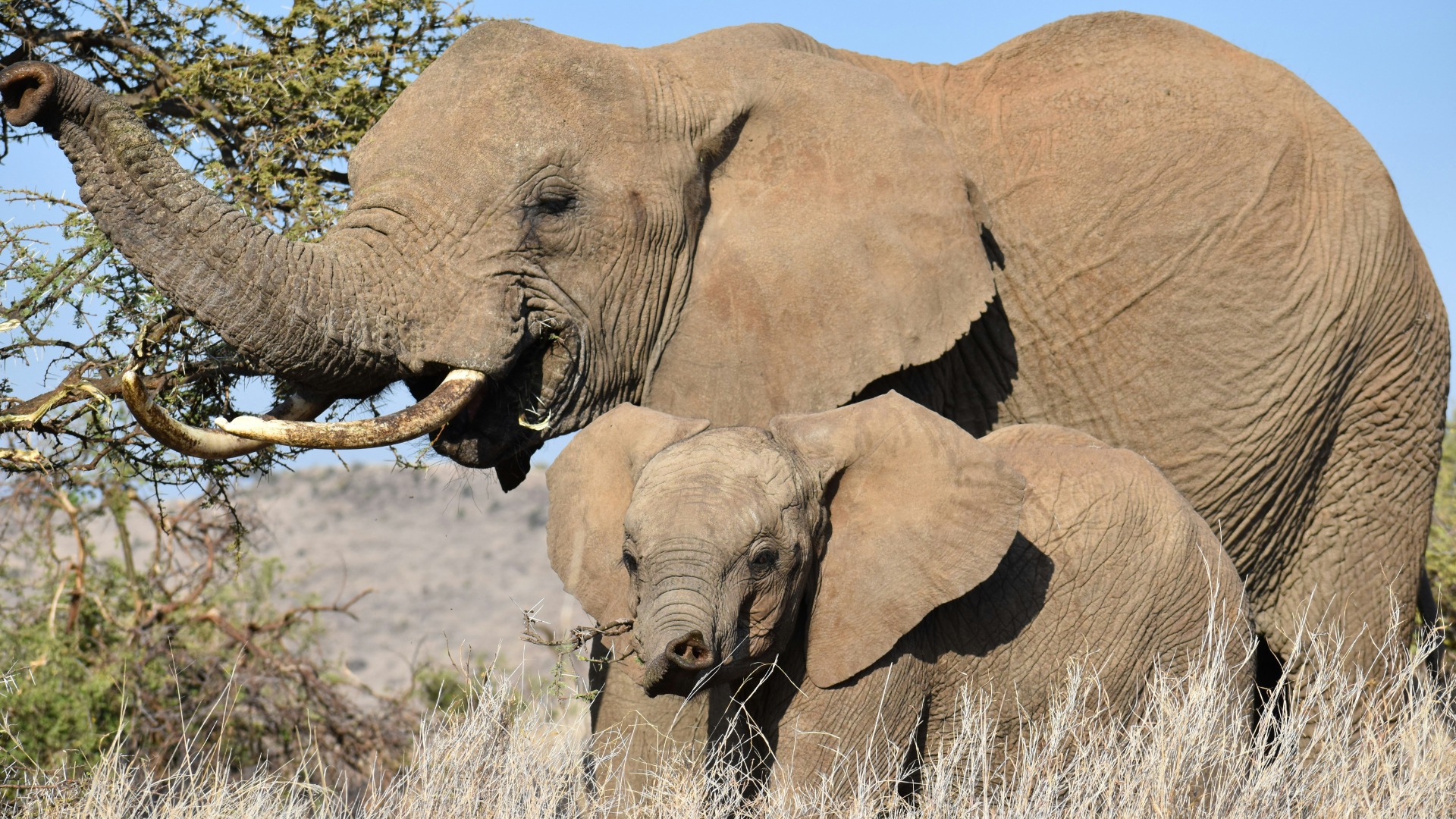
African wildlife rarely poses obligingly at medium distances. A lion may lounge 15 metres from your vehicle one moment and vanish into tall grass the next. Conversely, a vast herd of elephants crossing a floodplain requires context that only a wide perspective can provide. The right combination of focal lengths allows both intimate portraits and environmental storytelling without constant lens changes that risk missing the decisive instant.
Light conditions fluctuate dramatically. Golden hour offers rich, warm tones ideal for portraits, yet midday glare on pale salt pans can fool even sophisticated metering systems. Fast apertures become essential when working in thick woodland or during the blue hour when predators stir. Durability also counts: equipment must withstand vibration from rough tracks and the occasional jolt when a vehicle manoeuvres quickly to follow action.
In the split second between a cheetah's crouch and its explosive sprint, your gear must already be ready; there is no time to second-guess focal length or aperture.
Core Lenses Every Wildlife Photographer Should Pack
A versatile 100-400mm or 200-500mm zoom forms the backbone of most African safaris. These lenses offer the flexibility to capture tight headshots of a black rhino or pull back slightly to include surrounding habitat. Many professionals favour the Canon RF 100-500mm f/4.5-7.1 or Nikon Z 100-400mm f/4.5-5.6 for their relatively compact size and weather sealing. A fixed 400mm f/2.8 or 600mm f/4 prime delivers superior sharpness and low-light performance for those targeting birds or distant predators, though the added weight requires careful consideration of transport limits on light aircraft.
For landscape context and intimate environmental portraits, a 24-70mm f/2.8 standard zoom proves invaluable. It captures sweeping vistas across the Serengeti plains at first light or frames a lone acacia against a fiery sky. Pair this with a 70-200mm f/2.8 for mid-range versatility; the combination covers most encounters without gaps. Macro enthusiasts should include a 100mm or 200mm macro lens for detailing the iridescent wing of a beetle or dew on a spiderweb, subjects that reward patient observation between game drives.
Camera Bodies Suited to Safari Conditions
Modern mirrorless bodies have transformed wildlife photography by offering silent shooting, rapid burst rates, and sophisticated animal eye-tracking autofocus. The Sony A1 or Canon EOS R5 deliver 30+ frames per second with subject detection that locks onto eyes even through foliage. For those preferring DSLRs, the Nikon D850 remains a workhorse thanks to its robust build and 45-megapixel resolution that permits generous cropping of distant subjects.
Two-body strategy minimises lens changes. Many experienced travellers carry one high-resolution body for landscape and portrait work alongside a faster, lower-megapixel model optimised for action. Weather sealing across both is non-negotiable; African dust finds every microscopic gap. Backup cards and batteries should equal at least twice your anticipated daily usage, as charging opportunities can be limited in remote concessions.
Carrying two complementary camera bodies means the difference between documenting a leopard kill and watching helplessly while changing lenses as precious seconds evaporate.
Support Systems and Stabilisation Essentials
Handholding a 600mm lens for hours invites fatigue and camera shake. A sturdy beanbag remains the safari photographer's best friend, conforming perfectly to vehicle window sills or roof hatches. For those preferring more structure, a Gitzo or Manfrotto carbon-fibre tripod paired with a gimbal head offers smooth tracking of running animals or flying birds. Monopods provide a useful middle ground when space is restricted inside shared vehicles.
Image stabilisation technology has advanced considerably. Lenses with 5- or 6-stop compensation allow slower shutter speeds in low light, yet combining this with a solid support still yields the sharpest files. Consider a lightweight carbon-fibre plate that doubles as both tripod mount and quick-release for switching between vehicles and walking safaris.
Essential Accessories That Make a Difference
Beyond lenses and bodies, several smaller items dramatically improve success rates. A high-quality polarising filter reduces glare on water surfaces when photographing hippos or crocodiles, while a neutral density filter enables creative motion blur of running herds during brighter hours. Lens coats or rain sleeves protect expensive glass during sudden thunderstorms common in Kenya and Tanzania between October and December.
Memory cards should be UHS-II or faster with capacities of 128GB or more; nothing ruins a morning like running out of storage during peak activity. A rugged hard drive or portable SSD for daily backups guards against card failure far from any service centre. Cleaning kits with sensor swabs, lens pens, and blower brushes help maintain clarity despite pervasive dust.
Power management requires attention. Solar chargers or high-capacity power banks keep devices operational during multi-day mobile safaris. Many lodges offer limited charging facilities shared among guests, making personal solutions prudent. Head torches with red-light settings preserve night vision while moving between tent and vehicle during nocturnal excursions.
Optimising Your Kit for Different African Landscapes
Each destination presents unique challenges that influence gear choices. In the open plains of the Masai Mara or Serengeti, longer telephoto lenses excel for isolating individuals within vast herds. Dense woodland in South Africa's private reserves or Botswana's Moremi Game Reserve favours faster apertures and shorter zooms that perform better in dappled light. Coastal and marine environments around South Africa benefit from weather-sealed bodies and protective filters against salt spray.
Weight restrictions on light aircraft common in Botswana and Zambia often limit total luggage to 15kg or less. This constraint forces thoughtful curation. Many photographers opt for versatile zooms rather than multiple primes, accepting a small trade-off in maximum aperture for reduced bulk. Mirrorless systems with collapsible lenses generally pack more efficiently than traditional DSLRs with bulky batteries.
The most valuable piece of equipment is often the one left behind; restraint creates space for spontaneity and lighter movement when the perfect moment appears.
Common Questions About Safari Photography Equipment
What focal length is most useful for African wildlife? A 400mm lens covers the majority of encounters, allowing frame-filling portraits of lions, elephants, and many antelope species while remaining safe and respectful of animal space. Adding a 1.4x teleconverter extends reach to 560mm for smaller or more distant subjects such as cheetah or birds without carrying an additional heavy lens.
Should I bring a drone for aerial perspectives? Regulations vary significantly between countries and even individual concessions. Kenya and South Africa maintain strict rules regarding drone use in national parks, often requiring special permits that can take weeks to obtain. Many private reserves prohibit them entirely to avoid disturbing wildlife. Always confirm current restrictions with your operator well in advance.
How many camera bodies are recommended? Two bodies represent the sweet spot for most travellers. This configuration allows one to remain fitted with a wide-angle or mid-range zoom for landscapes and camp scenes while the second carries a telephoto ready for sudden action. A single body with frequent lens changes increases the risk of dust ingress and missed opportunities.
Protecting and Maintaining Your Gear in the Bush
African conditions accelerate wear on even the best equipment. Silica gel packs inside camera bags absorb moisture during humid nights in the Delta or coastal regions. Avoid leaving gear in direct sunlight inside vehicles where temperatures can exceed 50°C within minutes. Morning condensation on lenses requires gentle wiping with a microfibre cloth rather than forceful rubbing that can scratch coatings.
Professional guides often advise keeping equipment covered when not in use. Simple canvas wraps or dedicated rain covers double as dust protection between sightings. At day's end, a thorough inspection for grit around seals and mounts prevents long-term damage. Many lodges provide secure storage, yet keeping sensitive items in your tent with appropriate climate control remains advisable.

Turning Technical Preparation into Memorable Images
Mastering equipment serves only as the foundation. The most compelling wildlife photographs emerge from patience, anticipation, and deep understanding of animal behaviour. Knowing when a herd of zebra will break into a run or recognising the subtle tail twitch that signals a leopard about to pounce allows you to pre-empt the action rather than react to it. Combine technical excellence with fieldcraft and your images will resonate far beyond mere documentation.
Encounters Africa has guided countless photographers through these landscapes, refining approaches that balance technical demands with the sheer joy of observation. Our experienced team selects camps and concessions where wildlife viewing aligns with optimal photographic conditions, whether that means quiet morning light on the Chobe Game Lodge floodplains or the dramatic light of golden hour in Laikipia.
For discerning travellers seeking a private safari beyond our set itineraries, we invite you to contact us directly. We specialise in designing exceptional, tailor-made journeys for individuals, couples, families, and private groups of up to eight guests. Drawing on our handpicked network of distinguished camps and lodges, we curate every detail with precision and care, creating a seamless, deeply personal safari experience shaped entirely around your preferences, pace, and budget.
Begin planning your photographic safari today by visiting our enquiry form. Share your vision, preferred destinations, and the species that most captivate you. Our specialists will craft an itinerary that positions you in the right place at the right time with the knowledge and support that transforms good images into extraordinary ones.
More like this
Photography
Field Notes from Uganda: Camera Techniques for Capturing Primate Behavior in Dense Forest
Photography
Field-Proven Camera Settings for Botswana's Shifting Light and Wildlife Action
Photography
Field Skills That Let You Spot Elusive African Animals Before They Vanish
Photography
Field Techniques for Capturing Tanzania's Wildlife in Shifting Light Conditions
Photography
Framing Paradise: How Seychelles Light and Isolation Shape Distinct Images
Photography