photography
Drones Face Strict No-Fly Rules Across African Parks
Encounters Africa - 8 min read
Updated on 19 August 2026
Drones face strict no-fly rules across African parks, reshaping how photographers document the continent’s wild spaces. From the vast floodplains of the Okavango Delta to the golden grasslands of Kenya’s Masai Mara, these regulations protect sensitive wildlife while challenging image-makers to find fresh creative approaches. Professional travellers seeking authentic aerial perspectives must now navigate a complex patchwork of national laws, park-specific bans, and permit systems that prioritise conservation over convenience.
At Encounters Africa we have guided countless photographers through these evolving restrictions. Our experience shows that understanding the rules early leads to richer, more considered imagery and deeper respect for the landscapes we all wish to preserve. This guide explains the current reality, why the rules exist, and how to capture Africa’s grandeur without compromising ethical standards or risking heavy penalties.

Why African Wildlife Authorities Have Introduced Drone Restrictions
The surge in affordable drone technology has brought both opportunity and risk to conservation areas. Animals that have never encountered mechanical buzzing can become stressed, altering natural behaviours from feeding to breeding. In extreme cases, repeated disturbance has led to abandoned nests or disrupted migration patterns across species as varied as vultures, elephants, and big cats.
Park managers also cite safety concerns. Low-flying craft near helicopters used for anti-poaching or veterinary work create genuine collision hazards. Additionally, the visual intrusion of drones can shatter the sense of wilderness that draws discerning travellers to these remote corners in the first place. Botswana, for instance, implemented a blanket ban inside all national parks and most private concessions in 2018, citing both wildlife welfare and the need to protect the integrity of low-impact tourism experiences.
Respecting these boundaries is not simply about avoiding fines; it is about preserving the very authenticity that makes African wildlife photography meaningful.
Current No-Fly Policies: Country-by-Country Overview
Regulations differ markedly across popular safari destinations. In Botswana, flying drones is prohibited in all protected areas including the Okavango Delta, Chobe National Park, and Makgadikgadi Salt Pans. Exceptions are granted only to researchers with prior written approval from the Department of Wildlife and National Parks, a process that can take months.
Kenya maintains similarly tight controls. The Kenya Civil Aviation Authority requires a drone operator’s licence, public liability insurance, and explicit permission from the Kenya Wildlife Service before any flight near protected areas. In practice, this means almost no recreational or commercial photography is permitted inside the Masai Mara National Reserve, Amboseli National Park or Lake Nakuru. South Africa allows limited commercial drone use in certain private reserves with written consent, yet national parks such as Kruger remain strictly off-limits without special research permits.
Tanzania and Zambia follow comparable patterns. Flights are banned within 10 kilometres of many national park boundaries, and operators risk confiscation of equipment plus fines reaching several thousand dollars. Rwanda has taken a particularly firm stance around its mountain gorilla habitats, where even the distant hum of a drone can disturb highly sensitive primates.
Permitted Zones and Grey Areas
Some community conservancies and private concessions bordering major parks do allow controlled drone flights, provided operators obtain written permission from the landowner and adhere to strict height and distance limits. In Kenya’s Mara Naboisho Conservancy, for example, certain lodges can arrange supervised flights outside peak wildlife activity hours. These opportunities remain rare and are granted only to responsible professionals who can demonstrate both technical competence and genuine conservation alignment.
The most compelling aerial images often emerge not from breaking rules but from working thoughtfully within them.
How Professional Photographers Adapt: Creative Alternatives to Drones
With aerial technology largely unavailable, leading wildlife photographers have returned to traditional skills with renewed appreciation. Elevated viewing platforms, strategic use of natural topography, and patient observation from ground level can produce images every bit as dramatic as those captured from above.
Many travellers now incorporate hot-air balloon flights where permitted. In the Masai Mara, dawn balloon safaris offer legitimate aerial perspectives without the disturbance of drones. These experiences, though more expensive, deliver sweeping views across the plains while supporting local operators and remaining fully compliant with regulations.
Longer lenses combined with careful positioning near waterholes or ridgelines allow intimate portraits that convey scale and habitat context. Photographers working with Encounters Africa frequently spend multiple days at a single location, learning the rhythms of the land and returning at different times of day to capture changing light and animal movement.
Ground-Based Techniques That Deliver Impact
Low-angle hides, whether purpose-built or natural depressions in the terrain, bring viewers eye-to-eye with subjects. In South Africa’s private reserves, specially constructed underground photography hides provide extraordinary perspectives on lions and elephants without intrusion. Similarly, positioning oneself on the upper decks of photographic vehicles in Botswana’s private concessions allows elevated framing that suggests aerial drama while keeping both feet firmly on the ground.
Time-lapse sequences shot from fixed, camouflaged positions can reveal patterns of movement across hours or even days. When edited thoughtfully, these sequences convey the vastness and dynamism of African landscapes in ways that single drone frames rarely achieve.
Practical Steps for Documenting Remote African Regions Responsibly
Successful photographers plan their imagery strategy before departure. Researching specific concession rules through reputable operators prevents disappointment upon arrival. Carrying a range of focal lengths from wide-angle to super-telephoto ensures versatility when aerial options are removed. Investing in high-quality tripods, gimbal heads, and remote releases opens creative possibilities for long-exposure landscapes and sharp wildlife portraits under challenging light.
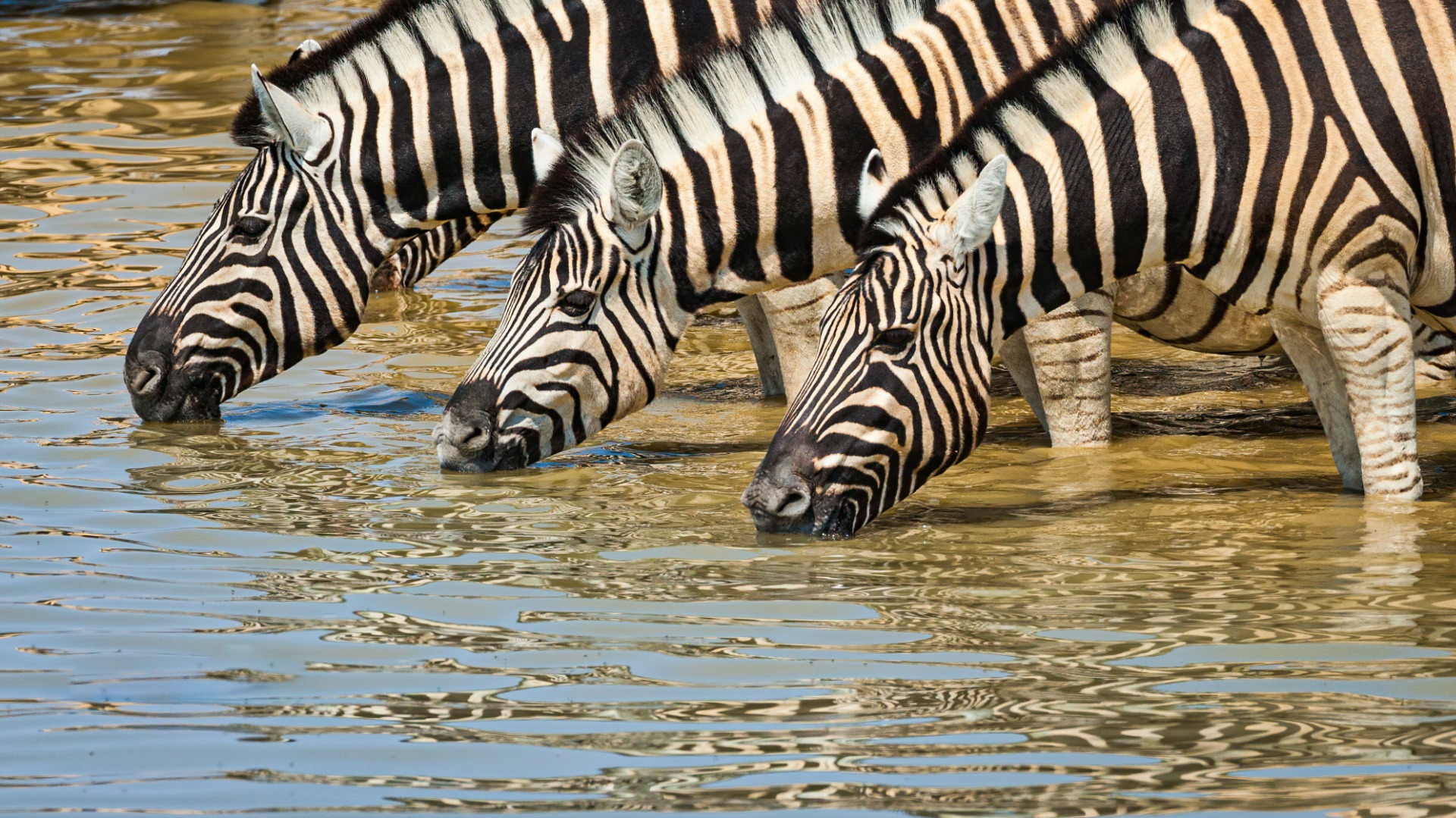
Working with experienced local guides who understand both animal behaviour and photographic needs dramatically increases the chances of memorable images. These specialists know where and when particular species congregate, which waterholes offer the best reflections at sunrise, and how to approach without disturbance.
What to Expect When Travelling with Professional Operators
Encounters Africa curates journeys that integrate photography into a broader understanding of each ecosystem. Rather than promising spectacular drone shots, we focus on immersive experiences that reveal the intricate relationships between species, landscape, and local communities. Guests return with portfolios that tell richer stories than any single overhead frame could convey.
True mastery in African wildlife photography lies in patience, knowledge of the land, and respect for its inhabitants, not in technological shortcuts.
Conservation Benefits of Drone-Free Policies
Beyond protecting individual animals, these restrictions help maintain the premium, low-impact tourism model that funds much of Africa’s conservation effort. Revenue from high-value, low-volume safaris supports anti-poaching teams, community development projects, and habitat restoration across vast areas.
When travellers choose operators who work within these frameworks, they directly contribute to a system that values wilderness over viral social media content. The resulting images, created through skill rather than technology, often carry greater emotional weight and authenticity.

Common Questions About Drone Use on African Safaris
Can I fly a drone in any African national park?
No. The majority of protected areas across Kenya, Botswana, South Africa, Tanzania, and Rwanda maintain strict no-fly policies. Always check current regulations with your chosen operator before travel, as rules can change with little notice.
Are there any locations where drone photography is permitted?
Some private concessions and community areas adjacent to national parks may grant permission with prior written approval. These opportunities are limited, subject to strict conditions, and typically require proof of appropriate licensing and insurance.
What are the penalties for flying drones illegally?
Fines can exceed several thousand US dollars. Equipment is frequently confiscated, and in some jurisdictions travellers face potential deportation or bans from future visits. Conservation authorities treat violations seriously because of the cumulative impact on wildlife.
How can I capture aerial-style images without a drone?
Balloon flights, elevated vehicle positioning, natural vantage points, and creative post-production techniques all offer alternatives. Working closely with specialist photographic guides helps maximise opportunities within the rules.
Creating Lasting Images Through Patience and Presence
The restrictions on drone use ultimately encourage a more considered approach to photography in Africa. By spending time in the landscape, learning its patterns, and connecting with local knowledge, travellers produce work that resonates on a deeper level. These images capture not just the beauty of a moment but something of the spirit of place that no mechanical device can fully replicate.
For discerning travellers seeking a private safari beyond our set itineraries, we invite you to contact us directly. We specialise in designing exceptional, tailor-made journeys for individuals, couples, families, and private groups of up to eight guests. Drawing on our handpicked network of distinguished camps and lodges, we curate every detail with precision and care, creating a seamless, deeply personal safari experience shaped entirely around your preferences, pace, and budget.
Whether your focus is fine-art landscape work, intimate wildlife portraiture, or building a comprehensive visual story of a particular ecosystem, our team will help craft an itinerary that respects both regulations and your creative vision. Explore our photography-focused safaris in Kenya or discover the photographic riches of Duba Plains Camp in Botswana’s pristine wilderness.
Reach out today via our enquiry form and let Encounters Africa help you create images that honour the wild places you visit while expanding your photographic practice in meaningful ways.
More like this
Photography
Essential Camera Gear for Capturing Africa's Iconic Wildlife Moments
Photography
Field Notes from Uganda: Camera Techniques for Capturing Primate Behavior in Dense Forest
Photography
Field-Proven Camera Settings for Botswana's Shifting Light and Wildlife Action
Photography
Field Skills That Let You Spot Elusive African Animals Before They Vanish
Photography
Field Techniques for Capturing Tanzania's Wildlife in Shifting Light Conditions
Photography