Photography
Field Skills That Let You Spot Elusive African Animals Before They Vanish
Encounters Africa - 10 min read
Updated on 10 August 2026
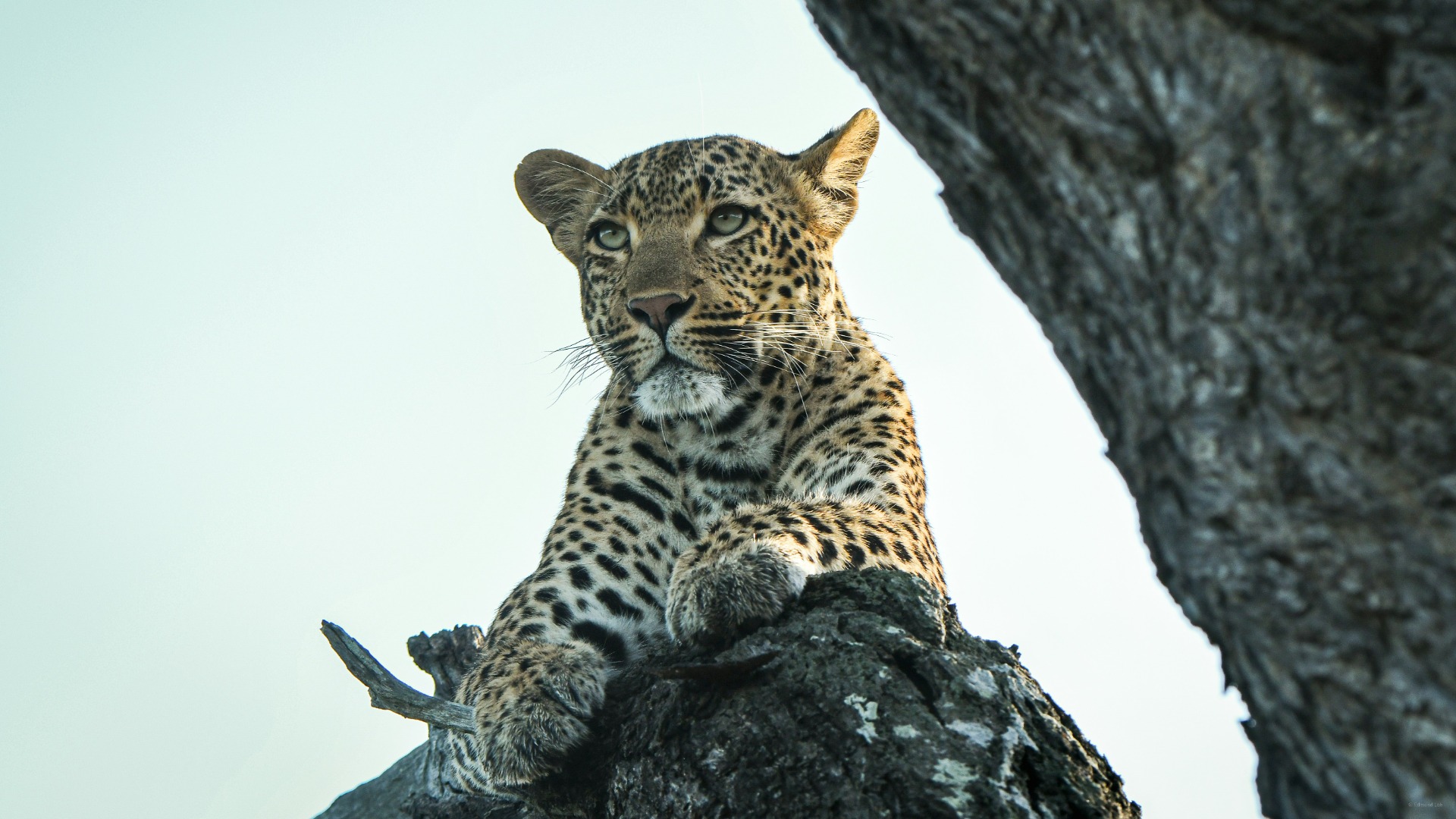
The African bush holds its secrets close until you learn to read its language. Mastering how to spot wildlife in nature and photograph like a pro transforms an ordinary safari drive into a sequence of electrifying encounters, whether you are watching a leopard melt into dappled shade or catching the slow blink of an elephant at a waterhole. This guide distils decades of field experience into practical skills that let you anticipate, observe and capture elusive African animals before they vanish. The best time to visit for these techniques is during the dry season from June to October, when vegetation thins and animals concentrate around remaining water sources, offering clearer sightlines and higher chances of memorable sightings.
A seasoned guide once told me that the difference between seeing nothing and witnessing something extraordinary often comes down to the first thirty seconds after the vehicle stops. By combining sharp fieldcraft with thoughtful camera technique, travellers return home not just with photographs but with stories etched in memory. Encounters Africa specialises in curating these deeply personal journeys, ensuring every moment in the wild is framed by expertise and respect for the landscape.
Reading the Landscape: How to Spot Elusive African Animals
The bush is never silent or still. Learning to scan systematically rather than randomly is the foundation of successful wildlife spotting. Divide your view into foreground, mid-ground and horizon, then sweep slowly using binoculars or the naked eye in overlapping arcs. Look for anomalies: a flick of an ear against the grass, the horizontal line of a back breaking vertical stems, or dust rising where no wind blows. In places like the Masai Mara, early morning and late afternoon light casts long shadows that reveal hidden shapes more readily.
Animal behaviour provides the most reliable clues. Listen for alarm calls from birds or monkeys, the sudden silence that falls when a predator is near, or the low rumble of elephants communicating across kilometres. Fresh tracks in soft sand, particularly around water sources, tell stories hours old. A sharp, musky scent on the breeze might signal a nearby big cat. These sensory cues become second nature after a few days in the field, turning passive observation into active anticipation.
The bush speaks in a thousand quiet voices; those who pause long enough to listen are rewarded with moments few ever witness.
Interpreting Tracks, Signs and Subtle Movements
Track identification goes far beyond recognising a lion’s paw print. Note the depth, stride length and direction of travel. A herd of buffalo leaves a broad, churned path, while a solitary leopard’s prints are neat and widely spaced. Broken twigs at a certain height, freshly stripped bark or dung still steaming all provide precise timing information. In South Africa, experienced trackers at reserves like Malewane Lodge can distinguish between similar species by the wear patterns on their hooves or claws.
Pay attention to how vegetation has been disturbed. A flattened patch of grass might indicate where a lion rested during the heat of the day, while bent stalks pointing in one direction show the path an animal took. Combining these observations with knowledge of daily rhythms – when certain species drink or hunt – dramatically increases your success rate. The dry season concentrates activity, with over 70 percent of large mammal sightings in many reserves occurring within two kilometres of water.

Essential Field Skills for Spotting Wildlife in Nature
Positioning is everything. On game drives, request your guide to park with the sun behind you when possible, reducing glare while illuminating your subject. Keep your silhouette low against the vehicle and avoid sudden movements that could trigger flight responses. In open plains like Kenya’s Amboseli National Park, scanning from an elevated vehicle roof often reveals animals that ground-level observers miss entirely.
Patience yields more than persistence. Once you have located an animal, resist the urge to move on quickly. Many species reveal their most interesting behaviour only after ten or fifteen minutes of quiet observation. A seemingly dozing lion may suddenly rise to hunt, or a distant elephant herd might approach for an unforgettable close encounter. Professional guides recommend spending at least twenty minutes with each major sighting before considering relocation.
Stillness is the photographer’s greatest ally; in the African wild, the one who waits often sees what the restless never will.
Working with Professional Guides and Trackers
Your guide and tracker form the backbone of successful sightings. Share your interests clearly at the start of each drive – whether you hope to photograph birds, big cats or herd dynamics – so they can prioritise appropriate areas. Learn basic tracking vocabulary so you can communicate effectively when they spot something subtle. Many top operators, including those partnered with Encounters Africa, employ trackers from local communities who possess generations of accumulated knowledge about specific landscapes.
Respecting the rhythm of the vehicle is crucial. Sudden stops or loud whispers can ruin opportunities for everyone. Instead, develop a system of quiet signals or simply follow your guide’s lead. In areas like the Okavango Delta, where water limits vehicle access, walking safaris demand even greater awareness of wind direction and noise levels to avoid alerting animals prematurely.
Camera Techniques That Capture Fleeting Safari Moments
Understanding your equipment in varying African light conditions separates good images from exceptional ones. Early morning and late afternoon offer the most flattering illumination, with warm tones and long shadows that add depth. During these golden hours, aim for shutter speeds above 1/1000th of a second for moving subjects and apertures between f/5.6 and f/8 to maintain sharpness across a group of animals while softening the background.
Modern mirrorless and DSLR cameras excel in wildlife photography when used thoughtfully. Keep ISO as low as possible to reduce noise, typically between 100 and 800 during daylight hours, only increasing it when necessary in shaded areas or at dusk. Continuous autofocus with subject tracking helps maintain focus on fast-moving creatures like cheetahs during a chase. Burst mode becomes invaluable for capturing decisive moments in behaviour sequences.
Choosing the Right Gear for African Conditions
A versatile zoom lens in the 100-400mm or 200-500mm range offers flexibility without needing to change equipment constantly. Pair this with a sturdy monopod or beanbag for stability in vehicles. Dust is a constant challenge across the continent; bring lens cleaning cloths and keep gear covered when not in use. For those staying at luxurious properties like Duba Plains Camp, the calm environment allows for more contemplative photography from tent decks or specially positioned vehicles.
Consider environmental factors specific to each destination. In the misty highlands of Rwanda, faster lenses help compensate for lower light when photographing mountain gorillas. Across the arid zones of Namibia, high contrast demands careful metering to avoid losing detail in bright highlights or deep shadows. Always prioritise ethical distance over getting closer for the shot.
Technical excellence means little without respect for the subject; the most powerful wildlife photographs honour both the moment and the magnificent creatures within it.
Common Questions About Wildlife Photography on Safari
What is the best time of day to photograph African wildlife? The golden hours immediately after sunrise and before sunset provide the most dramatic light and active animals. Many species are more relaxed during these periods, allowing closer approaches and more natural behaviour. Midday light is typically harsh, creating strong contrasts that are difficult to expose correctly, though it can work well for black and white conversions or dramatic silhouettes.
How close can I get to animals for photography? The answer depends on the species, location and individual animal’s comfort. Professional guides maintain safe distances that vary from 15 metres for large predators to 30 metres or more for elephants with young. Never push for closer views if the animal shows signs of stress such as ears flared, tail swishing or direct staring. The most authentic images often come from respectful distances that preserve natural behaviour.
What camera settings should beginners use on their first safari? Start in aperture priority mode with f/6.3 to f/8, ISO automatically adjusting up to 800, and continuous autofocus. This combination offers a good balance between depth of field and fast shutter speeds. Practice at home by photographing moving subjects like birds or pets to build muscle memory before arriving in Africa.
Conservation Through the Lens: Ethical Photography Practices
Responsible wildlife photography extends beyond personal satisfaction to supporting the protection of the animals we admire. Choose operators who follow strict ethical guidelines, limiting vehicle numbers around sightings and never off-roading to gain better angles. Many lodges linked to Encounters Africa participate in conservation projects that directly benefit from responsible tourism revenue.
Consider the impact of your presence. Flash photography is almost always inappropriate in the bush as it can disorient nocturnal animals. Drones, while tempting for unique perspectives, disturb wildlife in most protected areas and are heavily restricted or banned. Instead, focus on capturing authentic moments that celebrate the wildness rather than forcing unnatural poses or interactions.
Sharing your images thoughtfully can amplify conservation messages. Photographing anti-poaching initiatives or habitat restoration projects, when invited to do so, helps raise awareness. Several lodges in Tanzania and Kenya now offer opportunities to document community conservation work alongside traditional game viewing.

Bringing It All Together on Your African Safari
Combining sharp field skills with refined photographic technique creates a virtuous circle: the better you observe, the more you understand; the more you understand, the better your images become. Whether you are witnessing thousands of wildebeest crossing the Mara River or capturing the tender interaction between a lioness and her cubs, these approaches help transform fleeting glimpses into lasting connections with Africa’s wild places.
The continent rewards those who travel with patience, curiosity and respect. By approaching each drive as both a student of nature and a visual storyteller, you develop a deeper appreciation for the delicate balance that sustains these remarkable ecosystems. The skills outlined here have been refined through countless safaris across diverse landscapes, from the open plains of the Serengeti to the riverine forests of the Luangwa Valley.
For discerning travellers seeking a private safari beyond our set itineraries, we invite you to contact us directly. We specialise in designing exceptional, tailor-made journeys for individuals, couples, families, and private groups of up to eight guests. Drawing on our handpicked network of distinguished camps and lodges, we curate every detail with precision and care, creating a seamless, deeply personal safari experience shaped entirely around your preferences, pace, and budget.
Whether you wish to focus intensively on photography, spend more time with specific species, or simply experience the bush at a contemplative pace, reach out to Encounters Africa. Our team will craft an itinerary that aligns perfectly with your vision, ensuring every sunrise and every sighting contributes to an unforgettable African journey. The wild places await – and with the right preparation, you will be ready to see and capture their magic.
More like this
Photography
Field Techniques for Capturing Tanzania's Wildlife in Shifting Light Conditions
Photography
Framing Paradise: How Seychelles Light and Isolation Shape Distinct Images
Photography
How Experienced Photographers Frame African Wildlife for Maximum Impact
Photography
How Fishermen and Fula Herders Quietly Shape Photography in Western Africa
photography
How Low-Level Lion Photography Delivers Intimate Portraits on African Safaris
Photography