news
Egypt's Billion-Dollar Museum Tests What Modern Heritage Preservation Can Achieve
Encounters Africa - 8 min read
Updated on 19 August 2026
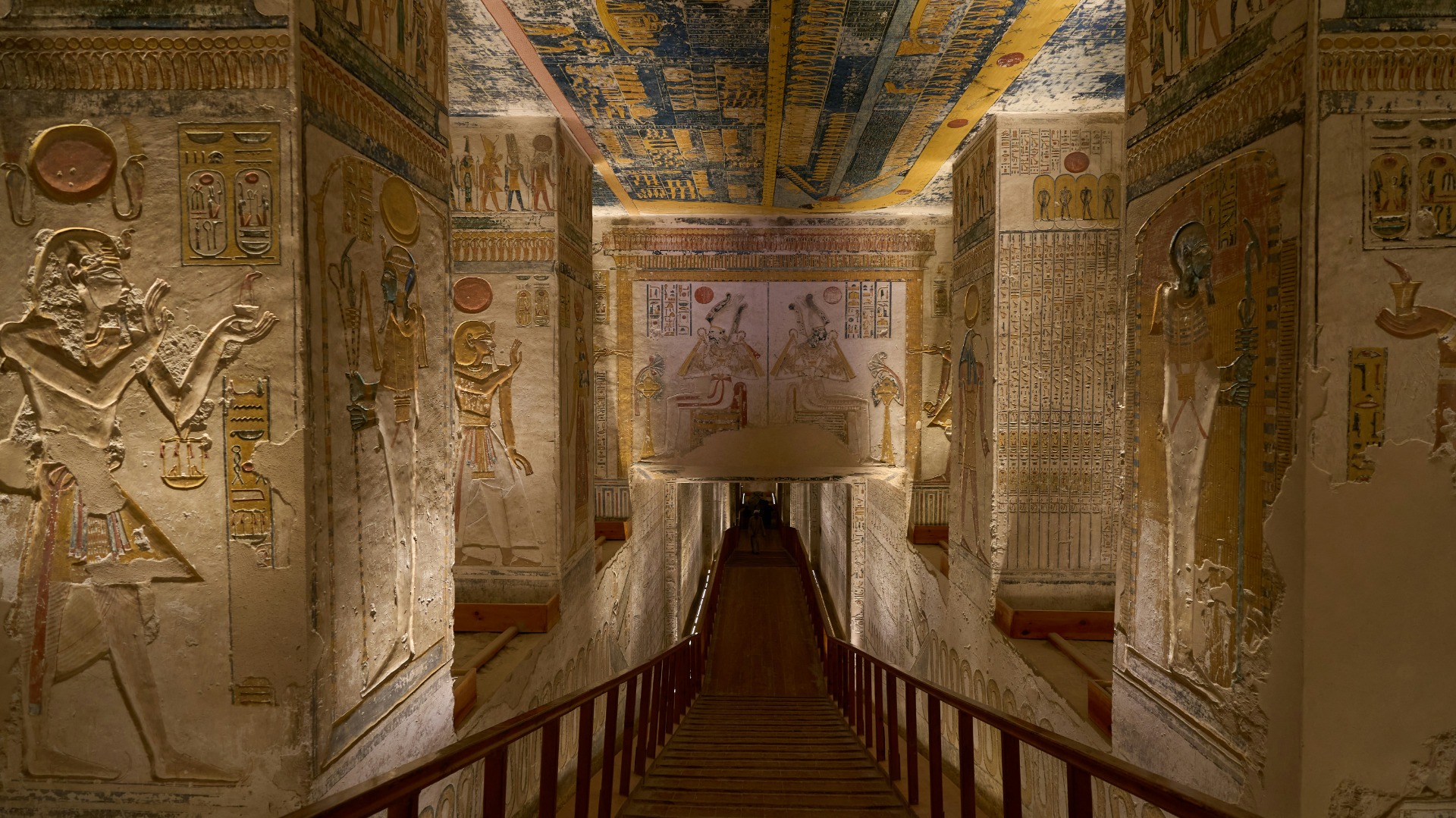
Egypt's Billion-Dollar Museum Tests What Modern Heritage Preservation Can Achieve. From climate-controlled galleries housing Tutankhamun's full collection to debates over its vast price tag, Egypt's new flagship museum is reshaping how the world encounters pharaonic treasures while testing the limits of state-driven cultural investment.
Standing on the Giza plateau with the pyramids as silent witnesses, the Grand Egyptian Museum represents an audacious leap in how nations present their ancient legacies. Opened in phases since 2023, this vast complex has already welcomed hundreds of thousands of visitors drawn by the promise of experiencing more than 50,000 artefacts, many displayed together for the first time. What unfolds inside its sunlit halls goes far beyond mere exhibition, raising thoughtful questions about authenticity, accessibility and the true cost of safeguarding history for future generations.

The Vision Behind the Grand Egyptian Museum
Conceived in the early 2000s, the project aimed to relieve the overcrowded Egyptian Museum in central Cairo while creating a purpose-built home worthy of the country's unparalleled archaeological riches. Japanese architect Heneghan Peng designed a striking structure that blends modernist lines with subtle references to ancient geometry, covering an area equivalent to several football pitches. The location itself carries symbolic weight, positioned between the bustling city and the timeless monuments of Giza.
Construction faced years of delays, funding shortfalls and the political turbulence that followed the 2011 revolution. Yet the persistence of successive governments underscores a deeper conviction: that cultural infrastructure can serve both national identity and economic revival. With a final price tag reported around $1 billion, largely supported by loans and grants from Japan, the museum stands as one of the most ambitious cultural projects of the 21st century.
The museum does not simply store objects; it reinterprets the relationship between modern Egypt and its pharaonic past, inviting visitors to see continuity rather than distant legend.
Inside the Galleries: Climate Control Meets Ancient Splendour
Stepping through the entrance, the first impression is one of space and light. Vast atriums allow natural illumination to play across limestone floors while sophisticated environmental systems maintain precise temperature and humidity levels essential for preserving delicate organic materials. The star attraction occupies its own dedicated wing: the complete collection of Tutankhamun's treasures, including the iconic gold mask, canopic jars and over 5,000 items recovered from his tomb in the Valley of the Kings.
Unlike previous displays where many pieces remained in storage, this exhibition allows visitors to follow the young king's story chronologically. Interactive digital stations provide context without overwhelming the artefacts themselves. Conservation laboratories visible behind glass walls demonstrate the meticulous work of restoring items that have survived more than 3,300 years, offering rare insight into the scientific processes that keep these objects intact.
Conservation Laboratories and Research Facilities
The museum houses one of the largest dedicated conservation centres in the region, equipped with advanced imaging technology and specialist workshops. Teams of Egyptian and international experts collaborate here to analyse pigments, repair fragile textiles and study the chemical composition of metals. This emphasis on ongoing research positions the institution as more than a tourist destination; it functions as an active centre of archaeological scholarship.
Particular attention has been paid to the challenges of displaying organic materials in Egypt's arid yet polluted environment. Sophisticated filtration systems combat dust and urban emissions while LED lighting eliminates harmful ultraviolet rays. These technical achievements reflect a maturing approach to heritage management that balances public access with long-term preservation.
The Economic and Cultural Ambitions
Egyptian authorities anticipate the Grand Egyptian Museum will draw at least five million visitors annually once fully operational, generating substantial revenue for a country where tourism contributes around 10 percent of GDP. The complex includes restaurants, a children's education centre, an cinema and extensive retail spaces designed to extend the visitor experience. Such commercial elements have sparked debate about whether cultural sites should prioritise learning or profit.
Beyond economics, the project carries significant political symbolism. By centralising Egypt's most prized antiquities in one location, the state reinforces narratives of national unity and historical continuity. Educational programmes targeting local schoolchildren aim to foster pride in this heritage among younger generations who might otherwise feel disconnected from ancient history.
Questions linger about whether such enormous investment in a single flagship project might have been better distributed across smaller regional museums and community initiatives throughout the Nile Valley.
Critiques and Challenges of the Mega Museum Model
Not everyone views the development through an optimistic lens. Critics point to the project's ballooning costs, which reportedly quadrupled from initial estimates, and question the wisdom of concentrating so many irreplaceable objects in one place vulnerable to seismic activity or future political instability. The museum's distance from central Cairo, while offering a cleaner environment, also creates accessibility barriers for many local residents who cannot easily afford the journey or entrance fees currently set at around 30 US dollars for foreigners.
Security measures remain stringent following past incidents of theft and vandalism at other sites. While understandable, the heavy military presence and surveillance can create an atmosphere that feels more institutional than inspirational for some visitors. There are also concerns about the displacement of local communities during construction and the environmental impact of such a large development on the fragile Giza plateau ecosystem.
Comparing with Other Global Cultural Projects
The Grand Egyptian Museum invites comparison with other ambitious cultural initiatives such as the Louvre Abu Dhabi or the British Museum's ongoing renovations. Each reflects different approaches to balancing spectacle, scholarship and sustainability. Where the Egyptian project stands apart is its singular focus on one civilisation's treasures and the state's dominant role in both funding and narrative control.
International heritage experts have praised the technical achievements while urging greater transparency around financial management and collection policies. The return of several significant artefacts from foreign institutions has added to the museum's holdings, though debates about repatriation continue to evolve in light of growing calls for cultural restitution worldwide.
What This Means for Heritage Preservation Worldwide
The museum's approach offers valuable lessons for other nations rich in archaeological heritage. Its integration of advanced climate technology demonstrates how environmental controls can extend the lifespan of vulnerable objects without compromising aesthetic presentation. The emphasis on public education through digital tools and interactive displays suggests new ways to engage diverse audiences beyond traditional museum formats.
Yet it also highlights the risks of mega-projects that prioritise scale over distributed investment. Smaller, community-focused museums in places like Luxor and Aswan play vital roles in preserving regional stories and supporting local economies. The ideal model may lie in a balanced network where flagship institutions complement rather than overshadow these important satellite sites.
By studying both the successes and shortcomings of Egypt's bold experiment, cultural leaders elsewhere can develop more nuanced strategies that honour the past while serving the needs of present and future generations.
Visiting the Grand Egyptian Museum: Practical Information
The museum is open daily from 9am to 5pm, with last entry at 4pm. Tickets can be purchased online to avoid queues, though visitors should allow at least three hours to explore the main galleries properly. Photography is permitted in most areas without flash, but certain sensitive exhibits require special permission. Guided tours in multiple languages are available and highly recommended for deeper context.
Those planning to combine their visit with the nearby pyramids should consider the logistical challenges of travelling between sites, particularly during the hottest months from May to September when temperatures frequently exceed 35°C. The cooler winter period between November and February offers more comfortable conditions for extended exploration.

Conclusion
Egypt's ambitious new museum stands as both celebration and experiment, pushing the boundaries of what heritage institutions can achieve in the modern era. Its climate-controlled halls and comprehensive displays set new standards for presenting ancient civilisations, while the debates surrounding its development remind us that cultural preservation always involves complex choices about priorities and resources.
For discerning travellers seeking a private safari beyond our set itineraries, we invite you to contact us directly. We specialise in designing exceptional, tailor-made journeys for individuals, couples, families, and private groups of up to eight guests. Drawing on our handpicked network of distinguished camps and lodges, we curate every detail with precision and care, creating a seamless, deeply personal safari experience shaped entirely around your preferences, pace, and budget.
Whether your interests lie in the archaeological wonders of the Nile or the untamed landscapes of Botswana, Kenya and beyond, Encounters Africa brings decades of expertise to crafting meaningful cultural and wildlife journeys across the continent. We would be delighted to discuss how the Grand Egyptian Museum might form part of a broader exploration of African heritage and natural splendour.
Visit our enquiry form to begin planning your next transformative experience with Encounters Africa.
More like this
news
Five African Nations Launch a Unified Travel Zone That Rewrites Cross-Border Journeys

News
Fresh Reporting Highlights Rwanda's Advances in Eco-Tourism and Community Projects

News
How Community Rangers Are Shifting the Fate of Zimbabwe's Endangered Animals

News
How Local Partnerships Turned the Tide for Rwanda's Endangered Wildlife

News
How Maasai Herders and Rangers Are Reshaping Wildlife Corridors
News