News
How Maasai Herders and Rangers Are Reshaping Wildlife Corridors
Encounters Africa - 9 min read
Updated on 22 June 2026
Maasai Mara news continues to reveal inspiring shifts in how humans and wildlife share Kenya's most celebrated ecosystem. Pastoralist families bordering the reserve have begun leasing grazing land for wildlife corridors, allowing zebra and wildebeest to move more freely. The latest Maasai Mara news explores how these partnerships reduce conflict and support predator-prey balance across the ecosystem. This collaborative model offers a practical blueprint for conservation that benefits both local communities and the spectacular array of animals that define the plains.
Recent initiatives show that when herders, rangers, and conservation organisations work together, measurable improvements follow. Over 15,000 hectares of former livestock grazing land have been temporarily set aside since 2021, creating vital pathways for migrating herds. These developments in wildlife in the Maasai Mara address long-standing tensions between traditional pastoralism and the needs of Africa's most diverse predator populations.
The true measure of success in the Maasai Mara lies not in fences but in the quiet agreements between families and rangers that let the great herds flow once more across ancestral lands.
The Challenge of Shrinking Spaces
For decades, the Maasai Mara has faced mounting pressure from a growing human population and changing land-use patterns. As family herds increase, competition for grass and water intensifies, particularly during the dry months between July and October. This friction has historically led to retaliatory killings of lions and other predators when livestock losses occur.
Recent studies indicate that livestock depredation incidents have decreased by nearly 40 percent in areas where corridor agreements are active. The shift reflects a deeper understanding that healthy wildlife populations can generate sustainable income through responsible tourism, far outweighing the occasional loss of a cow or goat. Rangers now spend less time responding to conflict and more time on proactive monitoring and protection.
These changes matter deeply for the iconic species that draw travellers from around the world. With an estimated 1,200 wildebeest per square kilometre during peak migration, even small improvements in corridor access can dramatically affect survival rates for both prey and the big cats that follow them.

How Community Land Leases Create Wildlife Corridors
At the heart of the latest Maasai Mara news is a simple yet powerful economic agreement. Pastoralist families receive direct payments to rest sections of their land for set periods, typically between six and eighteen months. These resting periods allow grass to recover while providing open pathways for zebra, wildebeest, and other grazers to move between the national reserve and adjacent conservancies.
The financial model is transparent and community-driven. Payments come from a combination of tourism levies, international conservation grants, and private philanthropy, ensuring that benefits flow directly to the landowners rather than distant government offices. In the Mara North Conservancy, for example, over 200 families have participated in the programme since its expansion in 2022.
This approach respects the deep cultural connection the Maasai have with their cattle while creating space for wild animals to thrive. It represents a fundamental change in perspective from viewing wildlife as competition to seeing it as a shared resource that can support entire communities.
By choosing to lease their grazing land, these herding families are not just protecting lions and elephants; they are safeguarding a way of life that has endured for centuries alongside the great migration.
The Role of Local Rangers in Corridor Management
Community rangers form the backbone of these new wildlife corridors. Trained through programmes supported by organisations working across Kenya, these men and women come from the same villages as the pastoralist families. Their local knowledge proves invaluable in negotiating agreements and monitoring animal movements.
Each ranger typically covers a designated sector of between 25 and 40 square kilometres. They use GPS devices to record sightings, track conflict incidents, and ensure that grazing restrictions are respected by all parties. Advanced camera traps deployed along key corridor routes have captured remarkable footage of lion prides moving peacefully alongside cattle during early morning hours.
The presence of these rangers has also dramatically reduced snare incidents. In 2023, teams removed fewer than 30 wire snares across participating conservancies, compared to over 200 in previous years. This decline directly correlates with healthier populations of smaller carnivores and antelope species that often fall victim to indiscriminate trapping.
Training and Technology Supporting Ranger Efforts
Modern training programmes now include smartphone applications that allow rangers to report sightings in real time. This data feeds into broader ecosystem monitoring that helps predict migration patterns and potential conflict hotspots before problems arise. Solar-powered water points established along new corridors have further reduced competition during dry periods.
Rangers also play an educational role, working with young people in the community to build understanding of ecological balance. School programmes that combine traditional Maasai knowledge with modern wildlife biology have proven particularly effective at changing attitudes across generations.

Impact on Key Species: Lions, Elephants and the Great Migration
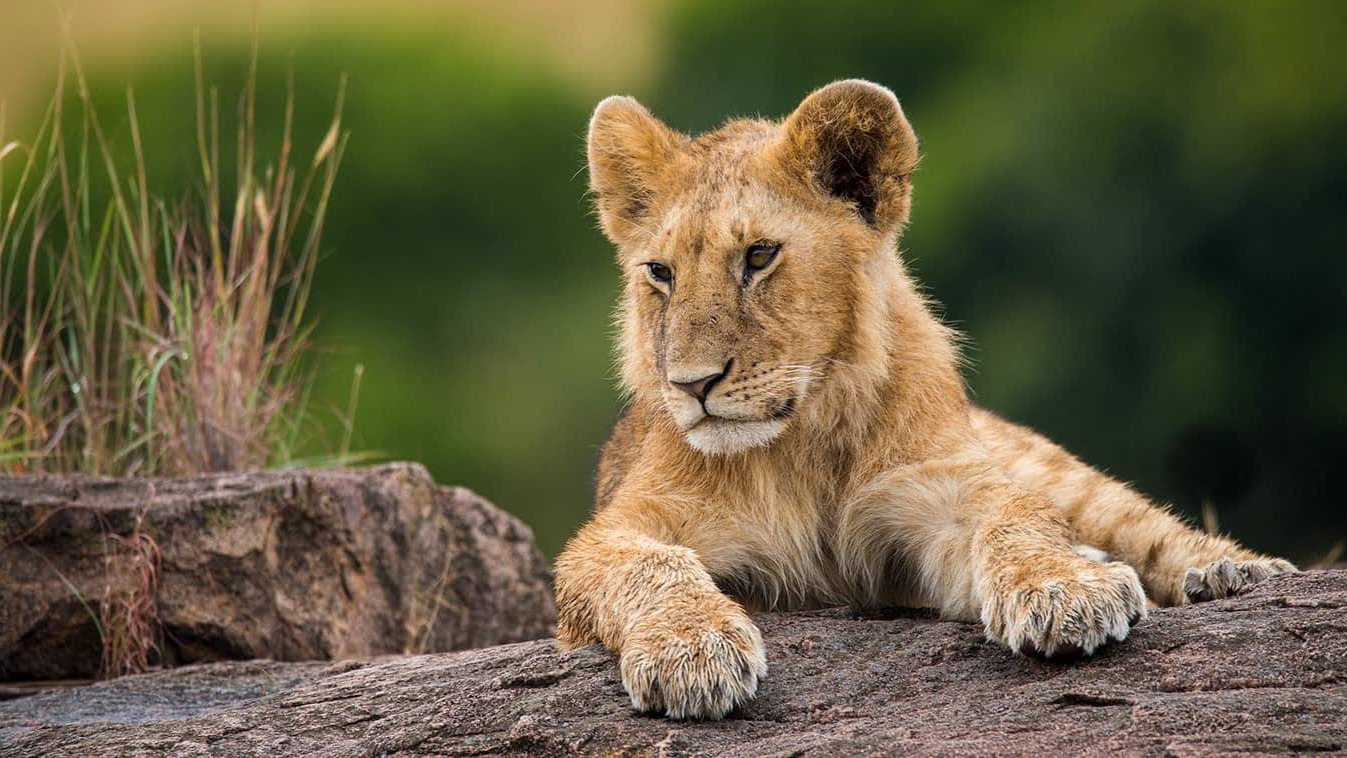
The improvements in habitat connectivity are already showing positive results for wildlife in the Maasai Mara. Lion monitoring conducted between 2022 and 2024 recorded a 17 percent increase in cub survival rates in corridor areas. Healthier prey populations mean less pressure on livestock, creating a virtuous cycle that benefits all.
Elephant movements have become less restricted, with family groups now regularly using restored pathways between the reserve and the Mara North Conservancy. This freer movement helps prevent over-browsing in any single area and maintains genetic diversity across the wider population, estimated at around 2,500 individuals in the greater Mara ecosystem.
The annual wildebeest migration remains the heartbeat of this landscape. Recent collaring studies show that herds using the new corridors complete their journey with 12 percent less energy expenditure than those forced to navigate fragmented landscapes. This efficiency translates into stronger calves and more resilient populations overall.
When the great herds can move as nature intended, the entire web of life in the Maasai Mara grows stronger, from the smallest insects to the most magnificent predators.
What These Changes Mean for Responsible Safari Experiences
For those planning a journey to witness these remarkable landscapes, the evolving conservation story adds depth to any safari. Understanding the human element behind the wildlife sightings creates a richer, more meaningful experience. Many lodges now include visits to community projects as part of their standard offerings.
Our partners at properties like Angama Mara and Sand River Masai Mara work closely with the conservancies where these corridor projects operate. Guests can often meet the rangers and learn directly from community members about the challenges and successes of living alongside Africa's most iconic wildlife.
The best time to witness both the migration and these conservation efforts in action is typically between July and October, when the plains transform into a moving sea of life. However, the shoulder months of June and November offer excellent game viewing with fewer visitors and opportunities to engage more deeply with the people shaping the future of this ecosystem.
Common Questions About Maasai Mara Conservation Partnerships
How much land has been converted into wildlife corridors so far? Since the expanded programme began in 2021, more than 15,000 hectares of traditional grazing land have been temporarily dedicated to wildlife movement. This represents roughly 8 percent of the greater Mara ecosystem outside the national reserve boundaries.
Do herding families lose income when they lease their land? No. Participating families receive payments that typically exceed what they would earn from livestock during the same period, particularly during dry seasons when grazing is scarce. Many families use these funds to improve their cattle breeds or invest in education.
Are these corridor agreements permanent? Most operate on renewable contracts of between one and five years. This flexibility allows families to respond to changing circumstances while providing predictable conservation benefits. Regular reviews ensure that both ecological and community needs continue to be met.
How can visitors support these initiatives? Choosing operators who work directly with community conservancies ensures that tourism revenue supports these programmes. Many conservancies also welcome direct contributions to specific projects such as ranger training or water infrastructure.
Looking Ahead: The Future of Collaborative Conservation
The story unfolding in the Maasai Mara offers genuine cause for optimism in African conservation. By addressing the root causes of human-wildlife conflict rather than simply managing its symptoms, these partnerships create lasting change. The integration of traditional knowledge with modern science has proven far more effective than top-down approaches of the past.
Similar models are now being explored in other parts of Kenya, including the Laikipia plateau and sections of the Tsavo landscape. The lessons learned here, particularly around equitable benefit sharing and genuine community ownership, will shape conservation strategies across the continent for decades to come.
As climate patterns continue to shift, the flexibility of these community-based agreements becomes even more valuable. The ability to adjust corridor locations and timing based on rainfall and grass conditions offers a resilient approach that fixed protected areas alone cannot provide.
Planning Your Own Maasai Mara Journey
Witnessing these conservation successes firsthand adds profound meaning to any safari experience. The sight of thousands of wildebeest streaming across a corridor that exists because of community agreements creates a powerful connection between traveller and landscape. It reminds us that the future of Africa's wildlife depends on finding ways for people and animals to thrive together.
For discerning travellers seeking a private safari beyond our set itineraries, we invite you to contact us directly. We specialise in designing exceptional, tailor-made journeys for individuals, couples, families, and private groups of up to eight guests. Drawing on our handpicked network of distinguished camps and lodges, we curate every detail with precision and care, creating a seamless, deeply personal safari experience shaped entirely around your preferences, pace, and budget.
Whether your interest lies in big cat behaviour, migration patterns, or the human stories behind conservation success, our team at Encounters Africa can craft an itinerary that brings you closer to the heart of this evolving ecosystem. The Maasai Mara continues to write new chapters in its long history. We would be honoured to help you experience them.
Begin your journey by visiting our enquiry form to share your vision for an African safari that connects you with both magnificent wildlife and the remarkable people protecting it.
More like this
News
How Recent South African Wildlife News Is Altering Safari Expectations
news
How Rwanda Is Bringing Lions Back Through Cross-Border Partnerships
News
How South African Rangers Are Adapting Anti-Poaching Tactics to Climate Shifts
News
How Tanzania's Rangers Are Adapting to New Threats Facing Elephants and Lions
News
How Wildlife on South African Safaris Adjusts to Human Presence During Game Drives
News