News
How Community Rangers Are Shifting the Fate of Zimbabwe's Endangered Animals
Encounters Africa - 8 min read
Updated on 22 June 2026
The phrase Zimbabwean Animals And Welfare now carries a note of cautious optimism thanks to a growing network of community rangers working beyond the boundaries of formal protected areas. These dedicated men and women are quietly rewriting the narrative around news on zimbabwean wildlife, turning once-fragile populations of elephants, lions and African wild dogs into stories of measurable recovery.
Local conservancies across Zimbabwe have trained and deployed more than 450 community rangers since 2018. Equipped with basic tracking skills, GPS devices and rapid-response protocols, they monitor animal movements in real time and deter threats before they escalate. Their efforts are producing tangible results that extend far outside national parks, reshaping how welfare is managed in the communal lands where most human-wildlife conflict occurs.
Every footprint we record and every snare we remove is a small victory for the next generation of Zimbabweans who will inherit these wild places.
The Rise of Community-Led Conservation in Zimbabwe
Traditional fortress conservation, focused solely on fenced reserves, has shown its limits in a country where wildlife corridors cross communal farmland and villages. Recognising this reality, several conservancies began recruiting local residents as rangers in the early 2010s. Today the model has matured into a structured programme that combines employment, training and real authority.
Recruits typically undergo a rigorous six-week course covering species identification, anti-poaching tactics, first aid, data collection and community engagement. Many are former subsistence hunters who have traded snares for salaries and a stake in wildlife survival. Their intimate knowledge of the landscape often proves more valuable than any imported technology.
By embedding rangers within the communities that share space with zimbabwean animals and welfare concerns, these programmes reduce the “us versus them” dynamic that once undermined enforcement. When a ranger’s cousin reports a problem animal, the response is faster and more nuanced than a distant patrol could ever achieve.
Training That Builds Both Skill and Trust
The curriculum goes beyond tracking and firearms. Rangers learn conflict-resolution techniques and basic veterinary skills so they can immobilise injured animals until professional teams arrive. Regular refresher courses keep them current with new GPS applications and camera-trap protocols.
Importantly, the programme pays living wages. A typical ranger earns between US$280 and US$450 per month, plus performance bonuses tied to verified patrol hours and incidents prevented. For many households this income is transformative, reducing the economic incentive to participate in illegal wildlife trade.
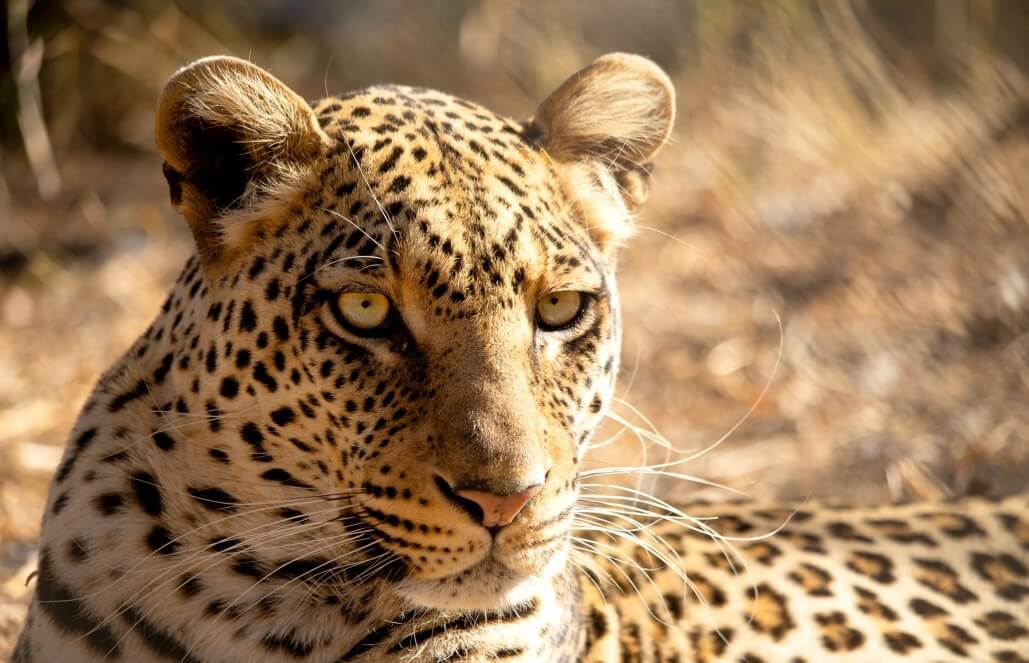
When a young man can feed his family by protecting lions instead of killing them, the entire social equation changes.
Real Results for Zimbabwe’s Most Threatened Species
The impact on key species has been striking. In the Save Valley Conservancy, elephant poaching incidents dropped by 68 percent between 2019 and 2023 according to internal monitoring data. Lion prides that once numbered only two adults have grown to stable groups of six or seven, with multiple successful litters recorded each year.
African wild dogs, among the continent’s most endangered carnivores, have shown particularly encouraging signs. The Mana Pools–Hurungwe corridor now supports at least four active packs, up from a single fragmented group in 2017. Rangers’ prompt intervention when dogs cross into communal land has dramatically lowered retaliatory killings by livestock owners.
These successes form part of the broader news on zimbabwean wildlife that conservationists are watching closely. What distinguishes the current chapter is the scale of community involvement rather than top-down enforcement alone.
Elephants: From Conflict to Coexistence
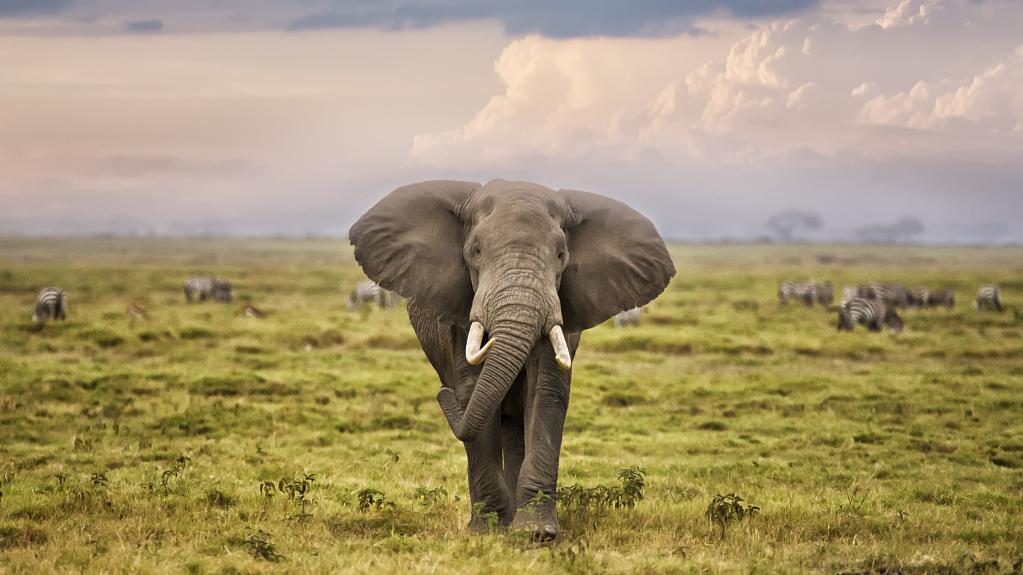
Elephants remain the flagship species in most Zimbabwean landscapes. Their seasonal movements take them through small-scale farms where crop raiding can wipe out a year’s harvest in a single night. Community rangers use chilli-grease fences, early-warning systems and strategic herding to keep elephants out of fields without resorting to lethal control.
In the Bubye Valley Conservancy, rangers have fitted 37 bulls with satellite collars since 2021. The resulting movement data allows them to predict when herds will approach settlement zones, giving farmers time to protect their crops. Human-elephant conflict incidents in the conservancy have fallen by 54 percent over the same period.
Lions and the Livestock Challenge
Lions present a more complex problem because a single animal can kill several cattle in one hunt. Rangers now respond to livestock depredation reports within hours, helping farmers build predator-proof night enclosures and compensating verified losses from a community-managed fund.
The result has been a gradual shift in local attitudes. In areas where rangers have operated continuously for five years, tolerance scores measured through annual household surveys have increased by nearly 40 percent. People who once demanded the destruction of “problem” lions now participate in monitoring their movements.
How Technology Amplifies Community Rangers’ Reach
While the human element remains central, smart use of technology has multiplied the effectiveness of ranger teams. Solar-powered camera traps, drone surveillance at dawn and dusk, and a centralised digital reporting platform allow rapid coordination across vast concession areas.
One particularly successful innovation is the “ranger alert” network. When a snare is discovered or fresh poacher tracks are found, a single radio message can mobilise additional teams within minutes. In 2023 this system helped intercept 127 snare lines before they claimed victims, according to conservancy records.
Data gathered by rangers also feeds into national wildlife databases, giving scientists a clearer picture of population trends outside protected areas. This information is vital for updating IUCN Red List assessments and guiding national policy on zimbabwean animals and welfare.

The rangers’ daily logs have become the most reliable dataset we have for understanding how wildlife uses the spaces between the parks.
Challenges That Remain
Despite the progress, significant obstacles persist. Funding for ranger programmes remains inconsistent, with many conservancies relying on tourism revenue that fluctuated sharply during the pandemic years. Climate change is altering rainfall patterns, pushing both people and animals into tighter spaces and increasing conflict potential.
Cross-border poaching syndicates continue to target high-value species, particularly rhinos. While community rangers have reduced local-level threats, they cannot match the resources of organised criminal networks without stronger support from national agencies and international partners.
Yet even here there are signs of evolution. Several conservancies have begun joint operations with Zimbabwe Parks and Wildlife Management Authority, blending community intelligence with formal law-enforcement capacity. The results suggest that integrated approaches deliver better outcomes than either sector could achieve alone.
What This Means for Visitors and Conservation Travel
For those planning a safari, the rise of community ranger programmes offers more than just good news. Many conservancies now offer opportunities to meet these teams, join dawn patrols and understand the realities of conservation from a Zimbabwean perspective.
Such experiences add depth to any journey, transforming a wildlife-viewing trip into something closer to a genuine partnership with the landscapes and people who protect them. Visitors leave with a clearer understanding of the challenges facing news on zimbabwean wildlife and the innovative solutions taking shape on the ground.
Encounters Africa regularly incorporates visits to community conservation projects into its tailored Zimbabwe itineraries. These carefully arranged encounters respect both the rangers’ work and the privacy of local communities while supporting the initiatives financially.
Looking Ahead: Scaling Success
The community ranger model pioneered in Zimbabwe is now being studied by neighbouring countries seeking alternatives to purely state-managed conservation. Its emphasis on local employment, traditional knowledge and rapid response offers a template that could be adapted across different cultural and ecological contexts.
Current plans include expanding ranger numbers to 750 by 2027 and introducing specialist female ranger units focused on community education and women’s involvement in conservation. Early pilot projects suggest these teams are particularly effective at changing attitudes among women and children, who often influence household decisions about natural resources.
As Zimbabwe continues to navigate economic challenges, the steady growth of community-based wildlife management offers a rare source of optimism. The fate of the country’s endangered animals is increasingly tied to the hands and eyes of the people who live alongside them, an approach that feels both ancient and urgently modern.
Conclusion
The dedication of Zimbabwe’s community rangers demonstrates that meaningful progress in zimbabwean animals and welfare is possible when local people are given the tools, training and incentives to become stewards of their wildlife heritage. Their daily efforts, often far from the spotlight, are steadily shifting the odds in favour of elephants, lions, wild dogs and the ecosystems that sustain them.
For travellers moved by these stories of quiet determination, the opportunity exists to witness this work first-hand while contributing to its continuation. We invite you to explore how a thoughtfully designed safari can support these vital initiatives.
For discerning travellers seeking a private safari beyond our set itineraries, we invite you to contact us directly. We specialise in designing exceptional, tailor-made journeys for individuals, couples, families, and private groups of up to eight guests. Drawing on our handpicked network of distinguished camps and lodges, we curate every detail with precision and care, creating a seamless, deeply personal safari experience shaped entirely around your preferences, pace, and budget.
Speak with our team about incorporating community conservation experiences into your Zimbabwe journey. Your visit can help ensure that today’s hard-won gains become tomorrow’s lasting reality for Africa’s iconic species.
More like this
News
How Local Partnerships Turned the Tide for Rwanda's Endangered Wildlife
News
How Maasai Herders and Rangers Are Reshaping Wildlife Corridors
News
How Recent South African Wildlife News Is Altering Safari Expectations
news
How Rwanda Is Bringing Lions Back Through Cross-Border Partnerships
News
How South African Rangers Are Adapting Anti-Poaching Tactics to Climate Shifts
News