News
Fresh Reporting Highlights Rwanda's Advances in Eco-Tourism and Community Projects
Encounters Africa - 8 min read
Updated on 17 June 2026
New articles about Rwanda continue to showcase the country's remarkable strides in blending conservation with responsible travel. Recent Rwandan news paints a picture of a destination where community empowerment and ecological restoration walk hand in hand, creating meaningful opportunities for visitors who seek depth beyond the surface. From the misty slopes of Volcanoes National Park to the emerging initiatives in Nyungwe, these developments signal a thoughtful evolution in how tourism supports both people and wildlife.
A clear fact emerges from the latest coverage: Rwanda has increased its community-managed tourism concessions by nearly 40 percent since 2020, directly channeling visitor fees into gorilla protection programmes and local infrastructure. This approach not only strengthens conservation outcomes but also ensures that travellers experience the country through the eyes of those who call it home. Encounters Africa has long championed such models, recognising their power to deliver authentic, high-value journeys.
The forests are no longer just a backdrop for visitors; they have become living classrooms where Rwandan voices lead the narrative of recovery and shared stewardship.
Community-Led Conservation Gains Momentum
Fresh reporting in new articles about Rwanda highlights how cooperatives around Volcanoes National Park have assumed greater responsibility for guiding experiences. Local residents, many of them former poachers turned protectors, now escort small groups on forest trails, sharing intimate knowledge of the ecosystem while monitoring gorilla families. These programmes have generated over $2.5 million in direct revenue for communities between 2022 and 2024, according to recent Rwandan news.
The model extends beyond gorilla trekking. New cooperatives in the buffer zones manage cultural villages where travellers can learn traditional basket weaving, medicinal plant knowledge, and the rhythms of daily highland life. Revenue from these exchanges funds school scholarships and health clinics, creating a virtuous circle that strengthens both conservation and community resilience.
Encounters Africa travellers frequently remark on the quiet dignity of these encounters. Rather than passive observation, guests become participants in a living story of transformation that has seen Rwanda's mountain gorilla population rise from fewer than 300 individuals in the 1980s to more than 1,000 today.
Measuring Success Beyond Numbers
Recent studies referenced in new articles about Rwanda reveal that community involvement has reduced illegal activities in protected areas by 65 percent over the past decade. This statistic carries particular weight when one considers the rugged terrain and the historical pressures these forests have faced. The human element proves as vital as the scientific one.
Women-led groups have emerged as particularly effective stewards, managing reforestation plots that have planted more than 1.2 million indigenous trees since 2019. Their success demonstrates how targeted support can amplify impact across generations, ensuring that conservation efforts take root both literally and figuratively.
When communities see tangible benefits from protecting their natural heritage, the landscape itself begins to heal at an accelerated pace.
Advances in Eco-Tourism Infrastructure
Rwandan news frequently highlights infrastructure improvements designed with ecological sensitivity in mind. New low-impact trails and elevated viewing platforms in Volcanoes National Park minimise soil compaction while offering clearer sightlines into the montane forest. These developments, completed between 2021 and 2023, have increased visitor capacity without expanding the physical footprint of tourism zones.
Elsewhere, the revival of traditional building techniques using local volcanic stone and thatch has created lodges that blend seamlessly into their surroundings. Clouds Mountain Gorilla Lodge exemplifies this thoughtful approach, where every structure reinforces rather than competes with the natural environment.
Improved road networks linking Kigali to the national parks now feature wildlife corridors and interpretive signage, transforming what was once a long journey into an educational passage. Travellers report that these enhancements allow them to arrive at their chosen camps with energy intact, ready to engage fully with the experiences ahead.
Innovative Approaches to Visitor Management
One of the most interesting themes in recent Rwandan news concerns the implementation of dynamic pricing models that respond to seasonal sensitivities. During peak gorilla breeding periods, permits are limited to further reduce pressure on habituated groups. This nuanced management reflects a maturing understanding of both ecological carrying capacity and visitor satisfaction.
Technology also plays a supporting role. New articles about Rwanda describe how mobile applications now help guides share real-time data on gorilla movements while minimising unnecessary disturbance. Satellite monitoring combined with community reporting creates a comprehensive picture that informs adaptive management strategies.
The Role of Education in Lasting Change
Conservation cannot thrive in isolation, and new articles about Rwanda emphasise the power of environmental education programmes that reach thousands of schoolchildren each year. Interactive forest classrooms and wildlife clubs foster a generation that views the country's natural treasures as sources of pride rather than resources to exploit.
These initiatives receive funding from the very tourism activities they help protect. When travellers join a community walk or purchase handicrafts from a cooperative shop, they directly support the next generation of Rwandan conservationists. This closed-loop system creates powerful incentives for preservation.
Encounters Africa regularly incorporates these educational elements into custom journeys, believing that informed visitors become passionate advocates for the places they have come to know intimately. The emotional connection formed during these experiences often proves more enduring than any single wildlife sighting.
True luxury in Africa lies not in isolation from local realities but in meaningful connection with the people who have safeguarded these landscapes for generations.
What Recent Developments Mean for Travellers
Many readers search for practical answers when exploring new articles about Rwanda. A common question is: How are recent changes affecting the visitor experience in Rwanda's national parks?
The answer lies in greater emphasis on quality over quantity. Permit prices for gorilla trekking rose to $1,500 in 2024, reflecting both increased demand and a deliberate strategy to maintain exclusivity. This adjustment has resulted in smaller group sizes and longer, more immersive forest experiences that many discerning travellers find preferable to rushed encounters.
Visitors can now choose from a broader range of community-led activities that complement traditional wildlife viewing. These include guided bird walks in Volcanoes National Park, coffee tastings on organic farms bordering the park, and evening storytelling sessions that illuminate Rwandan history and culture. Such diversity allows for more personalised itineraries that reflect individual interests.
Planning Considerations for 2025 and Beyond
Recent Rwandan news suggests that the dry seasons from June to September and December to February remain optimal for gorilla viewing, though shoulder months now offer excellent value with fewer crowds. Rainfall patterns have shifted slightly, making March to May and October to November viable options for travellers seeking lush vegetation and dramatic cloud formations.
Health and safety protocols continue to evolve, with enhanced medical facilities near major tourism hubs and updated vaccination recommendations. Travellers should consult current guidance before departure, particularly regarding yellow fever requirements for those arriving from certain regions.
The country's commitment to carbon neutrality by 2050 influences everything from lodge design to transportation options. Electric vehicles are increasingly common on transfers from Kigali, while many properties have adopted solar power and waste-to-energy systems that align with the broader sustainability narrative.
Looking Ahead: Rwanda's Conservation Future
New articles about Rwanda consistently return to the theme of measured, thoughtful progress. The country's leaders have set ambitious targets, including restoring 30 percent of degraded land by 2030 and doubling the number of community cooperatives involved in tourism management. Early indicators suggest these goals remain within reach.
The integration of traditional ecological knowledge with modern scientific approaches has yielded particularly promising results. Indigenous plants once overlooked have found new purpose in both medicinal applications and habitat restoration, demonstrating the value of holistic thinking in conservation.
As Rwanda continues to refine its model, the country offers valuable lessons for other African nations seeking to balance development with environmental protection. The success achieved thus far stems not from grand gestures but from countless small decisions made with care and consistency.
Planning Your Own Rwandan Journey
The evolving story of Rwanda's eco-tourism and community projects invites deeper exploration. Whether you seek the profound silence of a bamboo forest at dawn or the warmth of shared stories around a fire, the country rewards those who approach it with respect and curiosity.
Encounters Africa specialises in designing exceptional, tailor-made journeys for individuals, couples, families, and private groups of up to eight guests. Drawing on our handpicked network of distinguished camps and lodges, we curate every detail with precision and care, creating a seamless, deeply personal safari experience shaped entirely around your preferences, pace, and budget.
For those looking for a private safari beyond our set itineraries, we would be delighted to hear from you directly. We specialise in creating beautifully tailored journeys for solo travellers, couples, families, and private groups of up to eight guests. Through our trusted network of carefully selected camps and lodges, we craft each safari around your individual interests, preferred pace, and budget, ensuring a seamless and deeply personal experience from beginning to end.
Begin your discovery by visiting our enquiry form to share your vision for an African experience that honours both the land and its people. Our team of specialists looks forward to helping you connect with the authentic heart of Rwanda and beyond. Explore related insights in our article on community conservation across Africa or discover the wonders of Uganda for a complementary primate-focused journey.
More like this
News
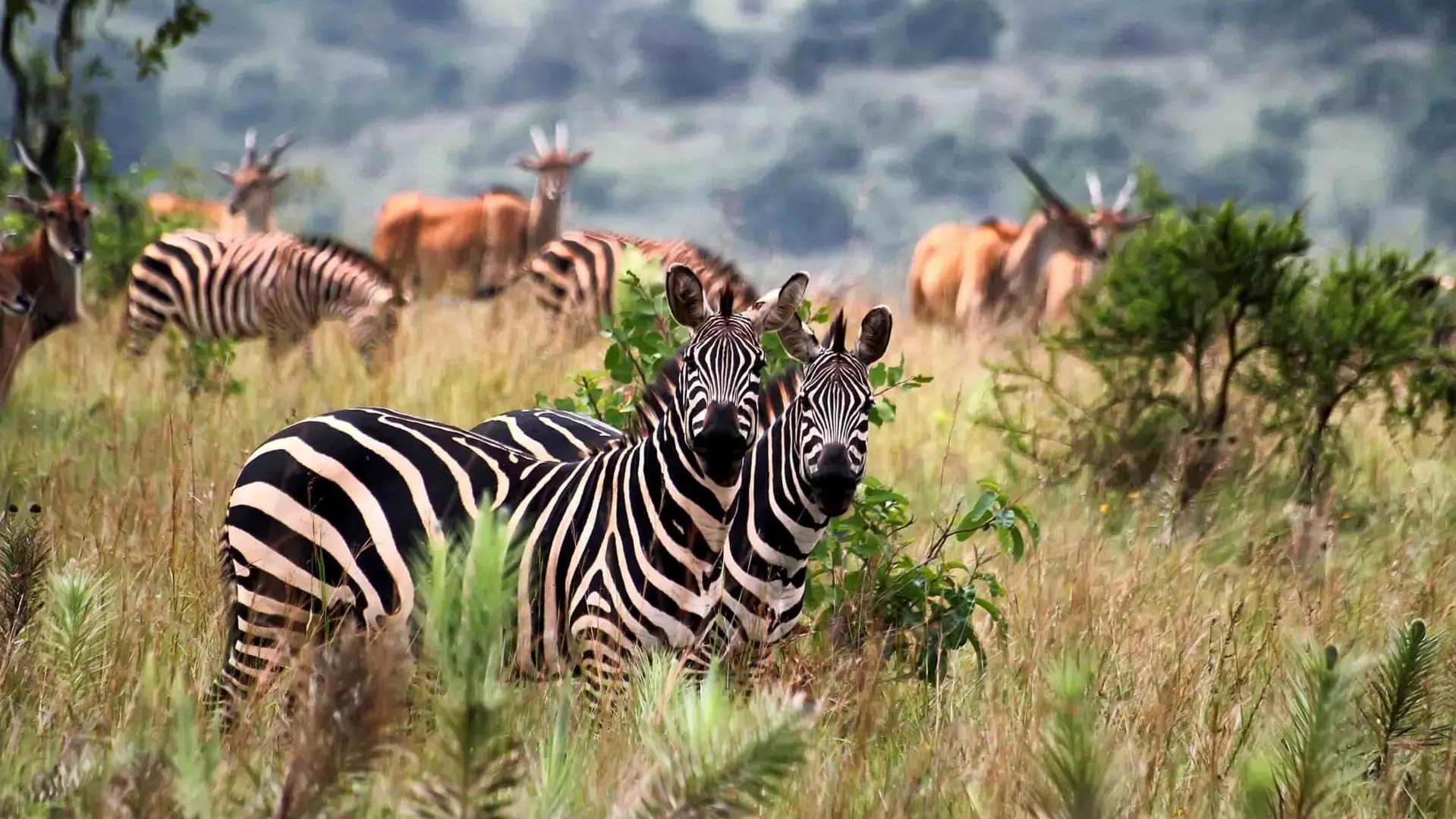
How Community Rangers Are Shifting the Fate of Zimbabwe's Endangered Animals
News
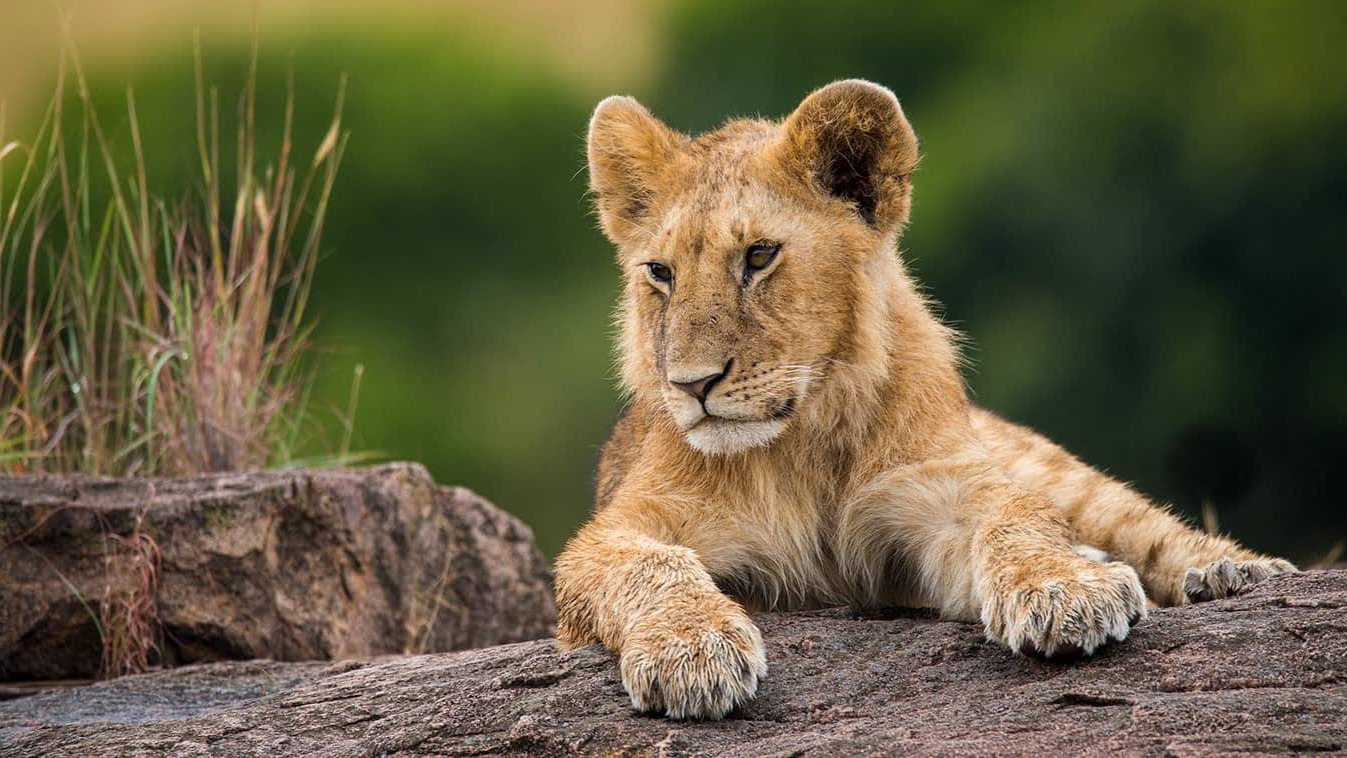
How Local Partnerships Turned the Tide for Rwanda's Endangered Wildlife
News
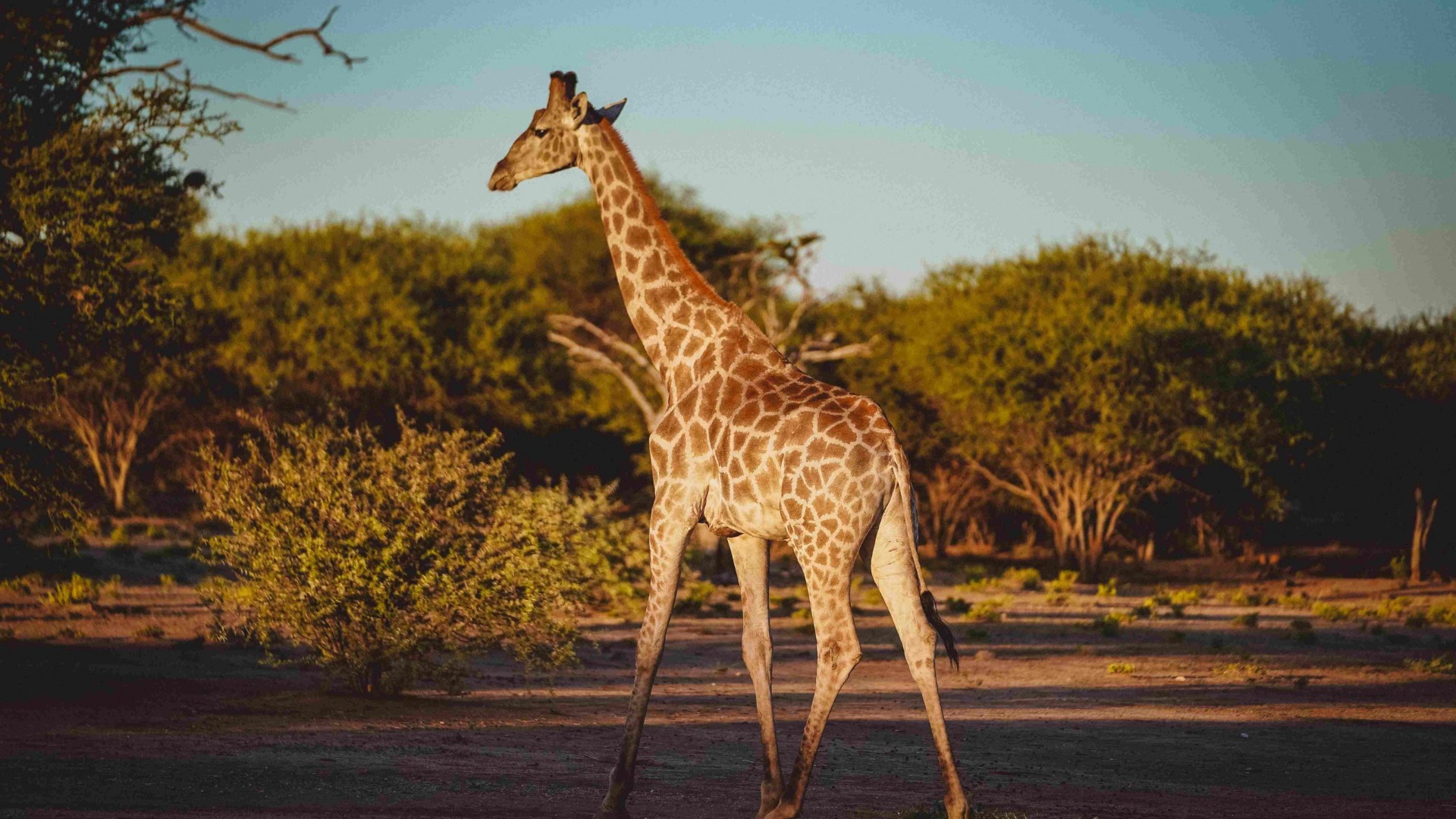
How Maasai Herders and Rangers Are Reshaping Wildlife Corridors
News
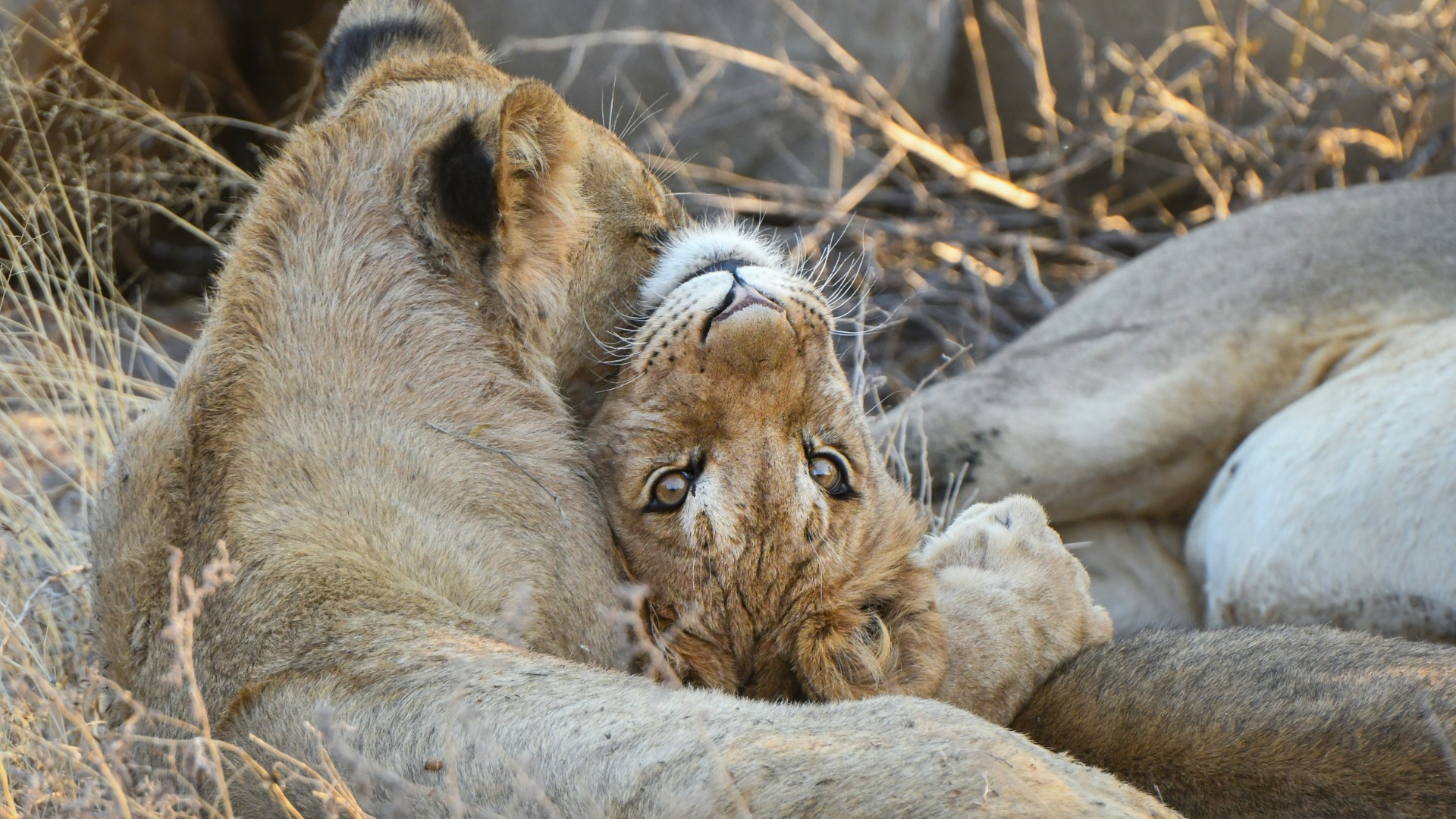
How Recent South African Wildlife News Is Altering Safari Expectations
news
How Rwanda Is Bringing Lions Back Through Cross-Border Partnerships
News