news
How Rwanda Is Bringing Lions Back Through Cross-Border Partnerships
Encounters Africa - 10 min read
Updated on 20 August 2026
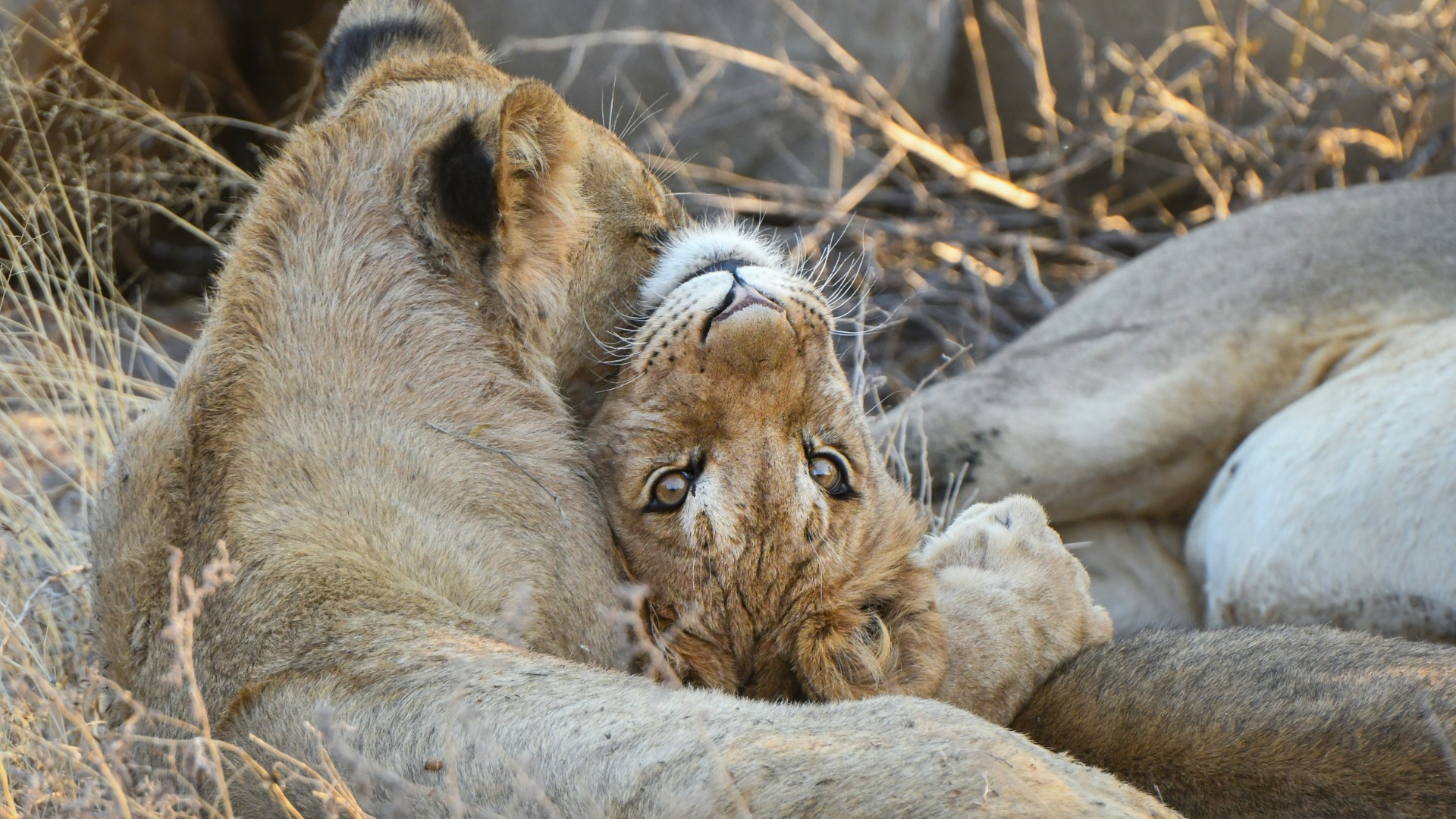
In the rolling grasslands of Rwanda’s Akagera National Park, a powerful silhouette has reappeared after two decades of absence. The return of the lions through a carefully orchestrated multinational initiative marks one of the most significant wildlife restoration stories in East Africa. This coordinated effort, spanning Rwanda, South Africa and Uganda, has already seen prides establish territories and cubs born on Rwandan soil, signalling hope for the long-term recovery of this apex predator across the region.
Years after their disappearance, lions are being carefully reintroduced to Rwanda through a coordinated effort spanning three nations. We step inside the breeding programmes, veterinary logistics, and community partnerships driving this ambitious restoration of the king of the savanna. The project stands as a model of cross-border collaboration, blending scientific precision with local knowledge to rebuild not just populations but entire ecosystems.

The Disappearance That Prompted Action
Lions once roamed freely across much of what is now Rwanda, their roars echoing through the acacia-dotted plains. By the late 1990s, however, conflict, habitat loss and retaliatory killings had pushed the population to zero. The last confirmed sighting occurred in 1997, leaving a silent void in the food chain and an incomplete landscape for those who came to experience the wild heart of the country.
The absence affected more than just the balance of predators and prey. Herbivore numbers swelled unchecked in some areas, while tourism narratives felt incomplete without the possibility of encountering the majestic cats. Recognising this, the Rwandan government, in partnership with African Parks, began laying the groundwork for their return in 2015. The vision was never simply to release animals but to create a sustainable, genetically viable population that could thrive for generations.
The roar of a lion carries across the savanna like thunder rolling over distant hills. Its return to Rwanda is not merely the reintroduction of a species but the restoration of an ancient rhythm that once defined these landscapes.
Why Lions Vanished from Akagera
The reasons for the lions’ disappearance were complex and intertwined. Decades of civil unrest in the 1990s severely disrupted conservation efforts, while expanding human settlements around the park boundaries increased conflict. Poisoning and snares claimed many of the remaining individuals, as communities sought to protect livestock that represented their livelihoods.
Habitat fragmentation played a decisive role. Akagera’s original size had been reduced by more than half in the years following independence to accommodate returning refugees, shrinking the available territory for wide-ranging predators. Without sufficient space and prey, the lions could not maintain viable numbers. By the turn of the century, the species had been functionally extinct in the park for nearly 20 years.
Lessons from Past Conservation Efforts
Previous attempts to bolster wildlife in the region had mixed results, teaching conservationists valuable lessons about the importance of community buy-in and scientific monitoring. These insights shaped the current lion reintroduction strategy, emphasising long-term planning over quick fixes. The project team studied successful rewilding programmes elsewhere in Africa before adapting them to Rwanda’s unique context.
Cross-Border Partnerships: The Three-Nation Alliance
The reintroduction of lions to Rwanda represents a remarkable feat of regional cooperation. At its core lies a partnership between Rwanda, South Africa and Uganda, each contributing different strengths to the initiative. South African reserves provided founder animals with strong genetics, while Ugandan expertise in translocation logistics helped refine capture and transport methods.
African Parks, the organisation managing Akagera, coordinated the complex operation with support from the Rwanda Development Board. The project also drew on the knowledge of Panthera, the global wild cat conservation organisation, which assisted with genetic analysis and population modelling. This multi-nation approach ensured a diverse genetic pool, crucial for avoiding inbreeding in the small founding population.
Funding came from various sources, including philanthropic foundations and tourism revenue generated by Rwanda’s successful mountain gorilla conservation programme. The latter demonstrated how wildlife can drive economic benefits for local communities, providing a compelling template for the lion project.
Conservation knows no borders. When three nations align their efforts to restore a species, the savanna itself seems to breathe more easily, reminding us that our most successful environmental stories are always collaborative ones.
Breeding Programmes and Genetic Management
Before any lions could make the journey to Akagera, a meticulous breeding programme was established to ensure genetic diversity. Lions from different bloodlines were carefully matched using detailed pedigree records maintained by the Endangered Wildlife Trust in South Africa. The goal was to create a founding population that represented the broadest possible genetic base.
Between 2015 and 2022, 18 lions were translocated in carefully planned phases. The first eight arrived in 2015 from reserves in South Africa, followed by additional animals in subsequent years. Each translocation was preceded by months of preparation, including health screenings and behavioural assessments to ensure the lions would adapt successfully to their new environment.
The Science Behind Selection
Geneticists analysed DNA samples to avoid potential issues with inbreeding depression. The selected lions came from populations with proven resilience and strong hunting abilities. This scientific approach has paid dividends, with the Akagera lion population now numbering more than 30 individuals and showing healthy reproduction rates.
The Translocation Journey: From Capture to Release
The physical movement of lions across borders represents a logistical triumph. Animals were carefully darted by experienced veterinary teams, then transported in specially designed crates via road and air. The journey from South Africa to Rwanda could take up to 48 hours, with regular monitoring of the sedated cats to ensure their welfare.
Upon arrival in Akagera, the lions entered a boma – a secure enclosure within the park – where they spent several weeks acclimatising to their new surroundings. This period allowed them to recover from the stress of translocation while familiarising themselves with local prey scents and sounds. Only when the veterinary team was satisfied with their condition were they released into the wider park.
The process required close coordination between customs officials in multiple countries, with special permits expedited to ensure minimal time in transit. Each translocation represented months of planning compressed into a few critical days of execution.
Community Engagement: Bringing People Along
Success in lion conservation depends as much on human communities as on the animals themselves. From the outset, the project team invested heavily in engaging with residents living near Akagera’s boundaries. Education programmes in local schools taught children about the ecological importance of lions, while adult workshops addressed practical concerns about livestock protection.
A compensation scheme was established to reimburse farmers for any livestock lost to lions, removing the financial incentive for retaliation. At the same time, training in improved husbandry practices – such as reinforced night enclosures for cattle – has dramatically reduced conflict incidents. These measures have helped shift local attitudes from fear to cautious pride in their returning neighbours.
Tourism revenue from the park now directly benefits surrounding communities through infrastructure projects and employment opportunities. This tangible connection between healthy wildlife and improved livelihoods forms the cornerstone of long-term support for the project.
Monitoring and Veterinary Care in the New Territory
Once released, the lions became subjects of intensive scientific monitoring. Each animal wears a GPS collar that transmits location data every few hours, allowing researchers to track movement patterns, territory establishment and hunting success. This technology has provided unprecedented insights into how translocated lions adapt to new environments.
A dedicated veterinary unit stands ready to respond to any health concerns, from injuries sustained during territorial disputes to potential disease transmission. Regular sampling helps track the spread of pathogens and ensures the population remains robust. The data collected contributes not only to Akagera’s management but to broader understanding of lion ecology across Africa.
Every collar signal and every dawn patrol tells a story of adaptation and resilience. In watching these lions reclaim their place, we witness nature’s remarkable capacity for recovery when given the space and protection it needs.
How the Lion Reintroduction in Rwanda Works: A Step-by-Step Overview
Many travellers wonder about the practical mechanics of such an ambitious project. The process follows several distinct phases, each critical to overall success. Understanding these steps helps illustrate why the initiative has achieved such promising early results.
Planning and genetic selection: Experts identify suitable lions from established populations, ensuring maximum genetic diversity for the founding group.
Health screening and preparation: Each animal undergoes comprehensive veterinary examination, vaccinations where appropriate, and behavioural assessment.
Translocation: Lions travel in specialised crates with veterinary accompaniment, typically by road and chartered aircraft.
Boma acclimatisation: New arrivals spend 4-8 weeks in a secure enclosure within the park to reduce stress and familiarise them with local conditions.
Soft release and monitoring: Lions are gradually given access to larger areas while continuing to be tracked and supported as needed.
Population management: As numbers grow, careful monitoring ensures balance with available prey and habitat capacity.
This structured approach has been refined through experience and now serves as a blueprint for similar projects elsewhere on the continent.
Measuring Success: Population Growth and Ecosystem Impact
By late 2024, the Akagera lion population had grown to approximately 35 individuals, including multiple generations born within the park. Several females have successfully raised cubs, with survival rates exceeding initial projections. The presence of lions has already begun reshaping herbivore distribution patterns, creating a more natural ecological balance.
Prey species such as zebra and waterbuck now show more cautious behaviour, while vulture populations benefit from increased availability of carcasses from natural lion kills. The return of this apex predator has rippled through the entire ecosystem, demonstrating the interconnectedness of all species within the park.
Challenges That Remain
Despite the encouraging numbers, challenges persist. Ensuring adequate prey base as the lion population expands remains a priority. Human-wildlife conflict along the park boundaries requires constant attention, while climate change brings new variables to habitat management. The project team continues to adapt its strategies based on emerging data and changing conditions.

The Broader Impact on African Conservation
Rwanda’s lion reintroduction has captured international attention and inspired similar efforts in other countries facing local extinctions. The model of collaboration between national governments, conservation NGOs and private reserves offers valuable lessons for addressing wildlife decline across the continent. It demonstrates that with sufficient commitment and resources, even species driven to local extinction can be brought back.
The project also highlights the economic potential of well-managed wildlife tourism. Visitor numbers to Akagera have increased significantly since the lions’ return, bringing much-needed revenue to both the park and surrounding communities. This financial incentive strengthens the case for investing in conservation across Rwanda and beyond.
Looking ahead, the team hopes to establish wildlife corridors connecting Akagera with protected areas in neighbouring countries, allowing for natural gene flow between lion populations. Such connectivity represents the next frontier in African conservation, moving beyond isolated reserves toward more integrated landscape-level management.
Conclusion: A Future with Lions
The story of Rwanda’s returning lions reminds us that conservation success is possible even in the most challenging circumstances. Through determination, scientific rigour and genuine partnership with local communities, a country once without lions now hears their roars again at dusk. This achievement stands as testament to what can be accomplished when nations work together toward a shared environmental vision.
For those inspired by this story of restoration, witnessing these magnificent animals in their recovering habitat offers a profoundly moving experience. Rwanda safari experiences that include time in Akagera now carry the added dimension of contributing to this living conservation success.
For discerning travellers seeking a private safari beyond our set itineraries, we invite you to contact us directly. We specialise in designing exceptional, tailor-made journeys for individuals, couples, families, and private groups of up to eight guests. Drawing on our handpicked network of distinguished camps and lodges, we curate every detail with precision and care, creating a seamless, deeply personal safari experience shaped entirely around your preferences, pace, and budget.
Speak with Encounters Africa to explore how you might witness the next chapter in Rwanda’s lion story. The kings have returned – and their realm awaits your visit.
More like this
News
How South African Rangers Are Adapting Anti-Poaching Tactics to Climate Shifts
News
How Tanzania's Rangers Are Adapting to New Threats Facing Elephants and Lions
News
How Wildlife on South African Safaris Adjusts to Human Presence During Game Drives
News
How Zimbabwean Wildlife Species Adjust Migration Routes Amid Climate Shifts
News
Inside One Season at Sabi Sand: How Community Funds Are Reshaping Conservation
News