
conservation
Guardians of the Green: Kasane Forest Reserve's Vital Role
Encounters Africa - 7 min read
Updated on 1 May 2026
Nestled in the northeastern corner of Botswana, the Kasane Forest Reserve stands as a testament to the country's unwavering commitment to wildlife conservation. This often-overlooked gem plays a profoundly significant role in the broader Chobe National Park ecosystem, acting as a crucial buffer and dispersal area for an astonishing array of wildlife, particularly its iconic elephant herds. Understanding the intricate dynamics of conservation here is key to appreciating the delicate balance of Africa's wild spaces.
The reserve's strategic location, bordering both Chobe River Front and the Chobe National Park, makes it an indispensable component of a larger transboundary conservation landscape. It is a lifeline for animals moving between vital water sources and foraging grounds, ensuring genetic diversity and ecological resilience. Encounters Africa believes that highlighting these less-frequented but ecologically vital areas is crucial for promoting holistic conservation awareness among discerning travellers.
The Ecological Significance of Kasane Forest Reserve Conservation
The Kasane Forest Reserve is far more than just a patch of woodland; it is a critical ecological corridor. This reserve facilitates the movement of wildlife, especially large mammals like elephants, between the abundant water resources of the Chobe River and the more arid interior of the region. Without such corridors, animal populations can become isolated, leading to inbreeding and reduced resilience to environmental changes.
Its diverse habitats, ranging from dense mopane woodlands to riverine forests, support a rich tapestry of flora and fauna. These varied environments provide essential resources for different species throughout the year, making the reserve a biodiversity hotspot. The conservation efforts here are therefore not just about protecting a single species, but about preserving an entire functioning ecosystem.
The Kasane Forest Reserve is not merely a boundary on a map; it is the beating heart of a vast wildlife network, ensuring the free flow of life across Southern Africa's iconic landscapes.
Connecting the Chobe Ecosystem
The reserve acts as a vital link in the greater Chobe ecosystem, which extends into neighbouring countries. This connectivity is paramount for species that undertake seasonal migrations in search of food and water. For example, during the dry season, many animals congregate along the Chobe River, and the reserve provides safe passage to these life-sustaining waters.
This interconnectedness is also crucial for predator-prey dynamics, allowing for natural population control and healthy ecosystems. The absence of such corridors can lead to overgrazing in some areas and underutilisation in others, disrupting the natural balance. Conservation initiatives in Kasane Forest Reserve directly contribute to the health of the entire region.
Key Wildlife Species Benefiting from Reserve Protection
While the Kasane Forest Reserve is renowned for its elephant populations, it is also home to a remarkable variety of other wildlife. The conservation strategies employed here aim to protect all species, from the smallest insects to the largest predators, recognising their integral roles in the ecosystem.
Travellers visiting the area often marvel at the sheer abundance of life. Beyond the elephants, one can encounter various antelope species, predators, and a plethora of birdlife. The reserve's protection ensures that these species have a safe haven and can thrive away from human encroachment.
Elephants: The Gentle Giants of Kasane
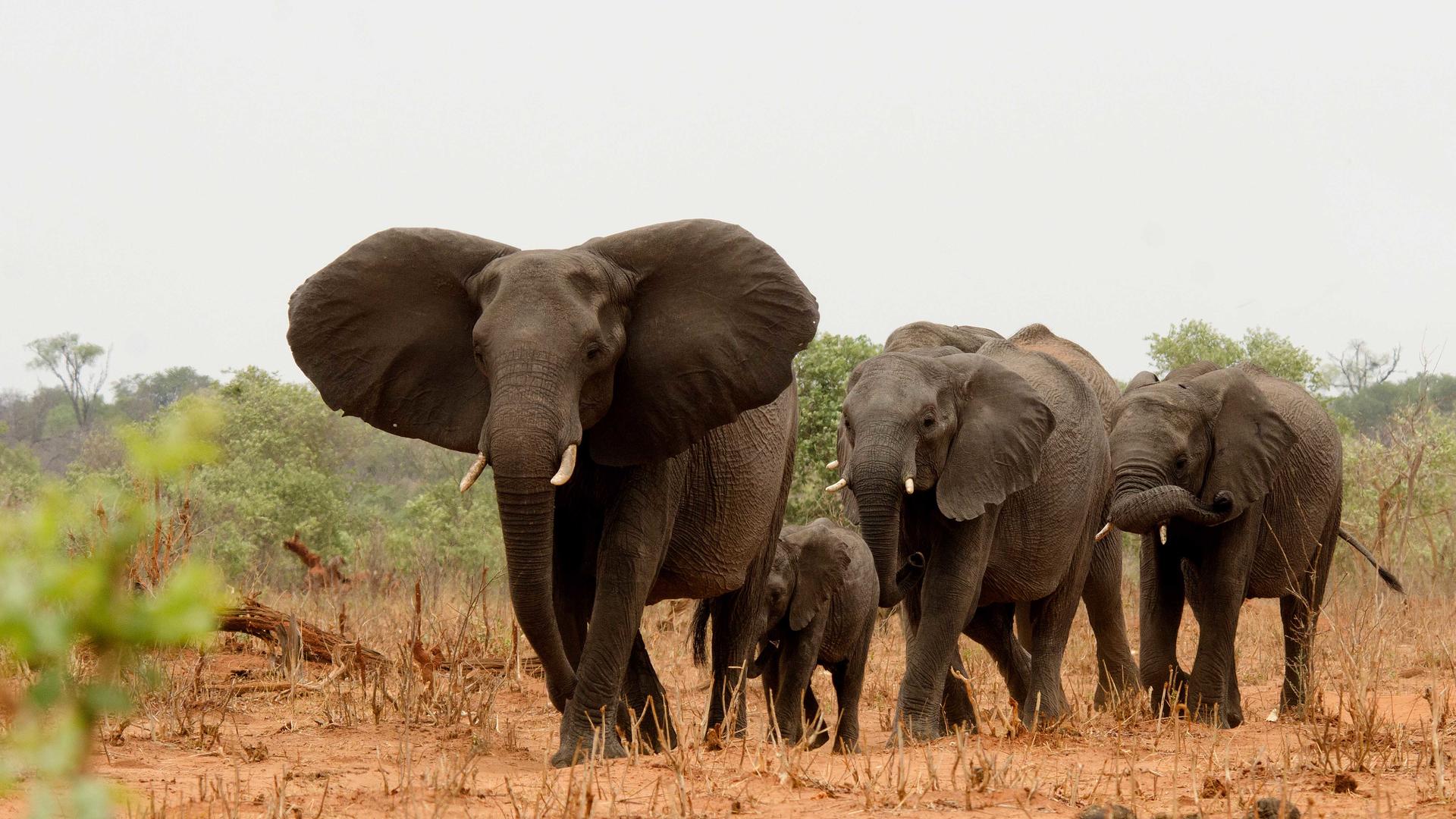
The Kasane Forest Reserve is particularly significant for the region's colossal elephant population. Botswana is home to the largest elephant population in Africa, and a substantial number of these magnificent creatures utilise the reserve as part of their migratory routes and foraging grounds. The dense woodlands offer shelter and food, while proximity to the Chobe River provides water.
Conservation efforts focus on mitigating human-wildlife conflict, particularly with the growing town of Kasane nearby. These initiatives include community engagement, awareness programmes, and anti-poaching patrols to ensure the safety and well-being of these iconic animals. Protecting the elephants here is a cornerstone of Botswana's overall conservation strategy.
Predators and Prey: A Balanced Ecosystem
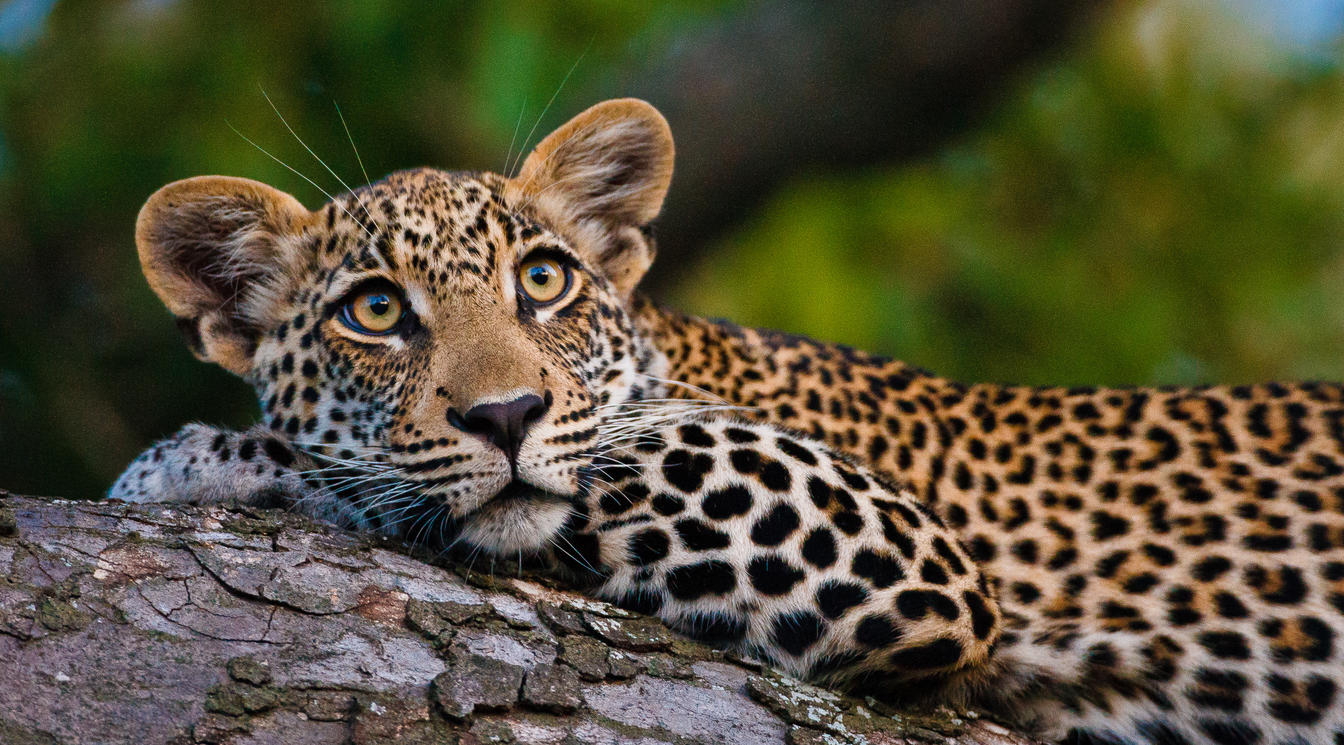
The reserve supports a healthy population of predators, including lions, leopards, and hyenas, which in turn helps maintain the balance of herbivore populations. The presence of these apex predators is a strong indicator of a thriving ecosystem. Their movements are often facilitated by the reserve's continuous habitat.
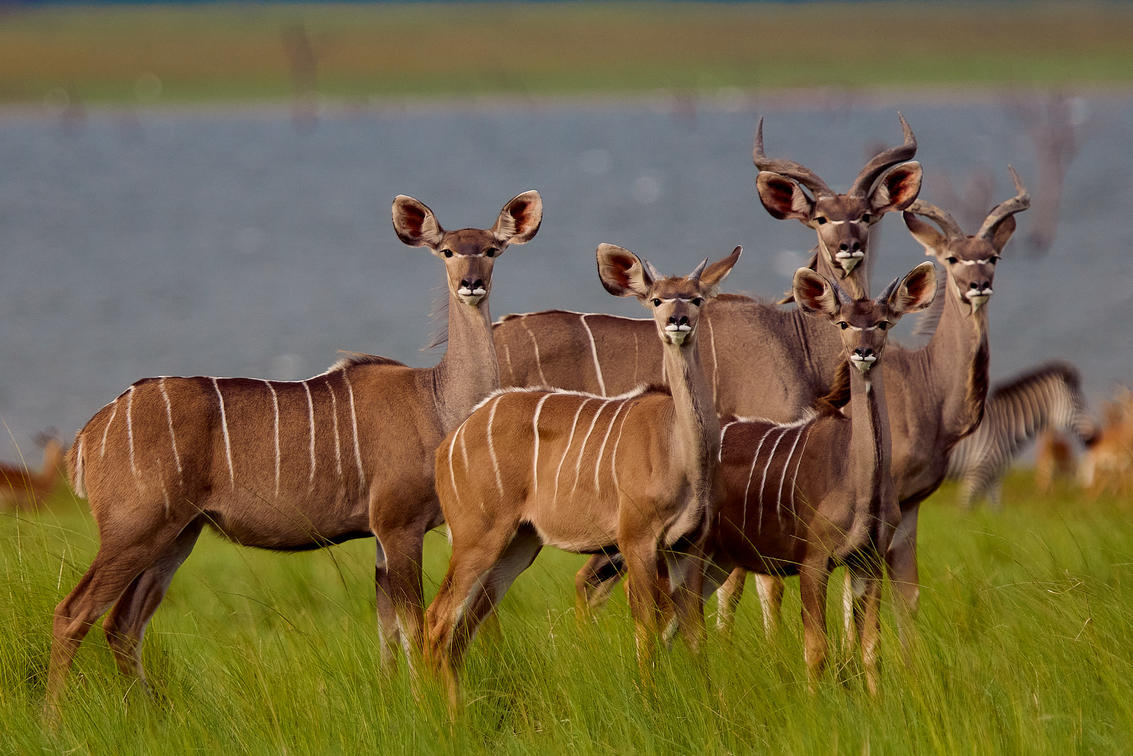
Various antelope species, such as impala, kudu, and sable, also find refuge and sustenance within the reserve's boundaries. Their presence provides a crucial food source for predators, illustrating the intricate web of life that conservationists strive to protect. A safari through this area offers incredible opportunities to witness these interactions firsthand.
Conservation Challenges and Innovative Solutions
Despite its protected status, the Kasane Forest Reserve faces a number of significant conservation challenges. These include human-wildlife conflict, habitat degradation, and the ever-present threat of poaching. Addressing these issues requires a multi-faceted approach, combining traditional conservation methods with innovative, community-led solutions.
Encounters Africa works closely with local partners who are at the forefront of implementing these solutions, ensuring that our travellers' journeys contribute positively to these vital efforts. Sustainable tourism plays a crucial role in providing resources and awareness for ongoing conservation.
Mitigating Human-Wildlife Conflict
As human settlements expand around Kasane, the interface between people and wildlife becomes increasingly complex. Elephants, in particular, can cause damage to crops and infrastructure, leading to conflict. Conservation programmes in the reserve focus on finding sustainable solutions that benefit both people and animals.
These solutions include the implementation of chilli fences, early warning systems, and community education programmes that teach coexistence strategies. By fostering a sense of shared responsibility, these initiatives help reduce negative interactions and promote a more harmonious relationship between humans and the wild.
Anti-Poaching and Habitat Protection
Poaching remains a persistent threat to many species within the reserve, particularly for high-value animals like elephants. Dedicated anti-poaching units, often supported by advanced technology and intelligence networks, patrol the reserve to deter and apprehend poachers. These efforts are critical for safeguarding the populations of vulnerable species.
Habitat protection is equally important. This involves managing invasive species, preventing illegal logging, and implementing fire management strategies to maintain the health and integrity of the forest ecosystem. These proactive measures ensure that the reserve continues to provide a suitable environment for its diverse wildlife.
Community Involvement in Kasane Forest Reserve Conservation
The long-term success of conservation efforts in Kasane Forest Reserve is inextricably linked to the involvement and support of local communities. Empowering and engaging residents in conservation initiatives creates a sense of ownership and ensures that the benefits of wildlife protection are shared equitably. This collaborative approach is a hallmark of sustainable conservation.
Encounters Africa believes that responsible tourism should directly benefit the communities living alongside these wild spaces. By supporting lodges and operators that engage with local populations, travellers contribute to a virtuous cycle of conservation and community development.
Empowering Local Guardians
Local community members are often the first line of defence for wildlife and play a crucial role in monitoring and reporting illegal activities. Training programmes empower individuals with skills in wildlife management, eco-tourism, and sustainable resource use, creating alternative livelihoods that are directly tied to conservation success.
These initiatives not only provide economic opportunities but also foster a deeper appreciation for the natural heritage of the region. When communities see tangible benefits from conservation, their commitment to protecting wildlife strengthens significantly.
Sustainable Tourism and Its Impact
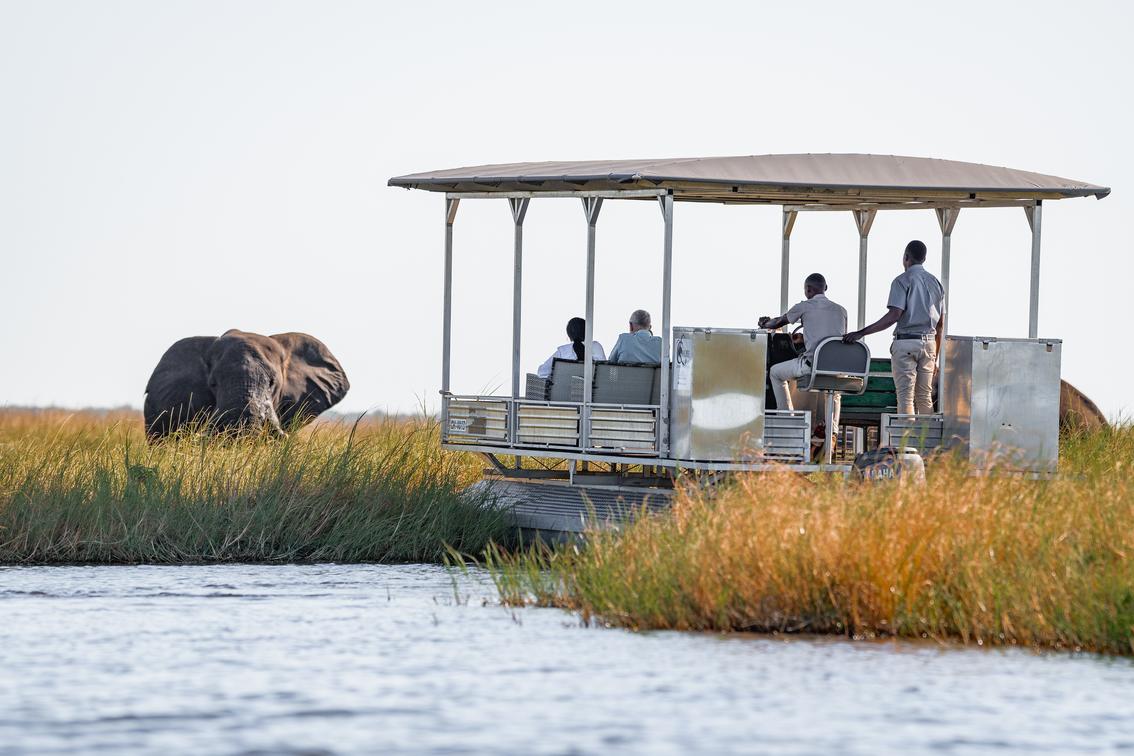
Tourism provides a vital revenue stream that directly funds conservation efforts and community projects. When travellers choose to visit destinations like Kasane Forest Reserve, they contribute to the salaries of park rangers, the maintenance of infrastructure, and the development of local services. This economic incentive is a powerful driver for conservation.
Encounters Africa carefully selects partners who adhere to strict ethical and sustainable tourism practices, ensuring that your safari experience leaves a positive footprint. This includes supporting initiatives that minimise environmental impact and maximise community benefits.
Conclusion: A Future for Kasane's Wild Heart
The Kasane Forest Reserve is a cornerstone of Botswana's conservation success story, a vital artery in the larger Chobe ecosystem. Its continued protection is essential for the health and diversity of Southern Africa's wildlife, particularly its iconic elephant herds. The challenges are significant, but through dedicated conservation efforts, innovative solutions, and strong community partnerships, the future of this wild heart remains bright.
For discerning travellers seeking a private safari beyond our set itineraries, we invite you to contact us directly. We specialise in designing exceptional, tailor-made journeys for individuals, couples, families, and private groups of up to eight guests. Drawing on our handpicked network of distinguished camps and lodges, we curate every detail with precision and care, creating a seamless, deeply personal safari experience shaped entirely around your preferences, pace, and budget.
More like this
conservation
Guardians of the Luangwa: Sustainable Safaris in South Luangwa National Park
conservation
Guardians of the Wild: Conservation in Tanzania's Serengeti
conservation
Guardians of the Wild: Timbavati Private Nature Reserve Conservation
conservation
Heros of the Zambezi: Conservation Efforts in Victoria Falls, Zambia
conservation
How African Cities Are Building Wildlife Corridors Through Concrete Landscapes
conservation