conservation
Guardians of the Luangwa: Sustainable Safaris in South Luangwa National Park
Encounters Africa - 7 min read
Updated on 1 May 2026
Nestled in the eastern part of Zambia, South Luangwa National Park stands as a beacon of African wildlife conservation. Often hailed as one of Africa's greatest wildlife sanctuaries, it is a place where the Luangwa River breathes life into a diverse ecosystem, supporting an astonishing array of flora and fauna. For discerning travellers, a journey to South Luangwa offers not just unparalleled wildlife viewing, but also a profound connection to the ongoing efforts to protect this precious wilderness.
Encounters Africa is deeply committed to supporting destinations like South Luangwa, where sustainable tourism practices are not just buzzwords, but the very foundation of their operations. Our focus is on providing exceptional safari experiences that contribute directly to the park's conservation initiatives and uplift local communities, ensuring that this incredible natural heritage endures for generations to come.
The Heart of Zambian Conservation: South Luangwa's Legacy
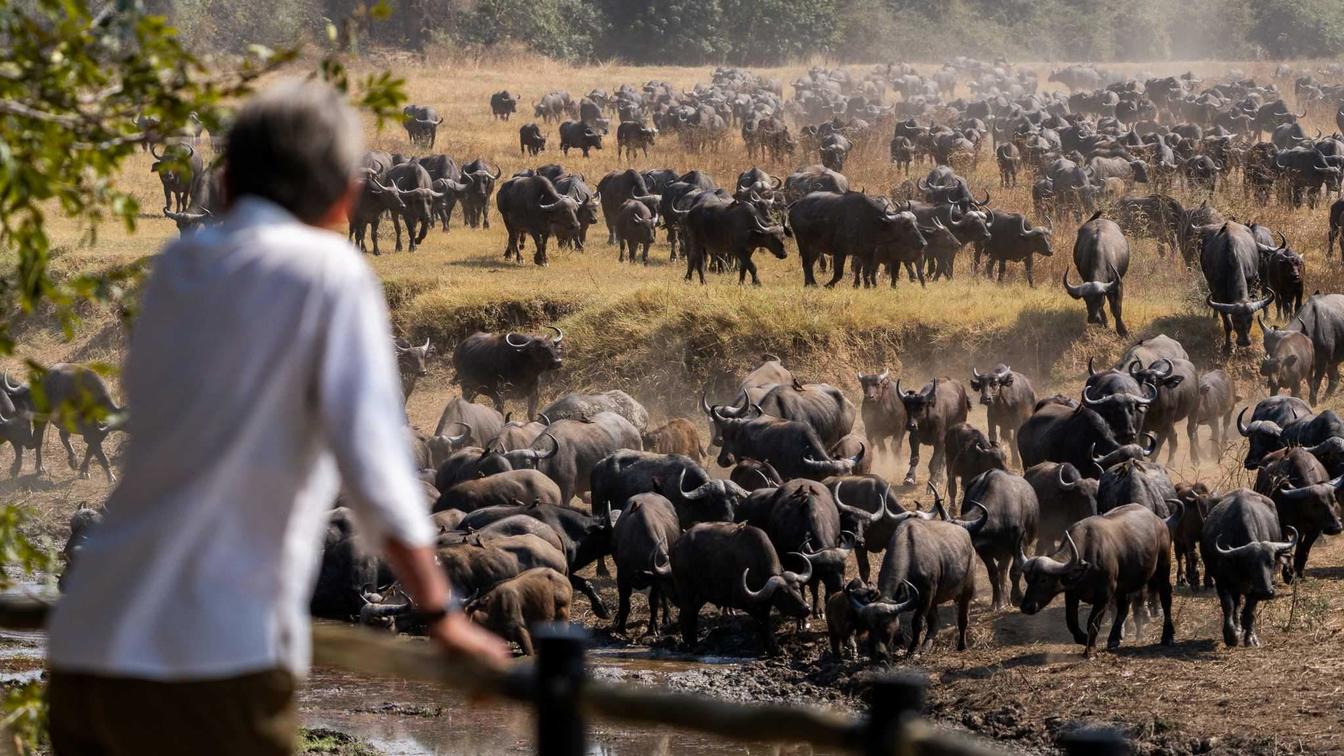
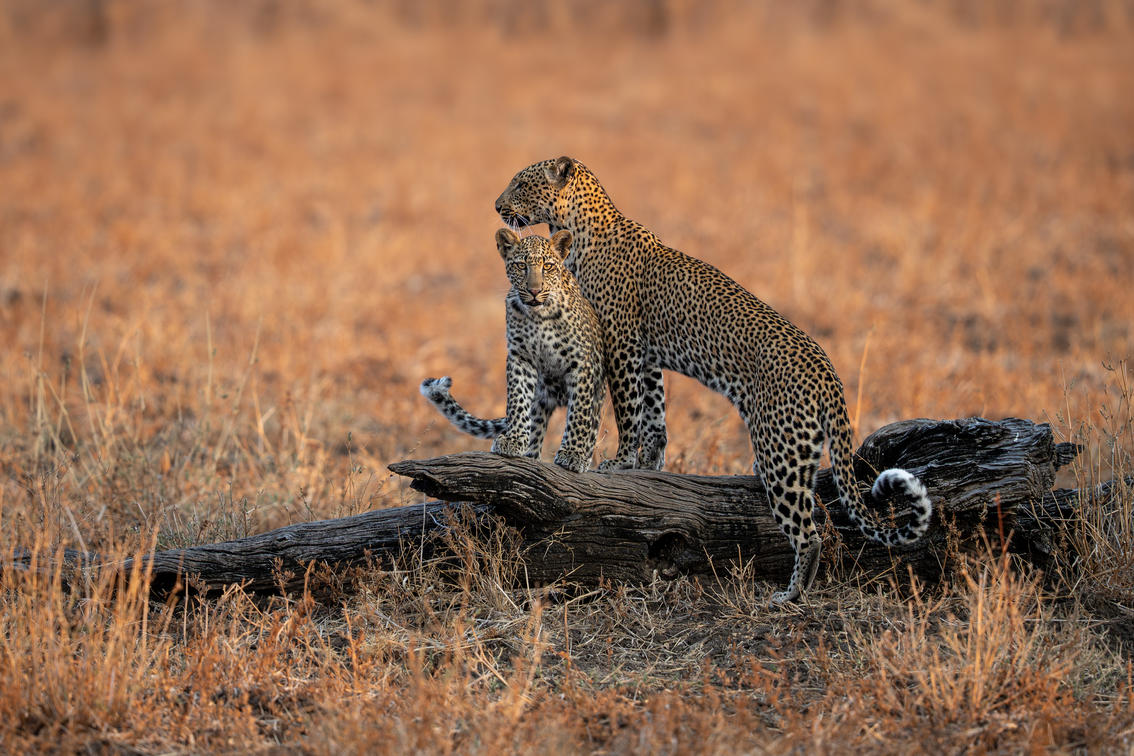
South Luangwa National Park covers an expansive 9,050 square kilometres, making it a cornerstone of Zambia's conservation strategy. Its rich biodiversity is largely due to the life-giving Luangwa River, which meanders through the park, creating oxbow lagoons and fertile floodplains that attract vast concentrations of animals. This dynamic environment supports one of the highest densities of leopards in Africa, along with significant populations of lions, elephants, buffalo, and endemic species such as Thornicroft's giraffe and Cookson's wildebeest.
The park's conservation history is long and storied, marked by dedicated individuals and organisations working tirelessly to combat poaching and habitat degradation. Today, a collaborative approach involving the Zambian Department of National Parks and Wildlife (DNPW), non-governmental organisations, and the tourism sector ensures the continued protection of this vital ecosystem. This integrated strategy is crucial for maintaining the delicate balance between wildlife, habitat, and human communities.
South Luangwa National Park is not merely a destination; it is a living testament to what can be achieved when conservation, community, and responsible tourism converge.
Wildlife Protection and Anti-Poaching Efforts
The fight against poaching remains a critical component of conservation in South Luangwa. Dedicated anti-poaching units, often supported by tourism revenues, patrol the park relentlessly. These efforts are multi-faceted, involving:
Ranger Patrols: Highly trained rangers conduct daily patrols, both on foot and by vehicle, to detect and deter illegal activities.
Community Engagement: Working with local communities to raise awareness about the value of wildlife and provide alternative livelihoods reduces the incentive for poaching.
Technology: Drones, GPS tracking, and advanced communication systems are increasingly used to enhance surveillance and response capabilities.
Wildlife Monitoring: Continuous monitoring of key species helps conservationists understand population dynamics and identify areas requiring increased protection.
These proactive measures have led to significant successes, including the recovery of certain wildlife populations and a reduction in poaching incidents, though the threat remains constant.
Sustainable Safaris: Tourism as a Conservation Tool
For Encounters Africa, sustainable safaris in South Luangwa are about more than just unforgettable wildlife encounters; they are about ensuring that every journey contributes positively to the park's future. This means choosing lodges and operators who prioritise environmental responsibility, community development, and ethical wildlife viewing.
Sustainable tourism in South Luangwa operates on several key principles:
Low-Impact Operations: Minimising the ecological footprint of lodges and safari activities.
Community Benefits: Ensuring that local communities receive tangible benefits from tourism, such as employment, education, and infrastructure development.
Conservation Funding: Directing a portion of tourism revenue towards anti-poaching efforts, habitat protection, and wildlife research.
Responsible Wildlife Interaction: Adhering to strict guidelines for game drives and walking safaris to minimise disturbance to animals.
By choosing a sustainable safari, travellers become active participants in the conservation story of South Luangwa.
Eco-Friendly Accommodation in South Luangwa
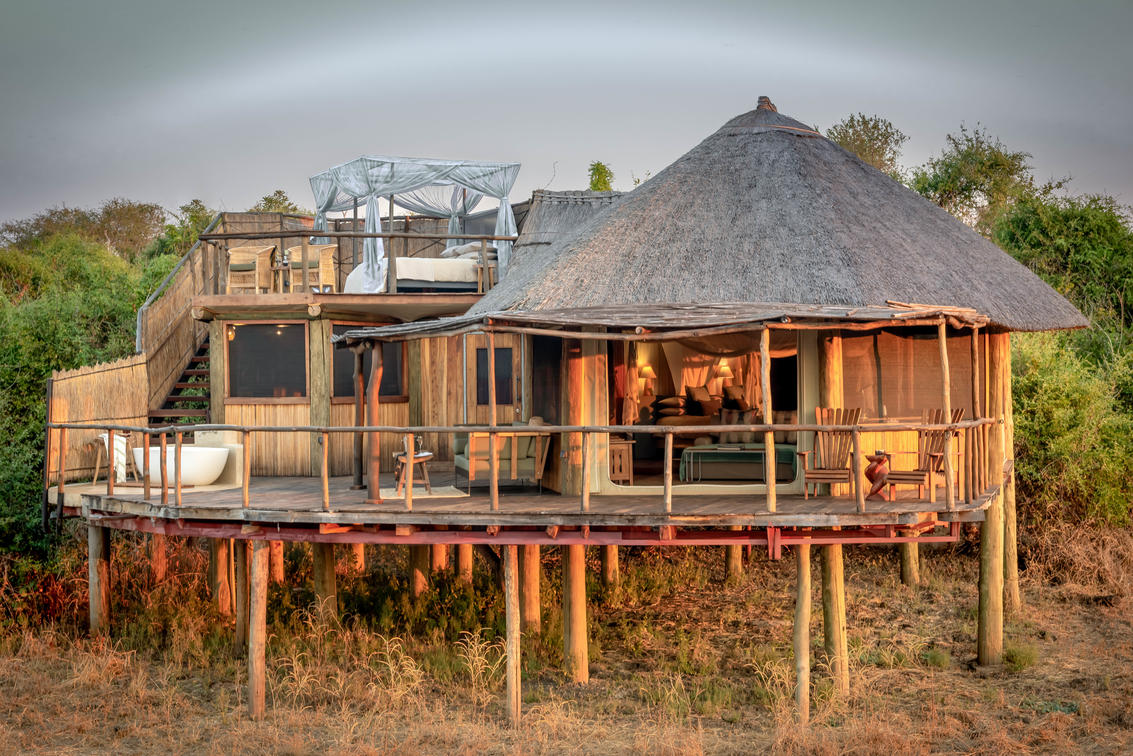
Many lodges in South Luangwa have embraced sustainable practices, offering luxury and comfort while treading lightly on the environment. These accommodations are designed to blend seamlessly with the natural surroundings and often incorporate innovative eco-technologies.
Mfuwe Lodge: Famous for elephants walking through its reception area, Mfuwe Lodge is a prime example of integration with nature. It supports local community projects and employs sustainable waste management practices.
Chinzombo Camp: A luxurious camp known for its minimal footprint, Chinzombo uses solar power, responsible water management, and locally sourced materials. Its design ensures guests feel immersed in the wilderness without disturbing it.
Kaingo Camp: This camp focuses on intimate wildlife experiences and has a strong commitment to conservation. They actively support local schools and clinics, and their operations are designed to have minimal environmental impact.
These lodges are not just places to stay; they are partners in conservation, demonstrating that luxury and sustainability can coexist beautifully.
Ethical Safari Practices
Encounters Africa partners with safari operators in South Luangwa who adhere to the highest ethical standards. This includes:
Limited Vehicle Numbers: Ensuring that game drive vehicles do not overcrowd sightings, allowing for respectful observation of wildlife.
Strict Off-Roading Policies: Minimising disturbance to vegetation and animal habitats by adhering to designated tracks.
Expert Guides: Employing highly trained local guides who understand animal behaviour and the importance of responsible viewing.
Walking Safaris: Pioneered in South Luangwa, walking safaris offer an immersive, low-impact way to experience the bush, led by armed professional guides.
These practices ensure that your safari experience is authentic, respectful, and contributes to the well-being of the park's inhabitants.
Community Engagement: The Human Element of Conservation
True conservation success in Africa hinges on the involvement and empowerment of local communities. In South Luangwa, the relationship between the park and its surrounding villages is vital. Many conservation initiatives focus on providing tangible benefits to local people, demonstrating that wildlife protection can lead to improved livelihoods.
Education and Livelihood Programmes
Several organisations, often funded by tourism, run programmes designed to support communities adjacent to South Luangwa National Park. These include:
School Support: Building and renovating schools, providing educational materials, and offering scholarships.
Healthcare Initiatives: Supporting local clinics and health education programmes.
Alternative Livelihoods: Training in sustainable agriculture, craft production, and other skills that reduce reliance on natural resources within the park.
Employment: Creating jobs for local people within the tourism sector, from guides and lodge staff to anti-poaching rangers.
By investing in these areas, conservation efforts gain local buy-in and create a shared vision for the future of the park and its people.
Best Time to Visit South Luangwa for Conservation-Focused Safaris
The dry season, from May to October, is generally considered the best time to visit South Luangwa National Park for wildlife viewing. During this period, the vegetation is sparse, and animals congregate around the shrinking water sources, making them easier to spot. This also coincides with the peak safari season, meaning more tourism revenue flows into conservation initiatives.
However, the 'emerald season' (November to April) offers a different, equally rewarding experience. The park transforms into a lush, green paradise, migratory birds arrive, and many animals give birth. While wildlife viewing can be more challenging due to denser vegetation, it's a time of vibrant beauty and fewer visitors, offering a more intimate safari experience. Sustainable lodges operate year-round, ensuring a continuous flow of support for conservation efforts.
Planning Your Sustainable Safari with Encounters Africa
For those looking to embark on a conservation-focused safari to South Luangwa, Encounters Africa offers bespoke itineraries that align with your values and interests. We meticulously select lodges and activities that exemplify sustainable tourism, ensuring your journey leaves a positive impact.
Our expert team can help you plan every detail, from choosing the right time to visit to selecting lodges that actively participate in community and conservation projects. Whether you dream of thrilling walking safaris, intimate game drives, or simply soaking in the wild beauty of the Luangwa, we craft an experience that is both luxurious and responsible.
Every step you take on a sustainable safari in South Luangwa helps protect its magnificent wildlife and empower its people.
Conclusion: A Future Forged in Conservation
South Luangwa National Park is a jewel in Africa's crown, a place where the wild heart of the continent beats strong. Its ongoing success as a wildlife sanctuary is a testament to the power of dedicated conservation efforts, supported significantly by responsible tourism. By choosing a sustainable safari with Encounters Africa, you become an integral part of this vital work, helping to ensure that the roars of lions, the trumpeting of elephants, and the silent grace of leopards continue to echo through the Luangwa Valley for generations to come.
For discerning travellers seeking a private safari beyond our set itineraries, we invite you to contact us directly. We specialise in designing exceptional, tailor-made journeys for individuals, couples, families, and private groups of up to eight guests. Drawing on our handpicked network of distinguished camps and lodges, we curate every detail with precision and care, creating a seamless, deeply personal safari experience shaped entirely around your preferences, pace, and budget.
More like this
conservation
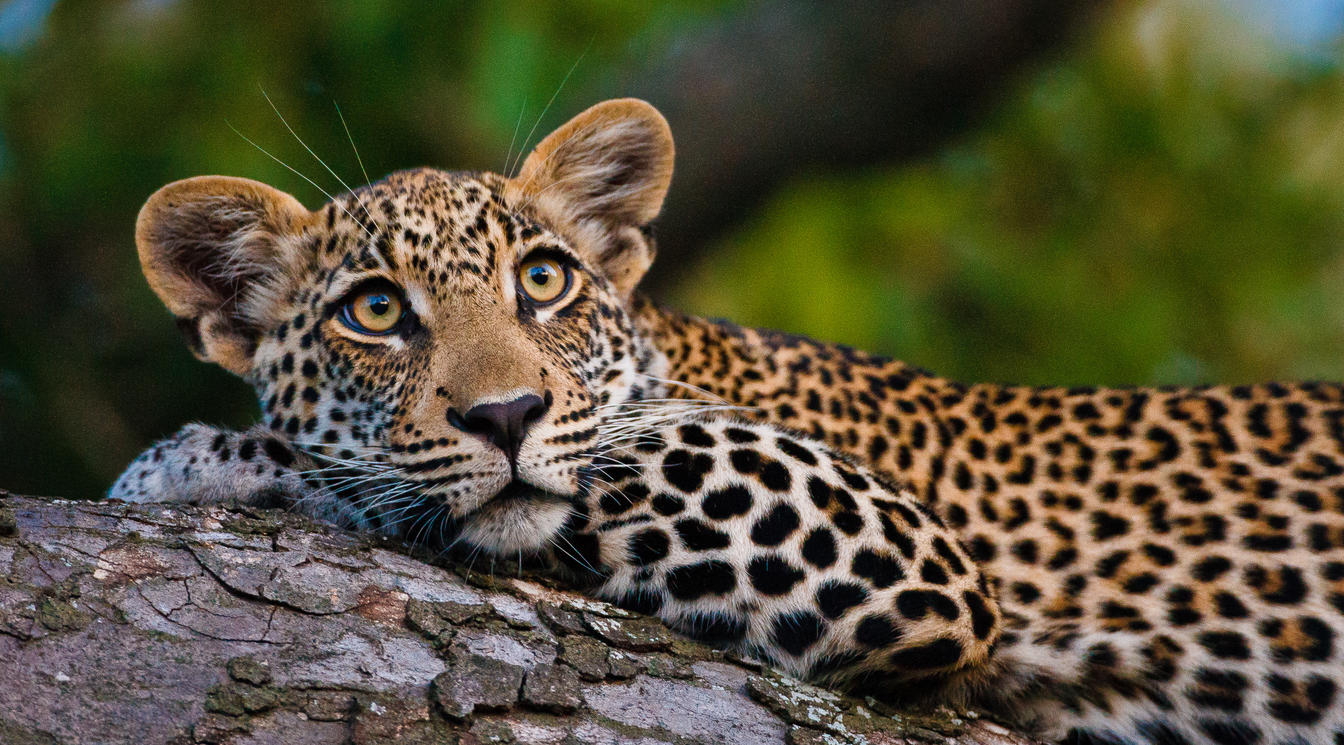
Guardians of the Wild: Conservation in Tanzania's Serengeti
conservation
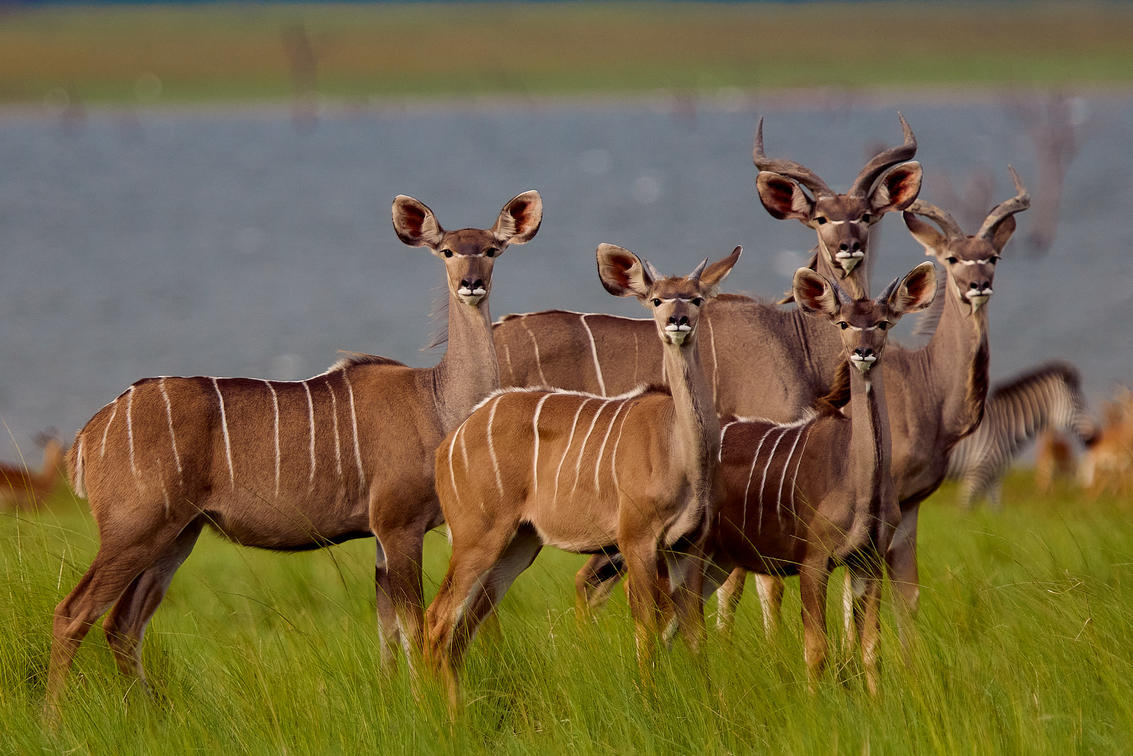
Guardians of the Wild: Timbavati Private Nature Reserve Conservation
conservation
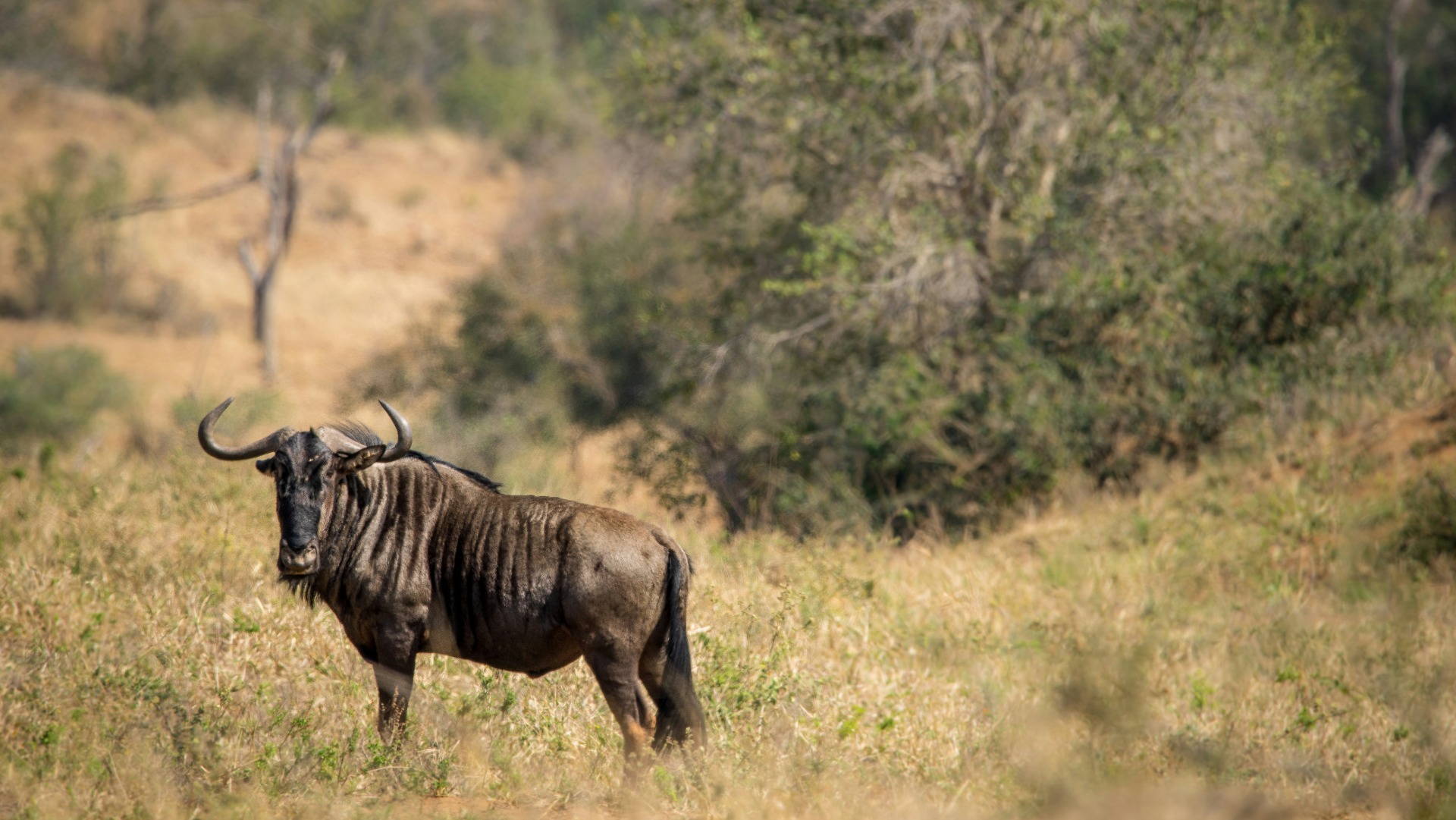
Heros of the Zambezi: Conservation Efforts in Victoria Falls, Zambia
conservation
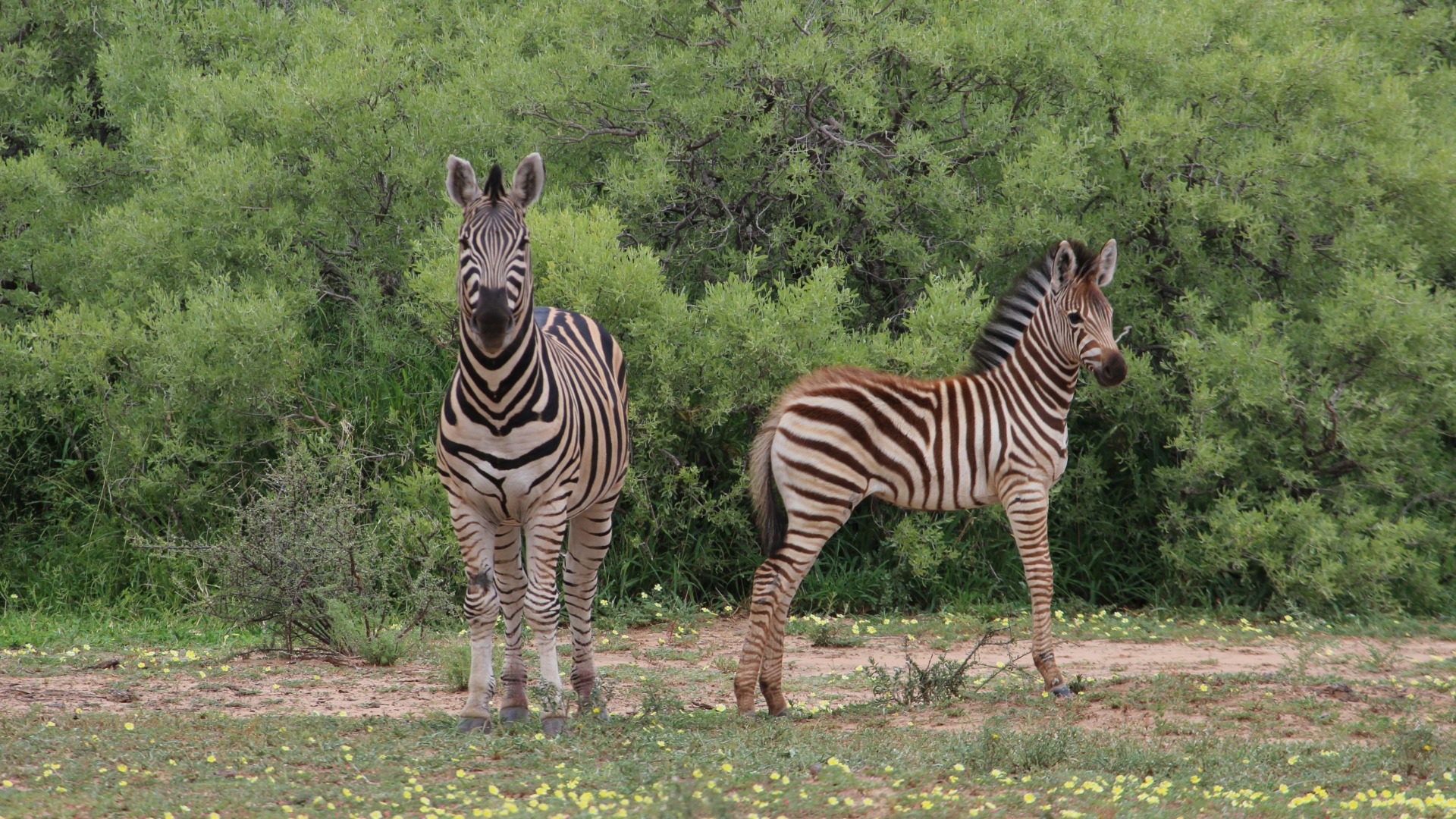
How African Cities Are Building Wildlife Corridors Through Concrete Landscapes
conservation
How African Rangers Deploy Drones and AI to Outmaneuver Poachers
conservation