conservation
Guardians of the Wild: Conservation in Tanzania's Serengeti
Encounters Africa - 8 min read
Updated on 1 May 2026
The Serengeti National Park in Tanzania is a name synonymous with untamed wilderness, the awe-inspiring Great Migration, and an unparalleled abundance of wildlife. Yet, beneath its seemingly endless plains lies a complex and dedicated network of conservation initiatives, working tirelessly to preserve this global treasure. For Encounters Africa, understanding and supporting these efforts is paramount, as the future of this magnificent ecosystem directly impacts the extraordinary safari experiences we offer.
This article delves into the multifaceted world of Serengeti National Park conservation, exploring the challenges faced, the innovative solutions implemented, and how responsible tourism plays a crucial role. From anti-poaching units to community engagement and sustainable land management, the commitment to safeguarding this natural wonder is profound, ensuring that its iconic landscapes and diverse inhabitants thrive for generations to come.
The Serengeti Ecosystem: A Jewel Under Pressure
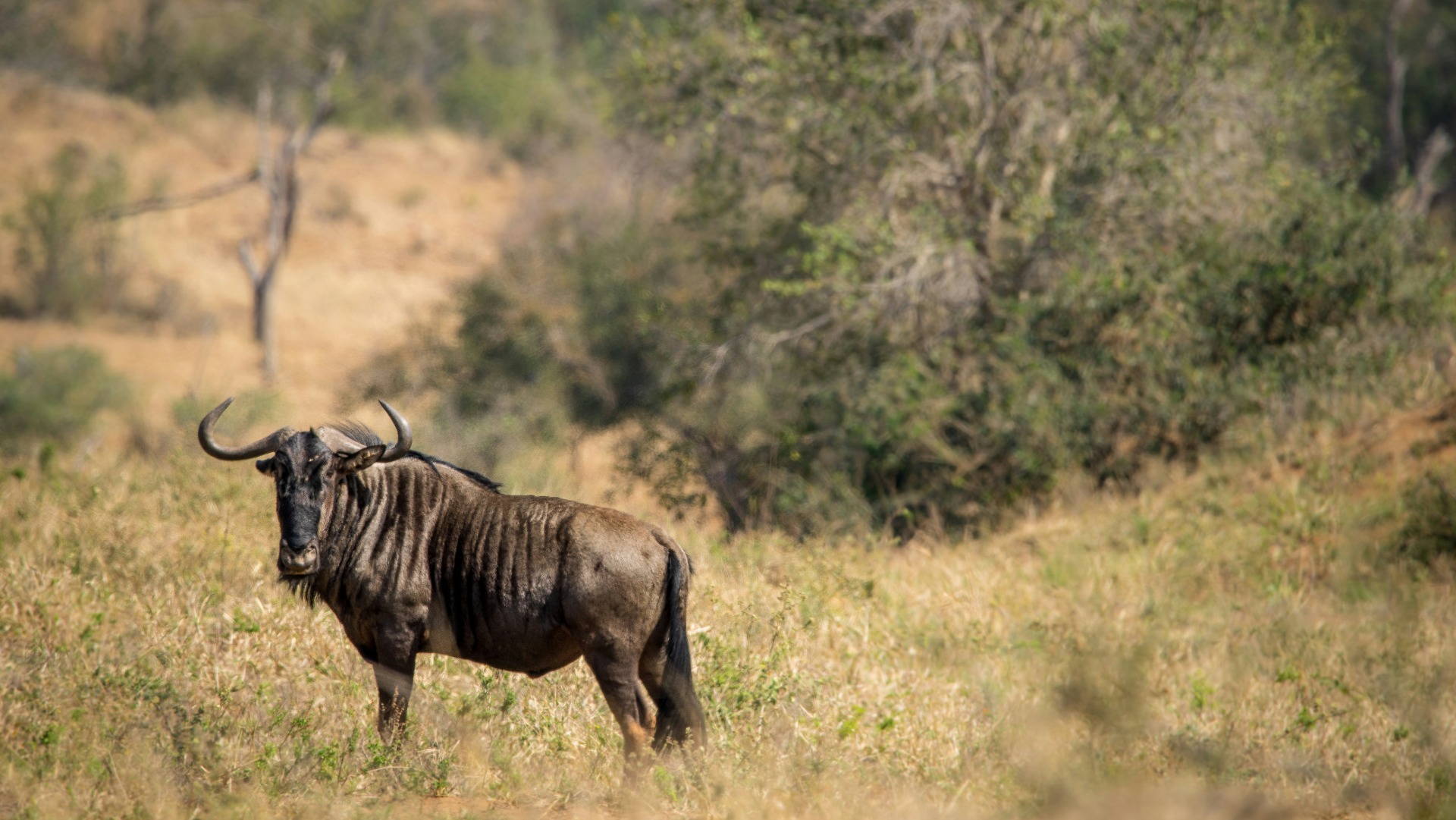
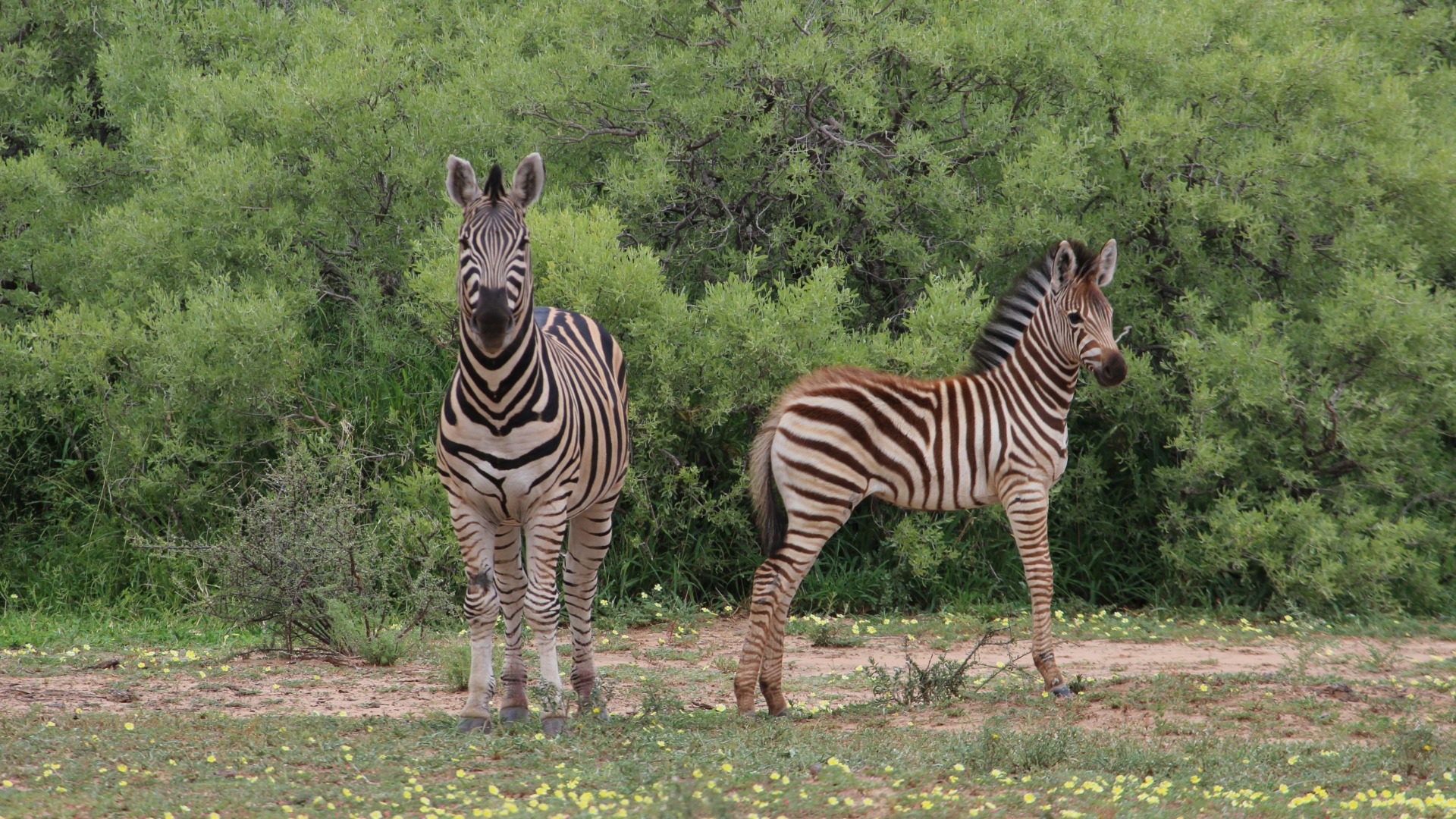
The Serengeti National Park, established in 1951, encompasses over 14,763 square kilometres of diverse habitats, from vast grasslands to acacia woodlands and riverine forests. It is globally renowned for hosting the largest terrestrial mammal migration on Earth, involving millions of wildebeest, zebras, and gazelles. This incredible natural spectacle, however, relies on a delicate ecological balance that is constantly under threat from various pressures.
The sheer scale and biodiversity of the Serengeti make its conservation a monumental task. It's not just about protecting individual species; it's about preserving an entire functioning ecosystem, including its intricate food webs, water sources, and migratory routes. The park's boundaries are porous, leading to interactions and conflicts with surrounding human populations, adding layers of complexity to conservation strategies.
The Serengeti is more than just a park; it's a living, breathing testament to nature's grandeur, demanding our collective commitment to its preservation.
Key Conservation Challenges
Conservation in the Serengeti faces a range of significant challenges that require continuous vigilance and innovative solutions. These issues are often interconnected, making a holistic approach essential for long-term success.
Poaching: Despite rigorous anti-poaching efforts, the illegal hunting of wildlife, particularly for bushmeat and ivory, remains a serious threat. This impacts not only iconic species like elephants and rhinos but also smaller game crucial to the ecosystem's balance.
Human-Wildlife Conflict: As human populations grow around the park's borders, competition for resources like land and water increases. This leads to conflicts when wildlife ventures outside protected areas, often resulting in retaliatory killings or crop damage.
Habitat Loss and Degradation: Agricultural expansion, deforestation, and unsustainable land use practices in areas adjacent to the park can fragment habitats and disrupt vital migratory corridors, particularly for the Great Migration.
Climate Change: Shifting weather patterns, including more frequent droughts and unpredictable rainfall, impact water availability and vegetation, directly affecting wildlife populations and their movements within the ecosystem.
Invasive Species: The introduction of non-native plant species can alter natural habitats, outcompeting indigenous flora and impacting the food sources available for herbivores.
Anti-Poaching and Wildlife Protection Initiatives
At the forefront of Serengeti National Park conservation are the dedicated anti-poaching units and wildlife protection programmes. These initiatives are critical for safeguarding the park's animal populations from illegal activities.
Ranger Patrols and Technology
Tanzania National Parks Authority (TANAPA) rangers conduct extensive patrols, often on foot, covering vast areas of the park. These patrols are increasingly supported by modern technology:
GPS Tracking: Rangers use GPS devices for navigation and to record patrol routes and wildlife sightings, improving efficiency and data collection.
Drones: Unmanned aerial vehicles (drones) are employed for aerial surveillance, helping to detect poacher camps, monitor wildlife, and map terrain, especially in remote or difficult-to-access areas.
Thermal Imaging: Night vision and thermal imaging equipment assist rangers in detecting poachers during nocturnal operations, a time when illegal activities are often attempted.
Community Involvement in Anti-Poaching
Recognising that sustainable conservation requires local support, many anti-poaching strategies now actively involve communities bordering the Serengeti. This includes:
Informant Networks: Local community members are often the first to notice suspicious activities. Establishing trusted informant networks provides vital intelligence that can lead to the apprehension of poachers.
Education and Awareness: Programmes educate communities about the value of wildlife and the long-term benefits of conservation, fostering a sense of ownership and responsibility.
Alternative Livelihoods: Supporting alternative income-generating activities reduces reliance on poaching or unsustainable resource extraction.
Community Engagement and Sustainable Development
Effective conservation extends beyond park boundaries, integrating the needs and aspirations of local communities. The long-term success of Serengeti conservation hinges on the active participation and benefit of the people living alongside the park.
Benefits Sharing and Local Initiatives
Several programmes ensure that communities benefit directly from the presence of the Serengeti National Park:
Revenue Sharing: A portion of park entrance fees and tourism revenue is often channelled back into local community projects, such as building schools, clinics, or water infrastructure.
Employment Opportunities: Lodges, camps, and safari operators within and around the Serengeti provide employment for local people, offering jobs as guides, cooks, housekeepers, and administrative staff.
Conservation Education: Educational programmes in schools and villages raise awareness about environmental stewardship and the importance of protecting wildlife for future generations.
Mitigating Human-Wildlife Conflict
Addressing human-wildlife conflict is crucial for fostering positive relationships between communities and conservation efforts. Strategies include:
Chilli Fences: In some areas, fences laced with chilli pepper are used to deter elephants from raiding crops, as elephants dislike the smell and taste of chilli.
Beehive Fences: Similar to chilli fences, beehive fences create a barrier that elephants avoid, as they are sensitive to bee stings. This also provides communities with honey as an additional income source.
Predator-Proof Bomas: Building reinforced enclosures (bomas) for livestock helps protect them from predators like lions and hyenas, reducing the incentive for retaliatory killings.
The Role of Responsible Tourism and Safaris
Tourism is a double-edged sword: while it provides significant revenue for conservation, it must be managed responsibly to avoid negative impacts. Encounters Africa champions sustainable tourism practices that directly contribute to Serengeti National Park conservation.
Choosing Eco-Friendly Accommodation
When planning a Serengeti safari, selecting lodges and camps with strong environmental and community commitments is vital. Many accommodations in the Serengeti operate with a focus on sustainability:
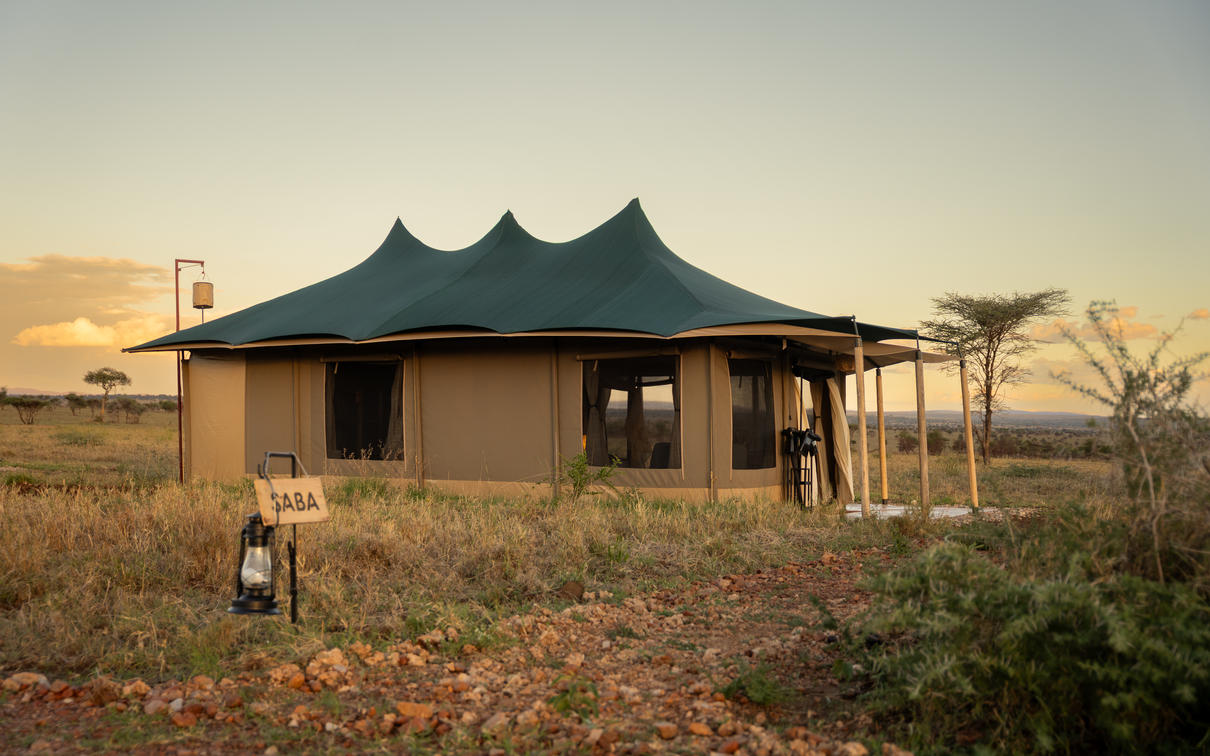
Low Environmental Footprint: Many camps are designed to be semi-permanent or mobile, leaving minimal impact on the land. They often use solar power, manage waste effectively, and conserve water.
Local Employment: Responsible lodges prioritise hiring and training staff from local communities, providing economic opportunities and fostering a sense of pride in their natural heritage.
Support for Conservation Projects: A number of establishments directly fund or partner with local conservation initiatives, such as anti-poaching units, wildlife monitoring, or community development projects. For example, Elewana Sand River Masai Mara, though across the border, exemplifies the kind of commitment to sustainable practices and community engagement that benefits the wider Serengeti ecosystem.
Ethical Safari Practices
Travellers can contribute to conservation by adhering to ethical safari guidelines:
Staying on Designated Tracks: This minimises disturbance to wildlife and prevents habitat degradation.
Maintaining a Respectful Distance: Never approach animals too closely, especially mothers with young, to avoid stressing them or altering their natural behaviour.
No Littering: All waste should be properly disposed of and ideally carried out of the park.
Supporting Local Guides: Engaging local guides and porters ensures that tourism benefits the communities directly.
Respecting Park Rules: Adhering to speed limits, quiet hours, and other regulations helps preserve the wilderness experience for everyone.
Future of Serengeti Conservation
The future of Serengeti National Park conservation requires continuous adaptation, innovation, and unwavering commitment. The challenges are complex, but the dedication of conservationists, local communities, and responsible tourism operators offers hope.
Ongoing Research and Monitoring
Scientific research plays a crucial role in informing conservation strategies. Long-term studies on wildlife populations, migratory patterns, and ecosystem health provide essential data for effective management. Monitoring programmes track key species, identify threats, and assess the impact of conservation interventions.
Expanding Protected Areas and Corridors
Efforts are underway to expand and connect protected areas, creating vital wildlife corridors that allow animals to move freely between habitats. This is particularly important for the Great Migration, ensuring animals can access seasonal grazing and water sources without encountering human-made barriers.
Conclusion: A Shared Responsibility for the Serengeti
The Serengeti National Park is a global icon, a place of unparalleled natural beauty and ecological significance. Its continued existence as a thriving wilderness depends on a robust and dynamic approach to conservation, one that addresses immediate threats while fostering long-term sustainability.
From the tireless efforts of anti-poaching rangers to the invaluable contributions of local communities and the responsible choices of travellers, every element plays a critical role. When you embark on a safari with Encounters Africa, you are not just witnessing nature's grandeur; you are indirectly supporting the vital conservation work that makes such experiences possible. We invite you to be part of this enduring legacy. For discerning travellers seeking a private safari beyond our set itineraries, we invite you to contact us directly. We specialise in designing exceptional, tailor-made journeys for individuals, couples, families, and private groups of up to eight guests. Drawing on our handpicked network of distinguished camps and lodges, we curate every detail with precision and care, creating a seamless, deeply personal safari experience shaped entirely around your preferences, pace, and budget.
Every safari journey into the Serengeti is an investment in its future, a testament to the power of responsible travel to protect our planet's wild heart.
More like this

conservation
Guardians of the Wild: Timbavati Private Nature Reserve Conservation
conservation
Heros of the Zambezi: Conservation Efforts in Victoria Falls, Zambia
conservation
How African Cities Are Building Wildlife Corridors Through Concrete Landscapes
conservation
How African Rangers Deploy Drones and AI to Outmaneuver Poachers
conservation
How Africa's New Wildlife Corridors Are Restoring Elephant Migration Routes
Conservation