News
How Tanzania's Rangers Are Adapting to New Threats Facing Elephants and Lions
Encounters Africa - 9 min read
Updated on 22 June 2026
Tanzania wildlife news continues to evolve as rangers confront shifting pressures on the country's iconic elephants and lions. In vast landscapes like the Selous Game Reserve and Ruaha National Park, field teams are deploying innovative tools and adaptive strategies to safeguard these species amid drier seasons, expanding human settlements, and sophisticated poaching networks. This latest chapter in news on Tanzanian wildlife reveals a story of resilience, where technology meets traditional knowledge to protect both predators and the prey they depend upon.
Recent initiatives show that real-time tracking collars are now being tested on lions in key southern strongholds, helping teams respond swiftly to emerging threats. At the same time, habitat restoration projects aim to secure long-term corridors for elephants moving between protected zones. These developments offer a nuanced picture of conservation progress in one of Africa's most important wildlife regions, where every decision carries weight for generations to come.
The rhythm of the African bush is changing, yet Tanzania's dedicated rangers remain one step ahead, blending ancient tracking skills with cutting-edge technology to ensure that elephants and lions continue to roam freely.
The Current Landscape of Threats to Tanzania's Megafauna
Elephants and lions face a complex web of challenges across Tanzania's southern ecosystems. Prolonged dry spells, now occurring with greater frequency, force animals into closer contact with farming communities as they search for water and grazing. This increased overlap has led to more instances of crop raiding and livestock predation, straining the delicate balance between human needs and wildlife survival.
Poaching remains a persistent danger, though its methods have grown more sophisticated. Organised gangs equipped with night-vision gear and silenced weapons target elephants for ivory, while retaliatory killings of lions follow livestock losses. According to Tanzania Wildlife Research Institute data from 2023, elephant populations in the Selous-Mikumi corridor have stabilised at around 15,000 individuals, yet calf mortality rates spike during extended droughts when mothers struggle to produce milk.
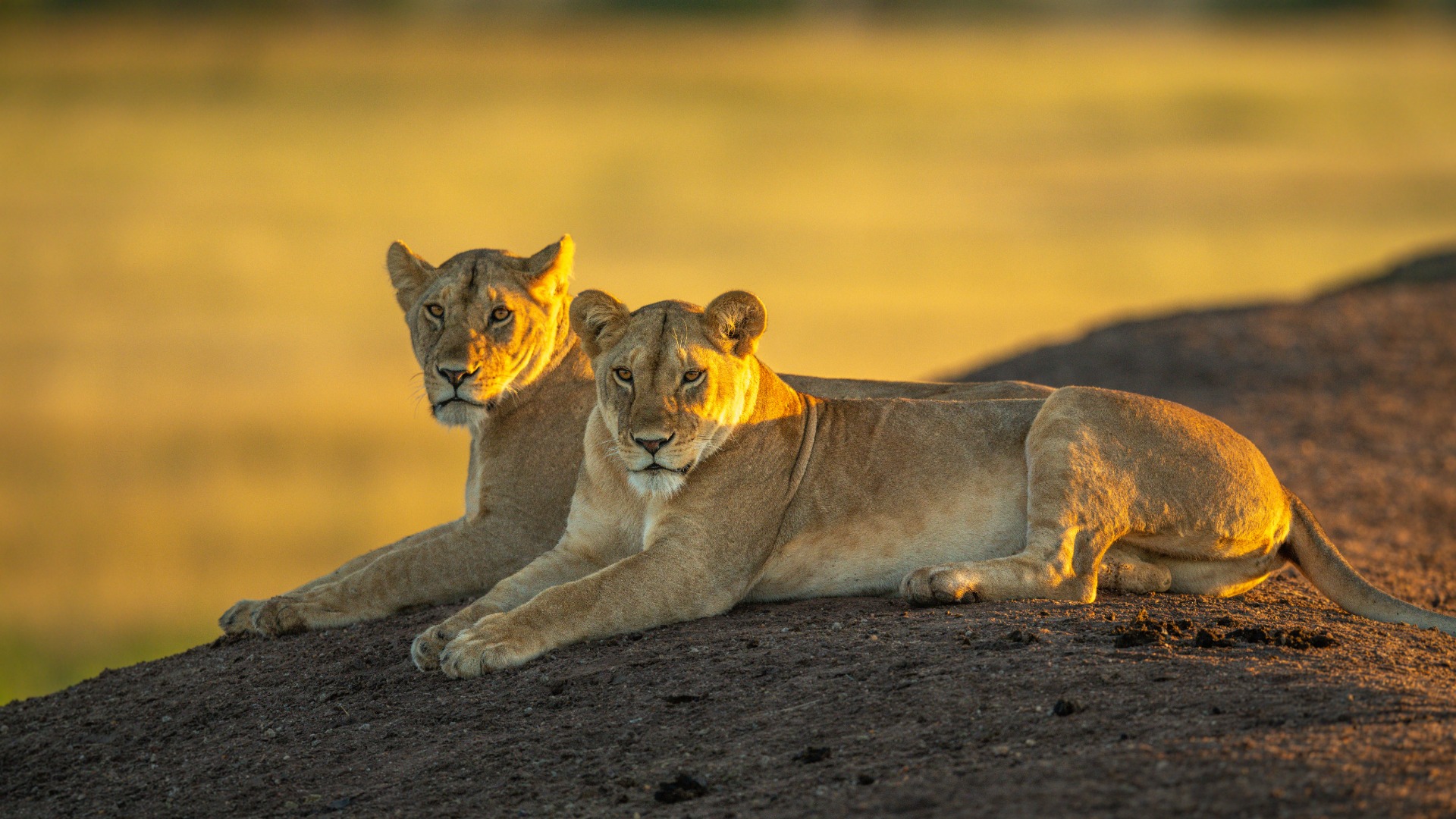
Lions, meanwhile, number approximately 3,000 in the country, with southern populations showing particular vulnerability. Reduced prey availability during the dry months from June to October pushes prides closer to village boundaries, creating conflict that can claim up to 15 percent of a local pride in a single year.
Climate Patterns Reshaping Movement Corridors
Scientists monitoring rainfall data since 2015 have recorded a 22 percent decrease in average precipitation across southern Tanzania. These drier conditions compress the wet season, concentrating animal movements into narrower windows and making them more predictable to poachers. Elephants, traditionally wide-ranging, now follow established routes with greater regularity, increasing their exposure to human activity.
In response, conservation teams have identified critical pinch points where wildlife corridors intersect with agricultural land. Mapping these areas has become essential for understanding how news on Tanzanian wildlife must adapt to changing environmental realities rather than static protection models.
When the rivers run low and the grasslands turn to dust, the true test of our conservation efforts begins. It is here, in the hardest seasons, that rangers prove their commitment to Tanzania's natural heritage.
How Rangers Are Adapting: Real-Time Tracking and Rapid Response
Field teams in Selous and Ruaha are pioneering the use of real-time tracking collars on lions as part of a collaborative programme launched in early 2024. These devices, lighter and more durable than previous models, transmit location data every 15 minutes via satellite, allowing rangers to monitor pride movements with unprecedented precision. When a collared lion approaches a community area, alerts trigger immediate deployment of response units trained in conflict mitigation.
The programme currently collars up to eight individuals per study area, focusing on dominant males and breeding females whose movements influence entire prides. Early results indicate a 40 percent reduction in livestock attacks in monitored zones, as teams can now intercept lions before conflict occurs. This approach represents a significant shift in news on Tanzanian wildlife, moving from reactive enforcement to predictive protection.
Community Integration in Monitoring Networks
Rangers no longer work in isolation. Village game scouts, many of them former pastoralists with intimate knowledge of the land, form vital links in the information chain. These local partners receive training in smartphone applications that allow them to report sightings, tracks, or suspicious activity directly to central coordination hubs. The system processed over 1,200 reports in the first six months of 2024, demonstrating the power of shared intelligence.
Monthly feedback sessions between rangers and community representatives help address grievances before they escalate. Compensation schemes for verified livestock losses have been streamlined, with payments now processed within 72 hours rather than weeks. This efficiency has improved trust and encouraged greater cooperation from residents living alongside protected areas.
Elephant Protection Strategies in Southern Tanzania
Elephant conservation efforts focus on securing water sources and reinforcing anti-poaching measures. Teams have rehabilitated 17 natural water pans in the Ruaha ecosystem since 2022, using solar-powered pumps to maintain levels during the dry season. These reliable sources reduce the distance elephants must travel into community lands, lowering conflict potential while supporting wider biodiversity.
Patrol strategies have evolved to incorporate drone surveillance over high-risk border zones. Thermal imaging cameras mounted on lightweight aircraft can cover 200 square kilometres in a single flight, detecting both wildlife movements and unauthorised human presence. When combined with ground teams, this aerial support has led to a documented 35 percent decrease in poaching incidents between 2022 and 2024.
Transboundary cooperation with neighbouring Mozambique has strengthened as well. Joint operations along the shared border now occur bi-monthly, sharing intelligence on smuggling routes and coordinating rapid response to cross-border incursions. These partnerships acknowledge that elephants recognise no political boundaries, and neither should their protection.
Technology alone cannot save Tanzania's elephants. It is the dedication of men and women walking these vast landscapes, often under harsh conditions, that truly makes the difference between survival and loss.
Balancing Short-Term Tactics with Long-Term Habitat Protection
While immediate response capabilities have improved dramatically, conservation leaders emphasise that sustainable outcomes depend on habitat integrity. The Tanzania National Parks Authority has designated an additional 180,000 hectares as buffer zones around Ruaha and Selous since 2021. These areas permit limited sustainable resource use while restricting activities that fragment ecosystems.
Reforestation projects target degraded sections of wildlife corridors, planting over 45,000 indigenous trees in 2023 alone. As these saplings mature, they will restore connectivity between core protected areas, allowing elephants to access traditional feeding grounds without venturing into high-conflict agricultural zones.
The Role of Scientific Research in Adaptive Management
Long-term studies provide the foundation for evidence-based decision making. Researchers from the Tanzania Wildlife Research Institute collaborate with international partners to analyse collar data, faecal samples, and camera-trap images. This information reveals how lions adjust their hunting patterns during drought years and how elephant family groups share knowledge about safe migration routes.
Findings from these studies directly inform management protocols. For instance, when data showed lions avoiding areas with high densities of domestic dogs, rangers began promoting alternative livestock protection methods among pastoral communities. Such targeted interventions demonstrate how scientific insights translate into practical conservation gains.
What These Developments Mean for Future Tanzania Wildlife News
The adaptive approaches being pioneered in southern Tanzania offer valuable lessons for conservation across the continent. By combining technological innovation with community engagement and scientific monitoring, rangers are creating more resilient protection systems capable of responding to both immediate threats and gradual environmental shifts.
Looking ahead, plans include expanding the collaring programme to include elephants in high-conflict zones and integrating artificial intelligence to predict potential conflict hotspots based on weather patterns and historical data. These advancements suggest that news on Tanzanian wildlife will increasingly focus on proactive rather than reactive measures.
Yet success ultimately depends on sustained funding and political will. International donors have committed $8.2 million to the southern Tanzania conservation portfolio through 2027, supporting equipment, training, and community development projects. Maintaining this momentum will require continued demonstration of measurable results.
Common Questions About Tanzania's Wildlife Conservation Efforts
How many elephants remain in Tanzania? Current estimates place the national population at approximately 70,000, with the largest concentrations in the southern ecosystems. While numbers have stabilised in recent years, maintaining genetic diversity across fragmented habitats remains a priority.
What technologies are rangers using to protect lions? Real-time GPS collars, drone surveillance, mobile reporting applications, and thermal imaging equipment form the core toolkit. These technologies enable faster response times and more strategic deployment of limited patrol resources.
How can travellers support these conservation initiatives? Choosing responsible operators who contribute to local conservation funds, participating in citizen science projects, and spreading awareness of these challenges all play important roles. Even small actions can help maintain momentum for protection efforts.
Looking Ahead: A Shared Future for People and Wildlife
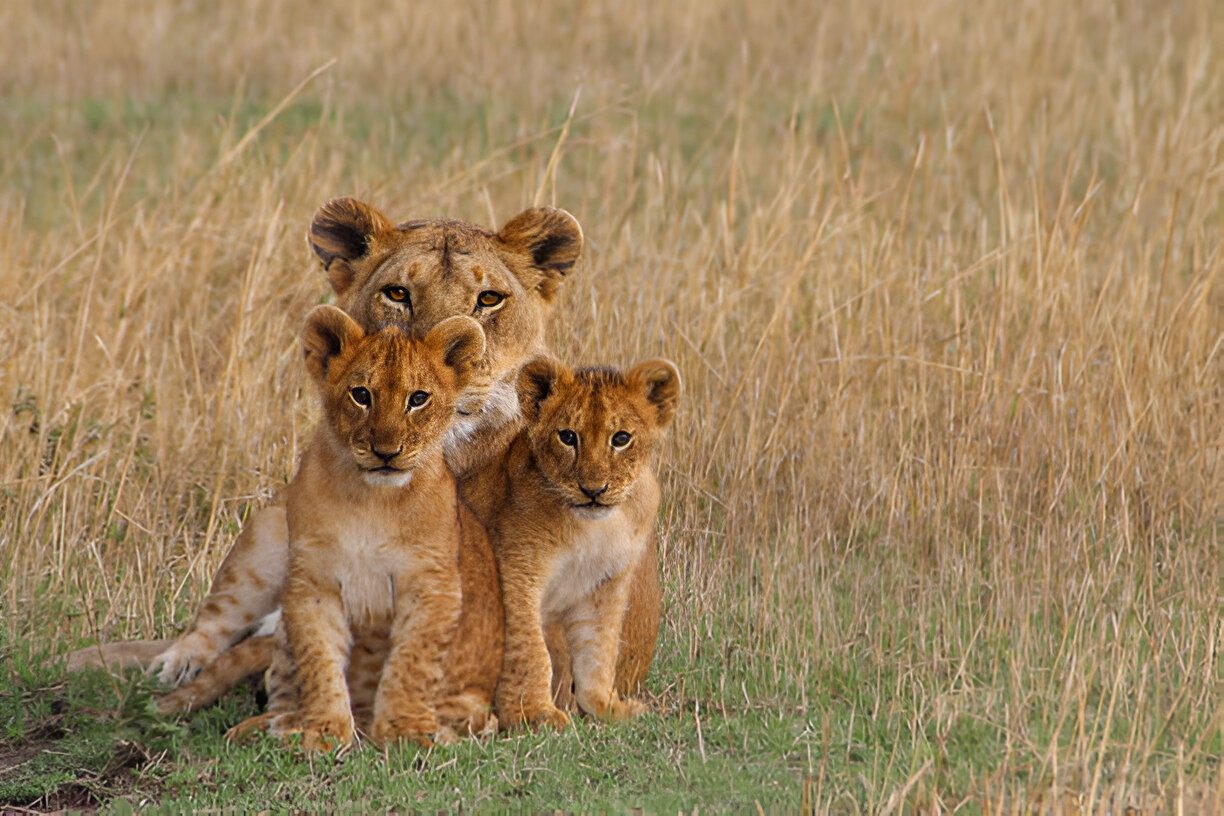
The evolving story of Tanzania's elephants and lions reflects broader truths about conservation in the 21st century. Success requires flexibility, innovation, and genuine partnership between authorities, scientists, and local communities. As these dedicated rangers adapt their methods to meet new challenges, they remind us that protecting Africa's wildlife heritage demands both urgent action and patient, long-term commitment.
For those planning a safari to witness these magnificent animals in their natural environment, understanding the conservation context adds profound meaning to the experience. The sight of a lion pride at dusk or an elephant family crossing an open plain carries additional resonance when one appreciates the efforts ensuring such moments endure.
Encounters Africa maintains close connections with conservation initiatives across Tanzania, including projects supporting both wildlife and the communities that share their landscapes. Our expert team can arrange visits to areas where these protection efforts are making tangible differences, offering travellers the chance to engage directly with the realities shaping news on Tanzanian wildlife.
Whether you seek to explore the vast Selous Game Reserve, witness the dramatic landscapes of Ruaha, or experience the world-renowned Serengeti Migration Camp, we craft journeys that honour both the beauty of the wilderness and the dedication of those who protect it. For discerning travellers seeking a private safari beyond our set itineraries, we invite you to contact us directly. We specialise in designing exceptional, tailor-made journeys for individuals, couples, families, and private groups of up to eight guests. Drawing on our handpicked network of distinguished camps and lodges, we curate every detail with precision and care, creating a seamless, deeply personal safari experience shaped entirely around your preferences, pace, and budget.
Discover more about conservation challenges and successes in our related article on Kenya's community-led wildlife initiatives or explore how Zambia balances tourism with protection in its important wildlife areas. Your journey can become part of the solution, supporting the vital work that keeps Tanzania's wild spaces alive with possibility.
More like this
News
How Wildlife on South African Safaris Adjusts to Human Presence During Game Drives
News
How Zimbabwean Wildlife Species Adjust Migration Routes Amid Climate Shifts
News
Inside One Season at Sabi Sand: How Community Funds Are Reshaping Conservation
News
Inside the Community Patrols Reshaping Kenya's Wildlife Future
News
Inside the Struggle to Protect South African Animals from Climate Shifts
News