Conservation
How Community Voices Are Rewriting Kenya's Conservation Story
Encounters Africa - 7 min read
Updated on 16 June 2026
Conservation in Kenya has undergone a profound transformation in recent decades. Where once fences and exclusion zones defined protected areas, a new model is taking root, one that weaves together the wisdom of local communities with scientific insight and responsible tourism. Kenyan wildlife conservation now stands as a testament to what happens when voices from the rangelands are given equal weight at the decision-making table, delivering measurable gains for both people and wildlife.
The numbers tell a compelling story: community conservancies across Kenya have helped increase elephant populations by approximately 25 percent in key regions between 2014 and 2023, according to Kenya Wildlife Service reports. This shift from top-down protection to collaborative stewardship offers a blueprint that resonates far beyond East Africa's borders. For travellers seeking to understand the deeper rhythms of the African landscape, these evolving stories provide context that enriches every game drive and cultural encounter.
The Evolution of Kenyan Wildlife Conservation
Kenya's approach to protecting its natural heritage has not always been inclusive. Colonial-era parks often displaced communities and restricted traditional grazing routes, creating tensions that sometimes undermined conservation goals. Today, that narrative is being rewritten through partnerships that recognise the Maasai, Samburu, and other pastoralist groups as essential guardians of the land.
These changes reflect a growing understanding that sustainable outcomes depend on aligning ecological needs with human realities. When communities benefit directly from conservation, they become invested in its success. This principle now guides initiatives from the Laikipia plateau to the fringes of Tsavo East National Park.

Community voices are not simply being heard in Kenyan wildlife conservation; they are reshaping the very definition of what protection means in the 21st century.
How Community Conservancies Are Changing the Landscape
Across Kenya, more than 170 conservancies now cover roughly 6.5 million hectares of land, creating vital buffer zones and migration corridors between national parks. These community-owned areas demonstrate that conservation in Kenya can thrive when local landowners set the terms of engagement rather than having them imposed from afar.
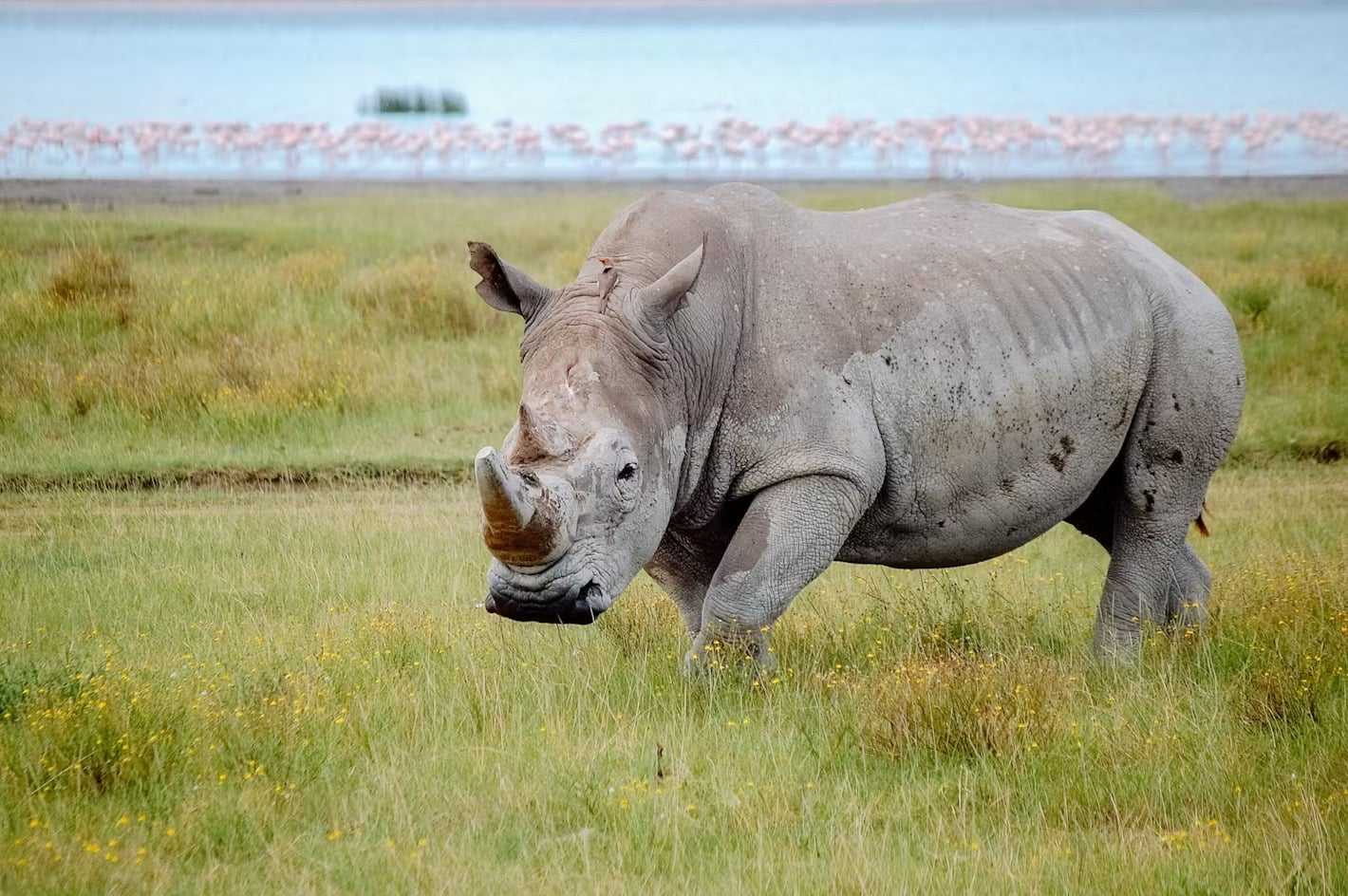
In the Ol Pejeta Conservancy, for instance, partnerships with neighbouring communities have helped secure safe passage for rhinos and elephants while supporting education and healthcare programmes. Similar models in the Mara North Conservancy show how tourism revenue can be channelled to improve livestock health and provide employment, reducing the incentive for poaching or retaliatory killings of predators.
The success of these models lies in their flexibility. Elders advise on seasonal grazing rotations that mirror natural wildlife movements, while scientists contribute data on carrying capacity and habitat health. The result is a living landscape where cattle, wildlife, and people coexist with greater harmony than many would have thought possible a generation ago.
Measurable Results from Collaborative Models
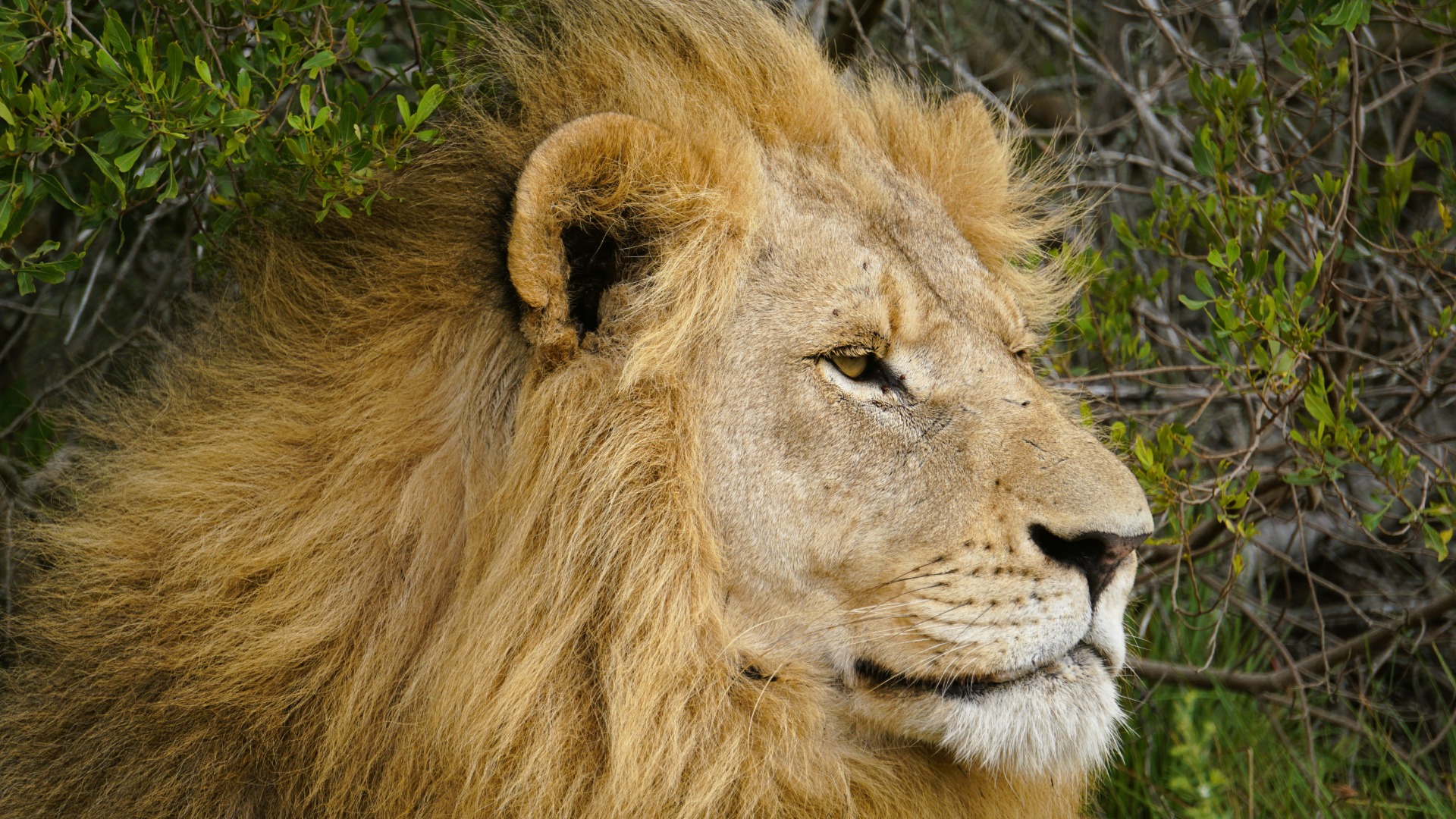
Data from the Northern Rangelands Trust reveals that predator numbers have increased by up to 40 percent in some community conservancies since 2010. Lion prides that once faced regular conflict with herders now benefit from compensation schemes funded through lodge revenues, allowing populations to stabilise.
These figures matter because they demonstrate that Kenyan wildlife conservation can deliver both biodiversity gains and improved livelihoods. When conservancy members receive direct payments for wildlife sightings on their land, the economic equation shifts dramatically in favour of protection.
The Role of Indigenous Knowledge in Modern Conservation
Maasai elders possess generational knowledge about rainfall patterns, medicinal plants, and animal behaviour that complements rather than competes with Western science. Recognising this has been one of the more significant advances in conservation in Kenya over the past fifteen years.
In the Lewa Conservancy, traditional tracking skills are now formally integrated into monitoring programmes, with young warriors trained as citizen scientists. Their ability to read subtle signs in the dust often reveals animal movements days before camera traps register them. This fusion of knowledge systems creates more responsive and effective conservation strategies.
The most powerful tool in Kenyan wildlife conservation may not be a drone or a GPS collar, but the inherited understanding of those who have walked these lands for centuries.
Women as Agents of Change
Women's groups have emerged as particularly effective advocates for conservation across Kenya. In Samburu communities, women's cooperatives manage conservation enterprises ranging from beadwork sales to eco-tourism ventures, using the income to fund girls' education and challenge practices that previously limited female participation in decision-making.
These initiatives have reduced female genital mutilation rates in some conservancy areas by more than 50 percent while simultaneously strengthening environmental stewardship. When women lead, entire communities tend to embrace more sustainable practices.
Balancing Tourism with Conservation Goals
Responsible tourism plays a crucial role in funding Kenyan wildlife conservation, but only when structured thoughtfully. Low-impact lodges that employ local staff and channel a percentage of revenue directly to community projects create genuine incentives for protection. The key lies in maintaining the delicate balance between visitor access and habitat integrity.
Properties like those in the Mara Naboisho Conservancy demonstrate how limiting vehicle numbers and training guides from the local community can enhance the traveller experience while minimising environmental impact. Visitors leave not only with memories of extraordinary wildlife sightings but with an understanding of the human stories that make those sightings possible.
Our work at Encounters Africa focuses on connecting travellers with these authentic experiences. Through carefully selected partnerships, we ensure that every journey contributes meaningfully to the landscapes and communities our guests come to cherish. For those seeking a private safari beyond our set itineraries, we would be delighted to hear from you directly. We specialise in creating beautifully tailored journeys for solo travellers, couples, families, and private groups of up to eight guests. Through our trusted network of carefully selected camps and lodges, we craft each safari around your individual interests, preferred pace, and budget, ensuring a seamless and deeply personal experience from beginning to end.
What This Means for Future Conservation in Kenya
The trajectory of Kenyan wildlife conservation suggests a future where community-led models become the norm rather than the exception. Climate change adds urgency to these efforts, as shifting rainfall patterns require adaptive management that draws on both traditional knowledge and cutting-edge research.
Successful initiatives are already addressing these challenges through landscape-level planning that spans conservancies, national parks, and private lands. The Kenya Wildlife Conservancies Association coordinates these efforts, ensuring that lessons learned in one region inform approaches elsewhere.
Common Questions About Community Conservation in Kenya
How do conservancies actually benefit local people? Beyond direct revenue sharing, they provide employment, improve infrastructure, and create markets for traditional products. Many conservancies allocate 30-50 percent of tourism income to community development projects including schools, clinics, and water systems.
Do wildlife numbers really increase under community management? Evidence suggests they do in well-governed areas. The aforementioned 25 percent rise in elephant numbers across conservancy-linked landscapes between 2014 and 2023 provides compelling evidence, alongside similar increases in zebra, giraffe, and select predator populations.
Can these models work outside Kenya? Elements of the Kenyan approach are already being adapted in neighbouring countries. The emphasis on genuine community ownership rather than token consultation appears particularly transferable across different cultural contexts.
Kenyan wildlife conservation is demonstrating that when communities lead, wildlife thrives and the benefits extend far beyond the boundaries of any single protected area.
Looking Forward With Hope and Realism
The transformation of conservation in Kenya represents more than policy changes or new organisational structures. It signals a fundamental shift in how we understand our relationship with the natural world, one that acknowledges the inextricable links between cultural survival and ecological health.
As travellers, we have the privilege of witnessing these changes firsthand. Each journey becomes an opportunity to support models that honour both the land and its people. The stories emerging from Kenya's rangelands remind us that effective conservation requires not just funding and science, but respect, listening, and genuine partnership.
Encounters Africa remains committed to facilitating these meaningful connections between travellers and the communities shaping Africa's conservation future. Whether you seek to understand predator dynamics on the savannah or simply wish to experience the profound silence of a starlit conservancy night, we can design an experience that aligns with your values and curiosities.
We invite you to contact us to explore how a thoughtfully crafted journey through Kenya can support the remarkable work being done to secure a shared future for its wildlife and people. Your visit becomes part of the story, helping to ensure that Kenya's conservation success continues to inspire similar transformations across the continent.
More like this
conservation
How Conservation Fees on African Safaris Support Communities and Wildlife Protection
conservation
How Forest Corridors Are Reconnecting West Africa's Fragmented Habitats for Chimpanzees
Conservation
How Kenyan Ranchers and Conservationists Share Land to Protect Lions
Conservation
How Kenya's Rangers Track Poaching Networks Across Tsavo's Vast Landscapes
Conservation
How Kenya's Wildlife Tours Translate Visitor Fees into Direct Conservation Gains
Conservation