Conservation
How Kenya's Wildlife Tours Translate Visitor Fees into Direct Conservation Gains
Encounters Africa - 9 min read
Updated on 3 August 2026
Responsible wildlife tours in Kenya channel visitor fees into measurable conservation outcomes, supporting everything from anti-poaching units to community-led initiatives that protect elephants, rhinos, and lions while strengthening local economies. In 2023 alone, Kenya Wildlife Service recorded that tourism revenue contributed over KSh 1.2 billion directly to protected area management, helping maintain habitats across 24 national parks and reserves that span more than 8 percent of the country's land area.
From the sweeping plains of the Masai Mara to the rugged landscapes of Tsavo East National Park, these financial streams create a virtuous cycle. Lodges and operators partner with conservation bodies to ensure that every game drive, walking safari, and night drive translates into tangible gains for the species travellers come to see. This model not only safeguards Kenya's iconic wildlife but also fosters coexistence between communities and the animals sharing their land.
The quiet power of a well-managed safari lies in its ability to turn fleeting moments of wonder into lasting protection for the landscapes that make them possible.
The Financial Mechanics: How Visitor Fees Support Conservation
Every park entry fee, concession payment, and lodge bed-night levy in Kenya is carefully allocated. Of the daily park fees, which range from $60 to $100 per person depending on the season and location, approximately 60 percent returns directly to conservation activities. This includes habitat restoration, veterinary care for injured animals, and the deployment of ranger teams equipped with vehicles, communication systems, and tracking technology.
Private conservancies operate on a different but complementary model. Landowners and communities lease their property to tourism operators, receiving monthly payments that often exceed what livestock farming would yield. In the Mara North Conservancy, for instance, these leases have generated more than $4 million annually for local households since the programme's expansion in 2010. The funds support education, healthcare, and livestock improvement projects that reduce pressure on wildlife corridors.
International donors frequently match or amplify these domestic revenues. When visitors stay at lodges that participate in certified programmes, their spending helps leverage additional grants for specific projects such as collaring programmes for elephants or breeding initiatives for critically endangered black rhinos.
Breaking Down the Revenue Flow
Park entry fees typically break down as follows: 25 percent funds community development projects around protected areas, 35 percent covers operational costs including anti-poaching, and the remainder supports research and monitoring. This transparent allocation ensures that travellers can see the direct connection between their visit and measurable conservation outcomes.

Each dollar spent on a responsible safari in Kenya becomes part of a larger ecosystem of protection that reaches far beyond the immediate sighting of a lion pride or elephant herd.
Anti-Poaching and Security: The Frontline Impact
Kenya has made remarkable strides in reducing poaching through tourism-funded initiatives. Between 2013 and 2022, elephant poaching incidents dropped by more than 80 percent, largely due to enhanced ranger patrols supported by visitor revenue. In Tsavo West National Park, where poaching once claimed dozens of elephants monthly, increased funding has enabled the deployment of over 300 rangers equipped with real-time monitoring systems.
These patrols do not operate in isolation. Many lodges contribute additional resources, providing fuel for vehicles, training for scouts, and even aerial surveillance through partnerships with organisations like the Tsavo Trust. The result is a layered security network that combines ground patrols, intelligence gathering from local communities, and rapid response teams capable of covering vast territories.
For rhinos, the impact has been equally significant. The black rhino population in Kenya has grown from approximately 350 individuals in the early 1990s to more than 700 today, thanks in part to intensive protection funded through tourism. Sanctuaries within national parks receive dedicated funding for 24-hour monitoring, dehorning operations where necessary, and veterinary interventions that have improved calf survival rates to over 85 percent.
How Lodges Contribute Beyond Park Fees
Properties such as Elewana Elephant Pepper Camp in Laikipia demonstrate how private operators can amplify conservation efforts. Their support for the Lewa Wildlife Conservancy includes funding for community scouts who monitor both livestock and wildlife movements, creating early warning systems that prevent conflict before it escalates.
Community Conservancies: Where Conservation Meets Local Development
One of Kenya's most successful conservation innovations lies in its network of community conservancies. These locally governed areas cover more than 6.5 million acres and are sustained primarily through tourism revenue. The model ensures that wildlife pays for its own protection while providing tangible benefits to the people who live alongside it.
In the Ol Pejeta Conservancy, tourism income has funded the construction of schools, clinics, and water points for surrounding communities. This investment has dramatically reduced poaching as former hunters become employed as rangers and guides, earning sustainable incomes while protecting the very animals they once pursued.
The conservancy model has also created thousands of jobs. Across Kenya's community lands, more than 15,000 people are employed directly in tourism-related roles, from guiding to lodge operations and craft production. These positions often pay three to five times more than traditional agricultural work, creating strong economic incentives for conservation.
Reducing Human-Wildlife Conflict
When communities benefit from wildlife, tolerance levels rise. Tourism-funded programmes provide compensation for livestock losses, install predator-proof enclosures, and support alternative livelihoods such as beekeeping and cultural tourism. In the Amboseli ecosystem, such initiatives have reduced retaliatory killings of lions by more than 90 percent over the past decade.
Conservation in Kenya succeeds when local communities see wildlife not as competition but as partners in their prosperity.
Research, Monitoring, and Species Recovery Programmes
Beyond immediate protection, tourism revenue supports long-term scientific work essential for species recovery. The Kenya Wildlife Service and partner organisations use visitor fees to fund collaring programmes that track elephant movements across borders, genetic studies that guide breeding programmes, and population surveys that inform management decisions.
The black rhino monitoring programme stands as a particular success story. Through intensive surveillance funded by tourism, Kenya has achieved one of the highest growth rates for this critically endangered species anywhere in Africa. Similar efforts for Grevy's zebra and hirola antelope demonstrate how targeted funding can reverse decades of decline.
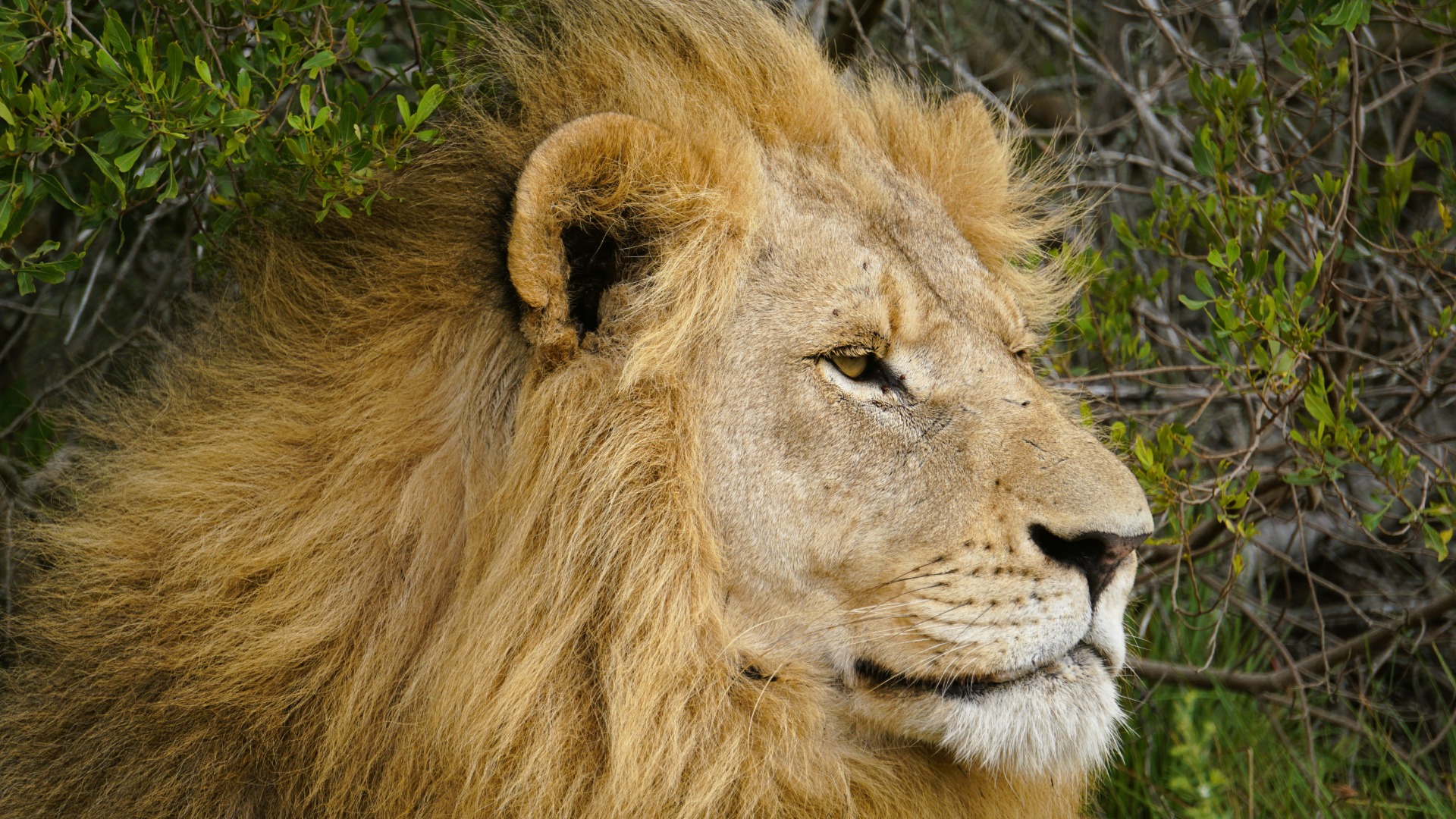
Lion conservation has also benefited substantially. The Lion Recovery Programme, supported by conservancy fees, has helped stabilise populations in key areas while implementing conflict mitigation measures that protect both big cats and pastoralist livelihoods.
What This Means for Different Species
Elephants benefit from expanded corridors that allow natural migration patterns to continue. Rhinos receive round-the-clock protection in sanctuaries where tourism viewing is carefully managed. Lions experience reduced conflict with humans through community education and compensation schemes. Each species presents different challenges, yet the underlying funding mechanism remains consistent: responsible tourism paying for its privilege to observe.

Common Questions About Conservation Contributions on Safari
How much of my safari cost actually reaches conservation projects? For a typical seven-night safari in Kenya, approximately 18-25 percent of the total expenditure contributes directly to conservation through park fees, conservancy leases, and lodge contributions. This translates to roughly $400-700 per person, depending on the itinerary and properties selected.
Does choosing a luxury lodge mean greater conservation impact? Not necessarily greater, but often more consistent. Many high-end properties have sophisticated monitoring systems and long-term partnerships with specific projects. The key is selecting operators with transparent reporting rather than assuming price alone indicates impact.
Can individual travellers make a meaningful difference? Absolutely. Beyond the financial contribution, travellers who follow ethical guidelines, support community projects, and choose responsible operators amplify the positive effects of their visit. The collective impact of thousands of conscientious visitors creates substantial change.
The Role of Responsible Operators in Amplifying Impact
Encounters Africa works exclusively with partners who demonstrate clear conservation credentials and community involvement. Our selection process prioritises properties that publish annual impact reports, engage meaningfully with local governance structures, and maintain transparent financial flows to conservation initiatives.
When planning a safari focused on conservation outcomes, several factors matter. The time of year influences both wildlife viewing and the economic benefit to communities, with shoulder seasons often providing stronger support to year-round operations. The choice of conservancy versus national park determines how directly funds reach local hands. Even the length of stay affects impact, with longer visits typically generating more substantial contributions.
Our team maintains close relationships with conservation managers across Kenya, allowing us to direct travellers toward projects where additional support would create the greatest difference. Whether supporting rhino monitoring in Lewa or elephant corridor protection in the Mara ecosystem, we ensure every journey aligns with genuine conservation priorities.
Planning Your Conservation-Focused Safari in Kenya
A thoughtful safari becomes more than an extraordinary wildlife encounter; it transforms into an active contribution to the landscapes and species that have captured your imagination. By choosing operators committed to transparency and impact, travellers participate in one of Africa's most successful models of conservation through tourism.
The numbers tell a compelling story. Kenya's wildlife populations have shown remarkable recovery in areas where tourism revenue flows consistently to protection and community development. Elephant numbers have increased by 15 percent since 2014, while the black rhino population continues its steady climb. These gains reflect decades of investment made possible by visitors who understand their role in the conservation equation.
For discerning travellers seeking a private safari beyond our set itineraries, we invite you to contact us directly. We specialise in designing exceptional, tailor-made journeys for individuals, couples, families, and private groups of up to eight guests. Drawing on our handpicked network of distinguished camps and lodges, we curate every detail with precision and care, creating a seamless, deeply personal safari experience shaped entirely around your preferences, pace, and budget.
Whether your interests lie in tracking endangered rhinos at first light, learning about community conservancies from those who manage them, or simply experiencing the profound connection between tourism and protection, we can craft an itinerary that delivers both memorable encounters and meaningful impact. Reach out through our enquiry form to begin planning a journey that supports the future of Kenya's wildlife while creating memories that will last a lifetime.
More like this
Conservation
How Local Farmers and Scientists Team Up to Restore the Karoo
Conservation
How Local Rangers and Communities Are Reshaping Zimbabwe’s Wildlife Future
Conservation
How Local Stewards and Scientists Are Reshaping Uganda's Wild Spaces
Conservation
How Marine Sanctuaries in the Western Indian Ocean Shield Fragile Reef Systems
Conservation
How Rangers Maintain Anti-Poaching Patrols Through Sahara Sandstorms

conservation