conservation
How Forest Corridors Are Reconnecting West Africa's Fragmented Habitats for Chimpanzees
Encounters Africa - 7 min read
Updated on 21 August 2026
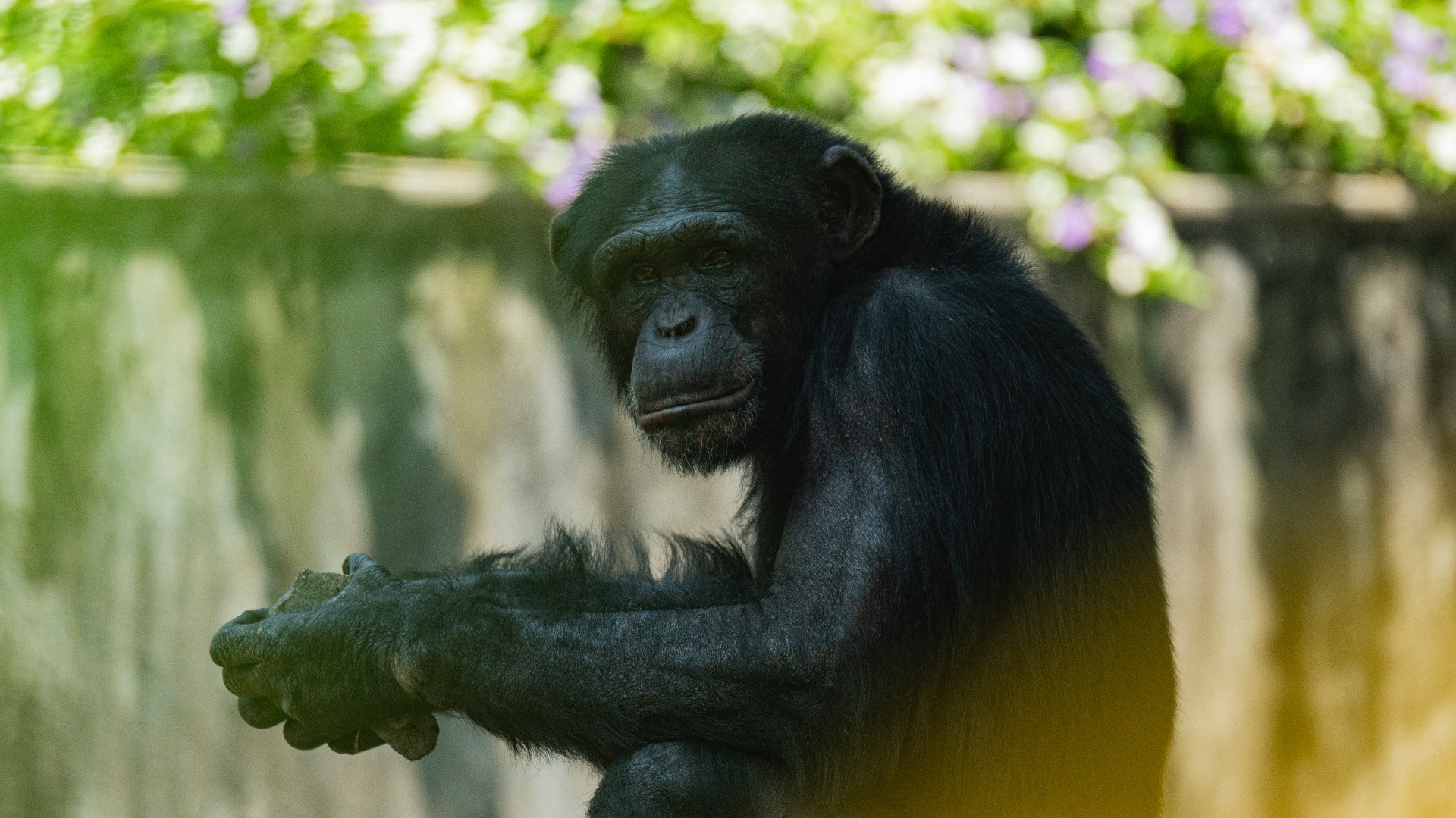
Forest corridors are reconnecting West Africa's fragmented habitats for chimpanzees, offering a lifeline to one of our closest living relatives. Across Guinea, Sierra Leone and Liberia, conservation teams are planting and protecting narrow bands of forest that let isolated chimpanzee communities meet, breed and share knowledge. This practical effort counters the damage from roads, farms and mining while giving scientists new insights into primate resilience.
Once stretching in near-continuous green from the Atlantic coast inland, the Upper Guinean forests have been reduced to scattered fragments. Today fewer than 35,000 chimpanzees remain in the wild across West Africa, with many populations cut off from one another. By creating and restoring these vital pathways, local communities and international partners are helping the species maintain genetic diversity and behavioural traditions that have persisted for millennia.

The Decline of West Africa's Rainforests
The Upper Guinean forest once covered more than 600,000 square kilometres. By the early 21st century, only about 15 percent of the original cover remained intact. Logging, slash-and-burn agriculture, road construction and expanding settlements have carved the landscape into isolated patches, some as small as a few hundred hectares.
Chimpanzees require large ranges, typically between 10 and 50 square kilometres depending on food availability. When these ranges become isolated, groups face inbreeding, reduced access to seasonal fruits, and heightened risk from disease transmission within small populations. The consequences extend beyond individual survival to the erosion of unique cultural behaviours such as nut-cracking techniques passed from mother to offspring.
These narrow ribbons of restored woodland are more than habitat links; they represent corridors of hope where knowledge, genes, and resilience can flow once again between isolated chimpanzee communities.
Human Pressures and Their Impact
Artisanal gold mining has surged in recent years, particularly in Sierra Leone and Liberia, clearing vegetation and polluting waterways that chimpanzees depend upon. In Guinea, bauxite extraction for aluminium production has accelerated since 2015, with concessions overlapping critical chimpanzee ranges. Roads built to service these operations further fragment the forest, increasing human-wildlife conflict and facilitating bushmeat hunting.
Smallholder farmers clearing land for cassava and rice often unknowingly remove the very trees that provide key chimpanzee foods. As populations grow, the pressure intensifies. Yet many communities maintain deep cultural respect for chimpanzees, viewing them as relatives or forest guardians, which creates an opening for collaborative conservation.
How Forest Corridors Support Chimpanzee Survival
Forest corridors are linear strips of restored or protected woodland, usually between 100 and 500 metres wide, designed to connect isolated forest fragments. For chimpanzees, these pathways allow safe movement between feeding areas, reduce competition within crowded patches, and enable gene flow through inter-community breeding.
Studies from the West African Chimpanzee Conservation Network show that even narrow corridors can be used within two to three years of planting if native tree species are chosen carefully. Young chimpanzees in particular appear curious about new routes, with adult males leading exploratory forays that gradually familiarise the entire community.
By allowing isolated groups to meet and exchange both genes and learned behaviours, these restored pathways strengthen the long-term viability of chimpanzee populations across fragmented landscapes.
The Science Behind Corridor Design
Effective corridors must provide food, cover from predators and humans, and water sources. Conservationists map fruiting trees, termite mounds and nesting sites before planting. In Liberia, teams have successfully used fast-growing native species such as Ceiba pentandra and Triplochiton scleroxylon to create canopy cover quickly while slower-growing hardwoods establish beneath.
Camera traps placed along new corridors have captured remarkable footage of chimpanzees using these routes within 18 months. Genetic sampling before and after corridor establishment shows increased gene flow between previously isolated groups, with new alleles appearing in offspring within four years.
Community-Led Restoration in Guinea, Sierra Leone and Liberia
Success hinges on local involvement. In Guinea's Moyen-Bafing region, the Wild Chimpanzee Foundation works with more than 40 villages to establish community-managed forests. Farmers receive training in agroforestry techniques that allow them to grow crops alongside native trees, reducing the need to clear additional forest.
Sierra Leone's Gola Rainforest National Park has expanded its corridor programme since 2018, employing former hunters as forest monitors. These monitors earn steady income while protecting newly planted areas from fire and illegal clearing. In Liberia, the Society for the Conservation of Nature has partnered with palm oil companies to create set-aside corridors within concession lands, demonstrating that economic development and conservation can coexist.
Women Leading Change
Women have emerged as powerful agents of restoration. In many communities, they hold traditional knowledge about medicinal plants and fruit trees essential for chimpanzee diets. Women's cooperatives in Sierra Leone now manage tree nurseries, producing thousands of seedlings annually while generating income that supports families and reduces pressure to clear new land.
These initiatives have planted more than 250,000 trees since 2019 across the three countries, with survival rates exceeding 75 percent when communities take ownership of the projects.
Monitoring Success Through Technology and Traditional Knowledge
Conservation teams combine camera traps, GPS collars on a limited number of individuals, and environmental DNA sampling from water sources to track corridor usage. Local trackers contribute their intimate knowledge of chimpanzee calls and signs, creating a powerful hybrid monitoring system.
In 2022, researchers documented the first confirmed inter-community transfer of a female chimpanzee via a newly established corridor in Guinea. Genetic analysis confirmed she bred successfully, introducing fresh genetic material to her adopted community. Such events are rare but critical for long-term population health.
The return of female chimpanzees to new groups through restored corridors reminds us that these pathways carry more than just animals; they transport the very essence of cultural continuity and genetic hope.
What the Data Reveals
Long-term studies indicate that connected populations show greater behavioural diversity. Chimpanzees in linked fragments demonstrate more varied tool use and foraging techniques, suggesting knowledge transfer occurs along these corridors. Stress hormone levels measured in faecal samples also decrease in groups with access to larger ranges.
These findings have implications beyond West Africa. Similar corridor projects are now being designed for Nigeria and Côte d'Ivoire, where chimpanzee numbers continue to decline.
Challenges and Future Directions
Despite encouraging results, significant challenges remain. Climate change is altering rainfall patterns, with some areas experiencing prolonged dry seasons that stress young trees in corridors. Securing long-term funding beyond initial planting phases requires creative financing models, including carbon credits and ecotourism revenue.
Land tenure issues complicate protection efforts. Many corridors cross community lands where short-term agricultural needs can conflict with long-term conservation goals. Creative solutions such as conservation agreements that provide ongoing benefits to communities are proving most effective.
Integrating Development and Conservation
Future success depends on aligning chimpanzee conservation with sustainable development objectives. Projects that improve access to education, healthcare and alternative livelihoods consistently show higher rates of community support for forest protection.
International partners including the Jane Goodall Institute and the Pan African Sanctuary Alliance are supporting these integrated approaches, recognising that protecting chimpanzees requires protecting the people who share their forests.

Conclusion
The creation of forest corridors represents one of the most pragmatic and hopeful approaches to great ape conservation in West Africa. By reconnecting fragmented habitats, these initiatives are not only helping chimpanzees survive but allowing them to thrive as culturally rich, genetically diverse populations.
Each corridor planted is an act of faith in the resilience of both the species and the communities that protect it. The work being done in Guinea, Sierra Leone and Liberia offers valuable lessons for primate conservation worldwide, demonstrating that even in heavily modified landscapes, thoughtful restoration can make a profound difference.
For discerning travellers seeking a private safari beyond our set itineraries, we invite you to contact us directly. We specialise in designing exceptional, tailor-made journeys for individuals, couples, families, and private groups of up to eight guests. Drawing on our handpicked network of distinguished camps and lodges, we curate every detail with precision and care, creating a seamless, deeply personal safari experience shaped entirely around your preferences, pace, and budget.
Contact Encounters Africa to learn how your next journey can support vital conservation work while experiencing the wonders of the continent responsibly. Explore our Uganda gorilla trekking safaris or discover more in our conservation stories to see how small actions create lasting change across Africa.
More like this
Conservation
How Kenyan Ranchers and Conservationists Share Land to Protect Lions

Conservation
How Kenya's Rangers Track Poaching Networks Across Tsavo's Vast Landscapes
Conservation
How Kenya's Wildlife Tours Translate Visitor Fees into Direct Conservation Gains
Conservation
How Local Farmers and Scientists Team Up to Restore the Karoo
Conservation
How Local Rangers and Communities Are Reshaping Zimbabwe’s Wildlife Future
Conservation