conservation
How Conservation Fees on African Safaris Support Communities and Wildlife Protection
Encounters Africa - 9 min read
Updated on 31 August 2026
When you pay for an African safari, a portion of what you spend is explicitly set aside as a conservation fee. These funds do far more than simply maintain national parks. They flow into community concessions that return decision-making power to local residents, support anti-poaching teams who patrol vast landscapes, and keep enormous tracts of land under meaningful protection. Encounters Africa, the specialist arm of the Secret Namibia group, designs tailor-made safaris across South Africa, Botswana, Kenya, Tanzania, Rwanda, Uganda, Zambia and Zimbabwe. Cape Town-based with three decades of combined experience, the team books directly with camps and lodges for individuals, couples, families and private groups of up to eight, shaping any of their 81 published itineraries to match exact needs. This article traces how conservation fees translate into community concessions, anti-poaching patrols and protected land while answering the question: How do conservation fees on a safari get used? See how your camp selection quietly determines the scale of impact.
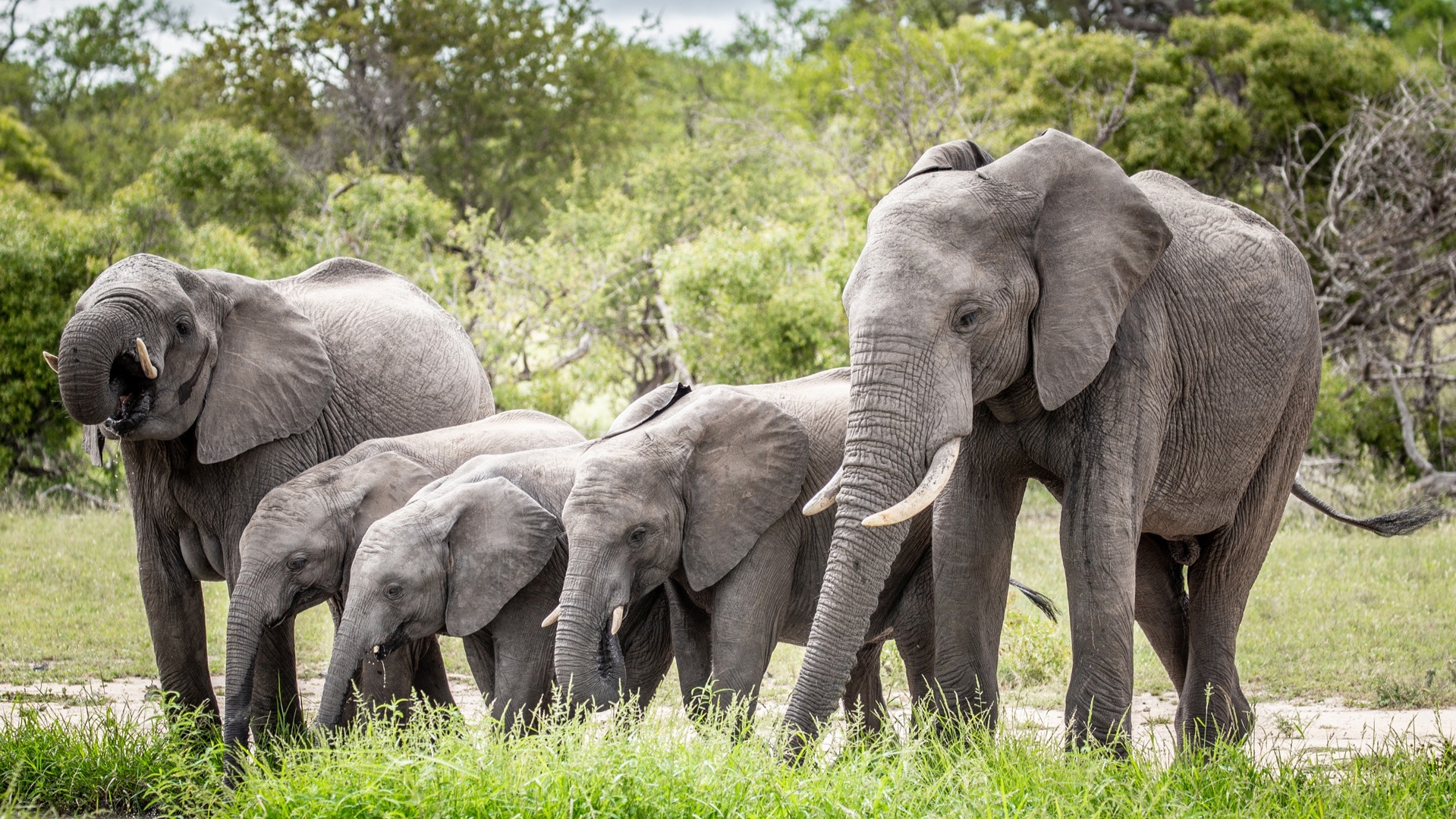
The sensory thrill of an early-morning game drive is only possible because someone, somewhere, is paying to keep that wilderness intact. Dust rises in pale columns as tyres roll across sun-baked earth. A distant elephant trumpets, its call carrying across acacia-studded plains. Behind these moments lies a quiet financial mechanism that travellers rarely pause to examine. Yet understanding where those conservation fees actually go can transform the way you choose where to stay.
The Mechanics of Conservation Fees
Most reputable safari operators add a daily conservation or community levy to every booking. This is not a government tax collected centrally and redistributed through distant bureaucracies. Instead it is channelled directly to the specific reserve, concession or community trust linked to the camp you have chosen. The amount varies according to operator, season and destination, but the principle remains consistent: your nightly rate helps fund the place that sustains the wildlife you have come to see.
Every rand, shilling or dollar contributed through these levies becomes part of a tangible chain that links a traveller’s presence to the protection of habitats and the wellbeing of the people who share that space.
Private concessions often operate on land leased from communities or governments. The lease payments themselves form one revenue stream, but the daily conservation fees add a second, more flexible layer. These contributions can respond quickly to urgent needs such as repairing water points after drought or purchasing fuel for patrol vehicles when poaching pressure spikes. Because the money stays close to the ground, it avoids the delays that sometimes affect larger national budgets.
How do conservation fees on a safari get used?
Conservation fees collected on African safaris are typically directed toward four core areas: anti-poaching operations, habitat management, community development projects, and wildlife monitoring programmes. Funds may support ranger salaries and equipment, the construction of predator-proof livestock enclosures to reduce human-wildlife conflict, the rehabilitation of degraded grazing lands, and scientific research that informs long-term management decisions. In community-owned concessions the fees also contribute to education bursaries, health clinics and small business grants, creating direct economic incentives for residents to value living wildlife over bushmeat or charcoal production. The precise allocation changes with each operator, reserve and year, reflecting shifting threats and local priorities rather than a fixed universal formula.
Community Concessions: Power Returned to Local Hands
In places such as Khwai Community Area in Botswana or the conservancies bordering Kenya’s Masai Mara National Reserve, the land is legally owned or managed by the people who have lived there for generations. When a lodge operates inside these concessions, a significant share of each guest’s conservation fee flows straight to a community trust. These trusts decide how the money is spent, whether on new classrooms, borehole repairs or livestock vaccination campaigns.
The result is a visible shift in attitude. Families who once viewed wildlife as competition for scarce grazing now see it as a reliable source of school fees and clinic medicine. Children grow up learning tracking skills from elders who are employed as guides rather than losing that knowledge to urban migration. The model is imperfect and requires constant negotiation, yet it has kept millions of hectares under conservation that might otherwise have been subdivided for subsistence farming.
When communities hold the lease and receive tangible benefits, wildlife ceases to be an abstract global cause and becomes a practical neighbour whose survival secures their own future.
Choosing a camp located inside a community concession therefore amplifies the social impact of your journey. The same leopard sighting feels different when you know that the land beneath its paws is managed by the very people serving you sundowners at sunset.
Anti-Poaching and Ground-Level Protection
Poaching remains an ever-present threat across many African landscapes, particularly for species whose body parts command high prices in distant markets. Conservation fees help underwrite the cost of dedicated anti-poaching units who spend weeks at a time in remote bush camps. These teams maintain vehicle tracks, clear firebreaks, monitor waterholes with camera traps and respond rapidly to snare discoveries or gunshots heard after dark.
In larger national parks such as Kruger National Park or Serengeti National Park, the fees supplement underfunded government budgets. In smaller private reserves they often form the entire operational budget for security. The difference is measurable: reserves with consistent funding record lower poaching incidents and healthier population densities of both predators and prey.
Technology now plays a growing role. Drones, thermal-imaging binoculars and real-time tracking collars all require maintenance, training and skilled operators. Conservation levies frequently cover these expenses, ensuring that rangers are not left to patrol on foot with outdated radios while sophisticated criminal networks operate with satellite phones and night-vision gear.
Land Under Protection: The Quiet Mathematics of Hectares
Every night spent at a responsible safari camp helps keep a calculable number of square kilometres intact. Some conservancies protect more than 100,000 hectares that would otherwise face agricultural conversion. Others focus on vital wildlife corridors barely a few kilometres wide yet essential for seasonal migrations. The conservation fee contributes to fence maintenance, erosion control, invasive species removal and the reintroduction of locally extinct herbivores that restore balance to the ecosystem.
In Laikipia, for example, private landowners and community groups have stitched together a mosaic of properties that now forms one of Kenya’s most important wildlife areas outside formally protected zones. Similar models exist in South Africa’s Eastern Cape and parts of Zambia’s Luangwa Valley. The funds do not simply preserve pretty scenery; they maintain functional ecosystems capable of supporting viable populations of lions, elephants and the myriad smaller species that depend on them.
The true measure of a safari’s value may lie less in the number of big cats seen than in the hectares of healthy bush that remain standing long after the last vehicle track has blown away.
How Camp Choice Shapes Conservation Outcomes
Not all camps direct their conservation fees in the same way. Some properties are majority-owned by the communities on whose land they sit, returning up to half of all revenue after operating costs. Others partner with established NGOs that channel funds into specific programmes such as rhino monitoring or vulture restaurants. A handful support entirely independent trusts that publish annual impact reports detailing exactly how every dollar was spent.
When Encounters Africa designs a private safari, we match travellers not only to the landscape and wildlife they wish to experience but also to the conservation model that aligns with their values. A family interested in education projects might be guided toward lodges that fund bursaries for local secondary schools. A photographer drawn to predator research may prefer camps that host long-term carnivore monitoring teams. These choices cost nothing extra yet quietly determine whether your presence strengthens community ownership or simply adds another visitor to an already crowded national park.
Direct relationships with individual camps and lodges allow us to verify current projects rather than rely on outdated marketing claims. We can tell you which properties have recently upgraded their anti-poaching vehicles or expanded their community health outreach precisely because we speak with managers throughout the year. This transparency matters when travellers want their safari to leave a measurable legacy beyond memorable photographs.
Beyond the Booking: A Wider Ripple Effect
The impact of thoughtful camp selection extends further than the immediate reserve boundaries. Revenue from high-value, low-volume tourism has helped persuade governments to maintain protected status on land that might otherwise be opened for mining or intensive agriculture. It has funded veterinary programmes that control livestock diseases threatening both domestic herds and wild buffalo populations. It has even supported the mapping of ancient migration routes that inform modern land-use planning.
Travellers who understand this ecosystem of funding tend to approach their safari with renewed curiosity. They ask rangers about the projects their fees support. They listen more carefully to evening lectures about local history and land rights. They return home carrying stories that go beyond the leopard draped along a branch and instead speak of the invisible infrastructure that keeps that leopard alive.
Choosing With Intention
A safari is never only about seeing wildlife. It is about participating, however indirectly, in the complex effort to ensure that wildlife continues to exist. The conservation fee on your booking is one of the most direct ways you become part of that effort. By selecting camps that prioritise community involvement, transparent reporting and genuine habitat protection, you amplify the positive influence of your journey.
For discerning travellers seeking a private safari beyond our set itineraries, we invite you to contact us directly. We specialise in designing exceptional, tailor-made journeys for individuals, couples, families, and private groups of up to eight guests. Drawing on our handpicked network of distinguished camps and lodges, we curate every detail with precision and care, creating a seamless, deeply personal safari experience shaped entirely around your preferences, pace, and budget.
Read more about the subtle distinctions between neighbouring safari destinations in our comparison of Namibia safari versus Botswana safari, or explore the seamless wilderness experience of the Namibia explorer luxury fly-in safari. To begin shaping your own journey with Encounters Africa, please visit our enquiry form.
More like this
conservation
How Forest Corridors Are Reconnecting West Africa's Fragmented Habitats for Chimpanzees
Conservation
How Kenyan Ranchers and Conservationists Share Land to Protect Lions
Conservation
How Kenya's Rangers Track Poaching Networks Across Tsavo's Vast Landscapes
Conservation
How Kenya's Wildlife Tours Translate Visitor Fees into Direct Conservation Gains
Conservation
How Local Farmers and Scientists Team Up to Restore the Karoo
Conservation