Conservation
How Local Rangers and Communities Are Reshaping Zimbabwe’s Wildlife Future
Encounters Africa - 9 min read
Updated on 24 June 2026
Antipoaching efforts in Zimbabwe stand as a compelling example of how dedicated local rangers and engaged communities can safeguard endangered species amid challenging conditions. Across vast landscapes from Hwange to Mana Pools, these initiatives combine traditional knowledge with modern technology, yielding measurable recoveries in elephant, rhino, and lion populations. This approach to conserving Zimbabwean wildlife demonstrates that sustained collaboration between authorities, villages, and conservation partners produces tangible results where previous top-down models often faltered.
Zimbabwe now hosts approximately 100,000 elephants, representing one of the largest populations on the continent, while black rhino numbers have climbed from a low of around 500 in the early 1990s to over 700 today. These gains stem directly from innovative programmes that place local people at the heart of protection efforts, offering both employment and meaningful incentives to communities living alongside wildlife.
The most effective conservation happens when the people who share their land with wild animals become its fiercest defenders.
The Evolution of Antipoaching Efforts in Zimbabwe
Historically, Zimbabwe's wildlife faced severe pressure during the early 2000s when economic challenges led to increased poaching. Between 2000 and 2015, the country lost roughly 40 percent of its elephants to organised syndicates. Yet this crisis catalysed a fundamental shift in strategy, moving from militarised responses to community-integrated models that address both immediate threats and underlying socioeconomic drivers.
Today's antipoaching efforts in Zimbabwe emphasise intelligence-led operations rather than purely reactive patrols. Rangers work closely with informants in border areas and transit routes, disrupting smuggling networks before animals are targeted. This proactive stance has reduced elephant poaching incidents by an estimated 60 percent in key protected areas since 2016, according to Parks and Wildlife Management Authority data.
Technology plays an increasingly vital role. Solar-powered camera traps, thermal imaging, and GPS tracking collars provide real-time information that allows rapid response teams to intercept poachers. In Hwange National Park, a network of over 400 camera traps covers critical waterhole areas, creating an early warning system that has proven remarkably effective during the dry season when animals and humans converge on limited water sources.
Training and Equipping the Next Generation of Rangers
Modern Zimbabwean rangers undergo rigorous training that blends fieldcraft with data collection skills. Programmes supported by international partners now include modules on wildlife monitoring, first aid, and legal procedures, ensuring evidence gathered in remote areas can withstand court scrutiny. Many rangers come from the very communities surrounding the parks, bringing intimate knowledge of the terrain and local dynamics.
The Zimbabwe Parks and Wildlife Management Authority has expanded its ranger force to approximately 2,000 personnel nationwide. These dedicated individuals often work in harsh conditions, covering up to 30 kilometres on foot daily in temperatures exceeding 35°C. Their commitment forms the backbone of conserving Zimbabwean wildlife across 14 percent of the country's land designated as protected areas.
When a ranger from the local village stands between a poacher and a breeding herd, the entire community gains a stake in the outcome.
Community Conservancies: The Heart of Zimbabwean Wildlife Protection
Perhaps the most significant development in conserving Zimbabwean wildlife has been the growth of community conservancies. These models return tourism revenue directly to local people while granting them authority over wildlife management decisions. The results speak for themselves: in conservancies where communities receive tangible benefits, poaching has dropped dramatically.
Take the Save Valley Conservancy in southeastern Zimbabwe, where 23 former cattle ranches were repurposed for wildlife. Since its formation, the area has seen black rhino numbers increase from just 14 individuals in 1995 to over 140 today. This recovery stems from a combination of robust security measures and community development projects funded by safari tourism.
Similar success stories emerge from the Bubye Valley Conservancy and Malilangwe Wildlife Reserve, where integrated land management supports both biodiversity and local livelihoods. These private reserves complement the national park system, creating connected habitats that allow wildlife to move more freely and reducing edge effects where human-wildlife conflict is most acute.
Education and Alternative Livelihoods
Effective conservation requires addressing the root causes of poaching, which often stem from poverty and limited opportunities. Forward-thinking programmes now offer conservation education in local schools, teaching children about the ecological and economic value of wildlife. In many areas, former poachers have been retrained as game scouts or tourism guides, transforming potential threats into active protectors.
Women's groups in communities bordering Hwange have developed craft enterprises using sustainable materials, generating income that reduces reliance on bushmeat or illegal resource extraction. These initiatives demonstrate how conserving Zimbabwean wildlife can simultaneously strengthen rural economies when thoughtfully designed.
Technology Meets Traditional Knowledge in Modern Conservation
The most successful antipoaching efforts in Zimbabwe blend cutting-edge tools with indigenous tracking skills passed down through generations. Expert trackers from local communities can read subtle signs in the bush that technology might miss, while drones and satellite monitoring provide the broader picture. This fusion creates a formidable defence against sophisticated poaching networks.
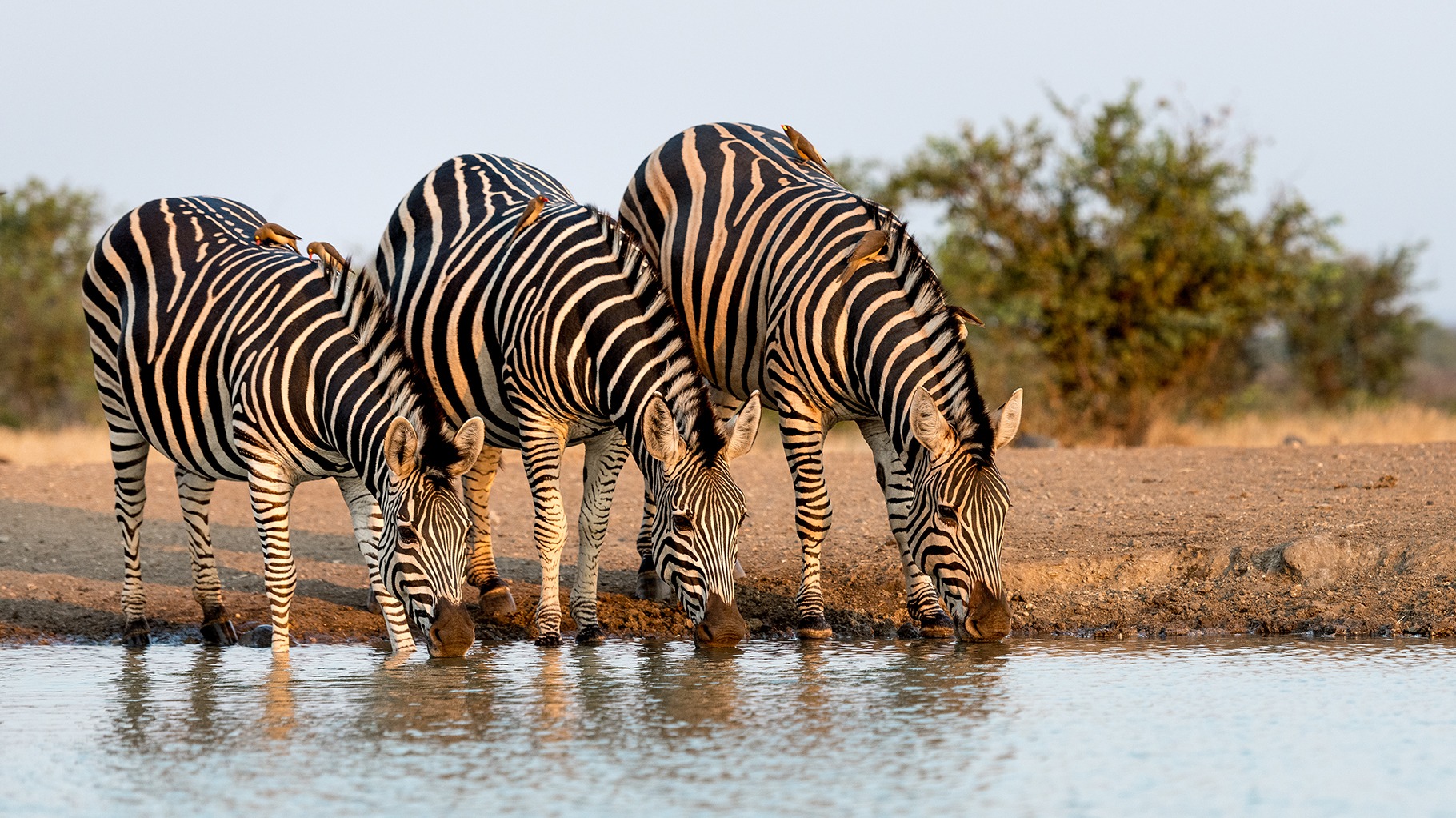
In Mana Pools National Park, a UNESCO World Heritage site, rangers utilise both traditional canoe patrols along the Zambezi River and GPS-enabled monitoring systems. The park's iconic floodplain ecosystem supports significant populations of buffalo, zebra, and predators, making it a high-value target for poachers. Coordinated efforts between Zimbabwean authorities and Zambian counterparts across the river have strengthened cross-border intelligence sharing.
Our partners at Chiawa Safaris - Chichele Presidential in neighbouring Zambia demonstrate how similar community-focused models operate effectively across borders, offering valuable lessons for regional collaboration in southern Africa.
Monitoring Success Through Scientific Data
Rigorous scientific monitoring underpins all effective conservation work. Annual aerial surveys, camera trap studies, and individual animal identification programmes provide the evidence base for adaptive management. In Hwange, long-term research has documented how waterhole management influences elephant distribution and reduces conflict with farming communities during drought periods.
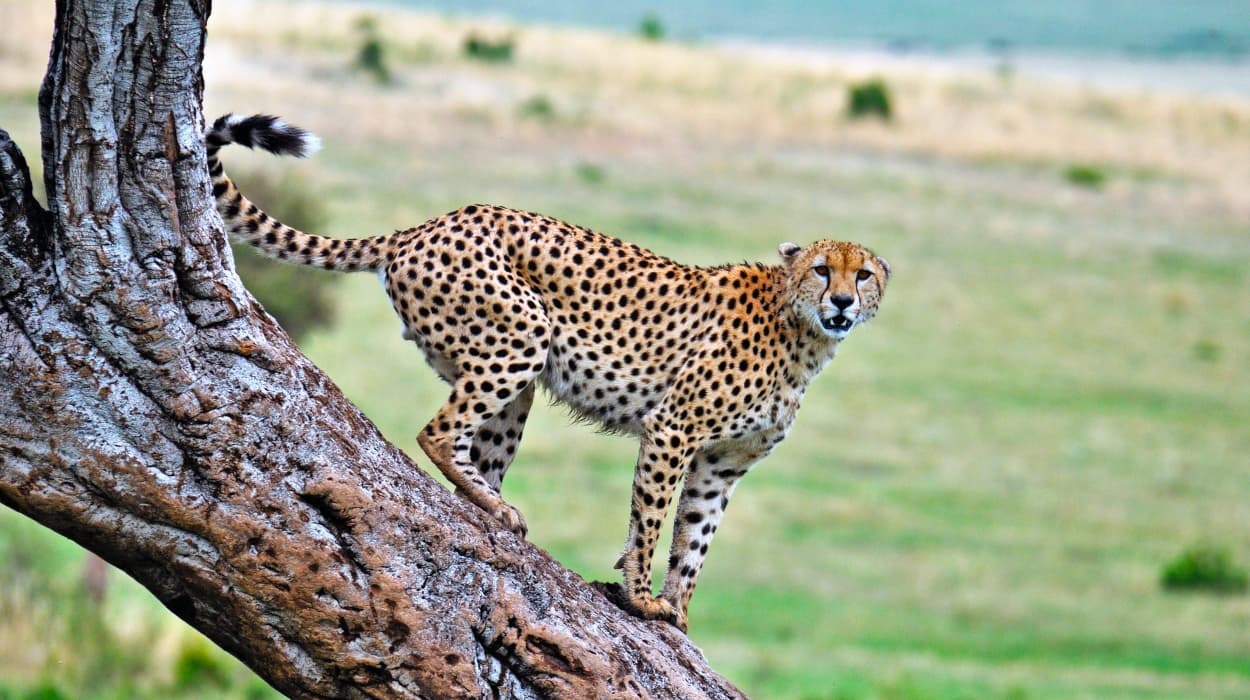
The Zimbabwean government's collaboration with research institutions has produced detailed population data showing positive trends. Lion numbers in protected areas have stabilised at approximately 2,000 individuals, while cheetah populations show encouraging signs of recovery in certain conservancies. These metrics guide resource allocation and help demonstrate the return on investment in conservation to international donors.

Numbers on a page only tell part of the story; the true measure of success lies in thriving ecosystems where people and wildlife coexist with mutual benefit.
What Does Effective Wildlife Conservation in Zimbabwe Look Like?
Many travellers ask what distinguishes successful conservation programmes from those that struggle. In Zimbabwe, the most effective initiatives share several common elements: genuine community ownership, diversified funding sources, adaptive management based on scientific data, and strong law enforcement backed by appropriate legal frameworks.
Programmes that have reduced poaching by over 50 percent in target areas typically invest in both hardware (vehicles, communications equipment, protective gear) and software (training, community incentives, monitoring systems). The most sustainable models generate at least 60 percent of their operational costs through tourism revenue rather than relying solely on donor funding.
For those interested in experiencing these landscapes while supporting conservation, consider a journey through Zambia and Zimbabwe that incorporates visits to community projects. Our Zambia and Zimbabwe combined safari experiences are designed to connect travellers with both wildlife and the people protecting it.
The Role of International Partnerships
While local leadership drives these initiatives, international partnerships provide crucial technical expertise, equipment, and supplementary funding. Organisations such as the International Anti-Poaching Foundation and various zoological societies have supported ranger training programmes that have professionalised wildlife protection across the region.
These collaborations respect Zimbabwean sovereignty while contributing specialised skills in areas such as veterinary science, forensic analysis, and habitat restoration. The result is a more resilient conservation framework capable of withstanding both environmental pressures and economic fluctuations.
Challenges That Remain in Conserving Zimbabwean Wildlife
Despite notable successes, significant challenges persist. Climate change brings more frequent and severe droughts, concentrating both wildlife and human activity around scarce water resources. Human population growth around protected areas increases the potential for conflict, while funding shortages sometimes limit the scope of protection efforts.
Organised criminal networks continue to adapt their tactics, requiring constant innovation from conservation teams. The illegal wildlife trade remains a sophisticated global business, demanding equally sophisticated responses that span borders and involve multiple agencies. Political and economic pressures can also impact the consistency of conservation policy implementation.
Yet the resilience shown by both wildlife and the people dedicated to its protection offers genuine grounds for optimism. Where communities see direct benefits from conservation, support for protection measures remains strong even during difficult times.
Looking Ahead: The Next Decade
The coming years will test these conservation models as never before. With increasing pressure on natural resources across southern Africa, Zimbabwe's experience in integrating local communities into wildlife management offers valuable insights for the region. The emphasis on economic incentives alongside protection measures provides a blueprint that balances biodiversity goals with human development needs.
Emerging technologies such as artificial intelligence for analysing camera trap data and blockchain for tracking wildlife products promise to enhance efficiency. However, the human element remains paramount. The relationships built between rangers, communities, and wildlife authorities will ultimately determine long-term success in conserving Zimbabwean wildlife.
Supporting Zimbabwe's Conservation Future
The transformation of Zimbabwe's approach to wildlife protection reveals how local knowledge, community investment, and strategic partnerships can reshape conservation outcomes. From the dedicated rangers patrolling remote wilderness areas to the village initiatives creating alternative livelihoods, these efforts demonstrate that conserving Zimbabwean wildlife succeeds when it becomes a shared endeavour rather than an external imposition.
Travellers seeking to understand these dynamics firsthand often return transformed by their encounters with both the wildlife and the remarkable people dedicated to its survival. The stories of individual rhinos monitored for decades, elephant herds moving through community lands without conflict, and lions thriving in landscapes once depleted tell a powerful narrative of what becomes possible with sustained commitment.
For discerning travellers seeking a private safari beyond our set itineraries, we invite you to contact us directly. We specialise in designing exceptional, tailor-made journeys for individuals, couples, families, and private groups of up to eight guests. Drawing on our handpicked network of distinguished camps and lodges, we curate every detail with precision and care, creating a seamless, deeply personal safari experience shaped entirely around your preferences, pace, and budget.
By choosing to travel with Encounters Africa, you contribute directly to these vital conservation efforts while experiencing the landscapes and wildlife they protect in the most meaningful way possible. We would be delighted to discuss how your journey can support the communities and initiatives working so effectively to secure Zimbabwe's wildlife heritage for future generations. Please visit our enquiry form to begin planning your bespoke African experience.
More like this
Conservation
How Local Stewards and Scientists Are Reshaping Uganda's Wild Spaces
Conservation
How Marine Sanctuaries in the Western Indian Ocean Shield Fragile Reef Systems
Conservation
How Rangers Maintain Anti-Poaching Patrols Through Sahara Sandstorms

conservation
How Researchers Track and Protect Africa's Wild Dogs Before They Vanish
conservation
How Revenue-Share Agreements Between Camps and Communities Secure Wildlife Corridors
Conservation