Culture
How Cultural Moments in Uganda Deepen Every Safari Experience
Encounters Africa - 10 min read
Updated on 1 July 2026
Cultural moments in Uganda transform a standard safari into something far richer, blending the thrill of tracking mountain gorillas with the warmth of human connection. These encounters with Ugandan culture reveal a nation of remarkable diversity, where over 50 ethnic groups maintain traditions that have endured for centuries. From participating in a lively dance in the north to sharing stories with communities near the national parks, these experiences add depth and context to every wildlife sighting.
The approved excerpt for this piece captures it perfectly: From the rhythmic beat of Acholi dances to intimate conversations with Karamojong elders, these cultural moments in Uganda add layers of meaning to wildlife encounters and create connections that last far beyond the trip. What follows explores how thoughtful integration of local heritage elevates journeys across this East African gem, offering travellers insights that no guidebook alone can provide.
Understanding Uganda's Remarkable Cultural Tapestry
Uganda's strength lies in its ethnic variety, with groups like the Baganda, Basoga, Iteso, and Acholi each contributing distinct languages, customs, and worldviews. This diversity becomes evident the moment one steps beyond the safari vehicle. A short detour to a village near Uganda might include learning the intricate beadwork patterns that tell family histories or witnessing age-old brewing techniques passed down through generations.
These elements of Ugandan culture aren't preserved in museums but live vibrantly in daily life. Farmers tending matooke plantations, fishermen casting nets on Lake Victoria, and healers using indigenous plants all embody living traditions. For those journeying with Encounters Africa, these glimpses create a fuller picture of the landscapes they traverse, connecting the dots between people, wildlife, and environment.
The true measure of a safari in Uganda isn't counted in species spotted but in the moments when a local smile or shared song bridges worlds.
The Buganda Kingdom and Royal Traditions
At the heart of central Uganda sits the Buganda Kingdom, one of the oldest monarchies in Africa, dating back to the 14th century. Visitors fortunate enough to witness the Kabaka's procession or attend a cultural ceremony at Kasubi Tombs gain insight into a sophisticated system of governance that survived colonial rule. The rhythmic drumming and elaborate etiquette surrounding royal events offer a window into structured hierarchies that still influence modern Ugandan society.
Encounters with Buganda traditions often include explanations of the clanship system, where every Muganda belongs to one of 52 clans, each with its own totem. This knowledge transforms a simple game drive into an opportunity for deeper appreciation when your guide shares how these identities shape conservation attitudes towards specific animals.
Immersive Cultural Moments in Uganda During Safari
Cultural moments in Uganda during a safari typically unfold organically yet are carefully facilitated by experienced operators. A morning tracking chimpanzees in Kibale Forest might conclude with a visit to a nearby community where women demonstrate traditional bark cloth making, a craft recognised by UNESCO for its cultural significance. The tactile experience of handling this fabric, once reserved for royalty, creates lasting memories that complement the primate sightings.
In the northwest, near Murchison Falls, travellers can join the Alur people for fishing demonstrations on the Nile. Using techniques unchanged for generations, these sessions highlight sustainable practices that coexist with the river's abundant hippo and crocodile populations. Such activities, lasting between 45 minutes and two hours, fit seamlessly into daily safari schedules without disrupting wildlife viewing priorities.
Further east, in the shadow of Mount Elgon, encounters with the Bagisu people might include learning about their distinctive circumcision ceremonies, though visitors observe rather than participate in the more sacred elements. These experiences, arranged respectfully through community partnerships, generate direct income that supports education and healthcare initiatives.
When a safari guide introduces you to his grandmother who remembers independence in 1962, the landscape itself begins to tell different stories.
Northern Uganda's Acholi and Langi Heritage
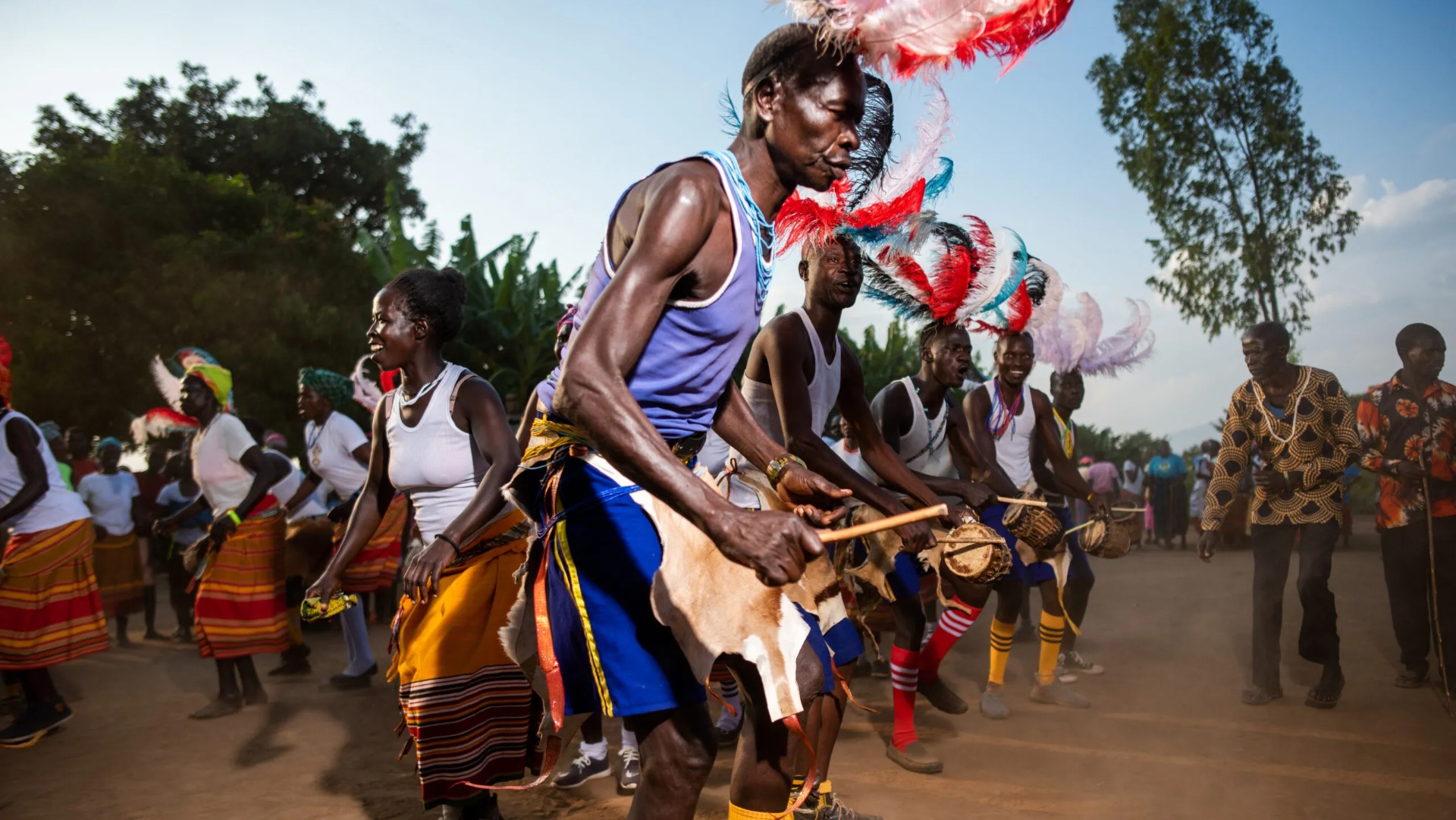
The northern regions offer particularly moving cultural moments in Uganda, especially through the Acholi people's renowned dance traditions. The Larakaraka, once a courtship dance, and the Bwola, performed with synchronised shields and spears, showcase remarkable athleticism and musical complexity. Participating even briefly in these rhythms after a day spent seeking the elusive shoebill stork creates an entirely new dimension to the journey.
Langi communities nearby preserve different but equally compelling customs, including elaborate funeral rites that honour the deceased through song and storytelling lasting several days. While visitors won't witness full ceremonies, thoughtful operators arrange meetings with elders who explain the philosophical foundations behind these practices, revealing a culture that views death not as an end but as a transition within the community.

Community-Led Conservation and Cultural Pride
Modern conservation efforts in Uganda increasingly recognise the vital role of cultural knowledge. In areas bordering Queen Elizabeth National Park, the Basongora pastoralists share wisdom about medicinal plants that benefit both livestock and wildlife health. Their traditional weather prediction methods, based on observing bird behaviour and cloud formations, complement scientific climate monitoring in surprising ways.
These partnerships between communities and conservation organisations have yielded measurable results. Since community tourism initiatives began expanding in the early 2000s, poaching incidents in certain Ugandan reserves have decreased by approximately 60 percent according to Uganda Wildlife Authority reports. When travellers engage directly with these communities, they contribute to economic alternatives that reduce pressure on natural resources.
Encounters Africa carefully selects partners who ensure that cultural visits respect community protocols and distribute benefits equitably. This approach not only enriches the traveller's experience but supports the preservation of Ugandan culture for future generations.
Learning Through Food and Shared Meals
Ugandan cuisine offers another avenue for meaningful cultural connection. A typical meal might feature luwombo, chicken or beef steamed in banana leaves with groundnut sauce, served alongside matooke, posho, and fresh greens. Preparing these dishes alongside local women reveals the labour-intensive processes behind seemingly simple fare and opens conversations about changing agricultural practices in response to climate shifts.
Sharing millet beer or waragi in a village setting, following proper etiquette, creates opportunities for genuine exchange. These moments often lead to discussions about family life, education aspirations, and perspectives on wildlife that challenge preconceived notions. A 2022 study by Makerere University found that travellers who participated in such shared meals reported 40 percent higher satisfaction with their overall safari experience.
What to Expect When Engaging with Ugandan Culture
Many travellers wonder how to respectfully participate in cultural moments in Uganda without feeling intrusive. The answer lies in preparation and attitude. Expect warm welcomes that may include traditional greetings in local languages, with your guide providing phonetic assistance. Dress modestly, particularly when visiting communities with strong religious or royal connections, favouring clothing that covers shoulders and knees.
Photography requires permission, best obtained through your guide who understands specific cultural sensitivities. Some communities welcome photographs of daily activities but prohibit images during spiritual ceremonies. Always ask before capturing portraits, and consider bringing small gifts like schoolbooks or footballs rather than sweets or money, which can create dependency.
The best time to incorporate these experiences is throughout the year, though dry seasons from December to February and June to August offer more comfortable conditions for outdoor activities. Cultural festivals provide particularly rich opportunities, with the Kampala City Festival in October featuring performances from across the nation, and regional events like the Karamoja Cultural Festival in August celebrating pastoralist heritage.
Authentic cultural engagement isn't about checking experiences off a list but about approaching each encounter with genuine curiosity and respect.
Balancing Wildlife and Cultural Priorities
Skilful itinerary planning ensures cultural moments enhance rather than compete with prime wildlife viewing. Morning gorilla treks in Volcanoes National Park (though primarily in neighbouring Rwanda, many combine with Ugandan experiences) or chimpanzee tracking in Budongo Forest leave afternoons free for community visits. This rhythm prevents fatigue while allowing time for reflection on the day's encounters.
Experienced operators like Encounters Africa design journeys that flow naturally between wilderness and community settings. A typical seven-day itinerary might include three days focused primarily on wildlife in Murchison Falls, followed by two days exploring Acholi cultural heritage, then concluding with relaxed lakeside experiences near Jinja.

Why These Experiences Matter for Modern Travellers
In an era of increasingly curated travel, the unscripted nature of genuine cultural moments in Uganda stands apart. These encounters challenge assumptions, broaden perspectives, and often inspire meaningful behavioural changes upon returning home. Travellers frequently report that conversations with Ugandan farmers about coexistence with elephants prompted them to support conservation causes more actively.
The emotional resonance of these experiences frequently surpasses even the most spectacular wildlife sightings. Hearing a grandmother sing lullabies her own grandmother taught her, or watching children perform dances learned at their mother's knee, creates connections that transcend language barriers. These human threads weave through the fabric of a safari, transforming it from observation to participation.
Furthermore, supporting community-based tourism directly contributes to Uganda's development. Revenue from cultural experiences has funded everything from solar power installations in remote villages to scholarships for promising students. When choosing operators, travellers should look for those with transparent benefit-sharing mechanisms and long-term community relationships.
Planning Your Culturally Rich Ugandan Safari
Creating a journey that meaningfully incorporates Ugandan culture requires expertise and sensitivity. This is where Encounters Africa excels, drawing upon years of establishing respectful relationships with communities across the country. Their guides don't merely transport visitors between locations but serve as cultural interpreters, providing context that transforms simple observations into profound understanding.
Consider combining classic wildlife destinations with lesser-known cultural regions for a truly comprehensive experience. A journey that includes time in Bwindi Lodge for gorilla tracking might be enriched by adding days in the northeast to meet Karamojong communities, whose distinctive body adornment and cattle culture offer striking contrast to forest experiences.
Small group travel maximises these opportunities, allowing for more intimate interactions than larger tours permit. Private journeys tailored to specific interests, whether culinary traditions, musical heritage, or agricultural practices, can be arranged through specialist operators who understand both the logistical and ethical dimensions of cultural engagement.
Deepening Your Connection with Uganda
The most rewarding safaris are those that embrace the full spectrum of experiences available, recognising that Uganda's people are as integral to its appeal as its renowned national parks. Cultural moments in Uganda don't merely supplement wildlife viewing but provide essential context for understanding the complex relationships between humans, animals, and landscapes that define this nation.
Whether learning the significance of specific drum rhythms, discovering the stories behind traditional architecture, or simply sitting in companionable silence with a village elder, these encounters create layers of meaning that elevate every aspect of the journey. The connections formed often continue long after departure, through maintained correspondences, supported projects, or simply a more nuanced perspective on global cultures.
For discerning travellers seeking a private safari beyond our set itineraries, we invite you to contact us directly. We specialise in designing exceptional, tailor-made journeys for individuals, couples, families, and private groups of up to eight guests. Drawing on our handpicked network of distinguished camps and lodges, we curate every detail with precision and care, creating a seamless, deeply personal safari experience shaped entirely around your preferences, pace, and budget.
Begin your exploration by visiting our enquiry form to share your interests. Whether your passion lies with mountain gorillas, cultural heritage, or both, Encounters Africa will craft an itinerary that honours Uganda's remarkable diversity while creating memories that resonate for years to come. The question isn't whether to include cultural moments in your Ugandan safari, but how deeply you wish to engage with this nation's living heritage.
More like this
Culture
How Cultural Tribes in South Africa Shape Everyday Life and Landscapes
Culture
This Is How Kenya’s Living Traditions Shape Memorable Journeys
Culture
How Rwandan Families Keep Oral Traditions Alive Across Generations
Culture
Seychelles Blend Creole Flavours and Traditional Dance into Daily Life
Culture
How South African People and Traditions Shape Daily Life in Townships and Rural Homelands
Culture