Culture
How Rwandan Families Keep Oral Traditions Alive Across Generations
Encounters Africa - 9 min read
Updated on 17 June 2026
Rwandan culture thrives through the intimate act of storytelling within families, where parents and elders pass down history not through textbooks but through nightly storytelling sessions and proverb-rich conversations that shape national identity long after the genocide. This living oral heritage forms the backbone of Rwandan society, connecting generations through shared memories, moral lessons, and a profound sense of belonging that visitors to Rwanda can respectfully witness and appreciate.
In homes across the rolling hills of this East African nation, knowledge flows not from printed pages but from the cadence of voices around the evening fire or dinner table. These traditions have endured centuries of change, surviving colonial rule, independence, and the scars of 1994 to emerge as a cornerstone of healing and unity. For travellers seeking depth beyond wildlife encounters, understanding these practices reveals the true heart of contemporary Rwandan life.
The Foundations of Oral Tradition in Rwandan Families
At the core of Rwandan culture lies a sophisticated system of oral transmission refined over hundreds of years. Before written records became widespread, families served as the primary archives, with elders entrusted to remember and recount lineage, historical events, and cultural values with remarkable precision. This responsibility often falls to grandparents, who weave complex narratives that blend factual history with moral teachings.
Children absorb these lessons from an early age, learning not merely what happened but why it matters. The Kinyarwanda language itself facilitates this process through its rich vocabulary of proverbs — over 400 documented expressions that encapsulate wisdom in concise, memorable phrases. A single proverb can convey volumes about resilience, community responsibility, or the consequences of division.
The stories told around Rwandan hearths do more than preserve facts; they actively shape character, teaching young listeners the virtues of patience, respect for elders, and the strength found in collective harmony.
Modern Rwandan families have adapted these practices to contemporary realities. While urban households in Kigali might gather in living rooms rather than traditional thatched compounds, the rhythm of storytelling persists. Parents increasingly blend traditional tales with discussions of recent national achievements, creating a bridge between past and present that strengthens cultural continuity.
Nightly Storytelling Sessions: Where History Comes Alive
After the evening meal, many Rwandan households dim the lights and turn their attention to narrative. These sessions, known locally as "gusasa" in some contexts, transform ordinary evenings into classrooms of cultural education. Elders recount tales of pre-colonial kings, the intricate social structures of ancient clans, and the agricultural innovations that allowed dense populations to thrive on Rwanda's fertile hills.
The power of these gatherings lies in their interactivity. Children are encouraged to ask questions, repeat key phrases, and eventually take their turn as storytellers. This participatory approach ensures that knowledge doesn't simply pass from one generation to the next — it evolves through fresh interpretation and relevance to current challenges.
Particularly moving are the accounts of survival and renewal shared by those who lived through the 1994 genocide. These testimonies, delivered with careful consideration for young listeners' emotional readiness, serve both as historical record and testament to the nation's remarkable recovery. Families frame these difficult stories within larger narratives of resilience and unity, helping younger generations understand both the depth of past wounds and the determination to build a different future.
In the quiet moments after sunset, Rwandan families don't just remember their history — they actively recreate their identity, ensuring that each new generation inherits not only knowledge but the emotional intelligence to carry their culture forward with wisdom.
The Role of Proverbs in Shaping Rwandan Values
Proverbs form the philosophical backbone of Rwandan culture, offering succinct guidance for nearly every aspect of life. These linguistic gems, passed orally across generations, address everything from conflict resolution to agricultural wisdom and interpersonal relationships. A well-timed proverb can defuse tension or reinforce a lesson more effectively than direct instruction.
Common expressions like "Ubumwe ni umusaruro" (Unity is fruitfulness) gained renewed significance in post-genocide Rwanda, becoming central to national reconciliation efforts. Parents deliberately incorporate these sayings into daily conversations, helping children internalise values of cooperation, respect, and measured speech — qualities highly prized in Rwandan society.
Proverbs also serve practical purposes. Farming families might reference traditional sayings about weather patterns or soil management, connecting younger generations to ancestral knowledge about sustainable land use. In urban settings, these same expressions help navigate modern challenges while maintaining cultural grounding.
How Proverbs Function as Cultural GPS
Think of Rwandan proverbs as a moral compass that helps individuals navigate complex social situations. When faced with disagreement, elders might invoke "Amahitamo arakurikira" (Choices have consequences), encouraging thoughtful decision-making. These linguistic tools create a shared ethical framework that transcends individual households.
The beauty of this system lies in its subtlety. Rather than lecturing children about appropriate behaviour, parents embed lessons within engaging stories and clever wordplay. This approach respects the intelligence of young listeners while making cultural education feel like shared enjoyment rather than obligation.
Community Gatherings and Collective Memory
Beyond the family circle, Rwandan culture reinforces oral traditions through larger communal events. Traditional ceremonies, festivals, and even monthly community service days known as umuganda provide opportunities for collective storytelling and knowledge sharing. These gatherings strengthen the social fabric while ensuring cultural practices reach beyond individual households.
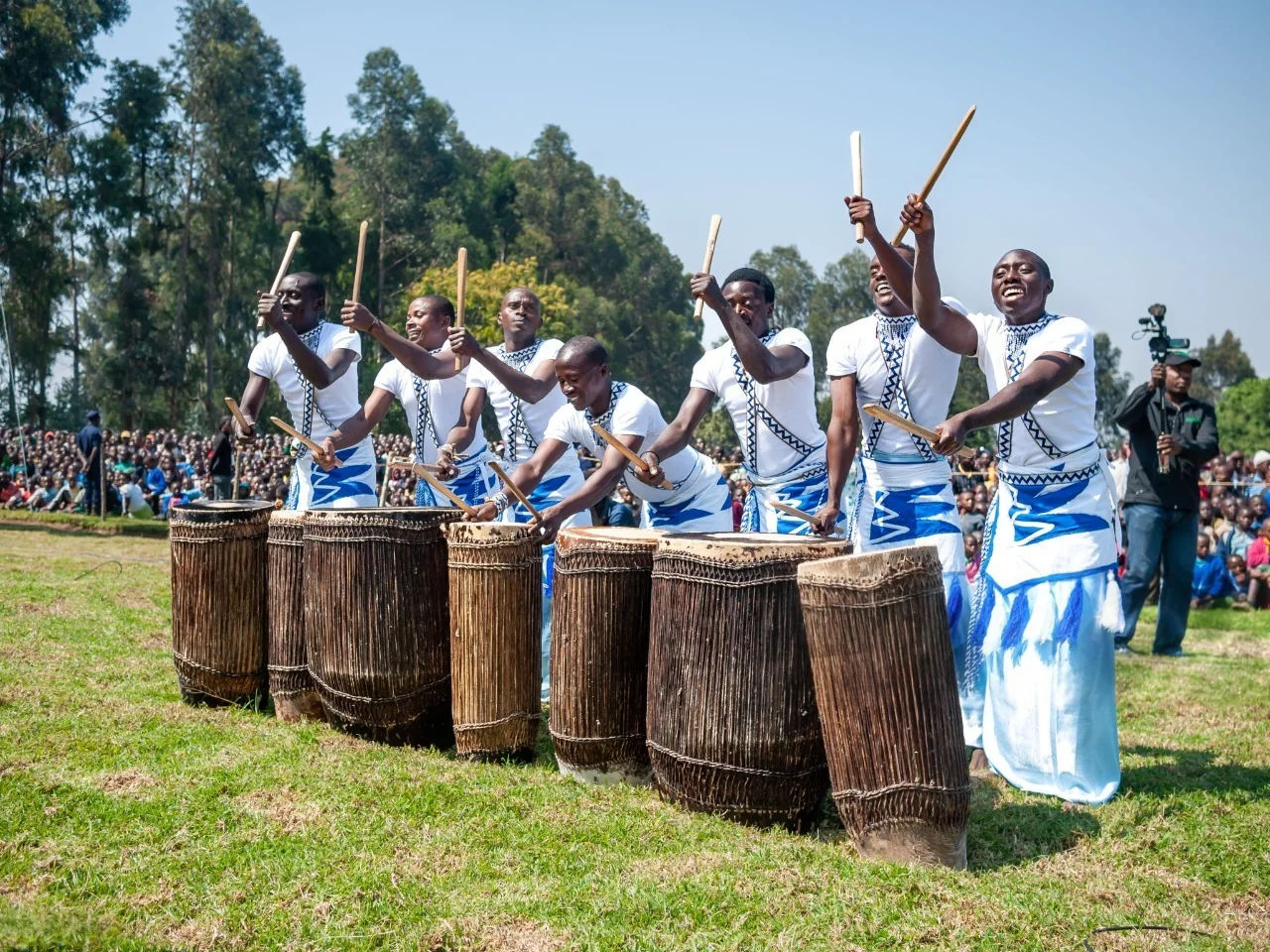
During important life events — weddings, births, or coming-of-age celebrations — extended families come together to recount shared history and reinforce kinship bonds. These occasions blend music, dance, and narrative, creating multisensory experiences that leave lasting impressions on younger participants.
The annual Kwibuka commemorations, marking the anniversary of the 1994 genocide, represent perhaps the most solemn expression of collective memory. Through carefully structured testimonies and discussions, communities process shared trauma while recommitting to the principles of unity and prevention that now define modern Rwandan identity.
While individual families guard their specific lineages and stories, the broader community acts as custodian for the nation's collective narrative, ensuring that cultural knowledge remains both deeply personal and powerfully shared.
Challenges and Innovations in Preserving Oral Heritage
Like many traditional practices worldwide, Rwandan oral traditions face pressures from modernisation, urbanisation, and changing family structures. Busy professional lives in Kigali and other growing cities can limit time for extended storytelling sessions. Additionally, the increasing dominance of digital entertainment sometimes competes for children's attention.
Yet Rwandan families have shown remarkable creativity in adapting their methods. Some incorporate storytelling into bedtime routines using tablet devices to record elders' voices for children living abroad. Others have developed family history projects that combine traditional narrative with genealogical research, creating hybrid approaches that honour both past and present.
Schools increasingly integrate oral history into their curricula, with teachers inviting community elders to share knowledge directly with students. This institutional support helps ensure that cultural transmission isn't solely dependent on individual family commitment.
Technology as Ally Rather Than Threat
Forward-thinking Rwandan families are harnessing digital tools to enhance rather than replace traditional practices. Audio recordings of grandparents' stories create permanent archives while allowing repeated listening. Family WhatsApp groups sometimes become spaces for sharing proverbs relevant to current events, keeping cultural wisdom alive in contemporary contexts.
These innovations demonstrate how Rwandan culture continues evolving while maintaining its essential character. The emphasis remains on connection, wisdom-sharing, and the nurturing of young minds through thoughtful narrative.
What This Means for Visitors to Rwanda
Travellers to Rwanda often express surprise at how warmly they are received when showing genuine interest in local customs. Understanding the centrality of oral tradition helps visitors engage more meaningfully with their hosts. Simple gestures — asking respectful questions about family history or listening attentively to explanations — demonstrate cultural sensitivity that Rwandans deeply appreciate.
Those staying at community-focused lodges near Volcanoes National Park or exploring cultural experiences around Twin Lakes Burera & Ruhondo frequently have opportunities to witness these traditions first-hand. Many properties work directly with local families to create authentic cultural encounters that benefit both visitors and community members.
At Gorilla Safari Lodge, for instance, guests can participate in carefully arranged storytelling evenings that introduce Rwandan oral heritage without disrupting family routines. Such experiences, when thoughtfully arranged, create meaningful connections while supporting cultural preservation efforts.
How Do Rwandan Families Ensure Oral Traditions Survive in Modern Times?
This question captures what many culturally curious travellers want to understand. The answer lies in deliberate, multifaceted approaches that combine tradition with adaptation. Families maintain core practices like evening storytelling while finding new contexts for sharing knowledge — from school programmes to cultural tourism initiatives that generate income for participating communities.
Success depends on several key factors: the commitment of elders to pass on knowledge, the receptiveness of younger generations, institutional support from schools and government cultural programmes, and economic incentives that value traditional knowledge. Post-genocide reconciliation efforts have actually strengthened these practices, as storytelling became a vital tool for processing trauma and building unified national identity.
Current estimates suggest that approximately 70% of Rwandan children still regularly hear traditional stories from family members, though this figure varies between rural and urban areas. The government's emphasis on cultural preservation, combined with grassroots family commitment, suggests these traditions face a promising rather than precarious future.
Cultural Continuity as Living Legacy
The dedication of Rwandan families to their oral heritage represents far more than quaint tradition. It forms the living foundation upon which modern Rwanda has rebuilt itself — a testament to the power of shared narrative in creating resilient societies. Each proverb shared, each story told around the evening fire, contributes to a cultural ecosystem that continues nurturing national character and individual identity.
For those fortunate enough to experience these traditions, even briefly, the encounter often transforms superficial tourism into something far more meaningful. Understanding how Rwandan culture maintains its oral foundations offers profound insights into human resilience, the importance of memory, and the ways communities consciously shape their future through careful stewardship of their past.
Encounters Africa has witnessed firsthand how respectful engagement with these living traditions enriches every Rwanda journey. For discerning travellers seeking a private safari beyond our set itineraries, we invite you to contact us directly. We specialise in designing exceptional, tailor-made journeys for individuals, couples, families, and private groups of up to eight guests. Drawing on our handpicked network of distinguished camps and lodges, we curate every detail with precision and care, creating a seamless, deeply personal safari experience shaped entirely around your preferences, pace, and budget.
Whether incorporating sensitive cultural encounters into your Rwanda safari, exploring the connection between conservation and community at Volcanoes National Park, or simply ensuring your journey reflects genuine appreciation for Rwandan values, our team crafts experiences that honour both wildlife and cultural heritage with equal commitment.
More like this
Culture
Seychelles Blend Creole Flavours and Traditional Dance into Daily Life
Culture
How South African People and Traditions Shape Daily Life in Townships and Rural Homelands
Culture
How South African Tribes Shape Modern Identity

Culture
How South African Wildlife Shapes Local Traditions and Daily Life
Culture
How Tanzanian Cultural Practices Shape Daily Life Across Regions
Culture