Culture
This Is How Kenya’s Living Traditions Shape Memorable Journeys
Encounters Africa - 8 min read
Updated on 21 July 2026
Kenya’s living traditions shape memorable journeys by offering travellers genuine encounters with communities whose customs have endured for centuries. From the rhythmic chants of Maasai warriors to the intricate beadwork of Samburu women, these experiences provide a profound layer to any safari. This guide examines how respectful engagement with local heritage enriches travel while supporting the custodians of Kenya’s diverse cultural tapestry.
More than 40 ethnic groups call Kenya home, each preserving distinct languages, rituals and social structures. Engaging with these living traditions transforms a standard wildlife itinerary into something far more meaningful. Encounters Africa has spent years building relationships that allow travellers to meet communities on their own terms, creating journeys that honour both the land and its people.
The Rich Mosaic of Kenyan Communities
Kenya’s cultural landscape is as varied as its geography. In the south, Maasai pastoralists maintain semi-nomadic lifestyles centred around cattle herding and age-set systems that have defined their society for over 500 years. Further north, the Samburu share linguistic roots with the Maasai yet have developed their own distinct practices shaped by the arid landscapes of Samburu National Reserve.
Along the coast, Swahili culture blends African, Arab and Persian influences, evident in the coral-stone architecture of Lamu and the rhythmic taarab music that fills evening air. In the western highlands, Luhya and Luo communities celebrate vibrant harvest festivals and maintain intricate oral histories passed through generations of storytellers.
The threads of tradition in Kenya do not exist in isolation; they weave through daily life, connecting past wisdom with present realities in ways that continue to guide communities through rapid change.
These diverse expressions of identity offer travellers multiple pathways to meaningful connection. Whether witnessing a traditional Luo naming ceremony or joining a Giriama coconut-climbing demonstration, each experience reveals different facets of Kenya’s heritage. The key lies in approaching these encounters with genuine curiosity rather than expectation.

Maasai Traditions: Warriors, Cattle and Community
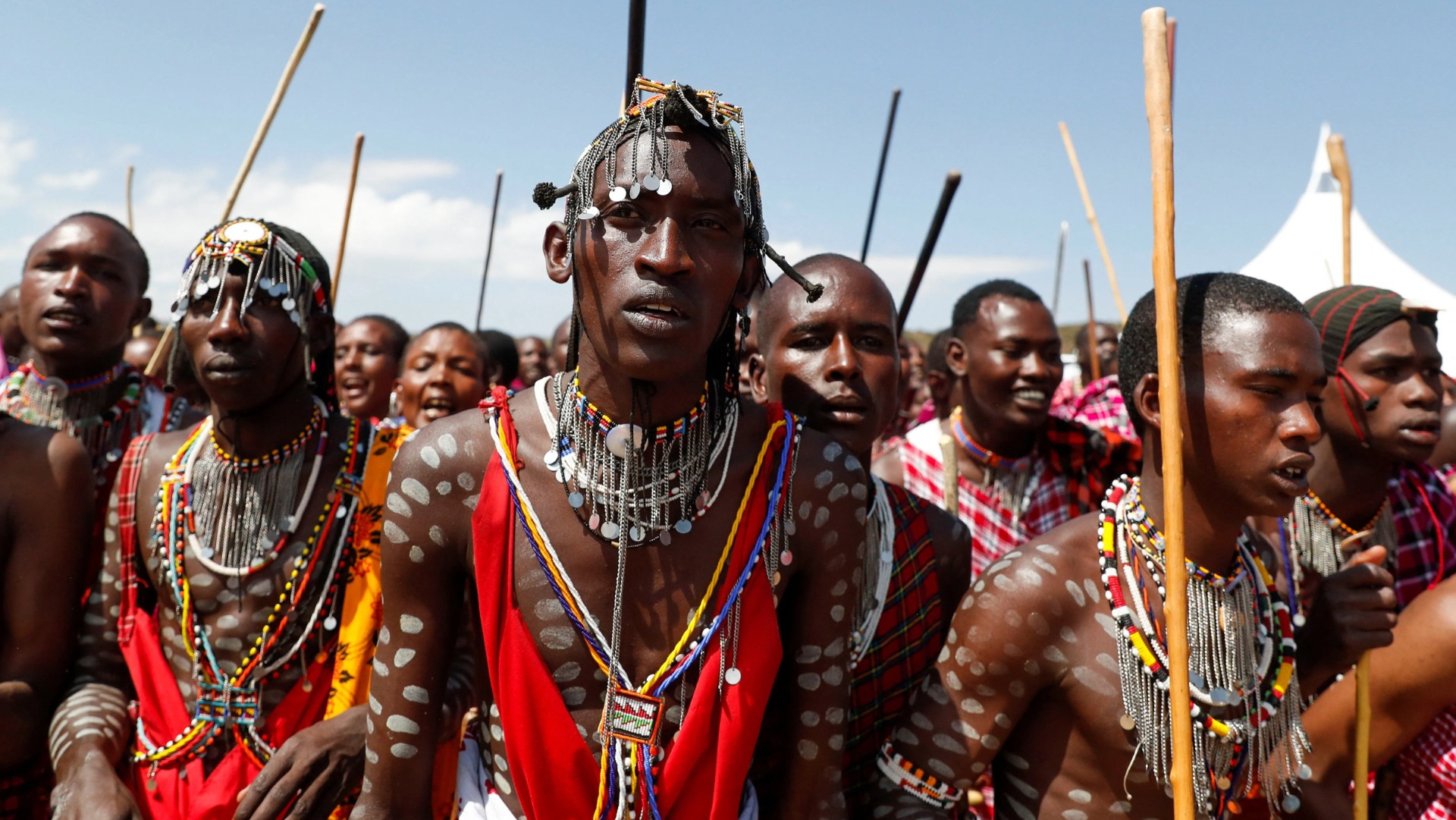
The Maasai remain one of Kenya’s most recognised cultural groups, yet few travellers understand the depth behind their distinctive red shukas and beaded jewellery. Their society revolves around a complex age-grade system where young men progress through distinct life stages, each carrying specific responsibilities to the community.
During visits to traditional manyattas, travellers can learn how morans develop their legendary jumping ability through years of training, not merely for display but as demonstration of strength and readiness to protect their people. The intricate beadwork worn by women carries specific meanings, with colours and patterns indicating marital status, number of children and social standing.
Angama Mara works closely with neighbouring Maasai communities, creating opportunities for travellers to participate in livestock dipping days or learn traditional medicine from knowledgeable elders. These experiences reveal how deeply intertwined Maasai identity remains with their environment and livestock.
Understanding Respectful Engagement
Respectful interaction begins with basic protocols. Always wait for invitation before entering a manyatta, remove shoes when entering homes, and ask permission before photographing individuals. Small gestures like learning basic Maa greetings demonstrate appreciation that transcends typical visitor interactions.
Many community-led initiatives now channel tourism revenue directly into education and healthcare projects. When travellers purchase crafts directly from makers rather than through intermediaries, they contribute to household incomes while gaining stories behind each piece. This direct exchange creates connections that linger long after the journey ends.
Samburu Culture: Resilience in Northern Landscapes
Further north, Samburu communities have adapted their traditions to the challenging semi-arid conditions around Samburu National Reserve and the Matthews Range. Their culture places particular emphasis on harmony with nature, reflected in sophisticated environmental knowledge that guides livestock movements according to seasonal availability of pasture and water.
Women play central roles in Samburu society, managing households while creating the elaborate beadwork that has become emblematic of their culture. Learning these techniques from skilled artisans reveals not merely craft skills but deeper understanding of symbolism, patience and community cooperation.
At Loisaba Tented Camp, travellers can join community conservation projects that demonstrate how traditional knowledge supports modern wildlife protection efforts. Samburu warriors who once protected cattle from lions now work alongside conservationists to monitor endangered species including Grevy’s zebra.
Traditional ecological knowledge held by Samburu elders contains insights that modern science is only beginning to document, highlighting the continued relevance of indigenous wisdom in addressing contemporary environmental challenges.
Coastal Swahili Heritage and Island Traditions
Kenya’s Indian Ocean coastline tells stories of trade routes that connected Africa with Arabia, India and beyond for over a millennium. The resulting Swahili culture manifests in distinctive architecture, cuisine, music and maritime traditions that continue to shape coastal communities today.
In Lamu Old Town, a UNESCO World Heritage site, visitors can explore winding alleyways where donkeys remain the primary mode of transport and traditional dhows still ply the waters as they have for centuries. The call to prayer mingles with scents of cardamom and cloves, creating an sensory experience that feels timeless.
Local boat builders demonstrate techniques passed through generations, using only hand tools and knowledge accumulated over lifetimes. These craftsmen can explain how different wood types respond to marine conditions and why specific designs have endured through changing maritime technologies.
Culinary Traditions as Cultural Gateways
Food offers one of the most accessible entry points to Kenyan culture. Learning to prepare ugali with Luhya women or discovering the subtle spice combinations in coastal pilau reveals how ingredients, techniques and social customs intertwine. Many lodges now incorporate cooking demonstrations that go beyond simple recipe sharing to explore the stories behind each dish.
During travels through Masai Mara, travellers might share fresh milk mixed with blood in the traditional Maasai manner, understanding this practice as both nutritional necessity and sacred connection to their cattle. Such experiences challenge preconceptions while building genuine appreciation for different ways of sustaining life.
Responsible Cultural Encounters: Guidelines for Thoughtful Travellers
How can travellers engage with Kenyan communities respectfully while avoiding common pitfalls?
Thoughtful engagement begins long before arrival. Research basic cultural norms for the communities you will visit. Understand that not all traditions are performed for visitors, and some sacred ceremonies remain closed to outsiders. When invited to participate, observe first and follow the lead of your hosts.
Photography requires particular sensitivity. Always ask permission before taking someone’s photograph, and respect refusals without question. Many communities have established guidelines around image use, especially regarding children. Supporting community photography projects rather than taking personal images often creates more meaningful exchanges.
Financial transactions deserve careful consideration. Direct purchases from artisans support families more effectively than buying from curio shops. Many communities have developed transparent revenue-sharing models for cultural tourism that ensure benefits reach beyond a few individuals. Encounters Africa partners exclusively with initiatives that demonstrate clear community benefit and genuine consent.
Timing matters significantly. Many traditional ceremonies follow lunar cycles or seasonal patterns rather than fixed calendars. Working with knowledgeable local operators increases chances of witnessing authentic rather than staged events. Patience and flexibility often yield the most rewarding cultural experiences.
Conservation Through Culture: The Living Connection
Kenya’s cultural traditions and conservation efforts have become increasingly intertwined. Many communities now recognise that protecting wildlife and habitats directly supports their cultural continuity. This convergence creates powerful opportunities for travellers to understand the holistic relationship between people, land and wildlife.
In the Laikipia region, community conservancies demonstrate how traditional grazing practices can coexist with wildlife protection when managed thoughtfully. Samburu and Maasai warriors who once speared lions as rites of passage now participate in conservation programmes that celebrate their protective instincts while preserving endangered species.
These evolving relationships highlight how living traditions continue adapting without losing their essential character. Young people increasingly combine formal education with deep cultural knowledge, creating new pathways for cultural transmission that honour both heritage and contemporary realities.

When travellers witness the seamless integration of cultural wisdom and conservation practice, they gain profound understanding of why protecting Kenya’s heritage matters far beyond its appeal to visitors.
Creating Your Own Cultural Journey
Building a journey that meaningfully engages with Kenya’s living traditions requires thoughtful planning and flexibility. The most rewarding experiences often emerge from spontaneous moments rather than rigid schedules. Allowing time for unhurried conversations with community members frequently leads to the deepest insights.
Consider combining cultural experiences with wildlife viewing rather than treating them as separate activities. A morning spent tracking with Maasai guides who read the landscape through both traditional and scientific lenses enriches subsequent game drives immeasurably. Similarly, understanding the cultural significance of particular trees or animals transforms routine sightings into meaningful encounters.
Encounters Africa specialises in designing these nuanced journeys. For discerning travellers seeking a private safari beyond our set itineraries, we invite you to contact us directly. We specialise in designing exceptional, tailor-made journeys for individuals, couples, families, and private groups of up to eight guests. Drawing on our handpicked network of distinguished camps and lodges, we curate every detail with precision and care, creating a seamless, deeply personal safari experience shaped entirely around your preferences, pace, and budget.
Whether you wish to spend time with beadworkers in remote Samburu villages, learn traditional fishing techniques along the coast, or simply share stories around evening fires with knowledgeable elders, we can facilitate authentic encounters that honour both you and your hosts. The living traditions of Kenya offer far more than colourful photographs; they provide windows into different ways of understanding our shared world.
Begin planning your culturally enriched Kenyan journey today. The communities who have maintained these traditions for generations welcome travellers who approach them with respect, curiosity and openness. Through such exchanges, we all gain deeper appreciation for the remarkable diversity that makes Kenya so extraordinary.
More like this
Culture
How Rwandan Families Keep Oral Traditions Alive Across Generations
Culture
Seychelles Blend Creole Flavours and Traditional Dance into Daily Life
Culture
How South African People and Traditions Shape Daily Life in Townships and Rural Homelands
Culture
How South African Tribes Shape Modern Identity
Culture
How South African Wildlife Shapes Local Traditions and Daily Life
Culture