Culture
How Cultural Tribes in South Africa Shape Everyday Life and Landscapes
Encounters Africa - 11 min read
Updated on 25 June 2026
Cultural tribes in South Africa form the living backbone of a nation whose diversity stretches far beyond its celebrated landscapes. From the rolling hills of KwaZulu-Natal to the arid expanses of the Kalahari, these communities shape language patterns heard in bustling markets, influence the colours chosen for traditional garments, and determine how land itself is honoured and stewarded. A factual summary reveals that South Africa recognises eleven official languages tied to distinct ethnic groups, each contributing unique customs that continue to mould national identity, artistic expression, and even political discourse in the post-apartheid era.
Travellers who move beyond surface-level encounters discover that these cultural and people in South Africa maintain practices refined over centuries while adapting to contemporary realities. Their ceremonies mark the changing seasons, their stories preserve environmental knowledge, and their resilience offers profound lessons for those seeking deeper connections during a safari or cultural extension. Encounters Africa has witnessed how respectful engagement with these communities enriches every journey, transforming a standard itinerary into something far more meaningful.
The Enduring Influence of Zulu Heritage
The Zulu people, South Africa’s largest ethnic group with over eleven million members, carry a legacy that resonates through the country’s eastern regions. Their language, isiZulu, ranks as one of the most widely spoken tongues, its melodic clicks and tonal nuances colouring everyday conversations from Durban’s vibrant streets to rural homesteads. Traditional beadwork, meticulously crafted by women to convey specific messages about marital status, mood, and social position, remains a vibrant art form that visitors can observe during visits to Hluhluwe.
Annual events such as the Reed Dance, held each September at the royal palace, draw thousands of young women in a celebration of purity and cultural continuity. Warriors still perform the ibhubesi dance with spears and shields, their rhythmic footwork echoing battles fought during the 19th-century kingdom under King Shaka. These living traditions do not exist in isolation; they inform contemporary South African music, fashion weeks, and even corporate leadership styles that value communal consensus.
The Zulu concept of ubuntu – I am because we are – continues to offer one of the most powerful philosophical frameworks for understanding human connection across the entire continent.
Zulu Impact on Politics and Conservation
Zulu political structures maintain considerable sway in national affairs, with traditional leaders playing formal roles in local governance under the Traditional Leadership and Governance Framework Act. This integration of customary authority with modern democracy creates fascinating dynamics that shape land-use decisions, particularly in areas bordering wildlife reserves. Community-owned conservancies around Hluhluwe–Imfolozi Park demonstrate how traditional knowledge of animal movements complements scientific conservation methods.
Many Zulu guides working in private reserves bring ancestral tracking skills passed through generations, reading the bush with an intuition that elevates game drives into profound experiences. Their stories about the interconnectedness of all living things resonate strongly with travellers seeking authentic cultural depth alongside wildlife encounters.

Ndebele Artistic Traditions and Identity
The Ndebele people of the northeastern provinces have transformed their architectural canvas into one of South Africa’s most recognisable visual languages. Women paint the exteriors of their homes with bold geometric patterns using natural pigments, each design carrying specific cultural significance that has evolved from historical records of initiation rites and marital customs. These vibrant murals, now celebrated in international design circles, originated as a means of cultural assertion during times of displacement and restriction.
Beyond the painted houses, Ndebele beadwork and metalwork demonstrate extraordinary technical precision. Aprons adorned with intricate glass beads tell detailed stories of family lineage and personal achievement. Contemporary Ndebele artists have successfully bridged traditional techniques with modern mediums, exhibiting in galleries from Johannesburg to New York while maintaining the spiritual essence of their craft.
What appears as simple decoration to the casual observer actually represents a sophisticated visual code that has preserved Ndebele history when written records were scarce or suppressed.
Contemporary Ndebele Life
Today’s Ndebele communities balance ancestral practices with urban realities, with many young people commuting between traditional villages and economic centres. Initiation ceremonies for both boys and girls remain important milestones, though they have been adapted to accommodate school calendars and professional commitments. The respect for elders and communal decision-making processes continues to influence family structures even in metropolitan areas.
Travellers particularly interested in cultural immersion can arrange visits through responsible operators who ensure that interactions benefit local communities directly. These experiences often include opportunities to learn basic beadwork techniques or understand the symbolism behind different colour combinations used in traditional attire.
The San People: First Inhabitants and Living Knowledge
The San, often referred to as Bushmen, represent South Africa’s oldest cultural lineage, with archaeological evidence suggesting their presence for at least 20,000 years. Their click languages contain some of the world’s most complex phonetic systems, with certain dialects featuring over 100 distinct sounds. Rock art found across the country, particularly in the Cederberg and Drakensberg mountains, provides stunning visual records of their spiritual beliefs and hunting practices.
Despite historical marginalisation, San communities in the Northern Cape maintain remarkable botanical knowledge, identifying over 200 edible and medicinal plants that grow in arid environments. This expertise has attracted pharmaceutical researchers while simultaneously raising important questions about intellectual property rights and benefit-sharing with indigenous knowledge holders. The !Xaus Lodge in the Kgalagadi Transfrontier Park offers one of the few opportunities for travellers to engage directly with San communities on their ancestral lands.
San Contributions to Understanding the Land
San tracking abilities remain unsurpassed, with experienced practitioners able to read minute details in sand and vegetation that reveal not only which animals passed but their physical condition, speed, and even emotional state. This knowledge has proven invaluable to anti-poaching units and wildlife researchers across southern Africa. Their holistic understanding of ecosystems predates modern ecology by millennia, offering insights particularly relevant as climate patterns shift across the subcontinent.
Contemporary San artists translate ancient stories into both traditional and modern formats, from ostrich eggshell beadwork to canvas paintings that capture the essence of their connection to landscape. These works serve as powerful reminders of the deep temporal roots that cultural tribes in South Africa possess.
The San understanding that humans form only one thread in a complex web of life offers a perspective that feels increasingly urgent as environmental challenges mount across the planet.
Xhosa Traditions and Their Cultural Resonance
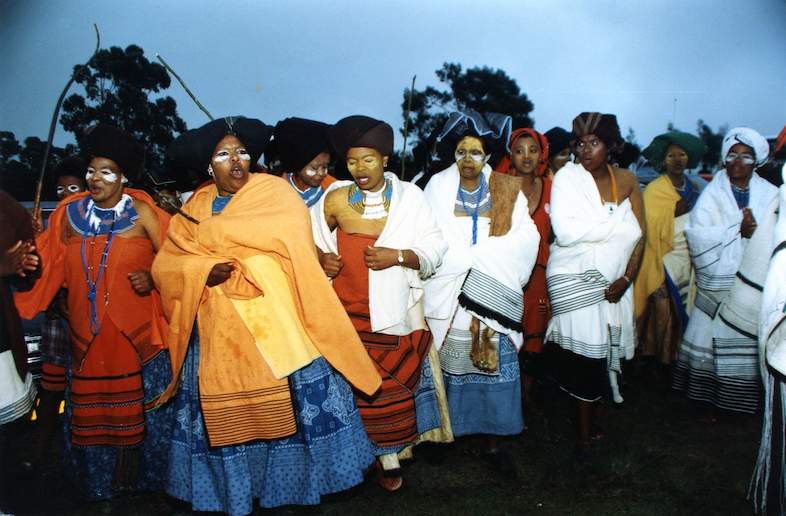
The Xhosa people of the Eastern Cape maintain some of South Africa’s most distinctive ceremonial practices, including the intricate beadwork that encodes complex social information and the powerful initiation rituals that mark the transition to adulthood. Their language, isiXhosa, features three distinct click sounds that add musicality to everyday speech and feature prominently in the region’s rich oral literature.
Nelson Mandela’s Xhosa heritage and his well-documented respect for traditional customs highlighted how these cultural frameworks could complement rather than compete with modern democratic values. The continued practice of lobola (bridewealth) negotiations, though adapted to contemporary economic realities, maintains important family connections and social obligations that strengthen community bonds.
Xhosa Influence on National Culture
Xhosa music and dance have profoundly influenced South African performing arts, from the development of isicathamiya to contemporary theatre productions that blend traditional storytelling with modern narratives. The powerful vocal traditions heard in churches across the country trace many of their harmonic structures to Xhosa roots. Visitors to the Wild Coast can experience these living traditions through homestays that connect travellers directly with families who maintain small-scale farming alongside cultural practices.
The Xhosa concept of respect for ancestors continues to shape attitudes toward land and environmental stewardship, with many communities viewing natural features as living connections to previous generations. This perspective offers valuable context for travellers exploring the dramatic landscapes of the Eastern Cape.
Venda Sacred Sites and Environmental Wisdom
In the far north, the Venda people maintain a sophisticated relationship with their mountainous landscape that blends spiritual beliefs with practical environmental management. The sacred forests around Lake Fundudzi operate under strict traditional protection, functioning effectively as biodiversity reserves long before the concept existed in Western conservation terminology. Their rain-making ceremonies, conducted by designated spiritual leaders, reflect a profound understanding of local weather patterns developed over countless generations.
Venda artistic traditions, particularly pottery and woodcarving, demonstrate exceptional technical skill while embodying cosmological beliefs about the relationship between the physical and spiritual worlds. Young people still learn these crafts through apprenticeship systems that transmit both technical knowledge and cultural philosophy.
Modern Venda Adaptations
Contemporary Venda communities navigate the tensions between tradition and development with notable creativity. Traditional leaders work alongside elected municipal officials to manage natural resources, particularly water sources that have become increasingly contested as agricultural demands grow. Their traditional governance systems, which emphasise consultation and consensus, offer interesting parallels to modern democratic processes.
The region’s cultural festivals provide opportunities for visitors to witness traditional dancing, music, and storytelling that have evolved while retaining their essential character. These events often coincide with agricultural cycles, demonstrating the deep connection between cultural practices and the natural environment.
How to Engage Respectfully with Cultural Communities
Approaching South Africa’s diverse communities requires sensitivity, preparation, and genuine curiosity rather than a checklist mentality. The most meaningful interactions happen when travellers take time to learn basic greetings in local languages, understand appropriate dress codes for different settings, and recognise that not every cultural element exists for public consumption or photography. Responsible operators ensure that visits provide tangible benefits to host communities while protecting their dignity and privacy.
Many cultural villages now operate as community-owned enterprises that channel visitor revenue directly into education, healthcare, and conservation projects. These initiatives demonstrate how cultural tourism, when structured thoughtfully, can support rather than undermine traditional ways of life. Learning a few phrases, asking permission before taking photographs, and showing interest in the people behind the traditions rather than treating them as exhibits creates space for authentic exchange.
True cultural engagement happens not through observation alone but through the willingness to listen, learn, and recognise that every tradition carries the wisdom of generations who have maintained their identity through extraordinary challenges.
The Living Tapestry of South African Identity
The cultural tribes in South Africa do not exist as museum pieces but as dynamic forces actively shaping the nation’s future while honouring its past. Their languages enrich official discourse, their artistic traditions influence global design trends, and their environmental knowledge offers solutions to contemporary challenges. From the political impact of traditional leadership structures to the spiritual connections that protect sacred natural sites, these communities continue to demonstrate remarkable adaptability without losing their essential character.
As South Africa navigates its complex path forward, the wisdom embedded in these diverse cultural frameworks becomes increasingly relevant. The emphasis on communal responsibility, respect for elders, connection to ancestors, and harmonious relationships with the natural world offer valuable perspectives for a world grappling with individualism, environmental crisis, and social fragmentation. Travellers who engage thoughtfully with these living cultures return home not only with memorable experiences but with expanded understanding of human possibility.
Deepening Your Understanding Through Responsible Travel
For discerning travellers seeking a private safari beyond our set itineraries, we invite you to contact us directly. We specialise in designing exceptional, tailor-made journeys for individuals, couples, families, and private groups of up to eight guests. Drawing on our handpicked network of distinguished camps and lodges, we curate every detail with precision and care, creating a seamless, deeply personal safari experience shaped entirely around your preferences, pace, and budget.
Consider extending your wildlife-focused journey with meaningful cultural connections that illuminate the human stories behind South Africa’s landscapes. Whether exploring Eastern Cape communities near Camp Figtree Addo, learning about San traditions at !Xaus Lodge, or understanding Zulu heritage around Hluhluwe–Imfolozi Park, these experiences create lasting memories while supporting community initiatives. Our team at Encounters Africa maintains close relationships with cultural partners who share their knowledge generously when approached with genuine respect.
Begin your journey of discovery by exploring our South Africa safari collection or visit our enquiry form to discuss how we might incorporate meaningful cultural encounters into your next African experience. The cultural and people in South Africa await those ready to listen, learn, and travel with open hearts and curious minds.
More like this
Culture
This Is How Kenya’s Living Traditions Shape Memorable Journeys
Culture
How Rwandan Families Keep Oral Traditions Alive Across Generations
Culture
Seychelles Blend Creole Flavours and Traditional Dance into Daily Life
Culture
How South African People and Traditions Shape Daily Life in Townships and Rural Homelands
Culture
How South African Tribes Shape Modern Identity
Culture