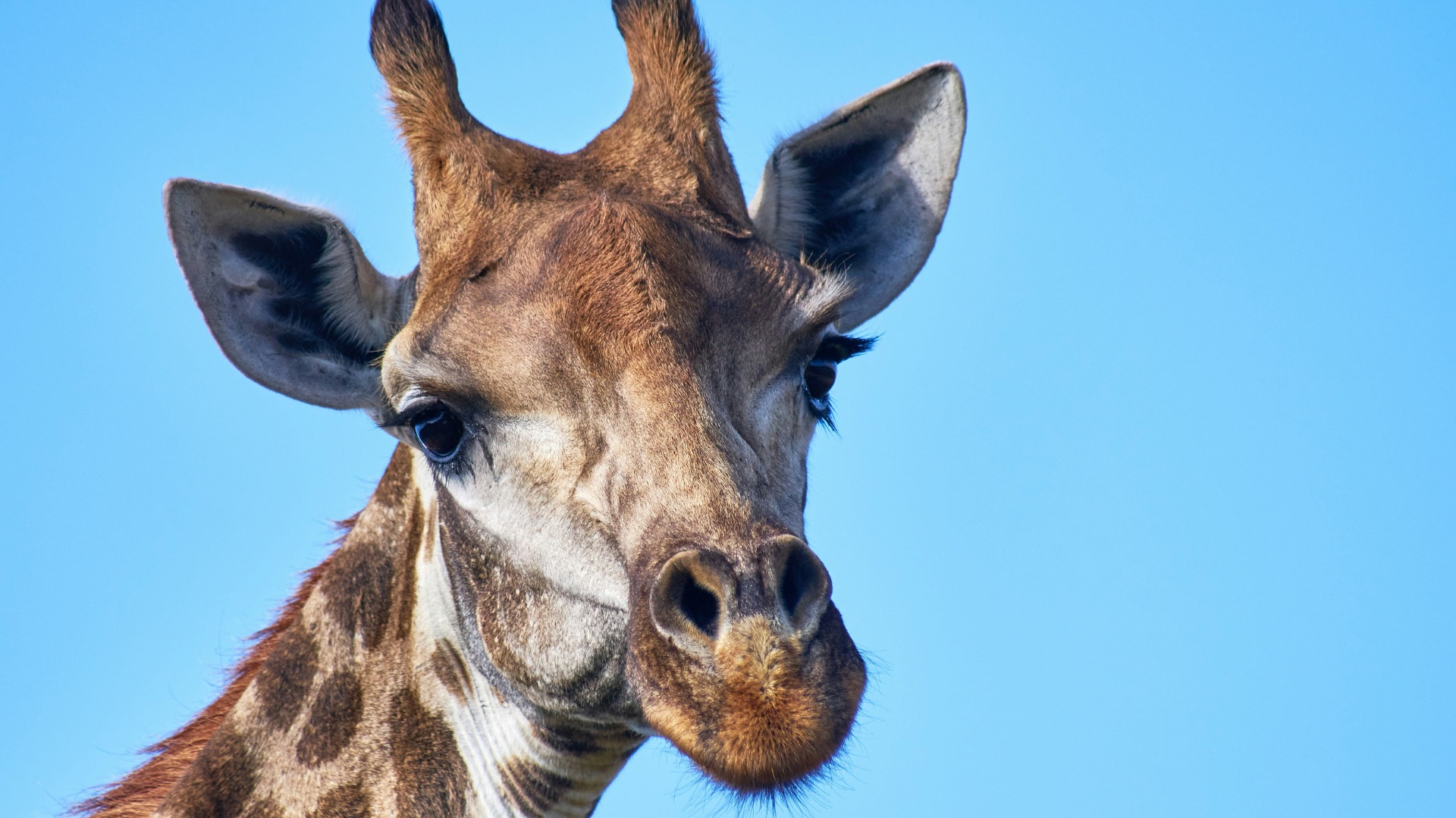
Culture
How South African Wildlife Shapes Local Traditions and Daily Life
Encounters Africa - 9 min read
Updated on 11 August 2026
South African wildlife profoundly influences local traditions and daily life, weaving itself into the fabric of Zulu, Xhosa, and other indigenous cultures across the country. From the rhythmic patterns in traditional beadwork that echo the graceful stride of impala to the oral histories where lions embody wisdom or cautionary lessons, these connections offer travellers a deeper layer of understanding. This integration creates a living tapestry where animals are not merely observed on safari but revered as teachers, symbols, and neighbours in a shared landscape. Encounters Africa has witnessed how such knowledge enriches every journey, turning a Kruger game drive into an experience that resonates long after the dust settles.
The bond between South African communities and their wild neighbours dates back millennia, shaping everything from initiation rites to harvest celebrations. In rural villages bordering reserves, daily decisions about grazing, foraging, and movement still reflect an intimate awareness of elephant paths or leopard territories. This article explores those enduring relationships, revealing how wildlife continues to inform art, storytelling, medicine, and social structures in modern South Africa.
The Enduring Symbolism of the Big Five in Cultural Narratives
Elephants, lions, leopards, rhinoceros, and Cape buffalo have long held powerful roles in South African folklore and belief systems. Among Zulu communities, the elephant represents strength tempered by wisdom, its image appearing in ceremonial regalia and proverbs passed through generations. Xhosa elders in the Eastern Cape frequently incorporate lion imagery into tales designed to teach respect for boundaries and the consequences of hubris.
These narratives are not static museum pieces but living references that guide behaviour toward wildlife today. A young herder learning to read the landscape might recall a grandmother’s story about the buffalo’s unpredictable nature, translating ancient wisdom into practical caution when moving livestock near protected areas.
The lion does not simply roar in the savanna; it echoes through fireside conversations, reminding listeners that power without restraint invites its own downfall.
Buffalo and rhino feature prominently in protective rituals, their perceived resilience mirrored in amulets crafted for warriors or travellers. Such symbolism fosters an instinctive conservation ethic, even in communities facing economic pressures. When visitors join a cultural tour before heading into Kruger National Park, these stories transform a simple wildlife sighting into a moment of cultural recognition.
Elephants as Architects of Memory and Landscape
Elephants shape both the physical environment and the collective memory of neighbouring communities. Their seasonal movements across the Limpopo valley have historically dictated planting cycles and trading routes for Venda and Tsonga people. Bark stripped by elephants for food becomes material for traditional medicines, linking animal behaviour directly to human healing practices.
In some areas, the appearance of a particular elephant herd signals the approach of rains, prompting specific songs and dances. These observations, refined over centuries, demonstrate a sophisticated ecological knowledge that modern scientists increasingly validate through tracking data.

How Wildlife Influences Traditional Art and Craftsmanship
South African artisans draw constant inspiration from the animals sharing their world, embedding wildlife motifs into beadwork, pottery, and woodcarving with remarkable precision. Zulu beadwork patterns often replicate the distinctive markings of nyala or the geometric symmetry of a spider’s web stretched between acacia thorns. Each colour and configuration carries meaning, allowing wearers to communicate status, emotion, or clan affiliation at a glance.
Among Ndebele artists, mural paintings on house walls frequently feature stylised representations of kudu and giraffe, their elongated forms creating harmony with the architectural lines. These visual languages preserve knowledge of animal behaviour while celebrating beauty observed during daily life in the bush.
A single beadwork collar can contain an entire philosophy of coexistence, its patterns mapping the delicate balance between human needs and wildlife presence.
Contemporary creators continue this tradition, adapting animal imagery to new mediums while maintaining cultural integrity. Travellers who visit community workshops near South Africa often discover that the same animals they hope to photograph on safari appear transformed into wearable art, carrying stories that predate colonial boundaries.
The Role of Animal Skins and Feathers in Ceremony
Although modern conservation laws strictly regulate the use of animal products, certain ceremonial contexts still incorporate responsibly sourced materials under traditional leadership oversight. Ostrich feathers crown dancers during initiation ceremonies in the Eastern Cape, their movement mimicking the birds’ own displays on the veld. Leopard skin patterns, now often replicated in textiles, once signified royalty among certain groups.
These practices have evolved alongside wildlife protection efforts, with many communities now partnering with conservation organisations to ensure cultural expression supports rather than threatens animal populations. The result is a dynamic dialogue between heritage and habitat preservation.
Wildlife in Healing Practices and Traditional Medicine
Traditional healers, or sangomas, have long incorporated animal-derived ingredients and observations into their pharmacopeia. The keen eyesight of the bateleur eagle inspires remedies for vision problems, while the tenacity of the honey badger informs treatments for persistent ailments. These connections reflect generations of careful study of how animals interact with their environment and what plants they select for self-medication.
Porcupine quills serve both practical and symbolic purposes in divination sets, their natural design representing protection and clarity. Such tools bridge the visible and invisible worlds, helping communities navigate challenges by drawing on the perceived strengths of local fauna.
Importantly, many healers now advocate for sustainable harvesting methods and synthetic alternatives where appropriate, demonstrating how cultural practices can adapt to support biodiversity. This evolution strengthens rather than dilutes the relationship between people and wildlife.
Daily Life: How Rural Communities Navigate Wildlife Neighbours
In villages bordering major reserves, wildlife is not a distant concept but a constant presence that shapes routines and decision-making. Farmers time their planting around elephant migration patterns, using traditional knowledge to minimise conflict while maximising yields. Children learn early to identify spoor and interpret alarm calls, skills that protect both livestock and human safety.
Water sources become sites of negotiation between species. During dry months, women collecting water might pause to allow a herd of kudu to drink first, recognising the animals’ role in maintaining the ecosystem that ultimately sustains the village. These small accommodations accumulate into a sophisticated system of coexistence developed over hundreds of years.
Respect flows both ways across the fence line. When communities understand the needs of their wild neighbours, tolerance grows even during challenging seasons of drought or crop raiding.
Modern Challenges and Community-Based Solutions
Today, many South African communities participate in wildlife economy initiatives that convert cultural knowledge into tangible benefits. Revenue from photographic tourism and carefully managed hunting concessions funds schools, clinics, and infrastructure. The Malewane Lodge in the Greater Kruger area exemplifies this model, where local expertise directly informs guiding standards and cultural interpretation for international visitors.
Programmes training young trackers from nearby villages ensure that traditional ecological knowledge informs scientific research while creating career pathways. These bridges between old and new help communities maintain their cultural identity while participating in the modern economy.
Enriching Your Safari Through Cultural Context
Understanding these connections transforms a standard game drive into something far more meaningful. When your guide points out a particular leopard’s territory and shares how local folklore interprets its solitary nature, the sighting gains new dimensions. The impala you observe becomes not just prey but the inspiration for beadwork patterns worn at weddings.
Many lodges now incorporate cultural experiences into their programmes, arranging visits to nearby villages or inviting traditional storytellers to share knowledge around the evening fire. These encounters provide context that elevates wildlife viewing from spectacle to dialogue.
What Visitors Should Know Before Their Journey
Approaching cultural elements with genuine curiosity rather than expectation yields the richest rewards. Learning a few words in the local language, asking respectful questions about symbolism, and listening without interruption demonstrate appreciation for the depth of knowledge held by your hosts. Photography of people and sacred objects requires permission and often comes with protocols that honour the traditions involved.
The dry season from May to September typically offers optimal wildlife viewing in Kruger, coinciding with periods when many communities hold important ceremonies. Planning your visit with these cycles in mind allows for more authentic engagement with both wildlife and culture.
Conservation Through Cultural Lens
South African conservation increasingly recognises that protecting wildlife requires protecting the cultural systems that have sustained respectful relationships for generations. Community-owned reserves demonstrate how traditional governance structures can successfully manage wildlife populations when given appropriate authority and resources.
Programmes that document indigenous knowledge before it fades help scientists understand historical animal distributions and behaviour patterns. This data proves invaluable for rewilding projects and climate adaptation strategies. In this way, cultural preservation directly supports biodiversity conservation.
The integration of traditional ecological knowledge with modern science represents one of South Africa’s most promising pathways toward sustainable coexistence between humans and wildlife. It offers a model that other African nations are studying with growing interest.

Discovering Deeper Connections on Safari
The relationship between South African wildlife and local traditions reveals a sophisticated understanding developed over countless generations. Far from being separate domains, culture and conservation emerge as deeply intertwined, each sustaining the other in subtle but essential ways. When travellers engage with both dimensions, their experience moves beyond observation to participation in a living heritage.
Encounters Africa specialises in creating journeys that honour these connections. For discerning travellers seeking a private safari beyond our set itineraries, we invite you to contact us directly. We specialise in designing exceptional, tailor-made journeys for individuals, couples, families, and private groups of up to eight guests. Drawing on our handpicked network of distinguished camps and lodges, we curate every detail with precision and care, creating a seamless, deeply personal safari experience shaped entirely around your preferences, pace, and budget.
Whether you wish to explore the cultural heartlands surrounding Addo Elephant National Park, trace ancient rock art depicting wildlife in the Cederberg, or simply gain richer context for your luxury South Africa safari, our team stands ready to craft an itinerary that reveals these profound links. The animals and the stories they inspire await those who approach with open hearts and curious minds.
More like this
Culture
How Tanzanian Cultural Practices Shape Daily Life Across Regions
Culture
How Tanzanian Daily Rituals Shape Family and Community Bonds
Culture
How Zambian People and Culture Blend Tradition with Modern Change
Culture
How Zimbabwe's Ancient Hunting Traditions Shape Daily Village Life
Culture
Inside Botswana's Living Traditions: What Sets the San and Tswana Apart
Culture