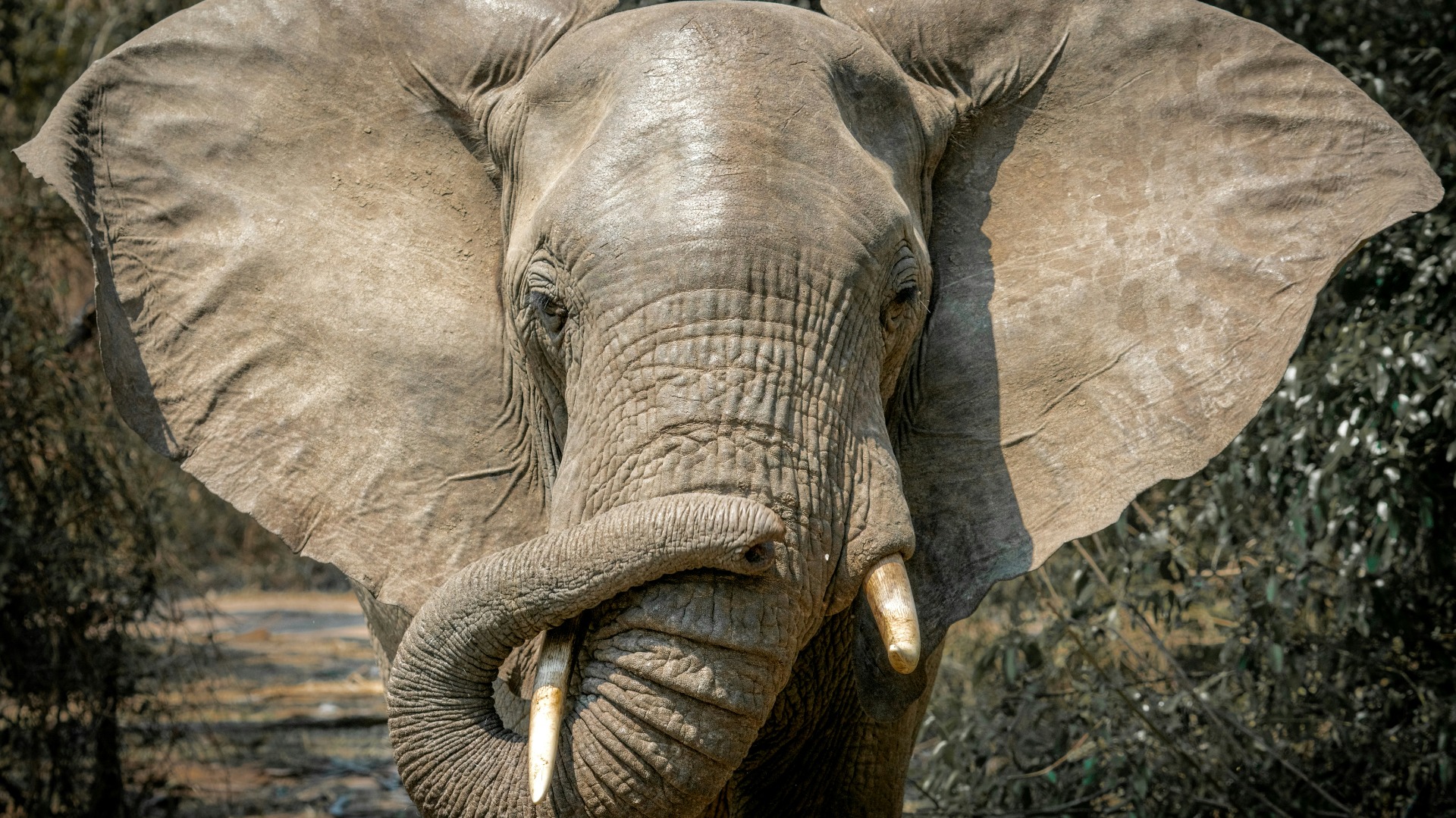
Photography
How Experienced Photographers Frame African Wildlife for Maximum Impact
Encounters Africa - 10 min read
Updated on 10 August 2026
Photographing African wildlife demands more than a steady hand and a long lens. Experienced photographers frame African wildlife for maximum impact by learning to read the landscape, predict behaviour, and compose scenes that tell a story in a single frame. The result is imagery that captures not only the animal but the essence of its world, whether that is a leopard draped along a fever tree branch or a herd of elephants crossing a dusty plain at dusk.
On safari, every sighting arrives without warning and can vanish just as quickly. The difference between a snapshot and a memorable image often lies in habits formed long before the shutter is pressed. By understanding light, angle, and animal movement, travellers return home with photographs that convey scale, emotion, and the quiet drama of the African bush. Encounters Africa has guided thousands of guests in refining these skills across Kenya, Botswana and South Africa.
The most powerful wildlife images rarely come from the biggest lenses; they come from the photographer who understands when to wait, where to stand, and how to let the animal fill the frame with purpose.
Why Composition Matters More Than Equipment on Safari
Many assume that professional-grade gear is essential for strong wildlife photography. In truth, the finest images often result from thoughtful framing rather than the latest camera body. A well-composed photograph taken with a mid-range zoom can outshine a technically perfect but unimaginative shot captured with the most expensive telephoto lens.
Composition guides the viewer’s eye, creates balance, and gives context to the subject. On an African safari, where animals move unpredictably and light changes rapidly, the ability to compose quickly becomes a vital skill. Simple habits such as leaving space for movement or placing the horizon according to the rule of thirds can transform an ordinary sighting into something striking.
Professional guides at lodges such as Duba Plains Camp frequently remind guests that the vehicle position matters as much as the camera settings. A few metres forward or a slight turn of the wheel can mean the difference between a clean background and a cluttered one. Developing an eye for these opportunities is a habit that improves with every drive.

Anticipating Animal Behaviour Before the Shot
Successful wildlife photographers spend more time watching than shooting. By studying posture, ear position, and direction of gaze, one can often predict what an animal will do next. A lioness lowering her head and staring intently usually signals an imminent stalk. A herd of zebra becoming restless may indicate an approaching predator.
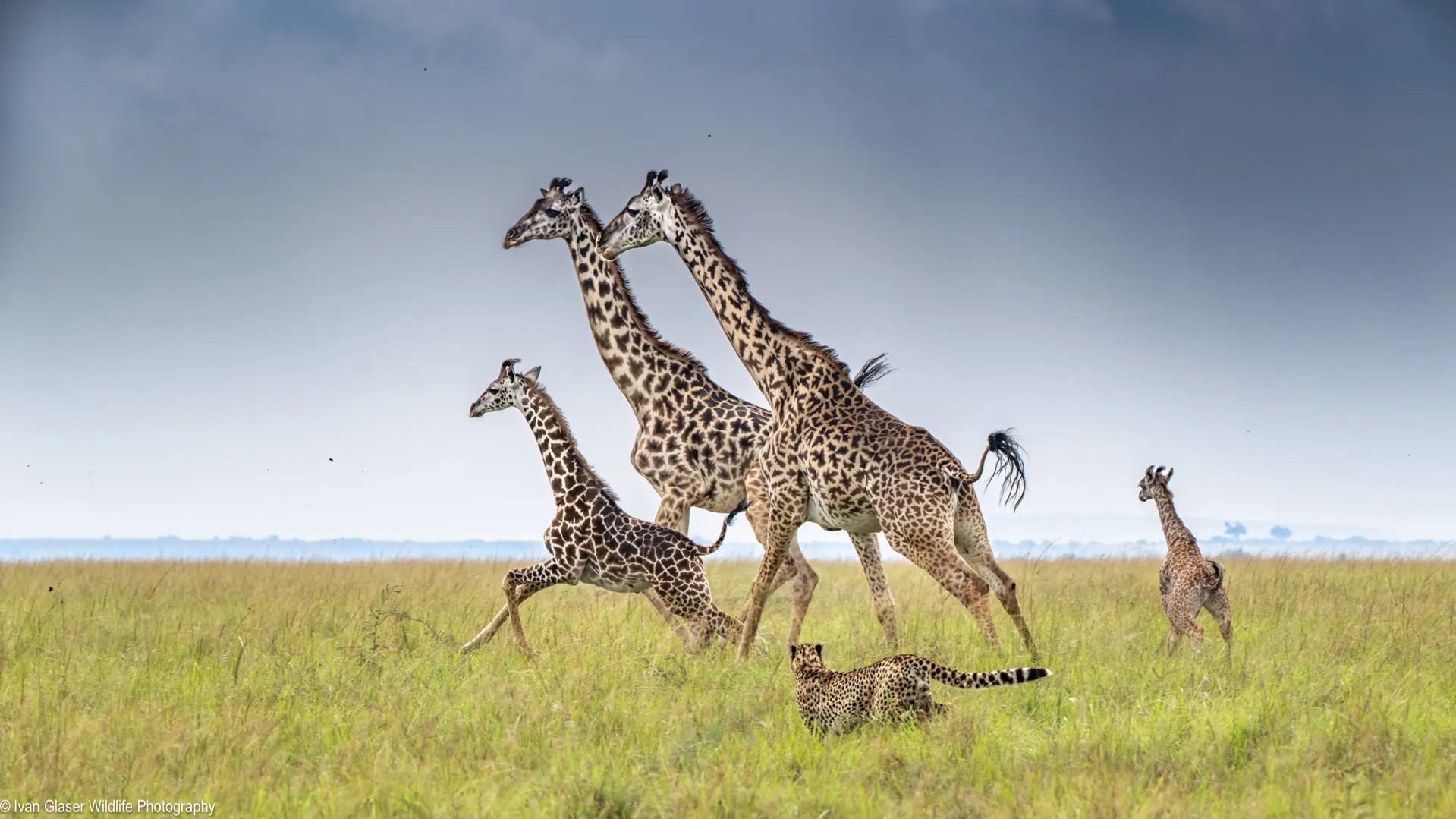
Learning these cues allows photographers to pre-focus, choose the right angle, and be ready when the decisive moment arrives. This anticipation is particularly valuable during the golden hours when light is at its most flattering and animals tend to be active. In the Masai Mara, for instance, the great wildebeest migration offers countless opportunities to capture dramatic crossings if one has studied the animals’ patterns.
Guides play an important role here. A tracker who knows the local leopards can often position the vehicle so that the cat’s descent from a tree aligns perfectly with the rising sun. Cultivating a collaborative relationship with your guide turns each game drive into a masterclass in fieldcraft.
Patience is the silent partner in every outstanding wildlife photograph; the animal will eventually offer the gesture or glance that makes the image unforgettable.
Choosing the Right Angle for Drama and Depth
The angle from which a photograph is taken dramatically affects its emotional impact. Eye-level shots create intimacy and connection, making the viewer feel present in the scene. Getting low to the ground, when safe and permitted, can make a small creature appear imposing or turn a familiar subject into something fresh.
In open savannah landscapes, shooting slightly upwards against a dramatic sky adds grandeur. Conversely, a high vantage point from a rocky outcrop can reveal patterns of movement across a plain that would be invisible at eye level. Each choice tells a different story.
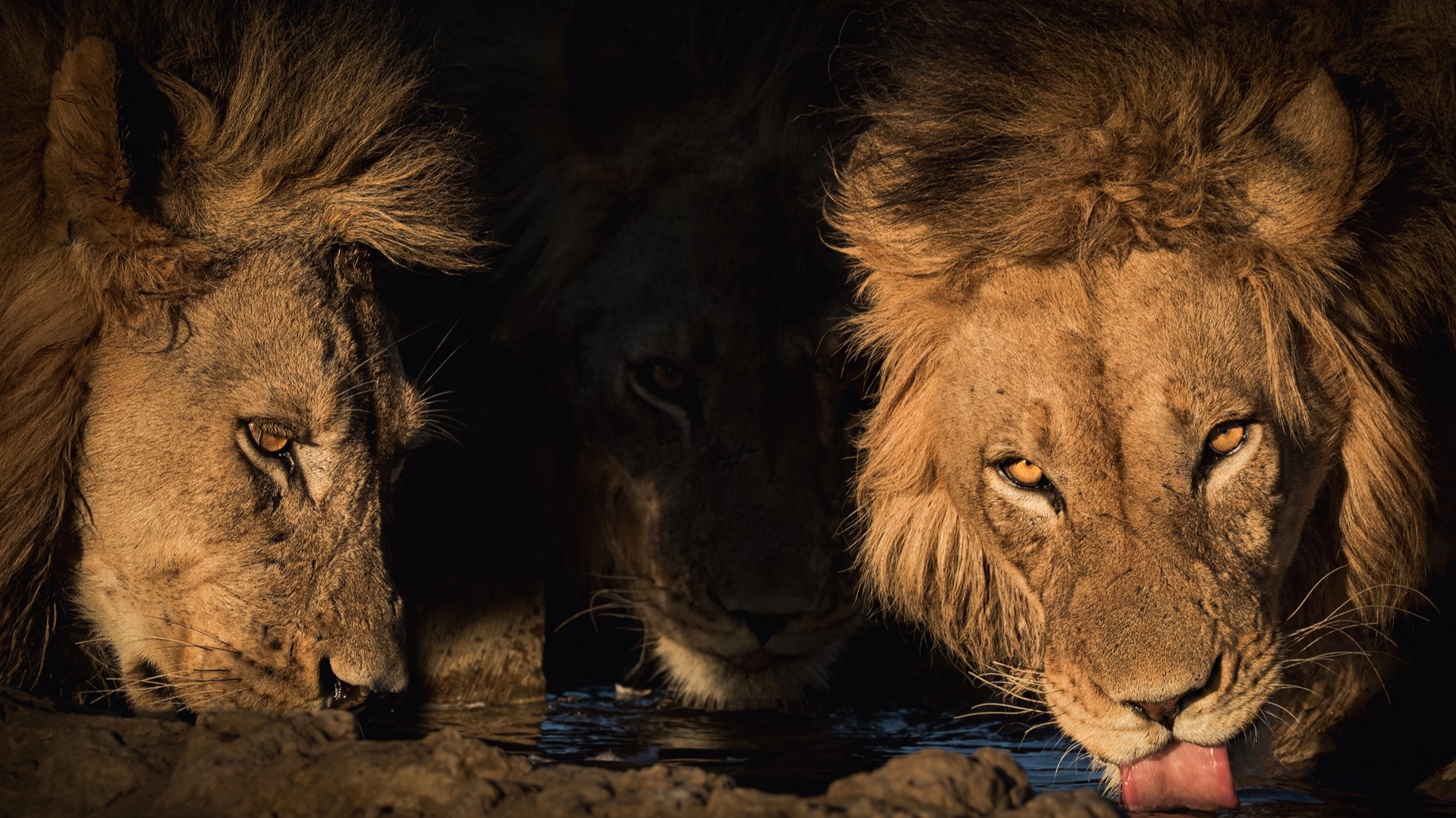
During boat safaris along the Chobe River Front, photographers discover that water-level angles produce particularly compelling images of drinking elephants or basking hippos. The reflection adds symmetry and a sense of calm that contrasts with the power of the animals themselves. Similarly, in the woodlands of Laikipia, shooting through foliage can create natural frames that add depth and mystery.
Low Angles for Intimacy
Photographing from a low position brings the viewer into the animal’s world. A ground-level perspective on a pack of wild dogs running at full stretch conveys speed and urgency far more effectively than a shot taken from a standing position. Many private concessions allow vehicles to drive off-track, providing opportunities for these lower angles that national parks often prohibit.
The challenge lies in maintaining stability and ensuring the background remains clean. A slight rise in the terrain or a termite mound can serve as a natural support for the camera. The reward is an image that feels immediate and alive.
High Angles for Context and Pattern
Elevated positions excel at showing scale and landscape context. From a hilltop in Volcanoes National Park, one can capture the sweep of misty rainforest with a gorilla family moving through the undergrowth. The image tells a story of habitat as well as subject.
In the salt pans of Makgadikgadi Salt Pans, aerial perspectives reveal the abstract patterns formed by zebra herds against the white earth. While true aerial photography requires special permission, even a modest rise in the terrain can offer a fresh viewpoint.
Composition Habits That Elevate Safari Photography
The Rule of Thirds and Negative Space
Placing the subject on one of the intersecting lines of an imaginary grid creates dynamic tension and visual interest. Leaving negative space in the direction an animal is looking or moving gives the image breathing room and suggests narrative. A cheetah staring intently into empty savannah on the right side of the frame invites the viewer to wonder what it has seen.
These principles become instinctive with practice. Many experienced travellers keep the grid lines visible in their viewfinders as a constant reminder until the habit is formed.
Leading Lines and Natural Frames
Branches, tracks, or even the curve of a river can act as leading lines that draw the eye toward the subject. In Okavango Delta camps, photographers often use papyrus reeds or fallen logs to frame a lion or sitatunga, adding layers to the composition.
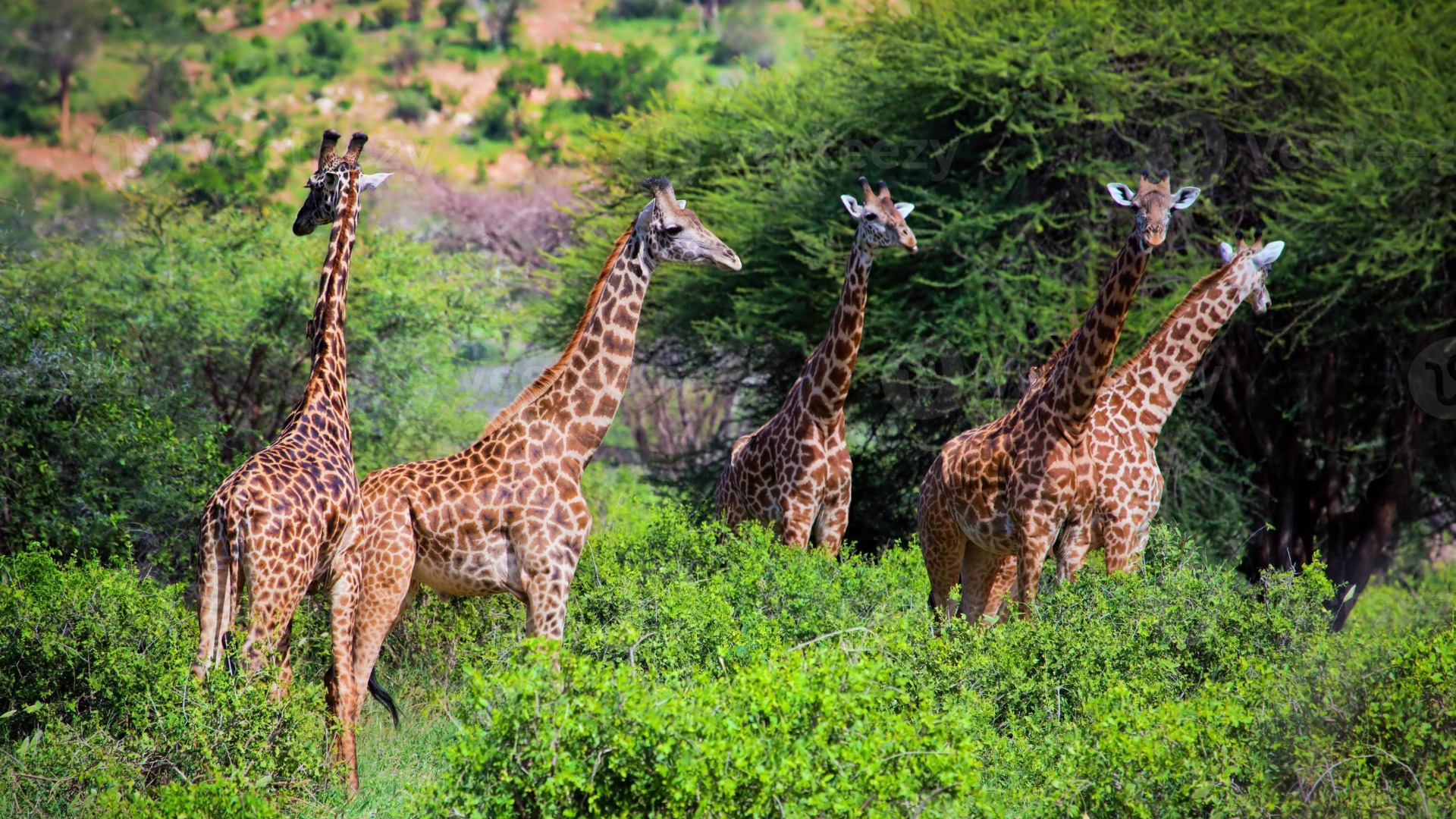
Look for opportunities where the environment itself becomes part of the storytelling. A giraffe framed between two acacia trees gains a sense of place that a tightly cropped portrait cannot convey.
Great wildlife photographs do not simply record what was seen; they invite the viewer to feel the heat of the day, hear the distant grunt of a distant herd, and sense the vastness of the African wilderness.
Working with Light: Timing and Direction
Light is the fundamental ingredient of impactful photography. The warm, low-angled light of early morning and late afternoon reveals texture in fur, feathers, and landscape. Harsh midday sun, by contrast, creates strong contrast and deep shadows that can obscure detail.
Side lighting emphasises form and creates pleasing shadows that add depth. Backlighting can produce dramatic rim light around an animal’s silhouette, especially effective with dust or mist in the air. Understanding how different directions of light affect mood allows photographers to make better decisions about when to raise the camera.
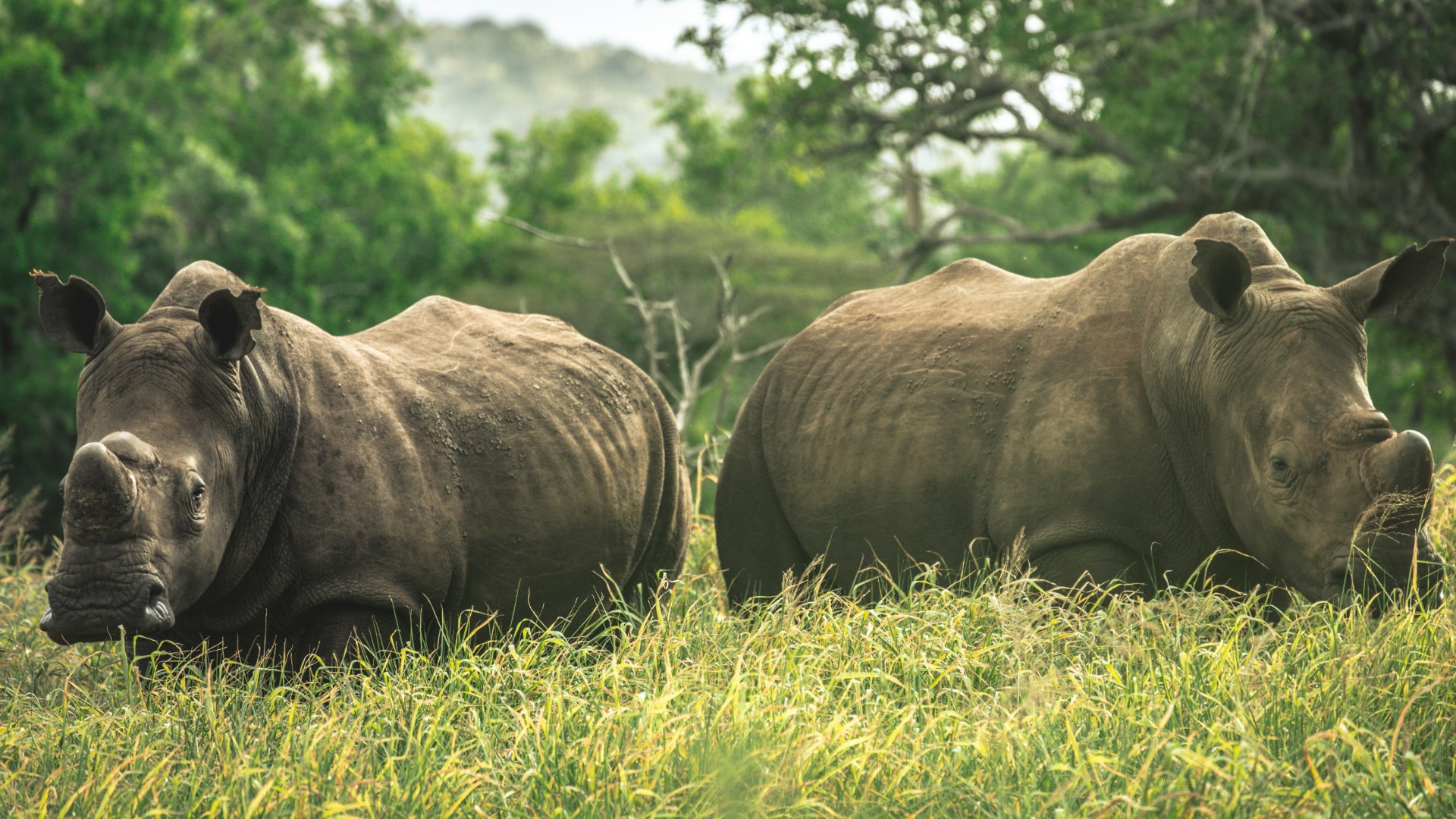
In the crater of Ngorongoro, the angle of light changes quickly as the sun rises above the rim. Photographers who arrive early can capture both the soft dawn glow on flamingos and the stronger light that reveals the texture of a black rhino’s hide later in the morning.
Common Questions About Framing Wildlife on Safari
What is the single most important habit for better wildlife photography?
Learning to watch and wait. The best images usually come after the initial excitement of a sighting has passed and the animal begins to behave naturally again. Spending twenty minutes or more with a subject often yields the gesture or interaction that makes a photograph special.
How close should I try to get to the animals?
Close enough for a compelling frame but never so close that the animal changes its behaviour. Ethical wildlife photography respects the animal’s comfort zone. A 400mm lens or longer usually allows frame-filling shots while maintaining a respectful distance. Many private reserves in South Africa offer walking safaris with experienced rangers, but photography on foot requires even greater awareness and restraint.
Should I always shoot in burst mode?
Not necessarily. While burst mode helps capture peak action, it can also fill memory cards with near-identical frames. For static or slow-moving subjects, single shots combined with careful timing often produce cleaner, more considered compositions. Reserve high-speed continuous shooting for moments of genuine action such as a predator sprint or birds in flight.
Practical Field Techniques That Make a Difference
Experienced photographers develop a mental checklist that becomes automatic. They consider the background before raising the camera, check that no twigs intrude into the frame, and ensure the horizon is level. They also pay attention to the direction the animal is facing and try to position themselves so that the eyes are sharp and catchlights are visible.
Another valuable habit is shooting both horizontal and vertical orientations. A tight vertical portrait of a giraffe against a clear sky can be as powerful as a wide horizontal image showing the full herd. Having both options increases the versatility of the final collection.
Reviewing images in the field, when time allows, helps identify recurring weaknesses in composition. Many guests staying at Chobe Chilwero Lodge, an A&K Sanctuary use the quiet hours between drives to discuss their morning photographs with fellow travellers and guides, accelerating their learning.

Respecting the Wildlife While Capturing Its Beauty
The best wildlife photographers are also the most respectful. They understand that their presence should never cause stress to the animals they wish to photograph. This means remaining quiet, avoiding sudden movements, and never encouraging a vehicle to move off designated tracks in sensitive areas.
Supporting conservation efforts adds another layer of meaning to the experience. Many of the private conservancies and community-owned lands that offer exceptional photographic opportunities channel tourism revenue directly into anti-poaching and habitat protection. By choosing responsible operators, photographers contribute to the survival of the very subjects they seek to capture.
Encounters Africa works exclusively with partners who share this ethos, ensuring that every safari supports the long-term health of the ecosystems visitors come to admire.
Turning Observation into Enduring Images
The habits and techniques outlined here are not secrets reserved for professionals. Any traveller willing to slow down, observe carefully, and think about composition can dramatically improve their wildlife photography. The African landscape and its remarkable inhabitants provide an endless classroom for those who approach it with patience and respect.
Whether you are framing a tiny kingfisher against the vastness of the Okavango Delta or capturing the tender interaction between a lioness and her cubs in the Masai Mara, the principles remain the same. See first, then shoot. Let the animal’s behaviour and the surrounding environment dictate the frame rather than forcing a preconceived idea onto the scene.
For discerning travellers seeking a private safari beyond our set itineraries, we invite you to contact us directly. We specialise in designing exceptional, tailor-made journeys for individuals, couples, families, and private groups of up to eight guests. Drawing on our handpicked network of distinguished camps and lodges, we curate every detail with precision and care, creating a seamless, deeply personal safari experience shaped entirely around your preferences, pace, and budget.
Begin your photographic journey where the light is pure, the wildlife is abundant, and every sighting carries the potential for a frame that will move you for years to come. Visit our enquiry form and let Encounters Africa help you craft a safari that elevates both your experience and your image library.
More like this
Photography
How Fishermen and Fula Herders Quietly Shape Photography in Western Africa
photography
How Low-Level Lion Photography Delivers Intimate Portraits on African Safaris
Photography
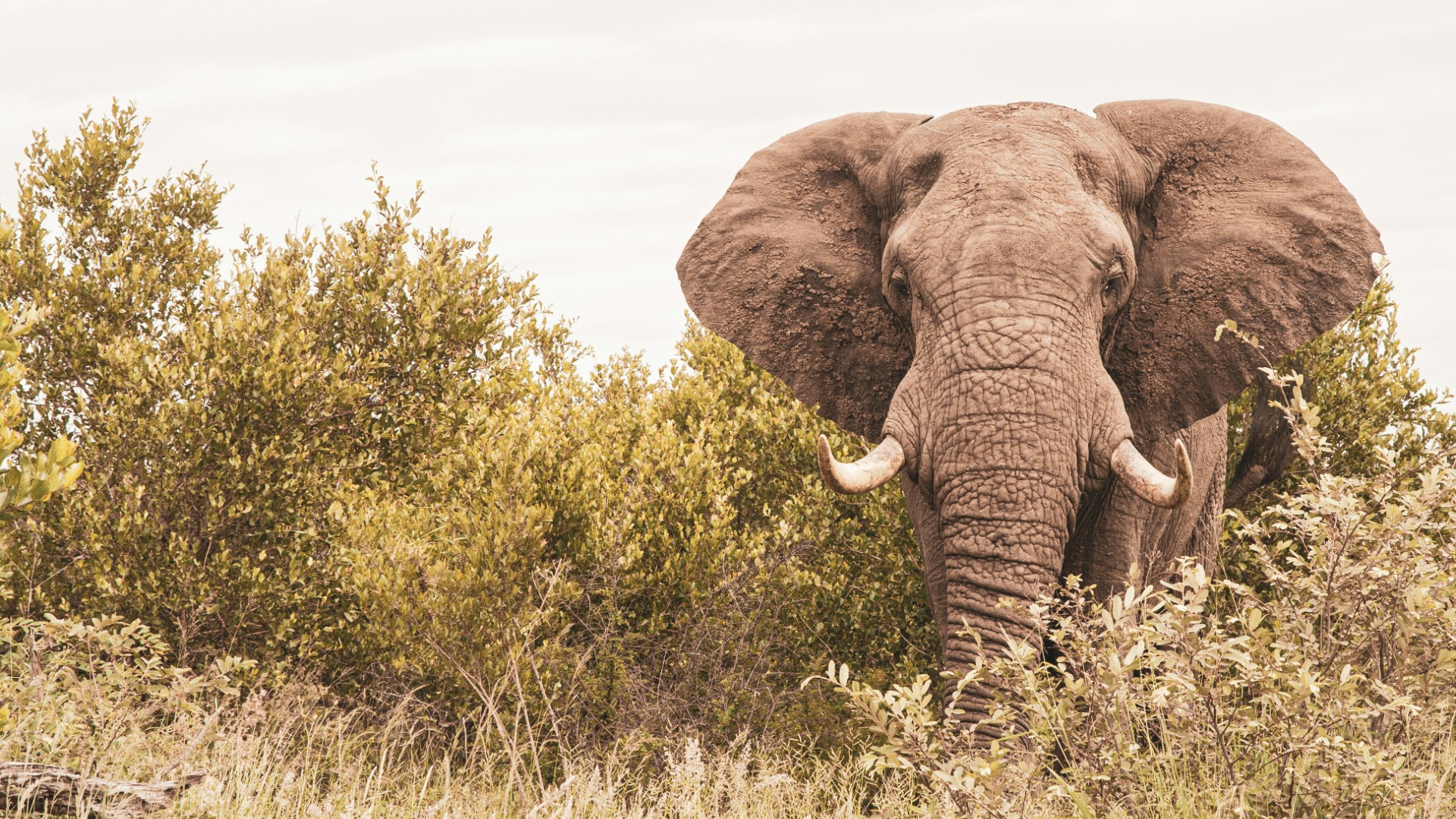
How Photographers Directly Support Anti-Poaching Work Across Kenyan Reserves
Photography
How the Kalahari's Light Teaches Photographers to See Differently
Photography
How the Mara’s Light and Movement Reshape Photography Decisions in Real Time
Photography