Photography
How the Mara’s Light and Movement Reshape Photography Decisions in Real Time
Encounters Africa - 10 min read
Updated on 29 June 2026
The Maasai Mara photographic opportunity reveals itself not through checklists but through the subtle interplay of light sweeping across endless grasslands and the unpredictable rhythms of vast herds. This Kenyan reserve, spanning roughly 1,500 square kilometres, offers one of Africa's most dynamic stages for wildlife photography, where decisions must adapt instantly to shifting conditions. A single cloud bank or sudden herd movement can transform an ordinary frame into something memorable, demanding that photographers remain alert to the landscape's cues rather than relying solely on technical settings.
Understanding how the Mara's light and movement reshape photography decisions in real time separates predictable images from those that tell deeper stories. The reserve's equatorial position creates predictable yet ever-variable patterns of illumination, while its resident and migratory wildlife respond to seasonal cues that influence every composition. For those travelling with Encounters Africa, these elements become the foundation of truly distinctive safari photography experiences.
The Mara's Distinctive Light Patterns
From the soft rose hues of pre-dawn to the harsh, high-contrast glare of midday, the Maasai Mara offers a masterclass in equatorial light behaviour. The sun rises and sets with remarkable consistency throughout the year, yet atmospheric conditions create dramatic variations. Early morning mist often lingers in the valleys until around 8am, diffusing light beautifully for intimate portraits, while afternoon thunderstorms during the wet season (November to May) can produce striking backlit scenes against dark skies.
Golden hour in the Mara typically spans from 6:15am to 7:15am and 5:45pm to 6:45pm, though these windows shift slightly with the seasons. What makes photography in the Maasai Mara particularly rewarding is how the light interacts with the red-oat grass and acacia trees, casting long shadows that emphasise scale and texture. Photographers quickly learn that the warm, golden tones of late afternoon often yield the most evocative environmental portraits, especially when capturing lone animals silhouetted against vast plains.
The light here does not simply illuminate subjects; it sculpts them, revealing textures in lion manes or the delicate patterns of zebra stripes that midday sun would flatten entirely.
Seasonal Variations in Illumination
The short rains from November to December and long rains from March to May transform the landscape's reflective qualities. Fresh green growth softens harsh light, while the dry season from June to October brings dust that creates ethereal god rays during sunrise and sunset. June and July, coinciding with the wildebeest migration's arrival, often feature clear skies that intensify the contrast between animals and their surroundings.
Experienced guides from camps like Angama Mara help photographers anticipate these shifts, positioning vehicles to take advantage of specific light angles. The elevation of the Mara (approximately 1,500 to 2,000 metres above sea level) means temperatures drop noticeably at dawn and dusk, often creating atmospheric conditions ideal for capturing breath or steam from animals in the cool morning air.
Anticipating Animal Movement and Behaviour
Successful photography in the Maasai Mara hinges on understanding how animals interact with their environment throughout the day. The famous wildebeest crossings of the Mara River typically occur between 7am and 10am, though this varies with water levels and predator activity. Positioning yourself on the northern bank during these moments offers the most dramatic angles, especially when the light catches the spray from thousands of hooves hitting the water.
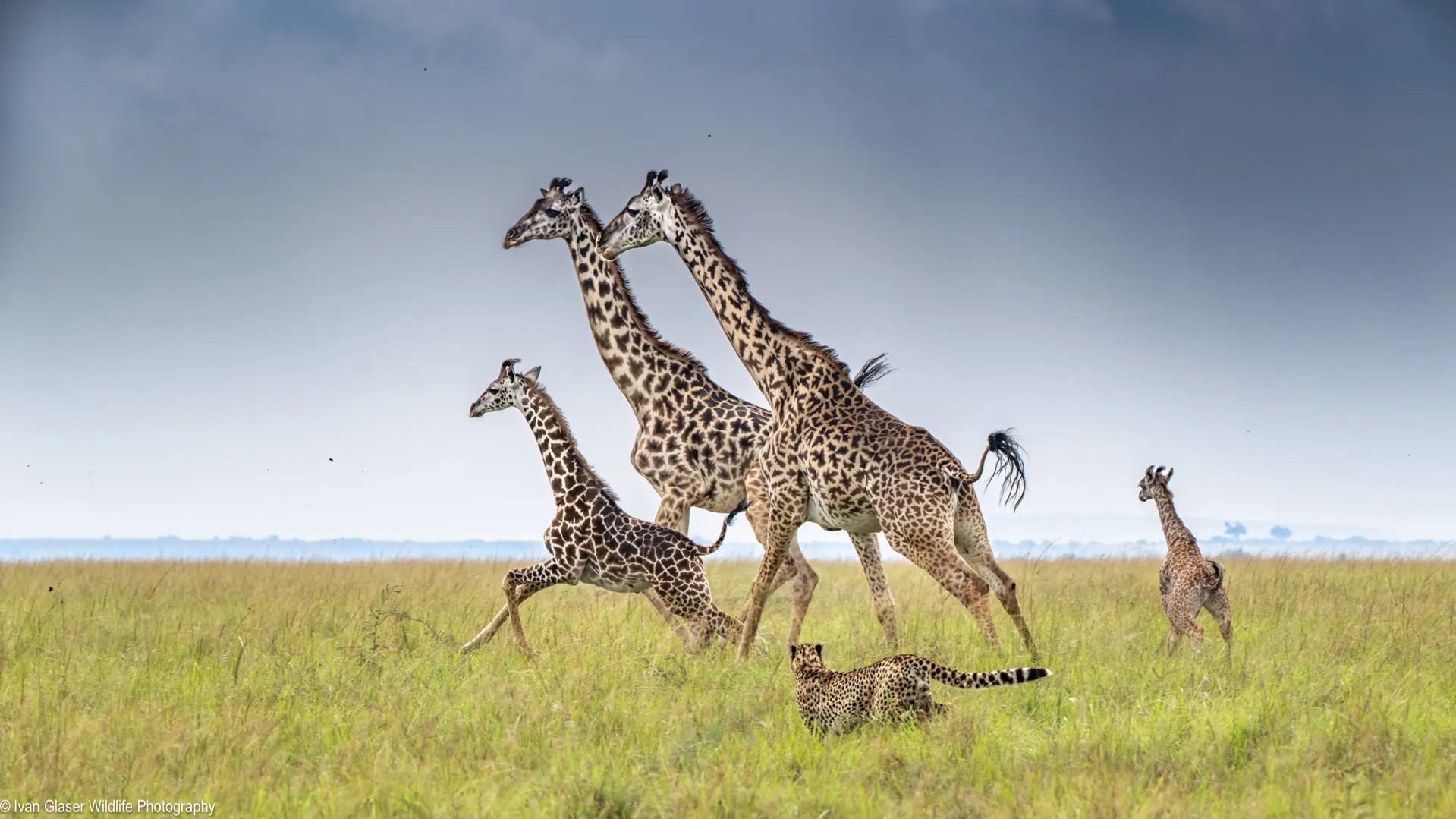
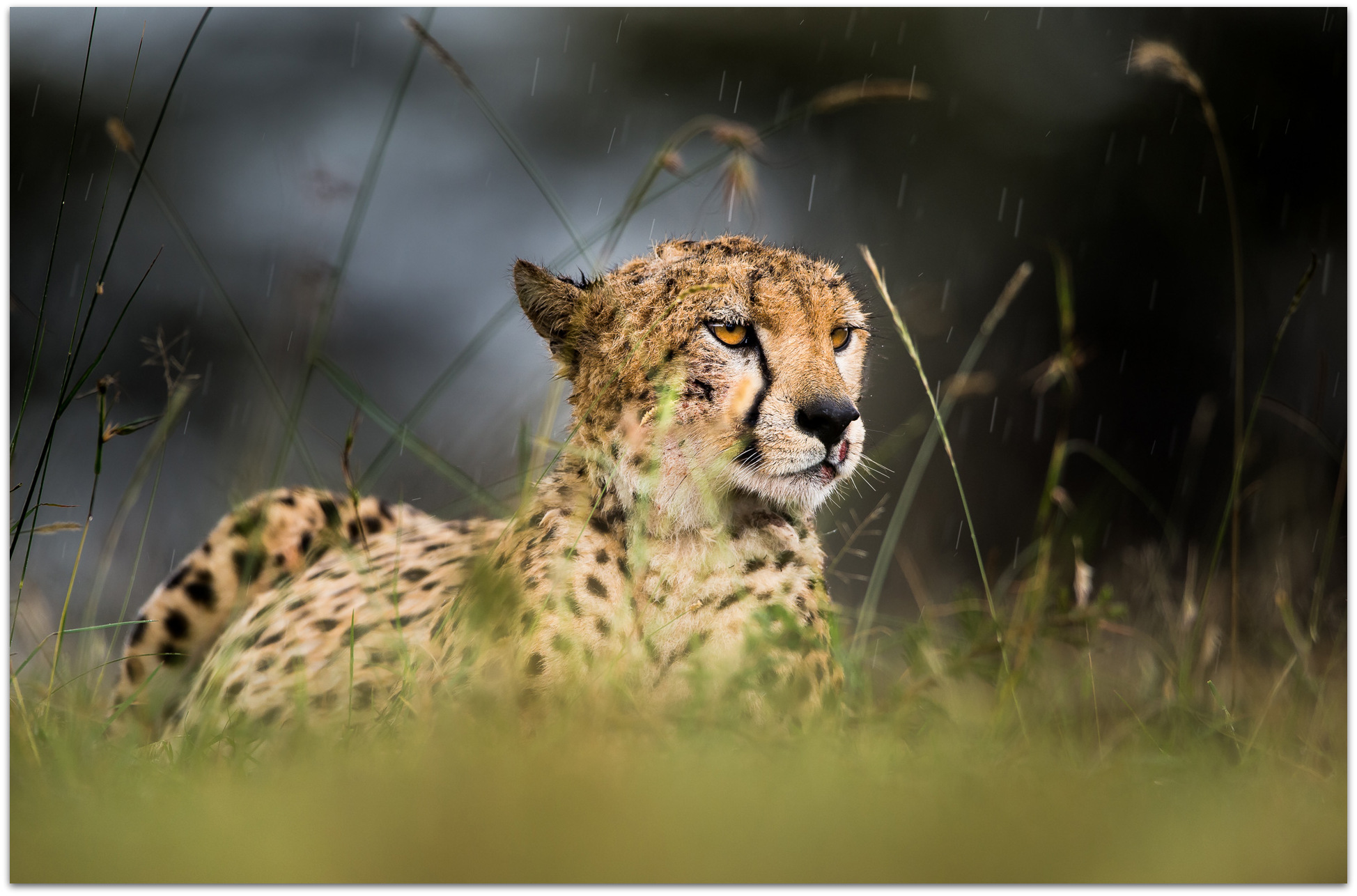
Lion prides follow predictable hunting patterns, with peak activity occurring around dawn and dusk. A pride of eight to twelve lions might cover several kilometres in a single morning, requiring photographers to track their movement while considering how the changing angle of light will affect fur texture and eye highlights. Cheetahs, being diurnal hunters, offer extended opportunities throughout the day, particularly in the open plains of the Musiara area where visibility extends for kilometres.
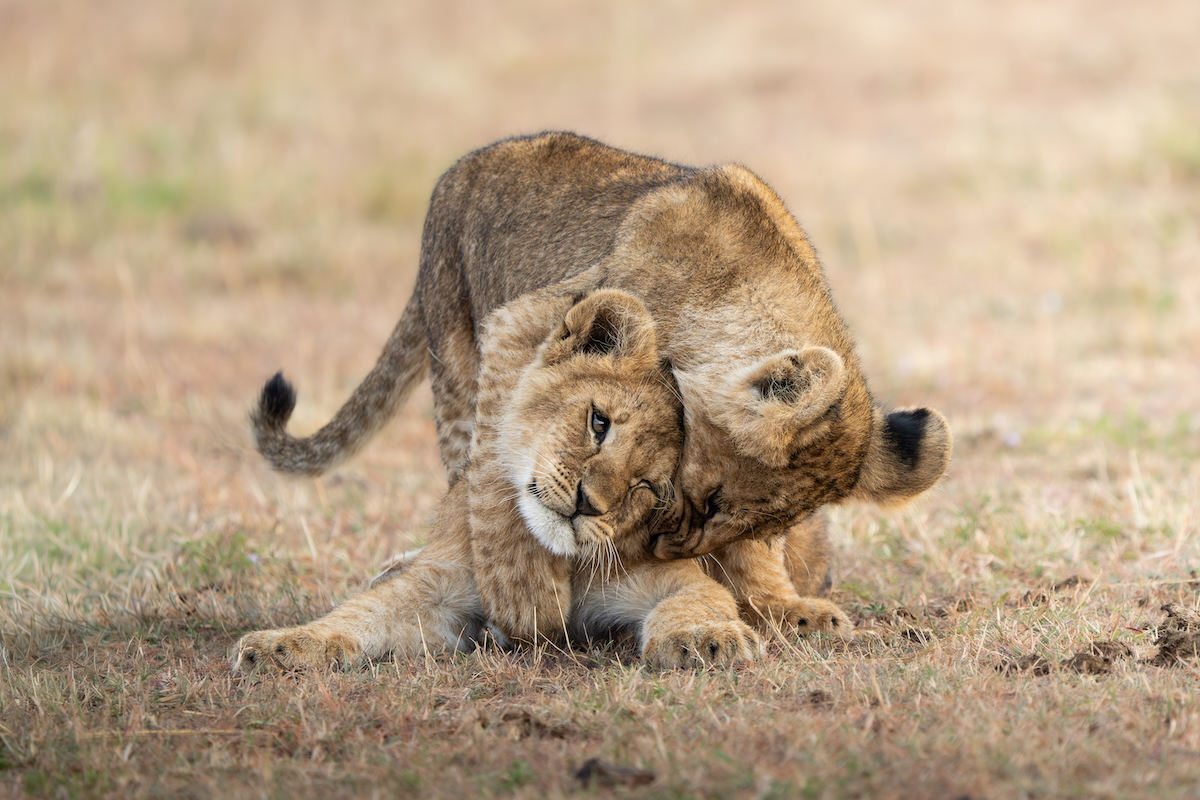
Great wildlife photography emerges not from waiting for animals to enter the frame, but from recognising the signs that suggest where and when they might appear next.
Reading Herd Dynamics
The massive herds during the annual migration, which sees approximately 1.5 million wildebeest and 200,000 zebras move through the ecosystem between July and October, create constantly evolving compositions. Understanding the hierarchy within these groups helps predict which individuals might break away or lead a river crossing. Similarly, elephant family units display clear leadership patterns, with matriarchs determining movement that can be anticipated from a distance.
Our guides at Encounters Africa emphasise the importance of learning these behavioural rhythms rather than simply reacting to sudden movements. This knowledge allows for more deliberate composition choices, whether capturing the tender moment of a mother zebra nuzzling her foal or the explosive energy of a territorial dispute between male topi.
Technical Considerations for Dynamic Conditions
The combination of fast-moving subjects and variable light in the Maasai Mara requires specific equipment approaches. Most professional wildlife photographers recommend carrying both a 400mm f/2.8 or 500mm f/4 prime lens for distant subjects and a 100-400mm or 200-500mm zoom for more flexible framing. A second body with a 70-200mm lens proves invaluable for capturing tighter environmental portraits when animals approach vehicles.
Shutter speeds of at least 1/1000th of a second are essential for freezing action during river crossings, while lower speeds around 1/60th can create beautiful motion blur when panning with running animals. The ISO capabilities of modern mirrorless cameras have revolutionised low-light photography here, allowing clean images even at ISO 6400 during the soft light of dawn and dusk.
Adapting to Dust and Heat
The fine red dust that characterises the dry season can quickly coat equipment, making lens changes risky. Many photographers keep their primary telephoto lens mounted throughout game drives, using teleconverters when additional reach is needed. Heat haze becomes a significant factor after 10am, particularly in the lower areas near the river, forcing earlier starts and strategic positioning to keep subjects between the camera and the sun during midday hours.
Weather-sealed bodies and lenses are practically essential, given the sudden downpours that can occur even during the dry season. Protective filters help manage both dust and the intense equatorial sunlight that can create unwanted flare in otherwise perfect compositions.
Developing a Personal Photographic Approach
Beyond technical excellence, the most compelling Maasai Mara photographic opportunities emerge when photographers develop their own visual language. Some focus on intimate behavioural moments, while others emphasise the vastness of the landscape and the relative smallness of individual animals within it. The key lies in moving beyond the obvious shots to find unique perspectives that reflect personal vision.
Working with experienced photographic guides allows for more intentional image-making. Rather than racing between sightings, these specialists help craft a narrative across multiple days, perhaps following one particular pride or returning to the same river crossing at different times to capture varying light conditions.
In the Mara, patience and preparation create space for those transcendent moments when everything aligns: the perfect light, the ideal subject position, and the photographer's readiness to capture it.
Conservation Through the Lens
Photography in the Maasai Mara carries a responsibility that extends beyond personal portfolios. Images that capture the reality of this ecosystem play a vital role in raising awareness about conservation challenges, from habitat loss to human-wildlife conflict. The reserve forms part of the larger Mara-Serengeti ecosystem, supporting one of the last great terrestrial migrations on Earth.
Many lodges in the region, including those partnered with Encounters Africa, support community initiatives that directly benefit from responsible tourism. Revenue from photographic safaris helps fund anti-poaching efforts and community development projects that reduce pressure on wildlife habitats. When photographers choose to work with operators who prioritise ethical practices, their images become part of a larger story of conservation success.
Ethical Guidelines for Responsible Photography
Respecting animal welfare remains paramount. This means maintaining appropriate distances, never encouraging off-road driving that might disturb natural behaviour, and limiting time spent with particularly sensitive subjects like cheetahs or young cubs. The best wildlife photographers understand that their presence should never compromise the animals' natural patterns.
Supporting local conservation organisations through your photographic journey creates meaningful impact. Several initiatives in the region offer opportunities to participate in citizen science projects, from contributing images to identification databases to joining monitoring programmes that track specific wildlife populations.
Planning Your Mara Photography Experience
The optimal time for photography in the Maasai Mara depends on your specific interests. For dramatic river crossings and migration action, July through September offers unparalleled opportunities, though this coincides with peak visitor numbers. Those seeking fewer vehicles and more intimate encounters might prefer January to March, when resident wildlife remains abundant and the landscapes transform with fresh growth following the short rains.
Choosing the right location within the ecosystem significantly impacts photographic possibilities. The private conservancies bordering the national reserve, such as those in the Mara North and Naboisho areas, typically allow for more flexible vehicle positioning and fewer restrictions than the central reserve. These areas often provide more exclusive access to sightings, allowing photographers the time needed to wait for perfect light conditions.
Accommodation choices also influence photographic outcomes. Properties like Sand River Masai Mara offer direct access to productive photographic areas while providing the comfort necessary after long days in the field. For those seeking a more elevated perspective, camps situated on the Oloololo Escarpment provide sweeping views that prove particularly valuable during the golden hours.
A thoughtfully planned photographic safari transforms from a simple game drive into an immersive masterclass in reading landscapes, anticipating behaviour, and responding creatively to conditions that change by the minute.
Common Questions About Photography in the Maasai Mara
What is the best time to visit the Maasai Mara for photography? The period from July to October offers the most dramatic wildlife action with the wildebeest migration, though January to March provides excellent resident wildlife viewing with fewer crowds and beautiful green landscapes. The shoulder months of June and November often combine good wildlife concentrations with manageable visitor numbers.
What camera equipment should I bring for a Maasai Mara safari? A versatile kit typically includes a 400mm or 500mm telephoto lens, a 100-400mm zoom, and a wide-angle option for landscapes and environmental portraits. Two camera bodies reduce the need for lens changes in dusty conditions, while a sturdy beanbag or gimbal head helps stabilise heavy equipment in vehicles.
Do I need previous photography experience to capture meaningful images? While technical knowledge helps, the Mara's subjects are often so cooperative that beginners can achieve striking results. Working with experienced guides and allowing enough time in the field (ideally 6-8 game drives) enables even novice photographers to develop their eye and capture authentic moments.
Capturing the Essence of the Mara
The Maasai Mara continues to challenge and reward photographers who approach it with openness and respect for its complex rhythms. By understanding how light and movement interact within this remarkable ecosystem, visitors create images that transcend mere documentation to become powerful visual stories. These photographs not only capture the beauty of individual moments but also serve as important records of an ecosystem under increasing pressure.
Whether witnessing thousands of wildebeest navigating crocodile-infested waters or observing the tender interactions within a lion pride at first light, each day in the Mara offers countless opportunities for meaningful image-making. The key lies in remaining present, adaptable, and deeply observant of the subtle cues that the landscape and its inhabitants provide.
For discerning travellers seeking a private safari beyond our set itineraries, we invite you to contact us directly. We specialise in designing exceptional, tailor-made journeys for individuals, couples, families, and private groups of up to eight guests. Drawing on our handpicked network of distinguished camps and lodges, we curate every detail with precision and care, creating a seamless, deeply personal safari experience shaped entirely around your preferences, pace, and budget.
Consider exploring our Masai Mara safari experiences or discover more about Kenya's remarkable wildlife destinations through our carefully crafted journeys. To discuss how we might design a photographic safari tailored to your vision, please visit our enquiry form and share your interests with the Encounters Africa team.
More like this
Photography
How to Master Serengeti Golden Hour Photography in Any Season
photography
How to Photograph the Towering Dunes of Sossusvlei Without Losing Scale
Photography
How Zambia's Shifting Light Transforms Ordinary Landscapes into Striking Frames
Photography
In the Delta's Shifting Light, Botswana Moments Come Alive for the Camera
Photography
Maasai Mara Photography Tips to Capture Wildlife with Precision and Respect
Photography