Photography
How Photographers Directly Support Anti-Poaching Work Across Kenyan Reserves
Encounters Africa - 10 min read
Updated on 21 July 2026
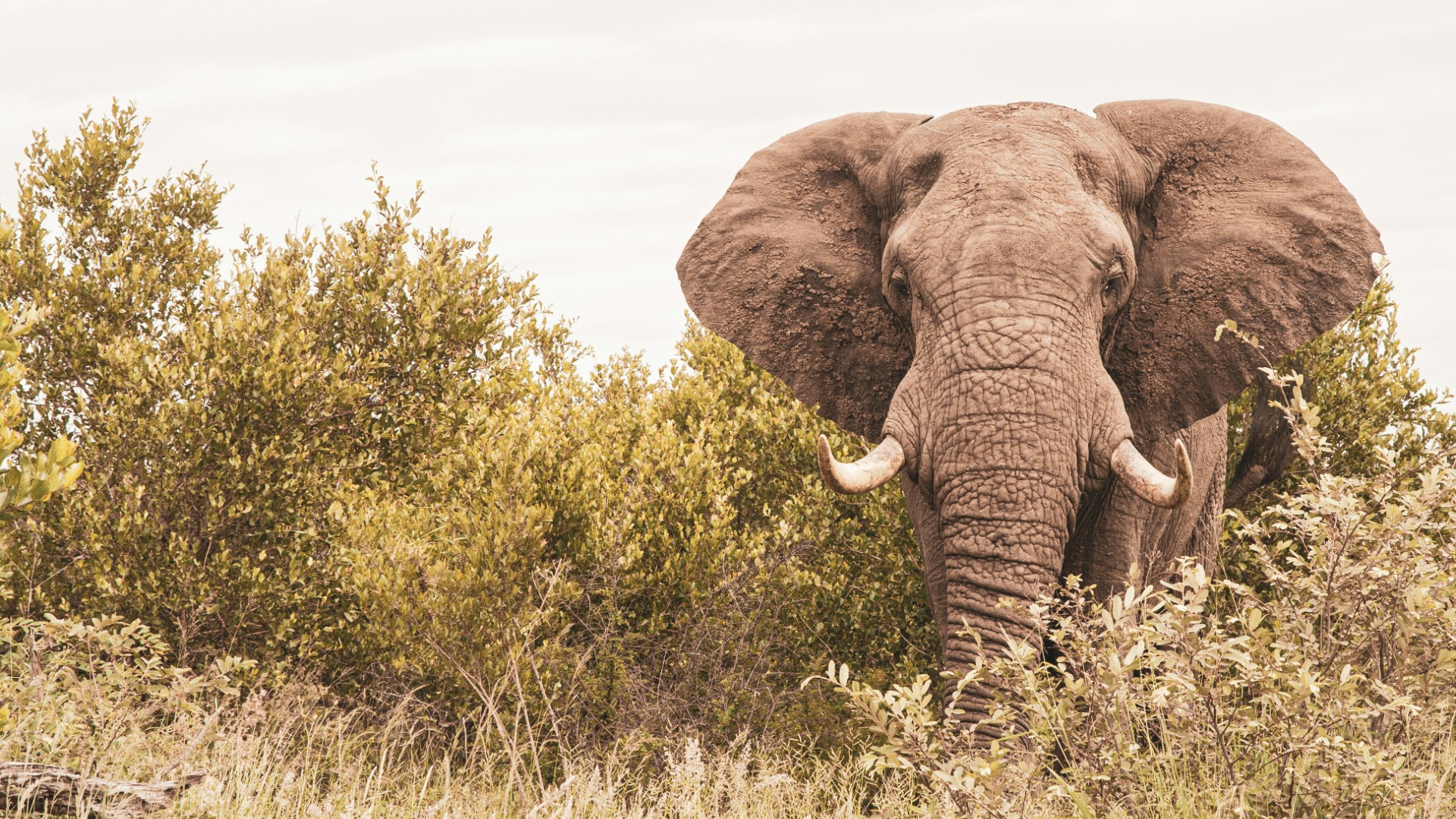
Ethical wildlife photographers in Kenya play a direct role in conservation by funding anti-poaching initiatives, supporting ranger patrols, and amplifying awareness of the delicate balance within ecosystems like the Masai Mara and Laikipia. Through carefully composed images shared with global audiences, these travellers help generate essential revenue that protects endangered species and their habitats. Encounters Africa has witnessed how a single powerful photograph can translate into tangible support for the front lines of conservation across Kenyan reserves.
The best time to visit for this purpose is during the dry seasons from June to October and January to March, when wildlife congregates around water sources, offering clearer sighting opportunities while minimising vehicle impact on the land. Photographers who choose responsible operators contribute to a model where every shutter click helps sustain the very subjects they seek to capture.
Every frame taken with respect becomes a silent ally in the fight against poaching, turning beauty into protection for Kenya's irreplaceable wildlife heritage.
The Direct Link Between Ethical Photography and Anti-Poaching Efforts
Responsible wildlife photography in Kenya channels funds straight into conservation programmes that equip and train anti-poaching units. Many premium camps and conservancies allocate a percentage of photography-focused safari fees to ranger salaries, drone surveillance, and rapid-response teams. In Laikipia, for instance, conservancies report that visitor-derived income covers up to 70 percent of annual security budgets for protecting black rhinos and reticulated giraffes.
Photographers who book with operators like Encounters Africa ensure their journeys support community-led initiatives. These include employing local scouts who monitor vast areas that national budgets alone cannot reach. The presence of visitors on guided drives also acts as a natural deterrent, making illegal activities far riskier for poachers operating in remote sectors.
Beyond direct financial contributions, the images created during these experiences fuel international campaigns that pressure governments and organisations to maintain protection levels. A single viral photograph of a collared lion or a mother elephant with her calf can generate donations exceeding thousands of pounds within days of publication.
How Revenue from Photography Safaris Reaches the Ground
At lodges such as Angama Mara, a portion of each booking supports the Mara Elephant Project's anti-poaching work, which deploys specialised teams across 1,500 square kilometres. Similar models exist in the Ol Pejeta Conservancy, where photography revenue has helped establish a 24-hour rhino monitoring programme that reduced poaching incidents by 85 percent between 2014 and 2022.
These contributions are transparent. Detailed reports shared with guests show exactly how funds purchased night-vision equipment, funded canine units, or repaired vehicles damaged during high-speed pursuits. This accountability strengthens trust between operators, photographers, and the conservation organisations they support.

Supporting Ranger Patrols Through Responsible Travel Choices
Choosing a photography-focused safari with Encounters Africa means your presence directly bolsters the teams walking kilometres each day to secure wildlife corridors. In the northern reaches of Laikipia, conservancy rangers cover up to 30 kilometres daily on foot, relying on visitor fees to maintain their equipment and wellbeing. Photography groups often join these patrols as observers, gaining unique access while providing additional eyes on the landscape.
The financial model is straightforward yet powerful. A seven-night stay at a conservancy lodge typically contributes between £400 and £800 directly to anti-poaching operations, depending on the property and season. This funding pays for everything from boot replacements to satellite communication devices that allow rapid coordination between teams spread across thousands of hectares.
Photographers who participate in these experiences often return home as passionate advocates, sharing stories that inspire others to support similar programmes. The ripple effect extends far beyond the initial booking, creating a network of informed supporters across continents.
Photography is not merely observation; when practised ethically in Kenya, it becomes an active investment in the survival of species that have no voice of their own.
What to Expect When Joining Conservation Photography Activities
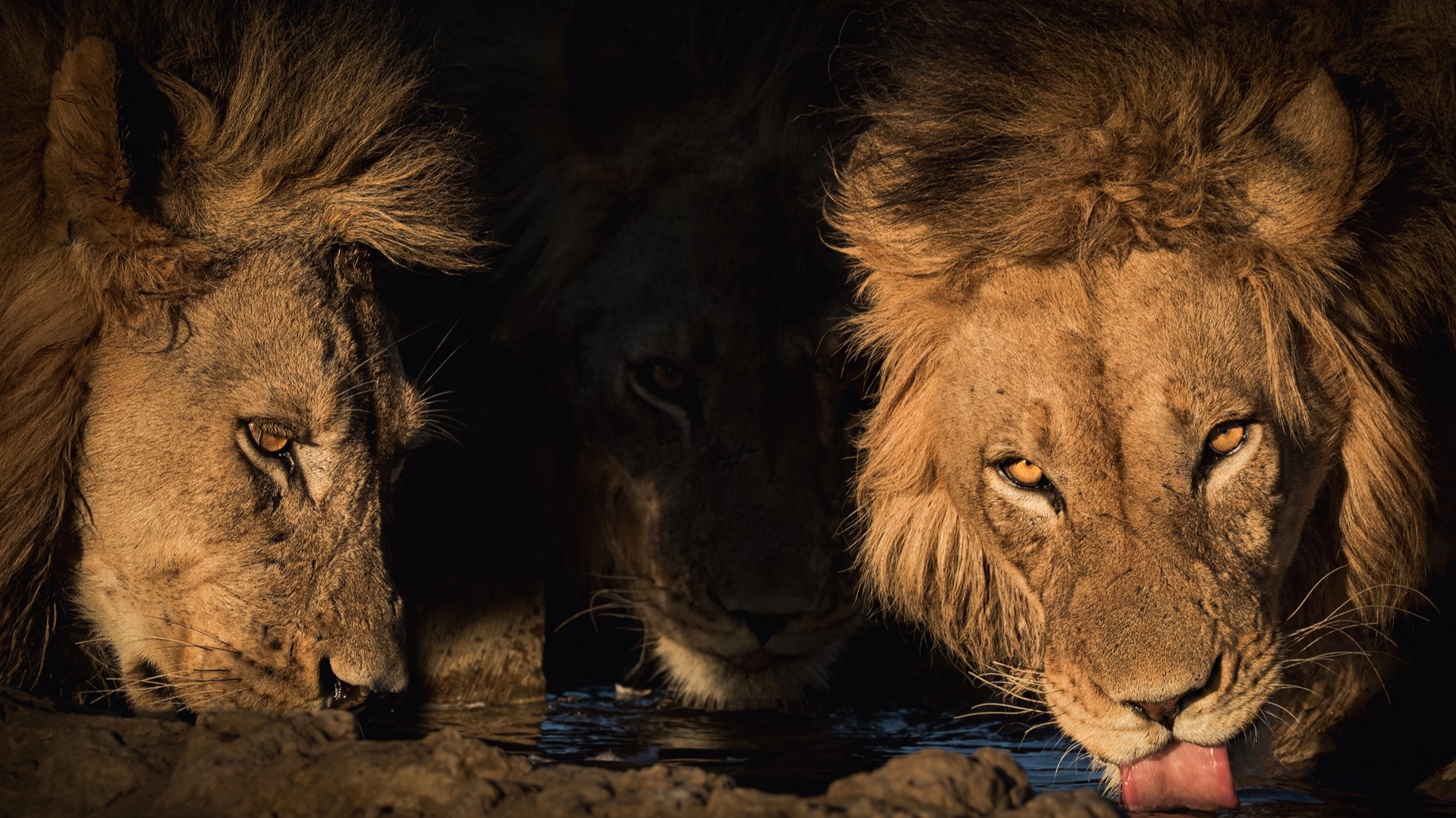
Expect early starts and patient waits rather than rapid-fire shooting. Professional guides trained in both wildlife behaviour and photographic technique will position vehicles to minimise disturbance while maximising compositional opportunities. You might spend three hours observing a pride of lions at first light, documenting their interactions as the sun climbs higher.
Many experiences include visits to ranger outposts where you can learn about tracking methods, snare removal statistics, and the challenges of balancing human-wildlife conflict. These encounters provide context that transforms your images from simple portraits into stories with genuine conservation weight.
Raising Global Awareness Through Powerful Kenyan Wildlife Imagery
Images captured in Kenyan reserves travel far beyond the immediate landscape, reaching millions through exhibitions, social media, and publications. A photograph of a Grevy's zebra against the dramatic skies of Laikipia can highlight the species' 14 percent population decline over the past three decades, prompting viewers to support protection measures.
Encounters Africa works with photographers who understand this responsibility. Rather than chasing dramatic action shots at any cost, they encourage compositions that tell complete stories, including the surrounding habitat and signs of conservation success such as healthy herds or rehabilitated landscapes.
The power of these images lies in their ability to create emotional connections. When audiences see the intricate patterns on a cheetah's face or the gentle interaction between an elephant matriarch and her calf, abstract conservation statistics transform into personal stakes worth defending.
From Lens to Legislative Change
Several international wildlife protection laws have gained momentum after compelling photographic evidence from Kenya reached decision-makers in Europe and North America. Images documenting the impact of illegal trade have supported campaigns that resulted in stricter border controls and increased funding for source-country enforcement between 2016 and 2023.
Photographers who share their work through respected platforms help maintain pressure on both illegal wildlife trade networks and the governments responsible for habitat protection. This ongoing visibility ensures that Kenyan reserves remain priorities on the global conservation agenda.
Best Practices for Ethical Wildlife Photography in Kenya
Approaching wildlife photography as a form of conservation requires specific techniques and mindset shifts. Maintain a minimum distance of 25 metres from large mammals and 50 metres from predators to avoid stressing the animals. Use longer lenses rather than encroaching physically, preserving natural behaviours that make for more authentic images.
Travel with operators who follow strict guidelines established by the Kenya Wildlife Service and conservancy associations. These include limiting vehicle numbers around sightings to three, switching off engines during observations, and never using artificial light or calls to attract subjects.
Consider the environmental impact of your equipment and movement. Choose lodges with solar power systems, participate in carbon offset programmes, and support properties that employ local photographic assistants who gain valuable skills through these partnerships.
The most meaningful photographs emerge not from pursuit but from patient presence, allowing Kenya's wildlife to reveal itself on its own terms while contributing to its continued existence.
Technical Approaches That Minimise Disturbance
Mastering available light rather than relying on flash preserves both the atmosphere and the animals' comfort. Understanding Kenya's equatorial light patterns allows photographers to capture compelling images during the gentler hours of dawn and dusk when wildlife is most active anyway.
High-resolution sensors paired with quality telephoto lenses enable detailed crop-ins during post-processing rather than close physical approaches. This technology, combined with ethical field practice, produces publishable work without compromising the subjects' wellbeing.

Case Studies: Photography Driving Conservation Success in Key Reserves
In the Masai Mara National Reserve, a photography initiative launched in 2018 has contributed over $340,000 to anti-snaring operations, resulting in the removal of more than 1,200 illegal wire traps by 2023. The programme pairs visiting photographers with local guides who share traditional tracking knowledge, creating mutual learning opportunities that strengthen community investment in conservation.
The Ol Pejeta Conservancy has seen its rhino population stabilise at 135 individuals partly due to visitor-funded security measures. Photography workshops held twice yearly raise additional funds while training participants in both technique and the broader conservation context of their images.
These examples demonstrate how targeted photography experiences create sustainable funding streams that outperform traditional donation models by offering meaningful engagement in return for support.
Measuring Real Impact on the Ground
Conservancies now track metrics that directly correlate visitor photography revenue with conservation outcomes. These include kilometres of patrol coverage, number of snares recovered, and wildlife population trends within specific management blocks. The data consistently shows positive correlation between responsible photographic tourism and ecosystem health indicators.
Community conservancies surrounding the Masai Mara have documented a 40 percent increase in wildlife numbers in areas where photography revenue supports both anti-poaching and livelihood projects since 2015. This dual benefit strengthens local support for conservation measures that might otherwise face resistance.
How to Choose a Photography Safari That Truly Contributes to Conservation
Look for operators who can demonstrate clear allocation of funds to verified anti-poaching programmes. Reputable companies like Encounters Africa provide detailed breakdowns before booking and follow up with impact reports after your journey. Verify that the camps maintain low guest densities to reduce pressure on the environment and wildlife.
Prioritise experiences that include time with conservation practitioners rather than focusing solely on photographic output. The most valuable safaris combine exceptional guiding with opportunities to understand the challenges and successes of protecting Kenya's natural heritage.
Consider joining specialised photography departures that limit group sizes to four guests, ensuring both intimate wildlife encounters and minimal environmental footprint. These smaller groups often access exclusive conservancy areas where conservation photography makes the greatest difference.
Questions to Ask Before Booking
Inquire about the specific conservancy projects your booking will support and request recent examples of how previous visitors' contributions translated into measurable outcomes. Ask whether guides receive additional training in photographic ethics and whether the operator participates in broader landscape-level conservation initiatives.
Confirm that any images you capture can be shared through channels that amplify conservation messaging rather than simply adding to personal collections. The most effective operators facilitate connections with organisations that can utilise your work for advocacy and fundraising.
Conclusion
Wildlife photography in Kenya represents far more than a personal pursuit when approached with intention and care. Each carefully considered image, each respectful encounter, and each considered booking contributes to the complex web of protection that keeps these magnificent landscapes and their inhabitants safe for future generations.
Through our deep connections with distinguished camps and conservation partners across Kenya, Encounters Africa crafts journeys that satisfy both the creative vision and the conservation conscience. Whether you seek to document the great migration's drama or capture intimate moments in Laikipia’s rugged beauty, your images can become powerful instruments of change.
For discerning travellers seeking a private safari beyond our set itineraries, we invite you to contact us directly. We specialise in designing exceptional, tailor-made journeys for individuals, couples, families, and private groups of up to eight guests. Drawing on our handpicked network of distinguished camps and lodges, we curate every detail with precision and care, creating a seamless, deeply personal safari experience shaped entirely around your preferences, pace, and budget.
Begin your own contribution to Kenyan conservation by exploring our enquiry form today. Share your photographic goals and conservation values, and allow us to design an experience where every frame advances the protection of the wildlife that moves you. Your images, and the journey behind them, await.
More like this
Photography
How the Kalahari's Light Teaches Photographers to See Differently
Photography
How the Mara’s Light and Movement Reshape Photography Decisions in Real Time
Photography
How to Master Serengeti Golden Hour Photography in Any Season
photography
How to Photograph the Towering Dunes of Sossusvlei Without Losing Scale
Photography
How Zambia's Shifting Light Transforms Ordinary Landscapes into Striking Frames
Photography