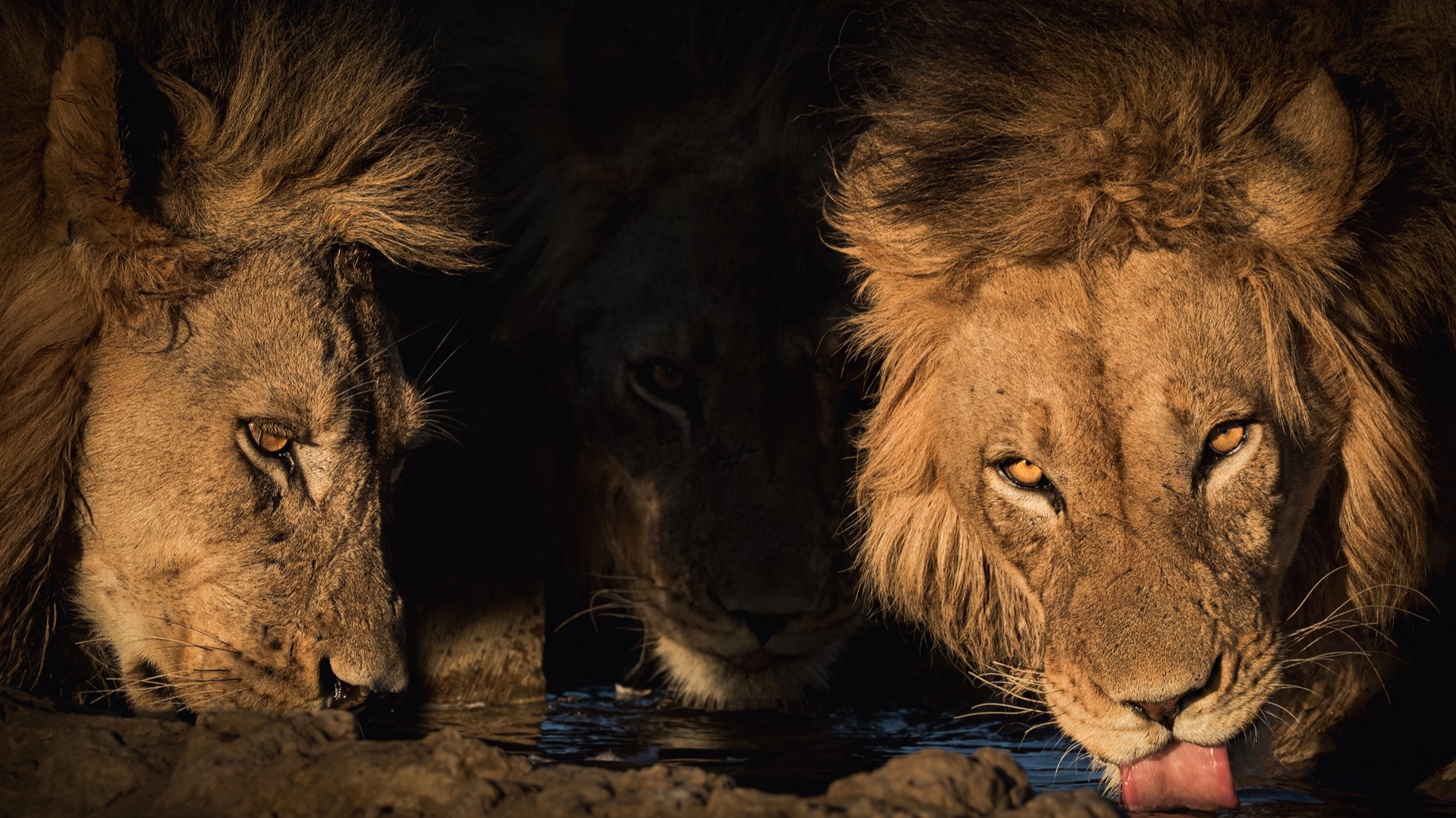
Photography
How the Kalahari's Light Teaches Photographers to See Differently
Encounters Africa - 10 min read
Updated on 29 June 2026
The golden dust of the Kalahari transforms ordinary wildlife scenes into dramatic narratives. This piece explores how understanding South Africa’s varied light conditions—from harsh midday glare to soft dawn hues—can fundamentally shift your photographic perspective and results. For those passionate about south african wildlife photography, the country offers far more than iconic sightings; it invites a deeper engagement with light itself as both subject and teacher.
Across vast arid plains, rolling grasslands and forested valleys, the interplay of sun, dust and terrain creates conditions that reward patience and observation. Whether you are framing a lone gemsbok against a fiery sunset or capturing subtle behavioural moments in dappled shade, mastering photography in south africa begins with learning to see light as an active participant rather than mere illumination.
The Kalahari's Unique Light Palette
In the red heart of the Kalahari, light behaves with an almost theatrical flair. Fine particles of sand suspended in the air scatter sunlight into rich golds, deep ambers and rose tones that wrap around every subject. This natural diffusion softens edges while intensifying colour, turning even commonplace sightings into images layered with atmosphere.
Early morning and late afternoon sessions reveal the most magical conditions. The low angle of the sun stretches shadows across the pans, creating leading lines that draw the eye naturally through the frame. Midday, often dismissed by photographers, can be harnessed for high-contrast black and white studies when the glare bounces off pale salt flats.
The Kalahari does not simply light a scene; it sculpts it, teaching us that atmosphere often matters more than the subject alone.
Experienced guides at lodges such as !Xaus Lodge understand these patterns intimately. They position vehicles to take advantage of the prevailing winds that carry dust at specific times of day, ensuring their guests capture images with depth and narrative quality rarely achieved elsewhere.
Why Light Changes Everything in South African Wildlife Photography
Many visitors arrive equipped with long telephoto lenses yet overlook how dramatically different light conditions alter the emotional impact of an image. In south african wildlife photography, the same lion at noon versus golden hour produces two entirely different visual stories—one clinical, the other resonant with drama and life.
The country’s diverse biomes amplify these effects. Harsh sunlight in the arid Karoo creates stark, graphic compositions perfect for minimalist portfolios. By contrast, the soft, filtered light beneath the canopy in forested reserves adds mystery and intimacy to primate and bird portraits.
Understanding these variations prevents disappointment and elevates technical skill into genuine artistry. Photographers who learn to read the light begin anticipating moments rather than simply reacting to them, resulting in more considered and powerful work.
Reading the Sky Before Sunrise
The most dedicated practitioners rise well before dawn, studying cloud formations and wind direction. A thin layer of high cloud can transform an otherwise ordinary sunrise into a canvas of pastel washes that complement the warm tones of antelope hides and predator coats.
At Addo Elephant National Park, the dense spekboom thickets create natural reflectors that bounce soft light onto elephants during the early hours. This allows for beautifully balanced exposures even when the sun has barely cleared the horizon.

Seasonal Considerations for Photography in South Africa
The timing of your journey significantly influences both the quality of light and the behaviour of your subjects. Winter months from May to September bring clear skies and concentrated wildlife around water sources, offering reliable opportunities from dawn until dusk.
Summer delivers dramatic storm light and vibrant green landscapes, though afternoon thunderstorms can cut sessions short. The shoulder seasons of April and October often provide the sweetest combination of moderate temperatures, good animal concentrations and varied atmospheric conditions.
Light quality in the shoulder seasons frequently rewards those willing to trade the certainty of peak season sightings for more nuanced photographic conditions.
During the green season, new vegetation softens hard edges while dust levels drop, creating a different but equally compelling aesthetic. Many serious photographers now choose to visit twice yearly to capture both the stark drama of the dry months and the lush vibrancy of the wet season.
Understanding Golden Hour Variations
The precise character of golden hour changes noticeably between regions. In the northern reaches near the Kruger National Park area, the light carries a warmer tone due to higher dust content in the atmosphere. Further south in the Cape, cooler oceanic influences produce cleaner, more silvery light during the same hours.
These regional differences mean that techniques successful in one area may need adjustment when moving to another. A photographer attuned to these subtleties can adapt their approach and exposure settings accordingly, maintaining consistent quality across diverse locations.
Essential Techniques for Capturing South African Wildlife Photography
Beyond equipment choices, developing a thoughtful approach to composition and timing separates good images from memorable ones. In photography in south africa, context often tells a more compelling story than isolated portraits.
Consider environmental portraits that show animals within their landscape rather than simply filling the frame. A springbok silhouetted against a vast Kalahari dune conveys scale and solitude more effectively than a tightly cropped headshot. Similarly, including the dramatic skies that frequently sweep across the plateau adds narrative depth.
Anticipating behaviour remains crucial. Understanding how certain species interact with light—such as meerkats using their bodies to shade their eyes while scanning for predators—allows for more authentic and dynamic captures.
Working with Dust and Movement
The fine red dust that characterises much of the interior creates both challenge and opportunity. Backlit particles can produce beautiful rim lighting effects around moving animals, particularly during vehicle or predator pursuits.
Learning to embrace rather than avoid dust in your compositions opens creative possibilities. Slow shutter speeds that capture the swirling particles around galloping zebra or wildebeest can transform action shots into impressionistic studies of movement and energy.

Choosing the Right Locations for Varied Light Conditions
Different reserves and private concessions offer distinctive light experiences that suit various photographic styles and subjects. The open plains of Kalahari National Park excel for dramatic silhouettes and dust-filled action, while the mountainous terrain of the Drakensberg provides opportunities for mist-shrouded landscapes and cultural imagery.
Private reserves bordering major national parks often allow greater flexibility in positioning vehicles for optimal light angles. Properties such as those in the Sabi Sands region permit off-road access, enabling photographers to align perfectly with the rising or setting sun relative to their subjects.
Coastal destinations introduce entirely different conditions. The soft, diffused light along the Garden Route creates ideal conditions for both marine and terrestrial subjects, with morning sea mist adding another atmospheric layer to images.
Each landscape in South Africa offers its own masterclass in light, inviting photographers to develop a more versatile and responsive visual language.
Lesser-Known Reserves Worth Exploring
While flagship destinations draw many visitors, several less crowded areas provide exceptional opportunities for distinctive imagery. The Tankwa Karoo’s otherworldly landscapes and unique light quality reward those seeking minimalist compositions and unusual geological backdrops.
In the Waterberg region, the combination of sandstone outcrops and thick vegetation creates pockets of dramatic side-lighting that can be particularly effective for big cat photography during the cooler months.
Ethical Approaches and Conservation Through the Lens
Responsible south african wildlife photography extends beyond personal satisfaction to supporting the landscapes and communities that make such experiences possible. Choosing operators committed to genuine conservation ensures that your images contribute to meaningful protection efforts.
Many lodges now participate in citizen science projects, encouraging guests to submit photographs that help monitor individual animals and population trends. Your images might assist researchers tracking specific leopards or documenting behavioural changes over seasons.
Respecting wildlife viewing guidelines remains essential. Maintaining appropriate distances, limiting time with individual animals and avoiding disruptive off-road driving preserves both the experience for future visitors and the natural behaviour that makes authentic photography possible.
Practical Advice for Photographers Visiting South Africa
Successful journeys begin with realistic expectations and thorough preparation. Research specific light conditions for your chosen destinations and seasons rather than relying on generic advice. Consider how your equipment choices align with the types of images you hope to create.
A versatile zoom lens covering 100-400mm often proves more useful than a fixed super-telephoto for many situations, particularly when working in varied terrain or needing to adjust quickly to changing light. Pairing this with a wider angle option allows for more environmental storytelling.
Protection against dust is non-negotiable. Multiple lens cloths, protective filters and careful camera handling become part of daily routine. Many experienced photographers also carry a small blower brush to deal with particles that inevitably find their way into equipment.
Common Questions About Photography in South Africa
What is the best time to visit for south african wildlife photography? The period from May to September generally offers the most consistent conditions with clear skies, excellent wildlife concentrations around water sources, and dramatic morning and evening light. However, October and April can provide beautiful transitional light and fewer visitors.
Do I need specialist photography vehicles? While not essential, vehicles with beanbags or mounting points certainly help. Many premium operators now offer dedicated photography vehicles with additional space and stability features designed specifically for those serious about their craft.
How important is post-processing for images captured in Africa? Light conditions here often require less dramatic editing than in other parts of the world. The natural colour palette tends to be rich and the contrast high, meaning subtle adjustments frequently yield the most authentic and impactful results.
Developing a More Thoughtful Photographic Practice
The true reward of photography in south africa lies not merely in the images collected but in the heightened awareness that develops through the process. Learning to read changing light conditions sharpens observation skills that extend far beyond the viewfinder.
Many returning travellers speak of how their time spent studying light and behaviour in the bush has influenced their approach to all forms of photography and even to how they observe the world in their daily lives. The patience required, the attention to subtle shifts, and the appreciation for natural rhythms become lasting gifts.
For discerning travellers seeking a private safari beyond our set itineraries, we invite you to contact us directly. We specialise in designing exceptional, tailor-made journeys for individuals, couples, families, and private groups of up to eight guests. Drawing on our handpicked network of distinguished camps and lodges, we curate every detail with precision and care, creating a seamless, deeply personal safari experience shaped entirely around your preferences, pace, and budget.
Whether you wish to focus intensively on particular species, explore specific light conditions across different ecosystems, or combine photography with other interests, Encounters Africa can craft an itinerary that meets your aspirations. Our deep understanding of both wildlife and photographic opportunities ensures that your time in the field is spent productively and enjoyably.
Begin your journey towards more meaningful imagery and memorable encounters by reaching out today. The light of South Africa awaits those ready to see differently.
More like this
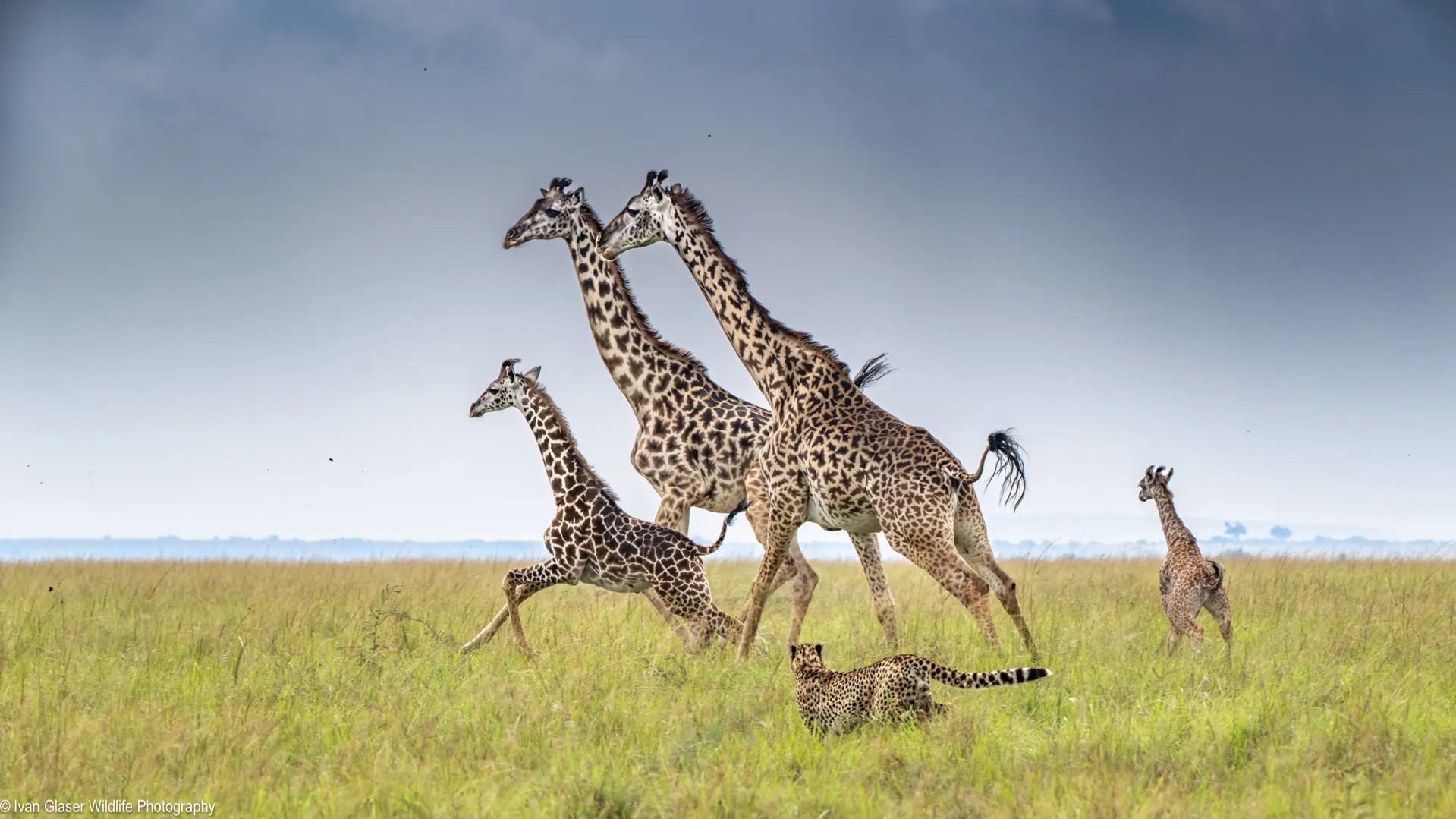
Photography
How the Mara’s Light and Movement Reshape Photography Decisions in Real Time
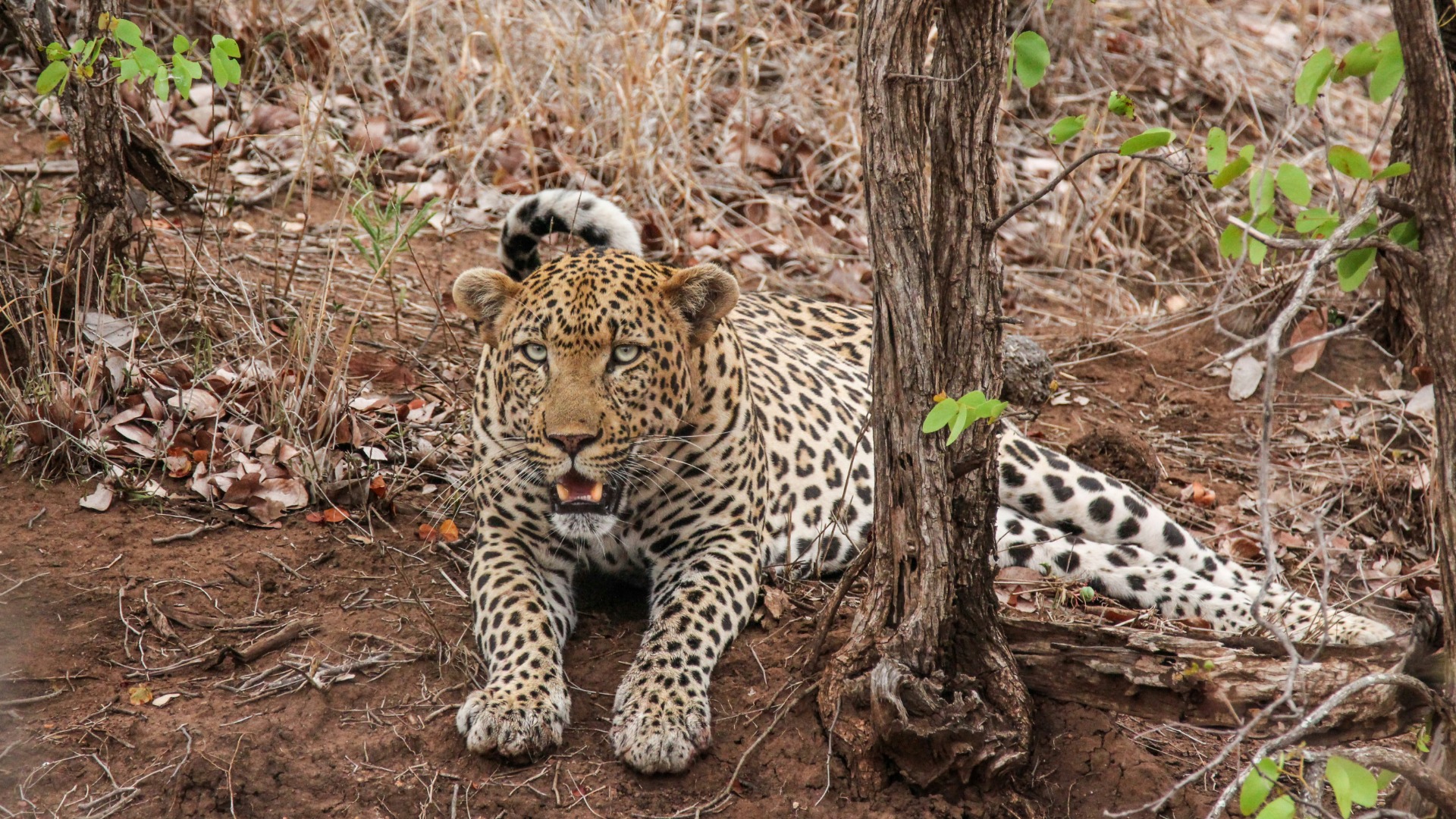
Photography
How to Master Serengeti Golden Hour Photography in Any Season
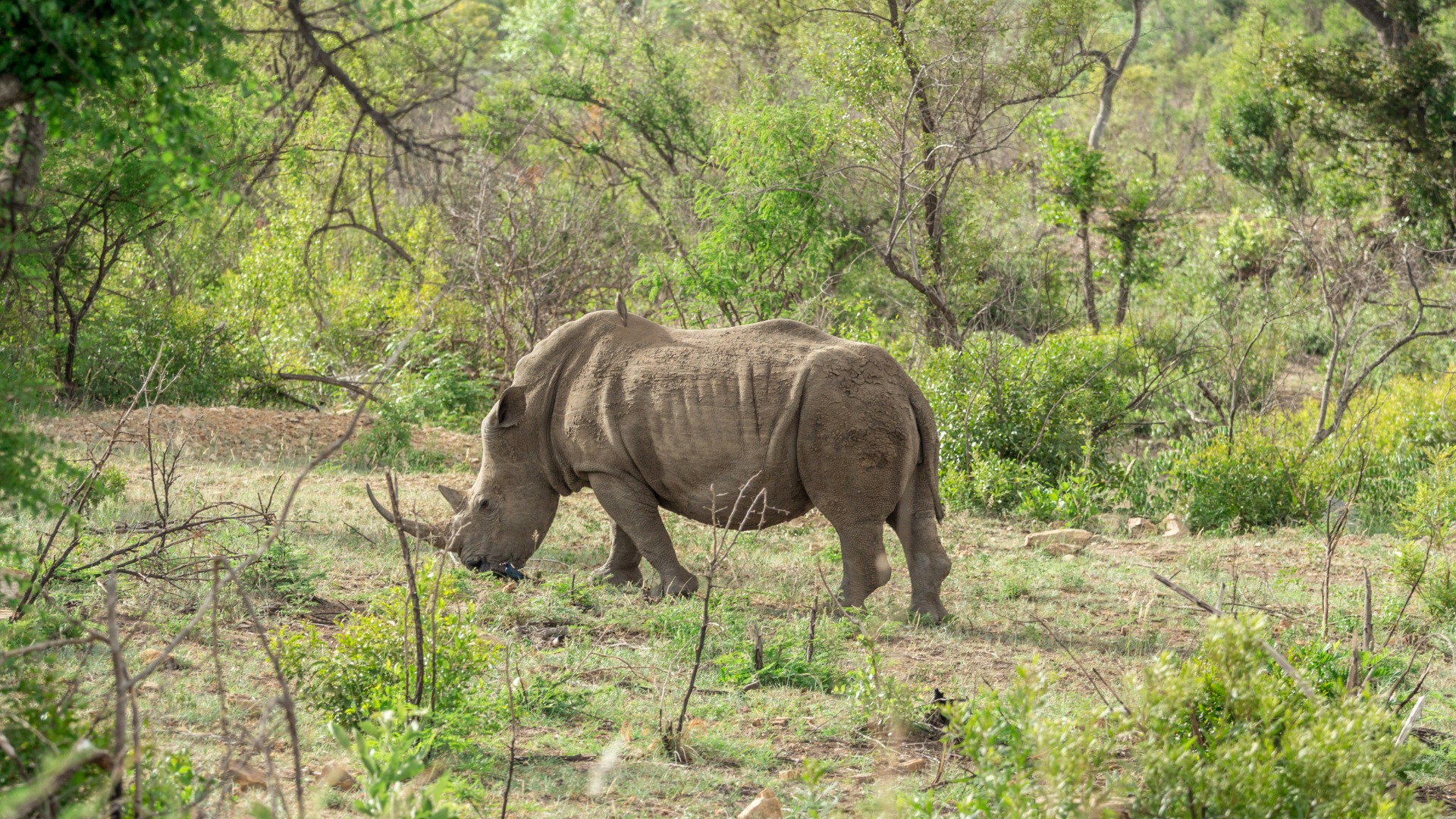
photography
How to Photograph the Towering Dunes of Sossusvlei Without Losing Scale
Photography
How Zambia's Shifting Light Transforms Ordinary Landscapes into Striking Frames
Photography
In the Delta's Shifting Light, Botswana Moments Come Alive for the Camera
Photography