Conservation
How Local Stewards and Scientists Are Reshaping Uganda's Wild Spaces
Encounters Africa - 8 min read
Updated on 17 June 2026
Ugandan conservation stands as a compelling model of how dedicated local stewards and scientists can reshape vast wild spaces across East Africa. Through collaborative anti-poaching patrols, habitat restoration projects, and community-led monitoring, these efforts protect iconic species while fostering tangible benefits for rural populations. The result is measurable progress that strengthens both biodiversity and human wellbeing in one of the continent's most species-rich nations.
Uganda shelters an astonishing array of wildlife within its varied landscapes, from the misty slopes of the Virunga volcanoes to the expansive savannahs of the east. Protecting and conserving Ugandan wildlife requires constant innovation and partnership, blending traditional knowledge with cutting-edge research. This article explores the dynamic initiatives driving these changes, revealing how everyday Ugandans are becoming the true guardians of their natural heritage.
The Foundations of Modern Ugandan Conservation
Uganda's protected areas cover approximately 14 percent of the country's land surface, encompassing ten national parks and numerous wildlife reserves. These zones safeguard critical habitats for over 500 bird species, more than 340 mammals, and countless plant varieties. Yet the real strength of Ugandan conservation lies not in boundaries on maps but in the relationships forged between people, parks, and policymakers.
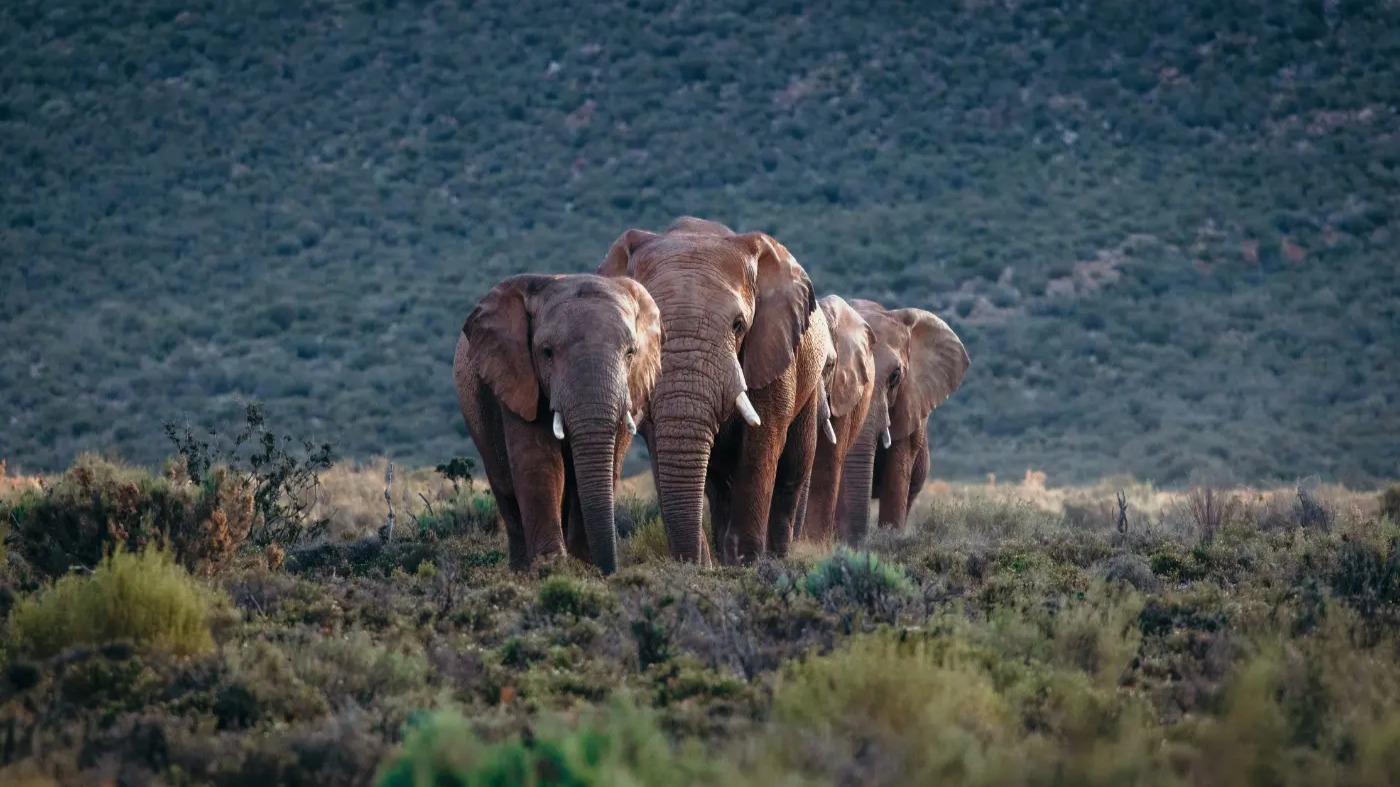
Following decades of instability that decimated wildlife populations in the 1970s and 80s, recovery began in earnest during the 1990s. Elephant numbers in Queen Elizabeth National Park, for instance, have increased from fewer than 200 individuals in the late 1980s to over 2,500 today. Such rebounds demonstrate the power of sustained commitment when local communities participate meaningfully in protection strategies.
The most effective conservation happens when the people who live alongside wildlife become its most passionate advocates.
Community Involvement as the Cornerstone
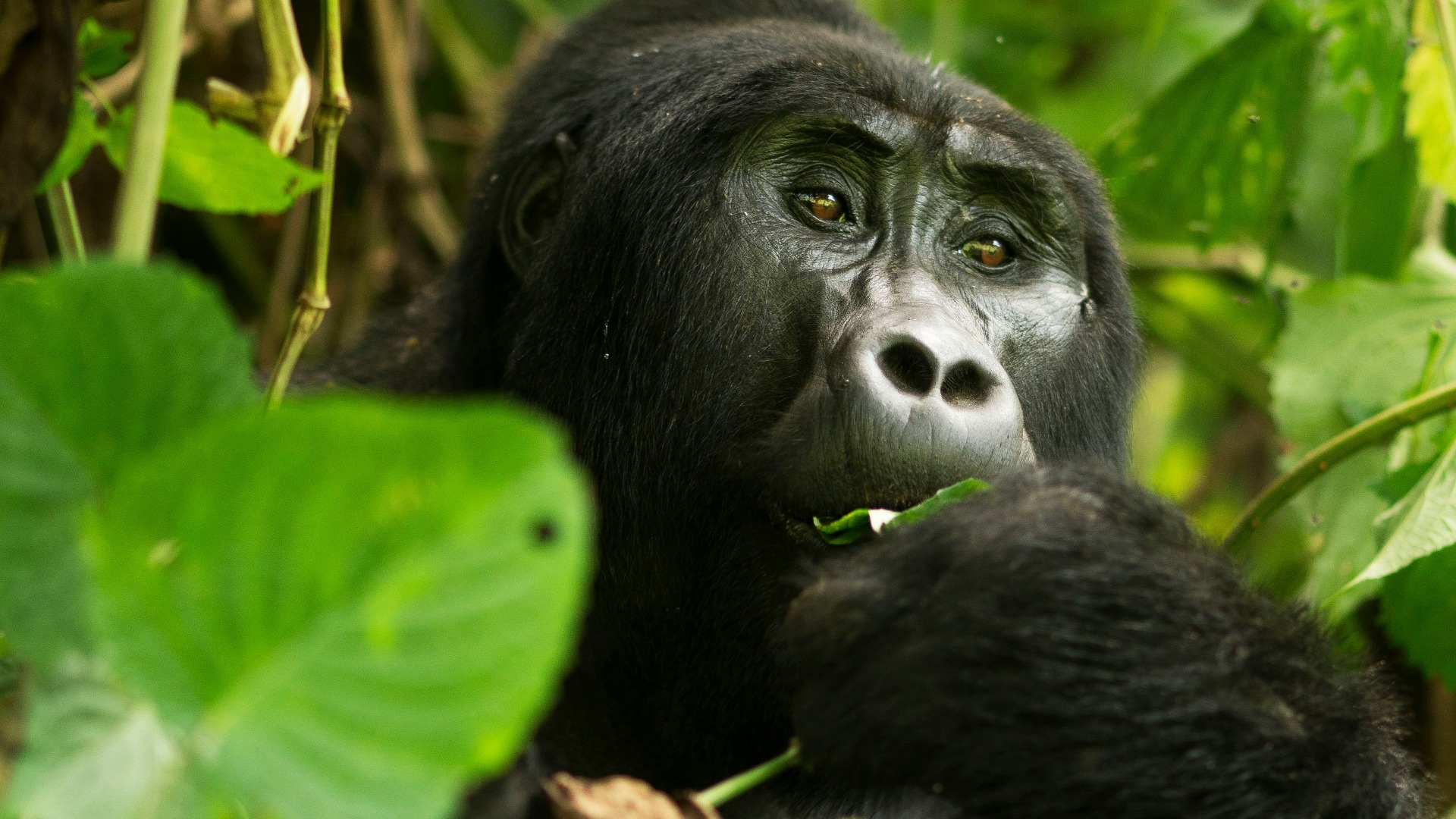
Rangers and village leaders now work side by side in many Ugandan landscapes. In areas surrounding Volcanoes National Park, former poachers have transformed into skilled trackers and guides, using their intimate knowledge of the terrain to support legitimate tourism and research. Similar transitions occur around Bwindi Impenetrable National Park, where community cooperatives manage revenue from gorilla trekking permits.
These programmes distribute significant funds directly to households. In 2023, communities adjacent to protected areas received more than $4.2 million in shared tourism revenue. This financial incentive encourages residents to report illegal activities and participate in habitat monitoring, creating a virtuous cycle that benefits both people and wildlife.

Protecting and Conserving Ugandan Wildlife Through Science and Technology
Scientists and conservationists deploy an impressive array of tools to understand and safeguard Uganda's animals. GPS collars on elephants and lions provide real-time movement data, helping managers identify conflict hotspots before problems escalate. Camera traps, numbering in the thousands across key reserves, capture elusive species and monitor population trends with remarkable precision.
Genetic research plays an increasingly vital role too. Studies of mountain gorillas have revealed important insights about their health and genetic diversity, informing careful breeding management within the small remaining populations. Similar work on chimpanzees in Uganda helps identify corridors that allow gene flow between isolated forest patches.
Technology alone cannot save species, but when placed in the hands of committed local teams it becomes a powerful ally for protecting and conserving Ugandan wildlife.
Habitat Corridors and Landscape-Level Approaches
Recognising that animals rarely respect park boundaries, Ugandan conservation increasingly focuses on creating wildlife corridors. The Greater Virunga Landscape, spanning Uganda, Rwanda and the Democratic Republic of Congo, represents one of Africa's most ambitious transboundary initiatives. Rangers from all three nations conduct joint patrols, sharing intelligence about poaching threats and coordinating responses to disease outbreaks.
Within Uganda itself, the Queen Elizabeth Conservation Area connects multiple reserves through carefully managed buffer zones. Farmers receive support to plant elephant-friendly crops along these corridors while learning techniques that reduce human-wildlife conflict. The approach has decreased crop raiding incidents by an estimated 60 percent in pilot areas since 2018.
Success Stories That Inspire Continued Action
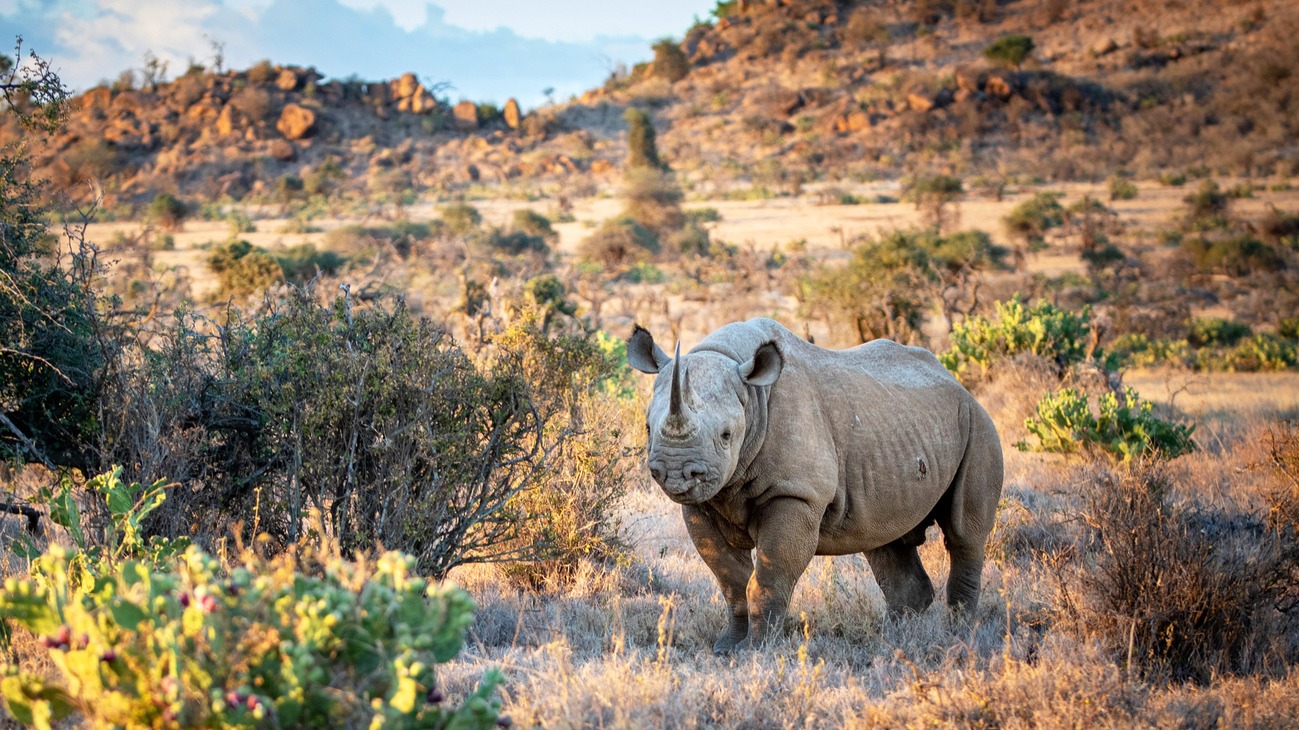
The recovery of Uganda's rhino population stands as one of the most remarkable achievements in African conservation. Extirpated from the country by 1983, white and black rhinos have been reintroduced through partnerships between the Uganda Wildlife Authority and international organisations. The population now exceeds 30 individuals, with births occurring regularly in protected sanctuaries.
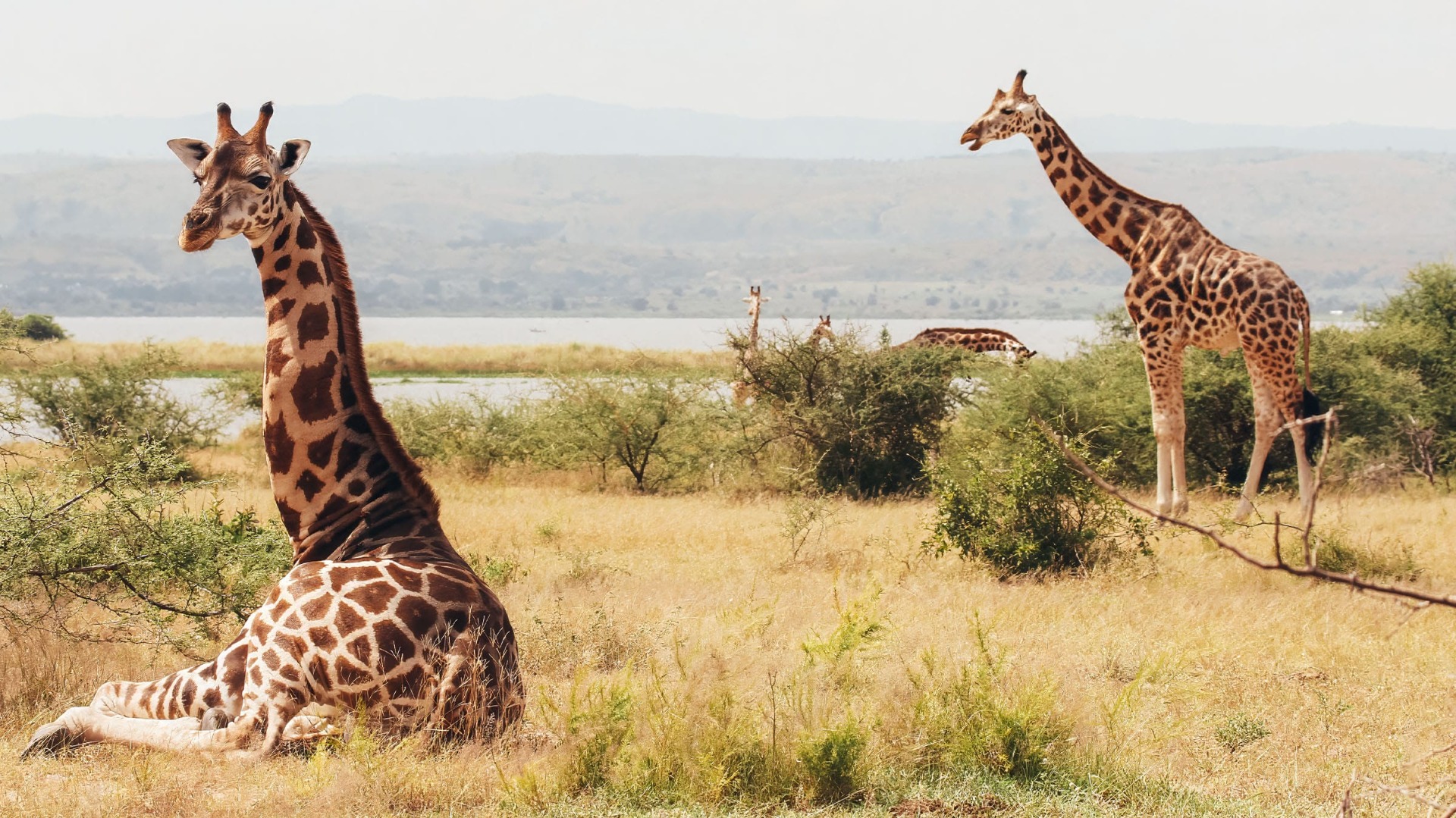
Giraffe numbers have similarly rebounded in the northern reserves. Once reduced to just 250 animals nationwide, current estimates suggest more than 2,000 individuals roam freely across protected areas and community lands. This growth stems from dedicated anti-poaching efforts and community education programmes that celebrate these distinctive animals as living symbols of Ugandan heritage.
Chimpanzee Conservation and Forest Protection
Uganda hosts roughly half of the world's remaining eastern chimpanzees, making its forests globally significant. Projects around Kibale National Park combine research with education outreach, training local teachers to deliver conservation lessons in village schools. Students who participate in these programmes show markedly higher rates of reporting illegal logging and snares.
Reforestation initiatives have planted more than 1.2 million indigenous trees in the past decade, creating new habitat and connecting fragmented forest patches. These efforts not only benefit primates but support the entire ecosystem, from forest elephants to hundreds of butterfly species that depend on specific host plants.
When children grow up understanding the value of their forests, they become the next generation of stewards who will carry forward the work of protecting and conserving Ugandan wildlife.
Challenges That Remain and Innovative Solutions
Despite impressive gains, Ugandan conservation faces persistent pressures. Human population growth around protected areas continues to intensify competition for resources. Climate change brings unpredictable rainfall patterns that affect both farming and wildlife movements. Poaching for bushmeat and the illegal wildlife trade still claim victims each year.
In response, innovative financing mechanisms have emerged. Conservation bonds and carbon credit schemes now generate revenue that funds ranger salaries and community projects. One pioneering programme in the Bugoma Forest has certified sustainable timber harvesting that simultaneously protects chimpanzee habitat and provides employment for over 400 local people.
The Role of Responsible Tourism
Well-managed tourism provides crucial funding for these initiatives. Revenue from gorilla permits alone contributes more than $20 million annually to conservation and community development. Visitors who choose operators committed to ethical practices directly support the rangers, researchers and community projects that make Ugandan conservation successful.
Encounters Africa works closely with lodges that prioritise both exceptional guest experiences and meaningful conservation outcomes. Properties like Bwindi Lodge and Clouds Mountain Gorilla Lodge demonstrate how high-end accommodation can channel resources into local conservation while offering travellers profound encounters with Uganda's wildlife.
What This Means for Travellers Seeking Authentic Experiences
Travellers interested in understanding Ugandan conservation firsthand can participate in citizen science programmes at several reserves. These initiatives allow visitors to contribute to data collection while learning directly from the scientists and community members driving the work. Such experiences create deeper appreciation than traditional game drives alone.
The most rewarding journeys combine wildlife viewing with insight into the human stories behind the landscapes. Meeting the rangers who track gorillas daily or speaking with farmers who have adapted their practices to coexist with elephants offers perspective that transforms how one sees African conservation.
True understanding comes not from simply observing wildlife but from connecting with the people whose lives intertwine with these magnificent creatures every single day.
Looking Ahead: The Future of Ugandan Conservation
The collaborative model developing across Uganda offers valuable lessons for conservation worldwide. By treating local communities as essential partners rather than obstacles, these programmes create durable support for protecting and conserving Ugandan wildlife that extends far beyond park fences. The integration of scientific research with indigenous knowledge produces solutions uniquely suited to Uganda's complex social and ecological contexts.
As climate pressures mount and human needs evolve, the adaptability shown by Ugandan conservationists will prove increasingly important. Their willingness to test new approaches, from beehive fences that deter crop-raiding elephants to smartphone applications that help rangers coordinate patrols, demonstrates a refreshing pragmatism grounded in deep care for the land.
For those considering a journey to experience these landscapes and the dedicated people protecting them, the rewards extend well beyond memorable wildlife sightings. Travellers return with renewed hope about humanity's capacity to live in balance with nature, inspired by the quiet determination of Ugandan stewards who work tirelessly to ensure that future generations can witness the same wonders.
For discerning travellers seeking a private safari beyond our set itineraries, we invite you to contact us directly. We specialise in designing exceptional, tailor-made journeys for individuals, couples, families, and private groups of up to eight guests. Drawing on our handpicked network of distinguished camps and lodges, we curate every detail with precision and care, creating a seamless, deeply personal safari experience shaped entirely around your preferences, pace, and budget.
Whether your interests lie in mountain gorillas, savannah wildlife, or understanding the human dimensions of conservation, reach out to Encounters Africa to begin crafting your Ugandan journey. Our team draws on decades of experience and close relationships with conservation partners to ensure your travels contribute meaningfully to the ongoing work of protecting and conserving Ugandan wildlife while delivering the journey of a lifetime.
More like this
Conservation
How Marine Sanctuaries in the Western Indian Ocean Shield Fragile Reef Systems
Conservation
How Rangers Maintain Anti-Poaching Patrols Through Sahara Sandstorms
conservation
How Researchers Track and Protect Africa's Wild Dogs Before They Vanish
conservation
How Revenue-Share Agreements Between Camps and Communities Secure Wildlife Corridors
Conservation
How Rwanda's Conservation Patrols Are Adapting to Rising Climate Pressures
conservation