Culture
How Tanzanian Cultural Practices Shape Daily Life Across Regions
Encounters Africa - 10 min read
Updated on 3 July 2026
Tanzanian cultural practices form the living heartbeat of a nation where over 120 ethnic groups maintain distinct traditions while contributing to a shared national identity. From the sun-baked plains of the Maasai steppe to the spice-scented shores of Zanzibar, these customs influence how families gather, how disputes are settled, and how knowledge passes between generations. This article examines how Tanzanian cultural practices shape daily life across regions, revealing a country that honours its heritage even as it embraces progress.
With more than 120 tribes speaking numerous languages, Tanzania offers one of Africa's richest tapestries of living tradition. Whether through initiation ceremonies that mark the transition to adulthood or communal dances that celebrate the harvest, these practices provide structure, meaning, and continuity. Encounters Africa travellers frequently discover that respectful engagement with local customs deepens their understanding of this remarkable land far beyond wildlife encounters alone.
The Role of Tanzanian Cultural Practices in Modern Society
Far from relics of the past, Tanzanian cultural practices actively influence governance, education, and social organisation throughout the country. Village elders still mediate conflicts using customary law in many rural areas, while urban professionals return to their home regions for key life events. This blend of old and new creates a society where tradition and modernity coexist with remarkable harmony.
According to recent studies, approximately 70 percent of Tanzanians continue to participate in traditional ceremonies even while pursuing careers in technology, tourism, or government service. These practices serve as anchors during times of change, offering guidance on everything from land stewardship to moral decision-making. For visitors, witnessing this integration provides insight into a nuanced African modernity that challenges simplistic stereotypes.
Respectful observation of Tanzanian cultural practices reveals how communities adapt ancient wisdom to address contemporary challenges, from climate adaptation to youth empowerment.
Education Through Tradition
Many ethnic groups maintain sophisticated systems of knowledge transmission that complement formal schooling. Among the Chagga people of the Kilimanjaro region, storytelling sessions teach agricultural techniques perfected over centuries on the mountain slopes. These oral histories contain practical information about soil conservation, weather patterns, and sustainable farming that remains relevant today.
In coastal communities, young people learn about marine conservation through Swahili proverbs and fishing taboos developed long before scientific research validated their effectiveness. This integration of indigenous knowledge with modern education creates more resilient communities capable of addressing both local and global challenges.

Regional Variations in Tanzanian Cultural Practices
The extraordinary geographical diversity of Tanzania has produced equally varied cultural expressions. What unites these practices is their emphasis on community cohesion, respect for elders, and connection to the natural world. Understanding these regional differences enriches any journey through the country.
From the cool highlands to the tropical coastline, each area has developed distinctive ways of marking life's milestones and celebrating the seasons. These variations reflect both historical migration patterns and adaptation to local environments, creating a cultural landscape as diverse as the nation's famous wildlife.
Highland Traditions of the Chagga and Meru
Around the foothills of Africa's highest mountain, Chagga cultural practices revolve around intricate irrigation systems and banana cultivation that date back hundreds of years. Traditional mfongo clan structures still influence land inheritance and community decision-making, even as many Chagga people work in professional fields across East Africa.
Meru communities maintain vibrant initiation ceremonies that combine spiritual teachings with practical skills. Young initiates learn about responsible leadership, environmental stewardship, and the importance of contributing to collective wellbeing. These rites typically occur between the ages of 14 and 18, marking a formal transition recognised by the entire community.
Maasai Heritage on the Northern Plains
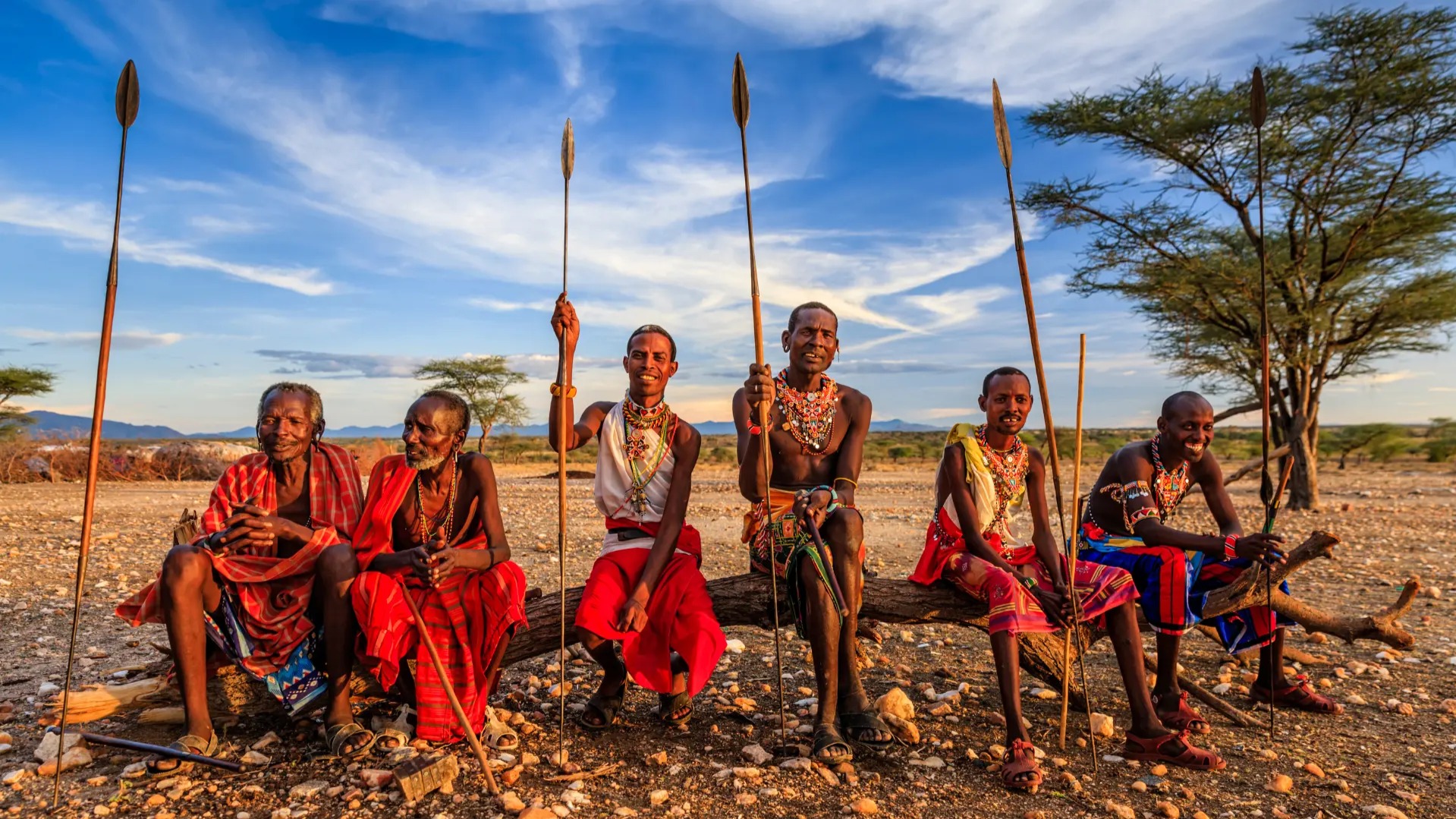
The iconic red shukas and intricate beadwork of the Maasai represent one of Tanzania's most recognisable cultural expressions. Yet beyond the visual elements lies a sophisticated system of age-sets that organises social responsibility across decades of life. Warriors, elders, and junior elders each fulfil specific roles that maintain community balance.
Elewana Elephant Pepper Camp guests often have opportunities to engage meaningfully with neighbouring Maasai communities, learning about livestock management practices that have sustained herds for generations while protecting wildlife corridors. These interactions highlight how pastoral traditions and conservation efforts increasingly align in the modern era.
Maasai beadwork is not mere decoration but a complex language conveying social status, personal achievements, and community affiliation through carefully chosen colours and patterns.
Coastal Swahili Influences
Along Tanzania's Indian Ocean coastline, Swahili cultural practices reflect centuries of trade with Arabia, India, and beyond. Elaborate taarab music performances, intricate woodcarving, and distinctive culinary traditions tell stories of cultural exchange that shaped one of Africa's great maritime civilisations.
Wedding celebrations in Zanzibar and coastal communities can last up to seven days, featuring processions, henna application, and feasts that strengthen family bonds across generations. These events demonstrate how Tanzanian cultural practices have absorbed external influences while maintaining their essential character.
Key Tanzanian Cultural Practices and Their Significance
Several recurring themes appear across Tanzania's diverse ethnic groups, revealing shared values that transcend regional boundaries. Understanding these common practices helps visitors appreciate the deeper meanings behind ceremonies they might witness during their travels.
Respect for elders, the importance of community consensus, and spiritual connections to ancestors feature prominently throughout the country. These values shape everything from daily greetings to major life decisions, creating social cohesion in a nation of remarkable diversity.
Initiation and Coming-of-Age Ceremonies
Across numerous ethnic groups, initiation rites mark the passage from childhood to adulthood with teachings about responsibility, cultural history, and community expectations. These ceremonies typically involve seclusion periods, instruction from elders, and public celebrations upon completion.
Among the Zaramo people near Dar es Salaam, unyago ceremonies for girls focus on preparing young women for marriage and motherhood through dance, song, and practical instruction. Similar practices exist among many groups, though the specific rituals vary according to local traditions and beliefs.
Music, Dance, and Oral Tradition
Tanzania's musical heritage encompasses everything from the intricate drumming of the Hehe people to the ngoma dances performed during harvest celebrations. These artistic expressions serve multiple purposes: preserving history, marking seasonal changes, and strengthening social bonds.
Storytelling remains a vital educational tool, with elders using proverbs, fables, and historical narratives to convey moral lessons and practical knowledge. Many of these stories contain embedded environmental wisdom that has helped communities sustainably manage natural resources for centuries.

Through song and story, Tanzanian communities encode knowledge that no written text could capture with equal emotional resonance or practical applicability.
How Tanzanian Cultural Practices Preserve Environmental Knowledge
One of the most compelling aspects of Tanzanian cultural practices lies in their sophisticated understanding of local ecosystems. Many traditions include specific rules about resource use that function as informal conservation measures, protecting forests, watersheds, and wildlife.
These indigenous knowledge systems often align remarkably well with modern conservation principles. Sacred forests maintained through cultural taboos frequently serve as important biodiversity reserves, while traditional hunting practices in some areas incorporate sustainable harvesting methods developed over generations.
Traditional Ecological Wisdom
In the Rufiji Delta, local communities have developed intricate systems for managing mangrove resources that balance human needs with ecosystem preservation. Similar knowledge exists among pastoral communities regarding grazing patterns that prevent overgrazing while maintaining grassland health.
These practices demonstrate how Tanzanian cultural practices often contain practical solutions to environmental challenges that predate contemporary scientific approaches. Many conservation organisations now work to document and incorporate this indigenous knowledge into their strategies.
Spiritual Connections to Landscape
Many Tanzanian communities maintain spiritual relationships with specific landscape features, considering certain mountains, rivers, or groves as sacred. These beliefs naturally encourage protection of these areas, creating de facto conservation zones that benefit both cultural heritage and biodiversity.
The reverence for specific trees, animals, or water sources reflects a worldview that sees humans as part of rather than separate from the natural world. This perspective offers valuable insights for addressing current environmental challenges.
Experiencing Tanzanian Cultural Practices Respectfully
For travellers keen to engage meaningfully with local communities, understanding appropriate etiquette proves essential. Tanzanian cultural practices emphasise respect, humility, and genuine interest rather than mere observation.
The most rewarding cultural encounters happen when visitors approach with openness and patience. Learning basic greetings in Swahili or the local language of a particular region demonstrates respect and often leads to warmer interactions.
Practical Guidelines for Cultural Engagement
When visiting villages or attending ceremonies, modest dress is generally appreciated, particularly covering shoulders and knees in many areas. Asking permission before taking photographs shows respect for personal dignity and cultural sensitivities.
Supporting community-led tourism initiatives ensures that economic benefits remain with local people. Many villages have developed programmes that allow visitors to participate in daily activities while contributing directly to community development projects.
What to Expect During Cultural Visits
Visitors often find that Tanzanian hospitality extends beyond formal ceremonies to include shared meals, storytelling sessions, and opportunities to learn traditional crafts. These interactions frequently become highlights of any journey, creating connections that transcend the typical traveller-local dynamic.
Patience serves as an important virtue when engaging with cultural practices. Ceremonies rarely follow strict timetables, and the most meaningful moments often occur during unscripted conversations with elders or participation in communal activities.
True appreciation of Tanzanian cultural practices emerges not from passive viewing but from willing participation and genuine curiosity about the values that sustain these living traditions.
The Future of Tanzanian Cultural Practices
As Tanzania continues its rapid development, questions naturally arise about the survival of traditional practices in an increasingly connected world. Yet evidence suggests that many customs are not merely persisting but evolving to meet contemporary needs.
Young people increasingly take pride in their cultural heritage while pursuing modern opportunities. Technology now helps document and share traditional knowledge, creating new platforms for cultural expression that reach both local and global audiences.
Organisations throughout the country work to ensure that cultural practices remain relevant to younger generations. Educational programmes that integrate traditional knowledge with formal curricula help young Tanzanians understand the value of their heritage while preparing for future careers.
Conclusion
The enduring strength of Tanzanian cultural practices lies in their ability to provide meaning, structure, and connection in a rapidly changing world. From the intricate social systems of the Maasai to the maritime traditions of the Swahili coast, these living customs continue to shape how communities navigate both opportunity and challenge.
For those planning a journey that goes beyond surface experiences, engaging thoughtfully with local traditions adds profound dimension to any safari or coastal exploration. The knowledge gained through respectful cultural exchange often becomes one of the most treasured aspects of time spent in this remarkable country.
For discerning travellers seeking a private safari beyond our set itineraries, we invite you to contact us directly. We specialise in designing exceptional, tailor-made journeys for individuals, couples, families, and private groups of up to eight guests. Drawing on our handpicked network of distinguished camps and lodges, we curate every detail with precision and care, creating a seamless, deeply personal safari experience shaped entirely around your preferences, pace, and budget.
Whether your interests lie in learning about specific cultural practices in Tanzania or combining cultural immersion with exceptional wildlife encounters, reach out to Encounters Africa to begin planning your bespoke journey. Our team draws upon deep local knowledge and long-established relationships to create experiences that honour both the land and its people.
Explore our Tanzania cultural safaris or discover more about Tanzania's diverse regions through our carefully crafted itineraries. The stories, dances, and wisdom of this remarkable nation await those who approach with open hearts and respectful curiosity.
More like this
Culture
How Tanzanian Daily Rituals Shape Family and Community Bonds
Culture
How Zambian People and Culture Blend Tradition with Modern Change
Culture
How Zimbabwe's Ancient Hunting Traditions Shape Daily Village Life
Culture
Inside Botswana's Living Traditions: What Sets the San and Tswana Apart
Culture
Inside the Living Traditions That Define Cultural Importance in Western Africa
Culture