conservation
How Researchers Track and Protect Africa's Wild Dogs Before They Vanish
Encounters Africa - 8 min read
Updated on 19 August 2026
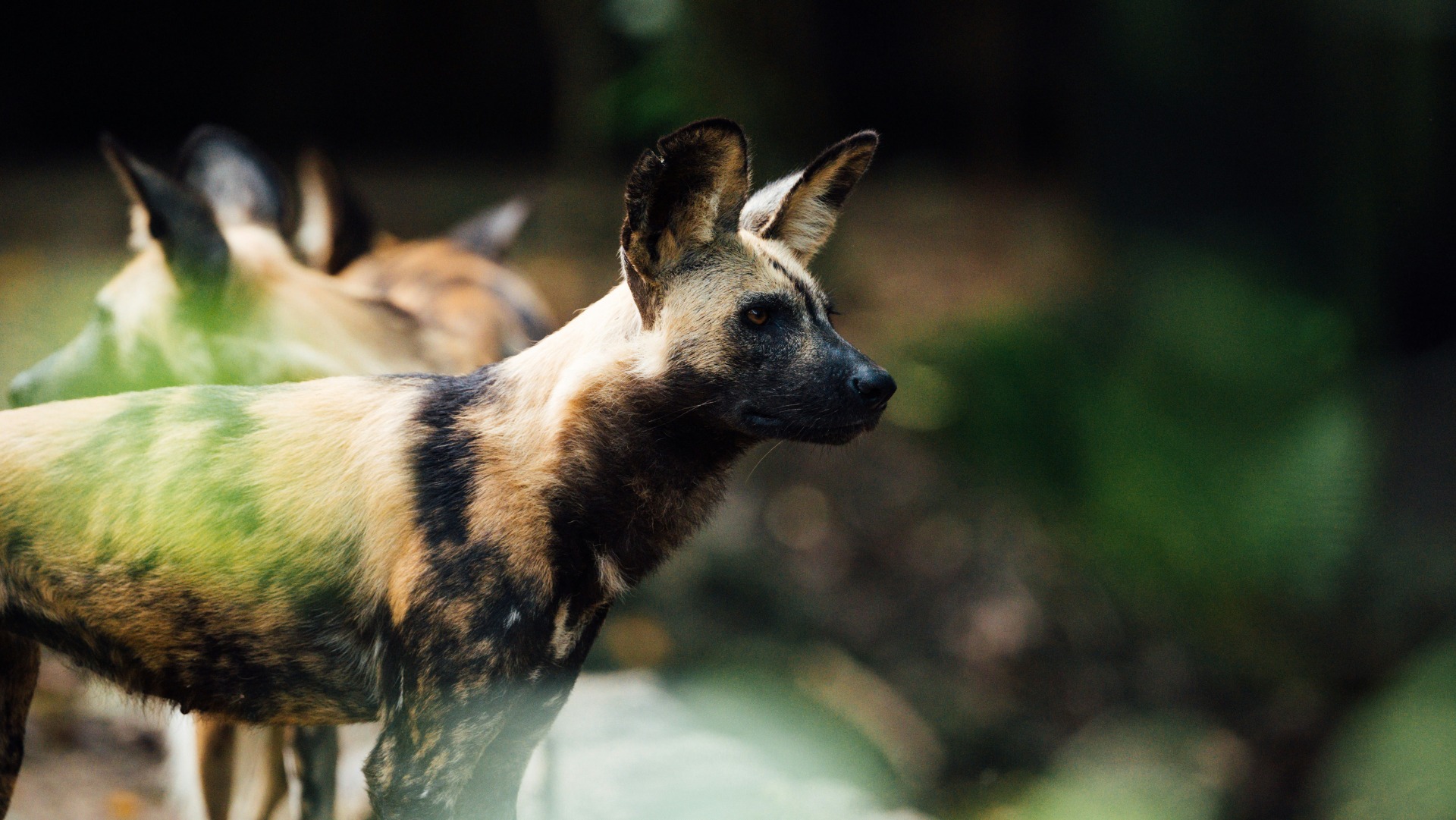
African wild dogs stand among the continent's most imperilled predators, their lithe forms and mottled coats a fleeting presence across shrinking landscapes. Researchers tracking and protecting Africa's wild dogs before they vanish employ an array of sophisticated tools and community partnerships, from GPS collars fitted in the vast wetlands of the Okavango Delta to village-led monitoring initiatives that span remote corners of Tanzania. With fewer than 7,000 individuals remaining in the wild, every data point and protected corridor carries the weight of potential survival for this highly social species.
The painted wolf, as it is evocatively known, faces a convergence of threats that include habitat fragmentation, infectious diseases such as rabies and canine distemper, and direct conflict with human activities. Yet dedicated conservation teams across southern and East Africa are deploying innovative methods to monitor pack movements, reduce mortality, and foster coexistence. This work not only safeguards an apex predator but sustains the delicate ecological balance of the savannas and woodlands these animals roam.

The Urgent Status of Africa's Wild Dogs
Once distributed across much of sub-Saharan Africa, African wild dogs now occupy less than 25 percent of their historic range. Current estimates place the total population at approximately 6,600 mature individuals, according to the IUCN Red List, with the largest remaining strongholds found in Botswana, Tanzania, Zimbabwe, and parts of South Africa. Their low genetic diversity and dependence on vast territories make them especially vulnerable to isolation and local extinctions.
Packs typically number between six and twenty adults and yearlings, led by an alpha pair that raises pups communally. Their hunting success rate exceeds 80 percent in optimal conditions, far higher than that of lions or leopards, yet they require expansive, connected habitats to thrive. When packs are forced into smaller fragments, inbreeding and reduced prey availability quickly follow.
The quiet disappearance of Africa's wild dogs would leave an irreplaceable void in the intricate web of predator-prey relationships that has shaped these ecosystems for millennia.
Key Strongholds in Southern and East Africa
In Botswana, the Okavango Delta and surrounding concessions support several hundred wild dogs, benefiting from seasonal flooding that concentrates prey. Further south, the Central Tuli Block offers rugged terrain where packs navigate between private reserves and community lands. In East Africa, Tanzania's Selous-Niassa corridor remains one of the most important landscapes, while Kenya's Laikipia plateau provides vital connectivity through conservancies that balance livestock and wildlife.
Smaller but genetically valuable populations persist in Zambia's South Luangwa Valley and parts of Zimbabwe. South Africa's managed metapopulation, bolstered by reintroductions into reserves such as Hluhluwe-iMfolozi, demonstrates how intensive monitoring can stabilise numbers, though these groups require ongoing human intervention to prevent genetic bottlenecks.
Tracking Technologies That Reveal Hidden Lives
Modern conservation of African wild dogs relies heavily on technology that allows scientists to follow packs without constant visual contact. GPS collars, programmed to record locations every few hours, have transformed understanding of ranging behaviour, revealing that some packs travel more than 50 kilometres in a single day. In the Okavango Delta, researchers from the Botswana Predator Conservation Trust have collared more than 40 individuals since 2003, mapping how seasonal water levels influence movement patterns.
Camera traps deployed along game trails and river crossings provide supplementary data on pack size, pup recruitment, and interactions with other carnivores. When combined with traditional spoor tracking by skilled local guides, these tools create a comprehensive picture of each pack's health and territory. Advances in solar-powered collars now transmit data via satellite, reducing the need for aircraft-based monitoring and lowering costs significantly.
Every collar fitted represents both a scientific milestone and a commitment to follow that individual through the unpredictable challenges of life in the wild.
Community Involvement in Monitoring
In Tanzania, programmes such as the Ruaha Carnivore Conservation Project train local villagers to report sightings and collect non-invasive samples. Hair snares and scat analysis help identify individual dogs through DNA, while smartphone applications allow rangers to log observations in real time. These community-led patrols have proved especially effective at detecting snares and mitigating human-wildlife conflict before it escalates.
Similar initiatives in Kenya's Maasai communities integrate wild dog monitoring with livestock protection schemes. Herders receive training in predator-proof bomas and compensation for verified losses, reducing retaliatory killings that once claimed dozens of animals annually. Such approaches recognise that long-term protection depends on local support rather than external enforcement alone.
Combating Disease and Human Conflict
Infectious disease represents one of the greatest threats to small, fragmented wild dog populations. Outbreaks of rabies and canine distemper can wipe out entire packs within weeks. Conservation teams now work with domestic dog vaccination campaigns in buffer zones around protected areas, creating a buffer that limits disease spillover. In Botswana's northern regions, more than 15,000 domestic dogs have been vaccinated since 2015, correlating with fewer outbreaks in wild populations.
Habitat loss and competition with livestock compound disease pressure. As farming expands, wild dogs increasingly encounter snares set for bushmeat and face vehicle collisions on new roads. Researchers address these risks through careful land-use planning, including the establishment of wildlife corridors that allow safe passage between protected zones.
Reducing Snaring and Road Mortality
Targeted snare removal patrols, guided by collar data, have removed hundreds of wire traps from key movement corridors in both Tanzania and Zambia. Road underpasses and speed reduction measures in high-traffic areas near reserves further decrease accidental deaths. In South Africa, the Endangered Wildlife Trust's Wild Dog Conservation Project combines these practical interventions with public awareness campaigns aimed at drivers and local farmers.
Breeding and Reintroduction Successes
Captive breeding and carefully managed reintroductions have helped bolster numbers in several countries. The South African programme has released more than 300 wild dogs since 1997, with many packs now self-sustaining. Genetic management remains critical, requiring periodic exchanges of animals between isolated groups to maintain diversity.
In Malawi, the reintroduction to Liwonde National Park in 2017 has flourished, with the founding pack producing multiple litters and expanding their range. Similar efforts in Mozambique's Gorongosa National Park demonstrate how restored habitats can once again support this specialised predator when protection is consistent.
Successful reintroductions remind us that with sufficient space, prey, and human tolerance, Africa's wild dogs can reclaim their place in the landscape.
How Researchers Track and Protect Africa's Wild Dogs
Researchers track and protect Africa's wild dogs through an integrated approach that combines cutting-edge technology with traditional ecological knowledge and community engagement. The process typically begins with darting and collaring operations conducted from vehicles or helicopters by experienced veterinary teams, followed by intensive post-release monitoring. Data collected informs adaptive management decisions, from adjusting anti-poaching patrol routes to timing vaccinations in adjacent villages.
Long-term studies spanning more than two decades in the Okavango Delta have produced some of the most detailed life-history data available for any large carnivore. These records show that annual pup survival averages around 40 percent in undisturbed areas but can drop below 10 percent during disease outbreaks. Such information guides prioritisation of conservation resources across the region.
Practical Steps for Travellers Supporting Conservation
Visitors to areas with wild dog populations can contribute meaningfully by choosing operators that support monitoring programmes. Many luxury camps in the Okavango Delta and Laikipia allocate a portion of guest revenue directly to research and community projects. Travellers can further assist by sharing photographs that help identify individual animals through their unique coat patterns.
Avoiding off-road driving, keeping to designated tracks, and maintaining respectful distances during sightings all reduce stress on the dogs. Those seeking deeper involvement might consider supporting organisations such as the African Wildlife Foundation or the Wildlife Conservation Network, which fund much of the ongoing collaring and disease control work.

Looking Ahead: Corridors and Coexistence
The future of Africa's wild dogs hinges on creating and maintaining functional connectivity between existing populations. Transboundary initiatives linking Botswana with Zimbabwe and Zambia, and Kenya with Tanzania, are gradually removing barriers and restoring ancient migration routes. These corridors not only benefit wild dogs but support a multitude of other species, from elephants to migratory antelope.
Climate change adds another layer of complexity, as shifting rainfall patterns alter prey distribution and increase competition for shrinking water sources. Adaptive strategies that anticipate these changes, developed through continued research and local knowledge, will prove essential in the coming decades.
Encounters Africa works closely with conservation partners across the region, incorporating the latest findings into carefully designed itineraries. For discerning travellers seeking a private safari beyond our set itineraries, we invite you to contact us directly. We specialise in designing exceptional, tailor-made journeys for individuals, couples, families, and private groups of up to eight guests. Drawing on our handpicked network of distinguished camps and lodges, we curate every detail with precision and care, creating a seamless, deeply personal safari experience shaped entirely around your preferences, pace, and budget.
By choosing to travel with us, you become part of the solution, helping to fund the very programmes that give Africa's most elusive predator a fighting chance. The race to save the painted wolf continues, and every informed journey contributes to its success.
More like this
conservation
How Revenue-Share Agreements Between Camps and Communities Secure Wildlife Corridors
Conservation
How Rwanda's Conservation Patrols Are Adapting to Rising Climate Pressures
conservation
How Safari Guides Protect Rhinos by Keeping Locations Secret
conservation
How Scimitar-Horned Oryx Are Restoring Balance to the Sahara's Degraded Grasslands
Conservation
How Sub-Zero Temperatures Challenge African Wildlife Conservation Programs
Conservation