Tips & Advice
How Savvy Timing Transforms Your African Safari Experience
Encounters Africa - 10 min read
Updated on 11 August 2026
Savvy timing can profoundly elevate every aspect of your African safari, turning good sightings into unforgettable encounters that linger long after you return home. Whether you are tracking a leopard's silent prowl through South Africa's dense thickets or watching thousands of wildebeest surge across the Tanzania plains, understanding when and how to move makes the difference between fleeting glimpses and immersive moments with the wild. This guide distils years of guiding wisdom and traveller feedback into practical, field-tested approaches that help you read the land, anticipate animal rhythms, and extract maximum wonder from each day in the bush.
The best time to visit most premier reserves is during the dry season, typically from June to October, when vegetation thins and water sources concentrate wildlife into predictable locations. In contrast, the green season from November to May brings dramatic storms, newborn calves, and fewer vehicles, rewarding those who embrace the vibrancy. By aligning your journey with these natural cycles and layering in daily timing strategies, you create space for richer connections with Africa's iconic species and landscapes.

The rhythm of the African day is a language in itself; learn to speak it and the bush begins to reveal its secrets.
Understanding Seasonal Patterns Across Southern and East Africa
Each region writes its own calendar of abundance and scarcity. In the Okavango Delta, the floodwaters peak between May and August, transforming wooded islands into lush refuges where game viewing shifts from vehicle to mokoro canoe. Further south in the Masai Mara, the Great Migration reaches its crescendo from July to October, offering front-row seats to river crossings that test every wildebeest's resolve.
These seasonal shifts are not mere background; they dictate where animals gather, how visible they become, and which behaviours you are likely to witness. Savvy travellers who study these patterns before departure arrive with realistic expectations and a sharpened sense of anticipation. They know, for instance, that lion hunts increase at first light during the dry months, while elephants become more active around midday when temperatures soar.
Our experience curating journeys across these varied ecosystems has shown that timing is the single most influential variable in shaping a traveller's satisfaction. A well-placed week in late September at a private concession bordering the Moremi Game Reserve can deliver multiple leopard sightings where the previous month offered only tracks. The land simply behaves differently as the seasons turn.
Key Seasonal Windows Worth Planning Around
Consider these proven periods when planning your itinerary with Encounters Africa:
June to October (Dry Season): Optimal for big game viewing across Botswana, South Africa, and Kenya as animals congregate at waterholes; expect clear skies and mild nights.
November to March (Green Season): Ideal for birdwatching, predator cubs, and dramatic light; rates are often more accessible and crowds thinner.
April to May (Shoulder Months): Transitional magic with fewer visitors, though some areas may experience short rains that refresh the landscape.
These are not rigid rules but reliable indicators drawn from decades of operational data. A family visiting Kenya in February, for example, will enjoy comfortable temperatures and abundant young antelope, while photographers targeting the dramatic skies of the wet season might prefer March.
Timing is not about chasing perfection; it is about positioning yourself where nature is most willing to perform.
Daily Timing Strategies That Elevate Every Game Drive
The African day unfolds in distinct chapters, each offering unique opportunities. Dawn departures, often before 6am, catch predators returning from nocturnal hunts and place you at water sources as the first light touches the horizon. Many of our guests report their most memorable encounters occurring in that soft, golden hour when the bush seems to exhale.
Mid-morning brings a natural lull as temperatures climb and animals seek shade. Rather than returning to camp immediately, experienced guides use this window to explore less-visited corners or focus on smaller species and birdlife. A skilled tracker might pause to examine fresh spoor or demonstrate how dung beetles navigate by starlight, transforming an apparently quiet period into an educational highlight.
Late afternoon and dusk deliver another surge of activity. As the heat subsides, herbivores emerge to graze and predators stir. Positioning yourself downwind of a known leopard resting site at this hour can yield prolonged observations of these elusive cats stretching and beginning their nightly patrol. The final moments before darkness often reward patience with extraordinary sightings.
Maximising Night Drives and Walking Safaris
Many private reserves in Botswana and South Africa permit night drives, revealing a parallel world of nocturnal creatures. Spotting a honey badger or an aardvark under spotlight offers a completely different perspective on the ecosystem. Similarly, walking safaris conducted in the cooler morning hours allow you to appreciate the smaller wonders: intricate termite mounds, medicinal plants, and the delicate tracks left by creatures that passed in the night.
These slower-paced activities require careful timing. Walking is generally safest and most productive in the first three hours after sunrise, when animals are active but temperatures remain comfortable. Evening walks are rarer and usually shorter, ending well before full darkness for safety reasons.
Reading Animal Behaviour and Landscape Signals
Becoming attuned to the subtle language of the bush dramatically increases your chances of meaningful encounters. An alarmed impala's snorting, a sudden silence among weavers, or the purposeful stride of a troop of baboons can all signal a predator nearby. Guides interpret these cues constantly, but travellers who learn even a few basics find themselves more present and engaged.
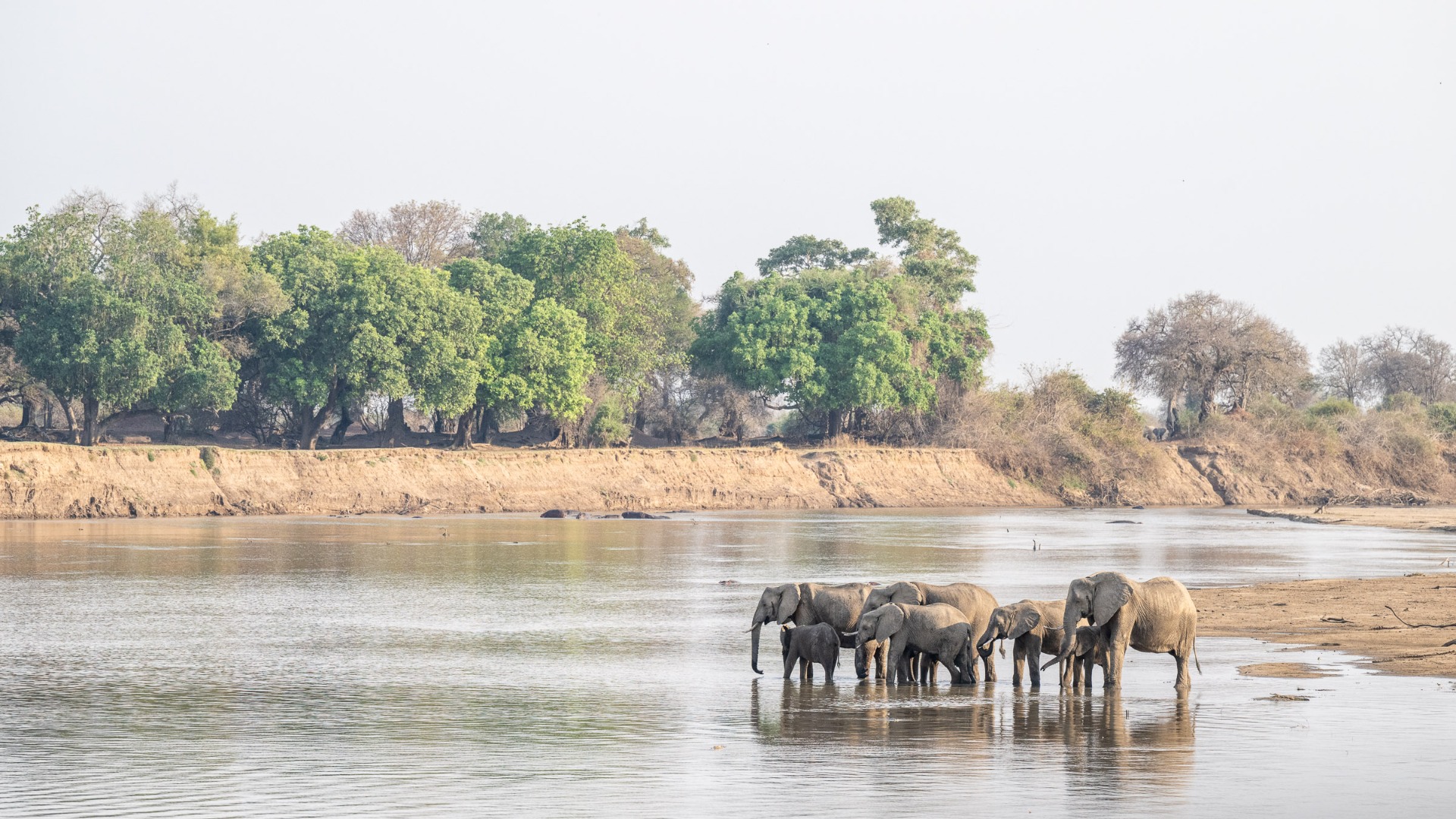
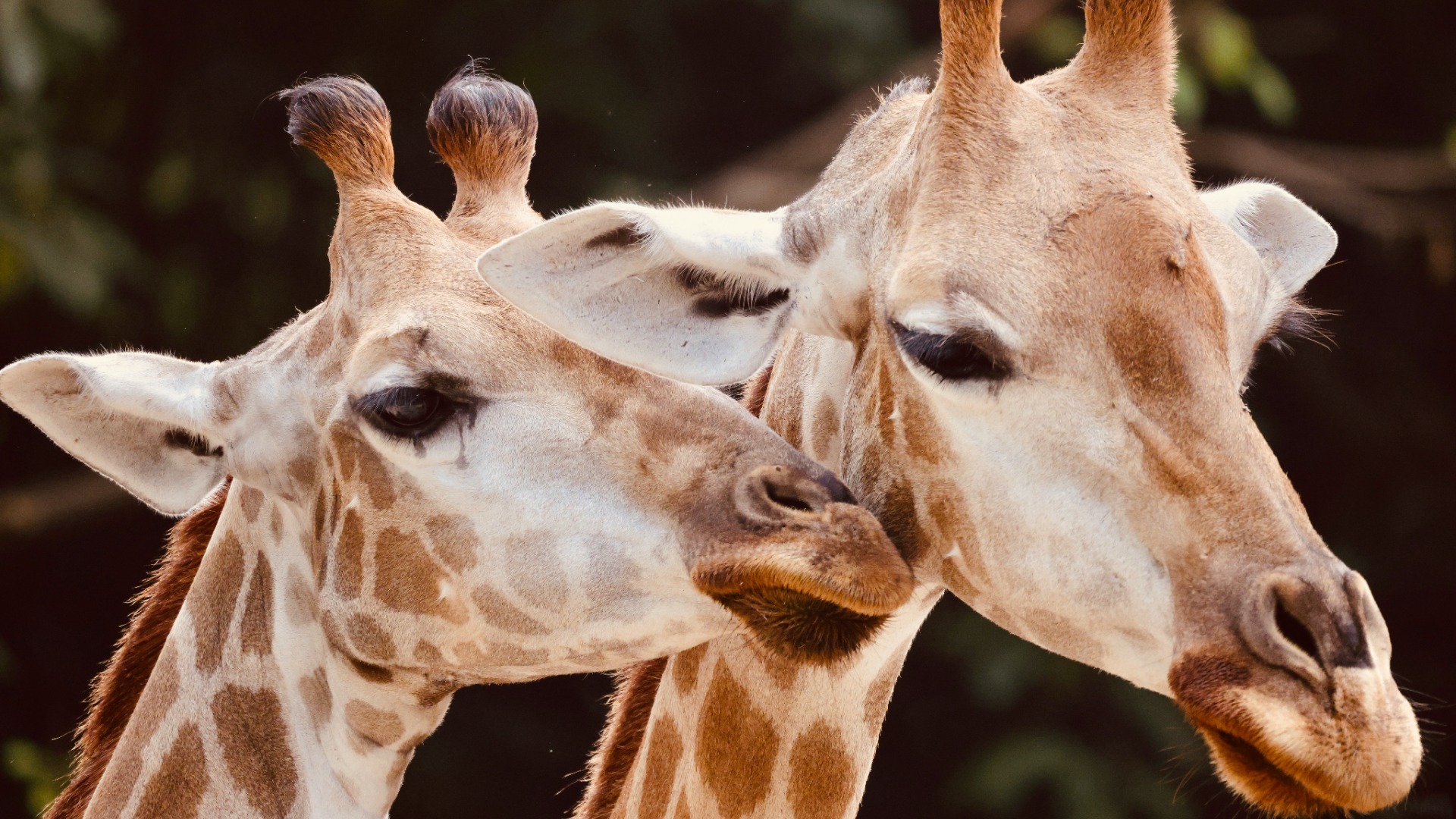
Understanding how different species use the landscape at various times of day adds another layer. Buffalo tend to drink early and late, while giraffe often visit waterholes around midday. Elephants in the Chobe River Front follow ancient pathways between feeding grounds and the river, creating predictable movement corridors that guides monitor closely.
Weather also plays a crucial role. After rain, animals disperse across the landscape to take advantage of new grazing, making sightings more spread out but often more natural. During extended dry periods, the drama concentrates around remaining water sources, sometimes leading to tense interactions between competing species.
The bush speaks constantly; those who listen carefully are rarely disappointed.
Choosing the Right Lodge and Guide Partnership
Not all properties interpret timing with equal skill. Private concessions and conservancies generally offer greater flexibility than national parks, allowing drives to extend when activity is high or to depart earlier than the standard schedule. Lodges such as Duba Plains Camp in the Okavango or Chobe Chilwero Lodge on the Chobe River Front have earned reputations for working closely with their guides to capitalise on fleeting opportunities.
The quality of your guide often matters more than the vehicle or the view from your tent. Seek operators who demonstrate deep ecological knowledge and a genuine curiosity about the natural world. The best guides do not simply deliver sightings; they translate the landscape into stories that connect you to the intricate web of life unfolding around you.
When booking with Encounters Africa, we match travellers with camps and guides whose strengths align with their specific interests, whether that is big cat behaviour, bird identification, or cultural insights from local communities. This personalised approach ensures your daily schedule works in harmony with the rhythms of the place itself.
Practical Preparation That Supports Perfect Timing
Successful timing begins long before your flight departs. Packing layers for early mornings and evenings, investing in good binoculars, and familiarising yourself with the species you hope to see all contribute to a more rewarding experience. A small notebook or voice recorder can help capture observations that might otherwise fade.
Consider your own energy patterns too. If you are not a natural early riser, choose a camp that offers flexible departure times or the option of a later morning activity. Many properties now accommodate different preferences, recognising that a rested traveller sees more than an exhausted one.
Technology can assist but should never replace attentiveness. Weather applications, lunar calendars, and migration tracking websites provide useful context, yet the most valuable insights often come from speaking directly with your chosen lodge weeks before arrival. They can advise on current conditions and adjust your itinerary accordingly.
Common Questions About Safari Timing Answered
What is the single best month for a first safari in Southern Africa? Many experienced travellers recommend September. Wildlife is still concentrated around water, temperatures are pleasant, and the dry landscape offers excellent visibility. However, October can be even more productive in some areas as the pressure on remaining water sources intensifies.
Should I avoid the rainy season completely? Not necessarily. The period from late December through March offers lush scenery, fewer visitors, and the chance to see newborn animals. While game viewing can be more challenging due to thick vegetation, the overall experience is often more intimate and the photographic light spectacular.
How early should I book to secure peak season dates? For the most popular private camps in the Masai Mara, Okavango Delta, or Sabi Sand during July to October, reservations 12 to 18 months in advance are advisable. Shoulder months typically require 8 to 10 months' notice for preferred properties.
The Deeper Rewards of Patient Timing
Beyond the obvious benefit of improved sightings, thoughtful timing cultivates a different quality of attention. When you are not rushing between checklist species, you begin to notice the supporting cast: the dung beetle rolling its prize, the lilac-breasted roller flashing its iridescent colours, the intricate social dynamics within a troop of vervet monkeys.
These quieter observations often become the memories that travellers cherish most. They speak of the time a guide stopped the vehicle simply to listen to a chorus of frogs after rain, or the evening they watched a family of bat-eared foxes hunting insects in the last light. Such moments cannot be scheduled but are far more likely to occur when you have built flexibility and awareness into your journey.
Conservation also benefits when travellers choose less crowded times. The pressure on popular reserves eases, staff can focus more fully on individual guests, and the financial support spreads more evenly throughout the year, helping communities and wildlife year-round.

Conclusion
Mastering the art of timing transforms an African safari from a series of observations into a deeply immersive conversation with the wild. By understanding seasonal rhythms, embracing the natural cadence of each day, and partnering with knowledgeable operators, you position yourself to witness not only Africa's charismatic megafauna but the intricate stories that bind them to their environment.
For discerning travellers seeking a private safari beyond our set itineraries, we invite you to contact us directly. We specialise in designing exceptional, tailor-made journeys for individuals, couples, families, and private groups of up to eight guests. Drawing on our handpicked network of distinguished camps and lodges, we curate every detail with precision and care, creating a seamless, deeply personal safari experience shaped entirely around your preferences, pace, and budget.
Begin your journey by exploring our Kenya safari collection or discover the magic of the Okavango Delta through our carefully selected properties. When you are ready to craft something truly personal, please visit our enquiry form and allow Encounters Africa to design an experience that resonates with your sense of wonder.
More like this
Tips & Advice
How Savvy Travelers Turn African Safaris into Lasting Memories
Tips & Advice
How Shifting Animal Patterns Are Reshaping Maasai Ceremonies in Kenya
Tips & Advice
How Thoughtful Guests Elevate Their South African Lodge Experience
Tips & Advice
How to Choose the Right Luxury Lodge in Zambia for Your Safari Style
Tips & Advice
How to Match African Family Lodges to Your Children's Ages and Interests
Tips & Advice