Tips & Advice
How Savvy Travelers Turn African Safaris into Lasting Memories
Encounters Africa - 9 min read
Updated on 7 August 2026
Savvy travellers know that an African safari becomes a collection of lasting memories when every moment is approached with intention. By mastering the art of timing your game drives, reading animal behaviour cues, and engaging thoughtfully with your tracker, routine sightings transform into profound connections across Kenya and Botswana. This approach turns a standard itinerary into something far richer, where the bush reveals its hidden stories and the experience lingers long after the dust settles.
The best time to visit these regions depends on what you wish to witness. In Kenya's Masai Mara, the great migration peaks between July and October, drawing over 1.5 million wildebeest across the plains. Botswana's Okavango Delta offers exceptional water-based game viewing from May to October when floodwaters concentrate wildlife. Understanding these patterns allows you to align your journey with nature's rhythm rather than fighting against it.
The difference between seeing wildlife and truly connecting with it lies in the quiet spaces between the dramatic moments.
Understanding the Daily Rhythm of Safari Life
Successful safaris follow the natural cadence of the African day. Most camps begin with a gentle wake-up call around 5:30am, allowing guests to reach prime viewing areas as first light touches the landscape. This early start captures the magical hour when predators return from hunts and prey species lower their guard.
By mid-morning, activity slows as temperatures rise. This period offers excellent opportunities for thoughtful observation rather than constant movement. Experienced travellers use this time to study herd dynamics or watch a single lion pride for extended periods, noticing subtle interactions that fleeting visitors miss entirely.
Afternoon game drives typically depart around 4pm, coinciding with the day's second peak in animal movement. As shadows lengthen and the heat subsides, the bush comes alive again. This timing proves particularly effective in arid regions like Botswana's Central Kalahari, where animals gather at water sources during the cooler hours.
Adapting to Seasonal Variations
Each season brings distinct advantages. The green season from November to April in both Kenya and Botswana delivers lush landscapes and newborn animals, though sightings may require more patience. Dry season concentrations make wildlife easier to locate but can mean busier roads in popular areas.
Knowledgeable operators adjust schedules accordingly. In the Masai Mara during peak migration, they might extend morning drives to follow crossing herds, while in the Okavango Delta's flood season, they prioritise mokoro excursions at dawn when the waterways reflect the rising sun with mirror-like perfection.

Reading Animal Behaviour Cues Like a Pro
Learning to interpret wildlife signals elevates every encounter from observation to understanding. A herd of impala stamping their feet and snorting indicates nearby danger, often a concealed leopard or lion. Savvy travellers remain still and silent during these moments, allowing the drama to unfold naturally.
Bird behaviour provides another valuable layer. Oxpeckers flying up in alarm from a buffalo's back often signals an approaching predator. The distinctive call of a go-away bird can alert you to a nearby leopard, while vultures circling in a specific pattern frequently indicate a recent kill worth investigating.
Animals communicate constantly if we develop the patience to listen with more than just our ears.
Recognising Subtle Warning Signs
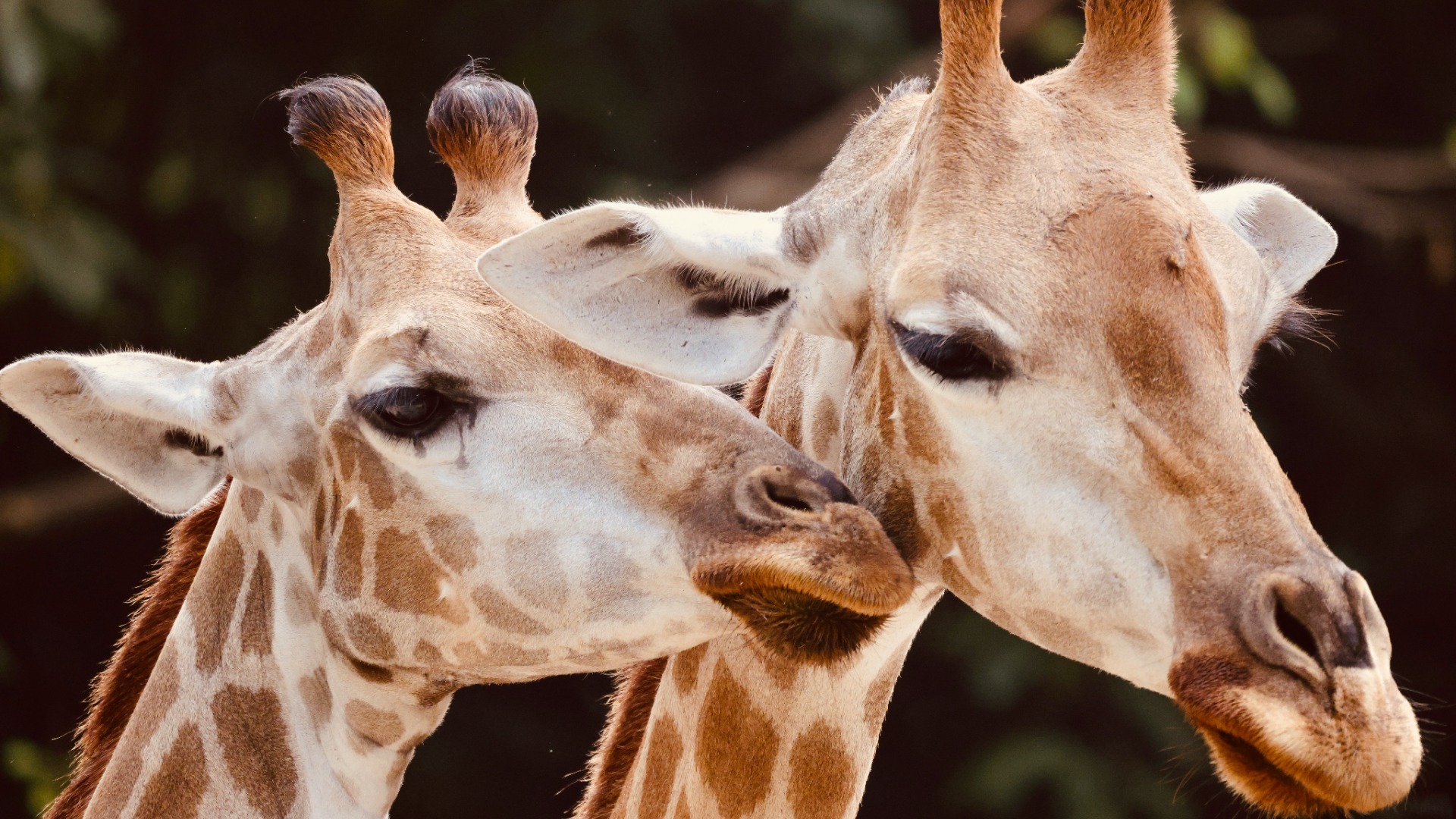
Experienced guides teach guests to notice changes in posture and movement. A giraffe staring fixedly in one direction suggests something noteworthy in that area. Elephants holding their trunks high and spreading their ears wide are assessing potential threats through scent and sound.
In Masai Mara, understanding zebra stripe patterns within a specific herd can help identify individuals over multiple days. This continuity builds deeper appreciation for their daily challenges and triumphs, creating emotional connections that transform a simple sighting into a meaningful memory.
Building Meaningful Connections with Your Tracker and Guide
The most rewarding safaris develop when travellers form genuine partnerships with their guides and trackers. These skilled professionals often possess generational knowledge of the land and its inhabitants. Taking time to learn their names, asking thoughtful questions, and showing genuine interest in their perspectives opens doors to insights rarely shared with disinterested visitors.
Effective communication involves more than asking what animal you're seeing. Inquiring about an animal's age, its role within the social structure, or recent changes in its behaviour demonstrates engagement. This approach frequently leads to trackers sharing personal stories or demonstrating traditional tracking techniques passed down through their communities.
Respect for their expertise manifests in simple ways. Allowing them to set the pace of the drive, maintaining silence during critical tracking moments, and following their lead regarding vehicle positioning shows that you value their judgment. This mutual respect often results in them going the extra mile to ensure your experience feels personal and profound.
Questions That Spark Deeper Conversations
Rather than generic queries, consider asking about seasonal changes they've observed over years of guiding. Many trackers appreciate discussing traditional uses of plants visible along the route or sharing cultural significance of certain animals within their communities. These exchanges create layers of understanding that enrich the entire journey.
In Botswana's Khwai Community Area, local trackers often have intimate knowledge of individual animals that frequent the area. Learning their names and histories adds remarkable depth to repeated encounters with the same leopard or elephant family over several days.
Photography Techniques That Capture More Than Images
While not every traveller focuses on photography, those who do can enhance their experience by approaching it thoughtfully. Understanding how to work with Africa's challenging light conditions, particularly the harsh equatorial sun, prevents frustration and delivers more evocative results.
Early morning and late afternoon offer the most flattering illumination, with warm golden tones that bring out the rich colours of the landscape. Positioning yourself with the sun behind you during these times creates beautiful rim lighting on animal silhouettes against dramatic skies.
Consider leaving your camera behind for some drives to fully immerse yourself in the sensory experience. The sound of lions calling at dusk, the distinctive scent of rain on dry earth, and the feeling of cool morning air cannot be captured in pixels but remain vivid in memory for decades.
Ethical Considerations for Photographers
Responsible photography means prioritising the welfare of your subjects. Avoid using artificial calls or sounds to attract animals, and always respect the guide's instructions regarding distance. In many areas of Kenya and Botswana, regulations limit how close vehicles may approach certain species, particularly predators with young.
Supporting conservation through your photography adds another meaningful dimension. Many lodges participate in citizen science projects where guest photographs help identify individual animals and monitor population health. Contributing images to these initiatives creates a direct link between your safari and tangible conservation outcomes.
Creating Space for Reflection and Connection
Some of the most memorable safari moments occur away from the vehicle. Many camps offer walking safaris with armed guides who share intimate knowledge of smaller wonders: intricate termite mounds, medicinal plants, and the complex relationships within insect worlds. These slower-paced experiences balance the excitement of game drives with deeper ecological understanding.
Evening discussions around the campfire often become highlights of any journey. Sharing observations from the day, asking guides about their most memorable wildlife encounters, and simply absorbing the sounds of the African night creates powerful communal experiences. The crackle of burning wood, the distant whoop of a hyena, and the vast star-filled sky combine to create an atmosphere unlike anywhere else on earth.
True connection happens when we slow down enough to let the wilderness speak to us in its own unhurried language.
What Should You Pack to Maximise Your Safari Experience?
This common question deserves specific consideration. Beyond the obvious binoculars and camera equipment, experienced travellers recommend neutral-coloured clothing in khaki, olive, and beige tones that blend with the environment. Long-sleeved shirts and trousers provide protection from both sun and insects while maintaining comfort during long drives.
A quality pair of binoculars with 8x or 10x magnification strikes the ideal balance between detail and steadiness in a moving vehicle. A small notebook for recording observations helps cement memories and provides material for meaningful conversations with your guide. Many travellers also pack a good field guide to birds or mammals, turning identification into an engaging shared activity.
Practical items often overlooked include a lightweight scarf for dust protection, high-factor sunscreen, and a head torch with red light setting for early morning movements that won't disturb nocturnal animals. A reusable water bottle reduces plastic waste while ensuring hydration during warm days in the bush.

Supporting Conservation Through Your Choices
Discerning travellers increasingly seek ways to ensure their presence benefits the landscapes they visit. Selecting operators who demonstrate genuine community involvement and transparent conservation practices makes a measurable difference. In Kenya, several conservancies channel a percentage of visitor fees directly into anti-poaching and community development projects.
Learning about specific initiatives at the camps you visit adds another layer of meaning. Many properties in Botswana support local schools or wildlife monitoring programmes. Understanding these connections transforms your safari from a personal indulgence into a contribution to something larger and more enduring.
Simple daily choices matter too. Following your guide's instructions about staying in the vehicle, avoiding litter, and respecting quiet hours in camp minimises disturbance to wildlife. These considerations become second nature once you understand their importance to the delicate balance of these remarkable ecosystems.
Transform Your African Safari into Something Extraordinary
The most memorable safaris aren't defined by the number of lions seen or checklist species ticked off. They emerge from a willingness to engage fully with the experience, to observe with patience, to listen with genuine curiosity, and to allow the rhythms of the African wilderness to shape your days.
Whether watching a leopard descend from an acacia tree at dusk in Kenya's Ol Pejeta Conservancy, or following fresh elephant tracks through the floodplains of Botswana's Okavango Delta with a skilled tracker, these moments accumulate into a deeply personal connection with Africa's wild places. The knowledge that your presence supports conservation efforts adds profound satisfaction to every sighting.
For discerning travellers seeking a private safari beyond our set itineraries, we invite you to contact us directly. We specialise in designing exceptional, tailor-made journeys for individuals, couples, families, and private groups of up to eight guests. Drawing on our handpicked network of distinguished camps and lodges, we curate every detail with precision and care, creating a seamless, deeply personal safari experience shaped entirely around your preferences, pace, and budget.
Begin planning your own transformative journey today by visiting our enquiry form. The African wilderness awaits those ready to experience it with open hearts and curious minds. At Encounters Africa, we stand ready to help you craft memories that will resonate for a lifetime.
More like this
Tips & Advice
How Shifting Animal Patterns Are Reshaping Maasai Ceremonies in Kenya
Tips & Advice
How Thoughtful Guests Elevate Their South African Lodge Experience
Tips & Advice
How to Choose the Right Luxury Lodge in Zambia for Your Safari Style
Tips & Advice
How to Match African Family Lodges to Your Children's Ages and Interests
Tips & Advice
How to Prepare for Your First African Safari Without Overpacking or Overthinking
Tips & Advice