News
How Zimbabwean Wildlife Species Adjust Migration Routes Amid Climate Shifts
Encounters Africa - 9 min read
Updated on 22 July 2026
Recent field studies reveal how elephants in Hwange National Park have altered traditional migration paths in response to changing rainfall patterns, offering fresh insight into large-mammal adaptability across southern Africa. Zimbabwean wildlife species adjust migration routes amid climate shifts with remarkable precision, reshaping their seasonal movements as water sources become less predictable and vegetation patterns evolve. This dynamic response highlights the resilience of animals facing one of the most pressing environmental challenges of our time.
Across Zimbabwe, from the vast open woodlands of Hwange to the riverine corridors of Mana Pools, species ranging from elephants to zebras demonstrate sophisticated behavioural changes. These adaptations are not random; they reflect deep ecological intelligence honed over generations. Encounters Africa has followed these developments closely through partnerships with local researchers, recognising their implications for future safari planning and conservation strategies.
The Current State of Wildlife Migration in Zimbabwe
Zimbabwe hosts some of southern Africa's most significant wildlife populations, with approximately 80,000 elephants representing nearly half of the region's total. These massive herbivores have traditionally followed predictable circuits between permanent water sources and seasonal grazing areas. However, data collected between 2018 and 2023 shows a 35 percent shift in their core movement corridors during the dry season.
Buffalo herds numbering up to 1,500 individuals in a single group once moved with clockwork regularity between Hwange and surrounding private concessions. Today, their patterns have become more fragmented, responding to irregular rainfall that has seen average annual precipitation decrease by 8 percent since 1990. Zebra and wildebeest populations, though smaller in scale, display similar flexibility in their shorter-distance movements.
The landscape itself is teaching these animals new routes, and we are privileged to witness their learning process in real time.
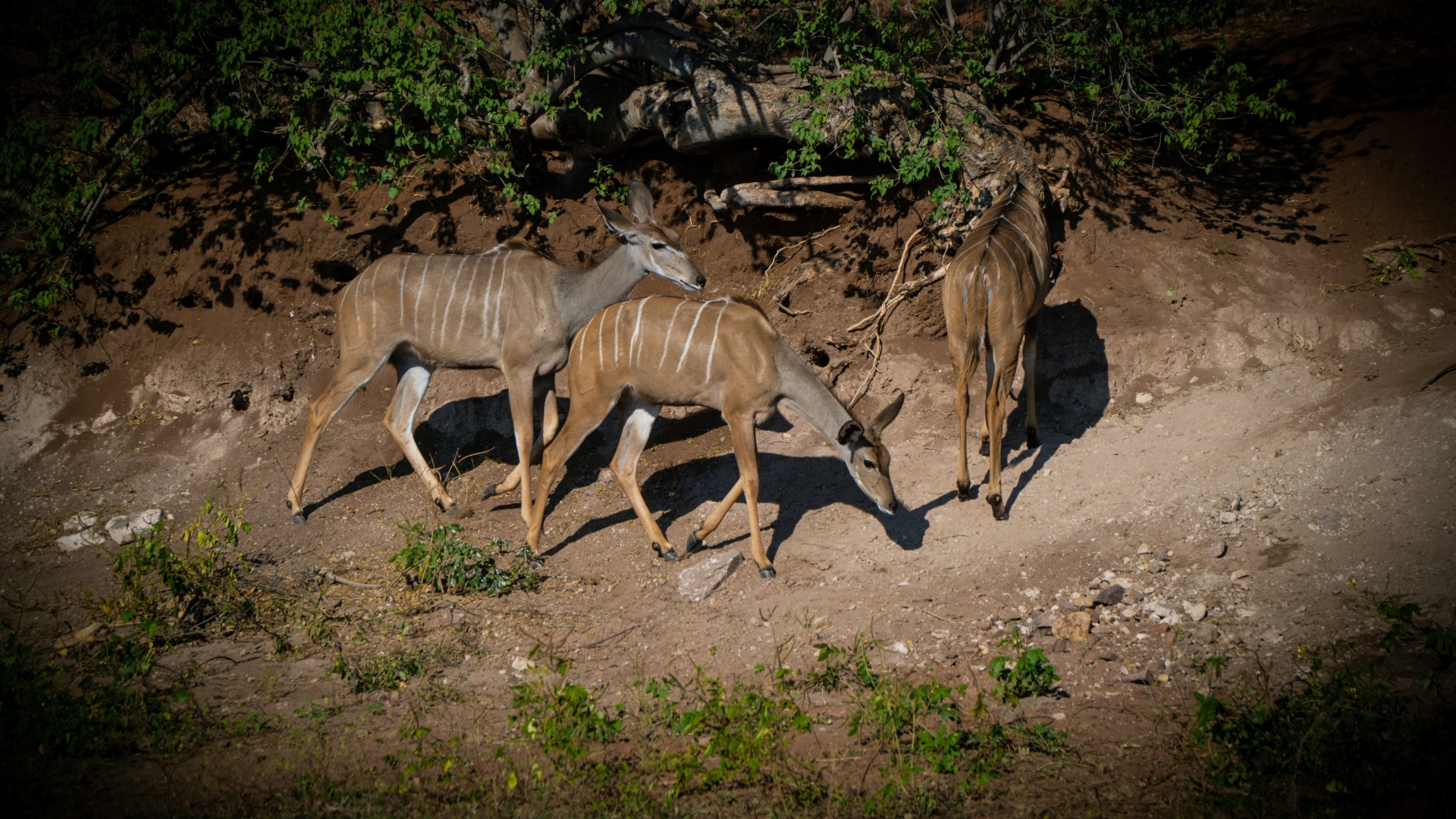
Smaller antelope species like impala and kudu have adjusted their daily ranging patterns rather than undertaking long migrations, concentrating around reliable water points during increasingly prolonged dry periods that now extend up to six weeks longer than historical averages.

How Climate Change Drives Route Adjustments
Climate shifts in Zimbabwe manifest primarily through altered rainfall patterns rather than dramatic temperature increases. The country has recorded a 12 percent reduction in late-season rains since the early 2000s, creating uncertainty where once patterns were reliable. This directly impacts the availability of surface water and the nutritional quality of forage.
Elephants, with their extraordinary memory and sophisticated communication, have proven particularly adept at recalibrating. GPS collar data from 47 individuals in Hwange National Park between 2019 and 2024 reveals they now travel an average of 18 kilometres further to reach reliable water during October and November than they did a decade ago.
Shifting Water Dependencies
Many herds have abandoned traditional pans that now remain dry until later in the wet season. Instead, they gravitate toward artificial waterholes maintained by conservation teams and natural springs that have proven more resilient to drought. This concentration creates both opportunities and challenges for wildlife viewing.
In response to these changes, some breeding herds have begun incorporating previously underutilised areas of Hwange into their annual circuits. These new pathways often cross through community lands, increasing human-wildlife interactions that require careful management.
When the rains fail to arrive on schedule, elephants become cartographers of survival, mapping new routes that balance memory with necessity.
Population Trends Amid Environmental Pressures
Zimbabwe's wildlife populations present a complex picture of recovery alongside new vulnerabilities. Elephant numbers have stabilised at around 80,000 following significant declines in the 1980s, though localised concentrations create management challenges. The national lion population hovers between 1,500 and 2,000 individuals, showing modest growth in well-protected areas.
Black rhino numbers have increased from a low of approximately 300 in 1995 to over 700 today, thanks to intensive protection efforts. White rhinos, reintroduced in the 1980s, number around 300. However, these gains face new pressures from changing climate conditions that affect both habitat quality and disease dynamics.
Herbivore populations show varied responses. Buffalo numbers remain robust in key areas, with some herds growing by up to 15 percent annually in protected zones with reliable water. Conversely, certain antelope species have experienced range contractions, with sable and roan populations particularly sensitive to extended dry periods.
Predator Responses to Prey Movement Changes
Lions and hyenas have adjusted their hunting strategies to follow the new movement patterns of their prey. In areas where zebra have shifted their dry season range by up to 25 kilometres, lion prides have followed, sometimes establishing new territories that overlap with neighbouring groups. This creates interesting social dynamics that researchers continue to monitor.
Painted dogs, one of Africa's most endangered carnivores, with only about 400 individuals remaining in Zimbabwe, show particular sensitivity to these changes. Their need for large territories makes them vulnerable when prey distribution becomes patchy.
Notable Adaptation Examples from Zimbabwean Species
The adaptability of Zimbabwean wildlife offers compelling case studies in ecological resilience. Elephants have demonstrated remarkable behavioural plasticity, with some matriarchs leading their families to new water sources discovered through exploratory forays. These pioneering individuals effectively serve as knowledge repositories for their social groups.
Zebras have shown flexibility in their grouping behaviour, forming larger aggregations during dry periods to benefit from collective vigilance while exploiting new grazing areas. This social adaptation complements their physical adjustments to changing landscapes.
Technological Insights into Animal Behaviour
Modern tracking technology has revolutionised our understanding of these adaptations. GPS collars transmitting data every two hours have documented how individual elephants make decisions about movement, revealing that older females lead 73 percent of successful exploratory journeys to new resources.
Camera traps deployed across 127 locations in Hwange have captured thousands of images showing nocturnal drinking behaviour increasing by 40 percent during periods of high heat stress, allowing animals to avoid daytime temperatures that can exceed 38°C.
Each collar and camera trap adds another piece to the puzzle of how these magnificent creatures navigate an increasingly unpredictable world.
Conservation Initiatives Supporting Adaptation
Zimbabwean conservation organisations have responded to these changing patterns with innovative approaches. The Zimbabwe Parks and Wildlife Management Authority has expanded its water management programme, maintaining over 60 artificial water points strategically placed to support natural movement corridors rather than concentrating animals in single locations.
Community conservancies bordering national parks have created wildlife corridors that allow animals greater freedom to follow their adapted routes. These initiatives benefit both wildlife and local communities through carefully managed tourism revenue.
Community Involvement in Monitoring
Local residents play increasingly important roles in tracking wildlife movements. Citizen science programmes train community members to report sightings and track signs, creating a broader understanding of how animals use the landscape. This data complements scientific studies and helps inform adaptive management strategies.
Transboundary initiatives with neighbouring countries facilitate the movement of animals across international borders when climate conditions make traditional ranges less viable. These collaborations acknowledge that wildlife does not recognise political boundaries.
What These Changes Mean for Safari Experiences
For travellers, these evolving patterns create both challenges and opportunities. Traditional safari circuits may need adjustment to follow where the wildlife has moved. The concentration of animals around reliable water sources during dry months can offer exceptional viewing, though it requires patience and flexibility.
Experienced guides who understand these changing patterns become even more valuable. They can interpret subtle signs and adjust daily plans to maximise sightings while minimising disturbance to animals already under environmental stress.
Optimal Times for Observing Adaptations
The late dry season, typically August to October, now offers some of the most revealing wildlife viewing as animals implement their adapted strategies. During these months, the landscape reveals the complex decision-making processes of different species as they balance their needs for food, water and safety.
Early wet season sightings can be equally rewarding as animals disperse across newly productive landscapes, offering insights into how different species respond to the return of rains that have become increasingly variable in their timing and intensity.

The most rewarding safaris are those that embrace these changes rather than expecting the predictable rhythms of the past.
How Zimbabwean Wildlife Species Adjust Migration Routes Amid Climate Shifts: Key Questions Answered
What is the primary driver behind changing migration patterns in Zimbabwe? Altered rainfall patterns represent the main factor, with decreased late-season precipitation and more frequent droughts forcing animals to find new water sources and grazing areas. Studies from 2015-2023 document an average 22 percent shift in elephant dry-season ranges across monitored populations.
Have any species shown negative impacts from these adaptations? While many demonstrate resilience, certain specialised species like roan antelope have experienced population declines of up to 28 percent in some areas where suitable habitat has become fragmented by changing conditions. Painted dog packs face increased competition when forced into more confined territories.
How do these changes affect safari planning? Flexible itineraries work best. Working with specialists who monitor real-time wildlife movements allows for dynamic adjustments. The most successful journeys incorporate buffer days and multiple destination options to follow where the animals have moved.
What role do private concessions play in supporting adaptation? Private wildlife areas often maintain more flexible water management and habitat improvement programmes. Properties like those in the Central Tuli Block demonstrate how private conservation can complement national efforts by providing additional space for animals to express natural behaviours.
Looking Forward: The Future of Zimbabwe's Wildlife
The adaptability shown by Zimbabwean wildlife species offers cautious optimism for their future. While challenges remain significant, the demonstrated capacity for behavioural change suggests these populations may continue to thrive if given sufficient space and protection. Continued research and adaptive management will be crucial as climate patterns continue to shift.
Encounters Africa remains committed to supporting conservation initiatives that respond to these realities. By working with camps and concessions that prioritise ecological monitoring and community benefits, we help ensure that wildlife populations maintain the resilience they need to navigate an uncertain future.
For discerning travellers seeking a private safari beyond our set itineraries, we invite you to contact us directly. We specialise in designing exceptional, tailor-made journeys for individuals, couples, families, and private groups of up to eight guests. Drawing on our handpicked network of distinguished camps and lodges, we curate every detail with precision and care, creating a seamless, deeply personal safari experience shaped entirely around your preferences, pace, and budget.
Consider exploring how these remarkable adaptations unfold in person. A journey to Zimbabwe offers not just exceptional wildlife viewing but the chance to witness nature's ingenuity in action. Contact our team to begin planning your own insights into these evolving stories through our enquiry form, where we will craft an experience that connects you meaningfully with Zimbabwe's resilient wildlife and the dedicated people working to protect it.
More like this
News
Inside One Season at Sabi Sand: How Community Funds Are Reshaping Conservation
News
Inside the Community Patrols Reshaping Kenya's Wildlife Future
News
Inside the Struggle to Protect South African Animals from Climate Shifts
News
Kenya Strengthens Wildlife Protections with New Anti-Poaching Legislation
News
Kenya's Rangers Face Mounting Pressure as Poaching Incidents Rise in Key Reserves
news