News
Inside One Season at Sabi Sand: How Community Funds Are Reshaping Conservation
Encounters Africa - 8 min read
Updated on 24 June 2026
The latest sabi sand conservation updates reveal a compelling story of how tourism revenue is being channelled directly into community initiatives and habitat protection. This quarter’s wildlife news from Sabi Sands Reserve demonstrates measurable progress, with lodge-generated funds supporting expanded anti-poaching efforts, corridor restoration, and educational outreach that reaches over 2,500 local young people annually.
At the heart of these developments lies a deliberate shift: premium safari experiences now underwrite tangible conservation outcomes. Rather than operating in isolation, the private reserves bordering Kruger National Park have forged deeper partnerships with neighbouring villages, creating a model where every guest stay contributes to long-term ecological and social resilience.
Revenue from high-end lodges is no longer an afterthought; it has become the financial backbone that allows rangers, researchers and community leaders to collaborate on solutions that benefit both wildlife and the people who share this landscape.
The Funding Mechanism: From Lodge to Landscape
Each year, the collective of private operators within the Sabi Sand Wildtuin contributes a fixed percentage of bed-night revenue to a dedicated conservation trust. In the most recent reporting period, covering June to September 2024, this amounted to approximately R18.4 million. These resources are allocated through a transparent grant process involving local stakeholders, scientists and reserve management.
The model ensures that funds address immediate threats while investing in future custodians. This integrated approach distinguishes sabi sand conservation from more traditional models that rely heavily on external grants or government budgets alone.
Habitat Corridors Taking Shape
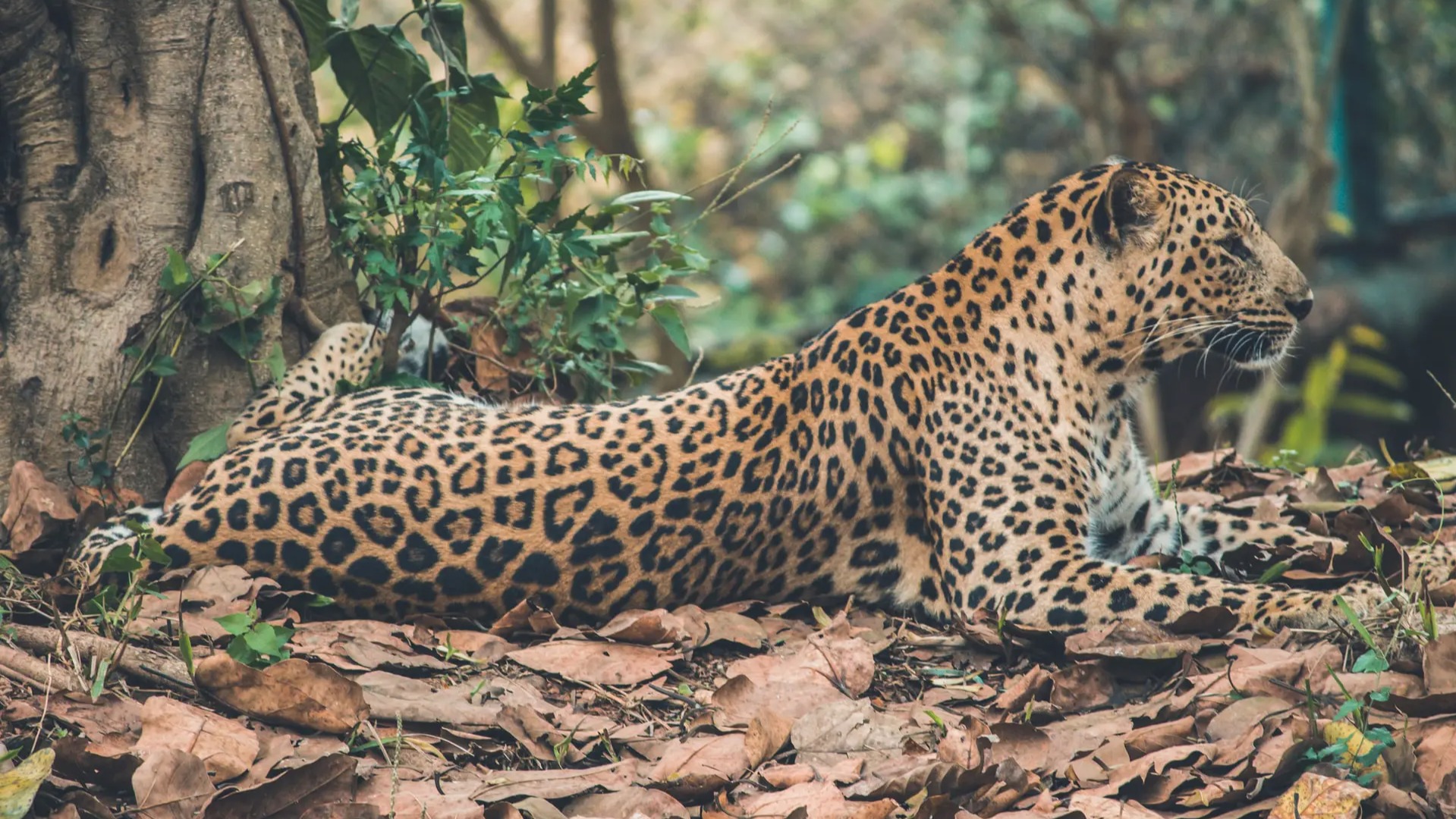
One of the most visible outcomes has been the acquisition and rehabilitation of two critical linkage zones between the reserve and adjacent community land. These corridors, measuring 1,200 hectares in total, now allow freer movement for elephants, leopards and buffalo. Camera trap data collected between January and August 2024 recorded 47 individual leopards using the new pathways, a 34 percent increase on the previous comparable period.
Restoration teams have removed invasive plants, replanted indigenous acacias and erected strategic fencing that guides animals while permitting safe passage for local herders. The initiative directly addresses fragmentation that has intensified over the past two decades as human settlements expanded around the perimeter.

When a leopard can move safely between reserves and community areas without encountering snares or retaliation, it signals that the entire system is beginning to function as one living landscape rather than isolated pockets of wilderness.
Community Education Programmes Gaining Momentum
Beyond physical habitat work, the conservation trust has expanded its reach into local schools and youth development. The latest wildlife news from Sabi Sands highlights a bursary programme that supported 38 matriculants in 2024, with 29 achieving university entrance. Several graduates have returned to work as field guides, data capturers and community liaison officers within the reserve.
Weekly environmental clubs now operate in seven neighbouring villages, reaching 680 children between the ages of 8 and 16. Activities range from tracking lessons in the bush to classroom sessions on biodiversity and climate resilience. Attendance has risen steadily since the programme’s expansion in 2022, reflecting growing local interest in conservation careers.
Measuring Success Through Local Eyes
Independent evaluators working with the trust conducted household surveys in August 2024 across 420 families living within 15 kilometres of the reserve boundary. Results showed that 76 percent of respondents now view the reserve’s wildlife as an economic asset rather than a threat, up from 51 percent in the 2019 baseline study. This perceptual shift is perhaps the most significant indicator of progress in sabi sand conservation.
Stories collected during the survey reveal changing attitudes. One grandmother from Lillydale described how her grandson’s involvement in the tracking club prompted the family to report a snare they discovered near their grazing lands. Such anecdotes illustrate how education programmes translate into practical conservation outcomes on the ground.
Wildlife Population Trends and Research Findings
The most recent annual game count, completed in August 2024, recorded healthy populations across key species. Leopard density stands at approximately 12.4 individuals per 100 square kilometres, among the highest in southern Africa. White rhino numbers have stabilised at 68 individuals following a targeted dehorning and monitoring programme that began in 2021.
Elephant herds demonstrate increasing use of the newly established corridors, with collared matriarchs showing repeated crossings into community areas during the dry season. This movement reduces pressure on vegetation within the core reserve while dispersing ecological benefits more widely across the greater ecosystem.
The true measure of successful conservation is not simply the absence of poaching, but the presence of thriving, connected populations that can adapt and move naturally across generational territories.
Anti-Poaching Innovations and Results
While the overall snare recovery rate has decreased by 29 percent compared with 2023 figures, teams continue to adapt their methods. The integration of thermal-equipped drones has allowed patrols to cover 40 percent more ground with fewer personnel, particularly effective during the dense summer months when visibility from vehicles is limited.
Canine units trained in scent detection have proven especially valuable in locating hidden bushmeat camps. In one notable operation during July 2024, a handler and dog team discovered a temporary processing site containing 47 kilograms of dried impala and kudu meat, along with equipment for producing wire snares. The rapid dismantling of this network prevented what could have become a significant threat to smaller antelope populations.
What Recent Data Tells Us About Ecosystem Health
Researchers from the Sabi Sand Ecological Institute released their mid-year report in October 2024, drawing on 18 months of continuous monitoring. The data reveals encouraging signs of ecological balance returning in areas previously stressed by drought and high herbivore concentrations.
Predator-prey dynamics appear stable, with lion prides showing natural dispersal patterns rather than the territorial compression observed in the early 2020s. Bird surveys recorded 214 species during the winter months, including regular sightings of three pairs of African crowned eagles, an apex predator whose presence indicates healthy forest and riparian systems.
Challenges That Remain
Despite the positive trajectory, conservationists acknowledge ongoing pressures. Human-wildlife conflict incidents, though reduced, still occur during periods of resource scarcity. The trust has responded by expanding its rapid-response veterinary unit, which treated 14 injured animals during the past quarter, including two leopards caught in boundary fence entanglements.
Climate variability presents another layer of complexity. The 2023-2024 rainfall season was 38 percent below the long-term average, forcing managers to make difficult decisions about supplementary water points. The experience reinforced the importance of maintaining large, connected landscapes where animals can respond naturally to seasonal changes.
How Visitors Contribute to These Outcomes
Every traveller who chooses a lodge within the Sabi Sand directly supports this integrated conservation model. Unlike traditional entrance fees that flow primarily to state coffers, the private nature of the reserve allows for more agile allocation of resources to where they are most needed at any given moment.
Many properties now offer optional conservation levies or experiences that provide deeper insight into these community programmes. Guests can join researchers on collaring operations, participate in habitat restoration planting days, or visit local schools to see the environmental education work first-hand. These encounters transform abstract financial contributions into personal connections with the landscape and its people.
For those seeking to understand the mechanics of effective African conservation, Dulini Leadwood offers an intimate vantage point from which to observe both wildlife and the community initiatives it supports. Similarly, travellers interested in the broader regional context may wish to explore how these models compare with efforts in the Botswana Okavango or the community conservancies of Kenya.
Looking Ahead: Scaling What Works
The Sabi Sand model is attracting attention from other private reserves across southern Africa. Representatives from reserves in Zululand and the Waterberg recently visited to study the trust’s governance structure and community engagement protocols. Early discussions suggest potential for knowledge exchange that could strengthen conservation across multiple landscapes.
Within the reserve itself, the next phase involves expanding youth vocational training to include wildlife monitoring, hospitality skills and guiding qualifications. The goal is to create a genuine pipeline from local classrooms to meaningful employment within the safari industry, further strengthening the social contract that underpins long-term protection.
Conservation at this scale succeeds when local families see tangible benefits from protecting the wildlife on their doorsteps. The past season’s results suggest Sabi Sands is moving steadily towards that reality.
Conclusion
The latest chapter in Sabi Sand’s conservation story illustrates how thoughtful allocation of tourism revenue can create genuine, measurable change. From expanded leopard territories to transformed community attitudes, the evidence suggests that this collaborative approach is delivering results where they matter most: on the ground, in the lives of both animals and people.
As these initiatives mature, they offer valuable lessons for conservationists working across Africa. The integration of ecological science, community development and responsible tourism creates a powerful synergy that no single sector could achieve alone.
For discerning travellers seeking a private safari beyond our set itineraries, we invite you to contact us directly. We specialise in designing exceptional, tailor-made journeys for individuals, couples, families, and private groups of up to eight guests. Drawing on our handpicked network of distinguished camps and lodges, we curate every detail with precision and care, creating a seamless, deeply personal safari experience shaped entirely around your preferences, pace, and budget.
Whether your interest lies in witnessing leopard behaviour at dawn, understanding community conservation models, or simply experiencing the profound silence of the African bush, reach out to Encounters Africa. Our team will craft an itinerary that connects you meaningfully with both the wildlife and the people dedicated to its protection.
More like this
News
Inside the Community Patrols Reshaping Kenya's Wildlife Future
News
Inside the Struggle to Protect South African Animals from Climate Shifts
News
Kenya Strengthens Wildlife Protections with New Anti-Poaching Legislation
News
Kenya's Rangers Face Mounting Pressure as Poaching Incidents Rise in Key Reserves
news
Kenya's White Rhino Surge: 2026 Population Milestones in Key Reserves
News